While everything mentioned above is absolutely true, we must also remember that it was the whites – who had first reached the ‘proper stage of development’, who had given up slavery and invented ‘human rights’. On the other side, it is also true that the whites did reach the ‘proper stage of development’ by exploiting the rest of the world. Only ‘this’ wasn’t invented by them! I don’t want to go into the finer details. All of you know, very well, what had really happened ‘on the ground’.
So. What are we going to do next?
‘Delete’ everything the white people have contributed only because they have been the last to exploit the rest of the mankind?
Or accept the fact that evolution works in an oblique manner?
Culture is to human communities what DNA is to biological species.
It transports vital information from one generation to the other. Hence providing a venue for survival. Furthermore, both culture and DNA can change in time. Hence providing a venue for evolution.
The difference between culture and DNA being, of course, the fact that culture is way more fluid than DNA. DNA changes only once for each generation – what you get at birth is what you’re taking to the grave, while culture is in constant flux. No individual organism has anything to say about their genetic information but almost every human is capable of learning almost anything.
Now for the historical part.
Stage one.
Veneration of the elders. The elders were the depositories of the common knowledge. Hence everybody took good care of the ‘data bases’.
Stage two.
Somebody learned to write. Elders were no longer indispensable. More and more information could be ‘warehoused’ in alternative ways. A structure was needed to manage the new ways of dealing with the vital information.
Stage three.
The state is born. At first the structures which insured that culture was passed from one generation to another had been rather empiric: kingdoms, monasteries, etc. Soon after the Enlightenment things had become more rational. Cultured people became nations and the academic scholars gave us the state. As the structure charged to make sure that culture and people stay together. Hence providing for the nation’s survival.
States who had been in constant contact – read rivalry, kept each-other fit. Or else. States ‘removed’ from reality – geographically, by becoming too powerful to care or both, had experienced a natural decay. The people at the top of the food chain had forgotten about those at the bottom and those at the bottom had lost faith in their leadership.
States too weak to survive – for various reasons, have succumbed while those too powerful for their own sake have eventually imploded.
Psychology to the rescue.
Culture is more fluid than DNA for a reason. DNA follows exclusively the laws of nature while culture is heavily influenced by us. We, men, are the measure of all things. All life heavily transforms the place it inhabits. So do we, humans. Only we do it willingly. On purpose, that is.
Now, that we have amassed so much information – about life in general and about how we relate, as agents, to the entire process, we have reached a reckoning moment. What next?
Are we going to choose the path of the cuckoo or that shown to us by Hokule-a?
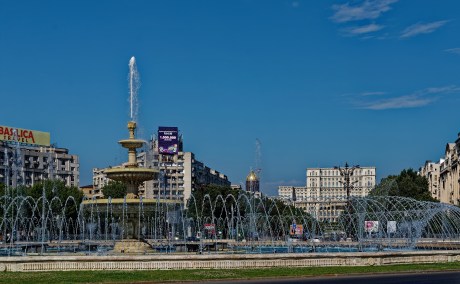
Nu prea i-a ieșit pasiența Preafericitului… A construit, cu ajutorul lui Mamon, un templu mai înalt decât Coșmelia Poporului. Și, cu toate astea, din locul pe unde se plimbă poporul muncitor, țîșnitoarea lui Firea pare mai cu moț decât ctitoriile predecesorilor săi…
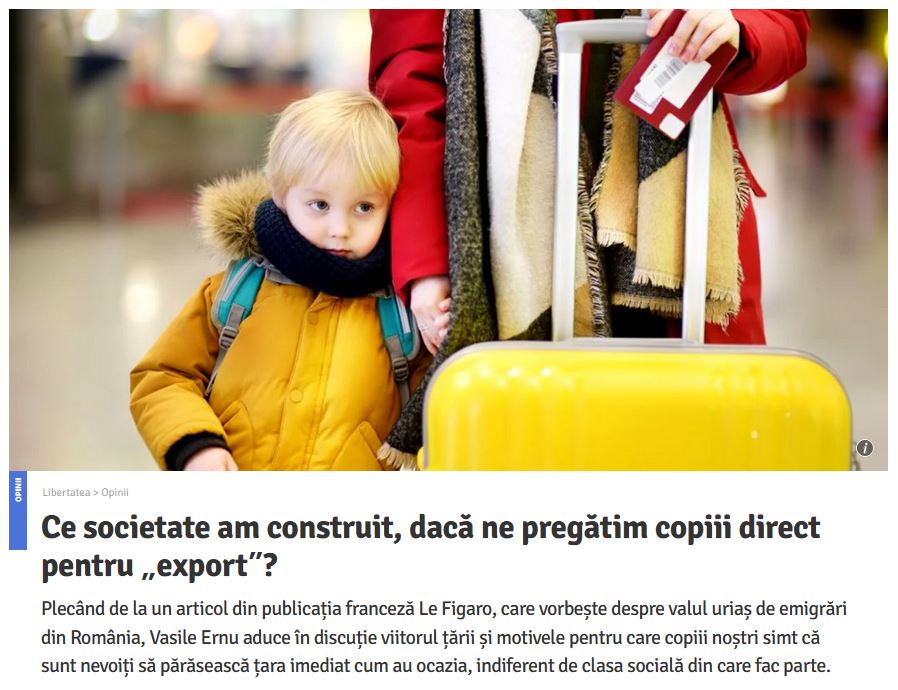
„Pleacă, copile chiar dacă mă doare! Aici nu sunt speranțe de a trai normalitatea promisă! Nu-ți irosi viața, sperantele, energia pentru cauze pierdute! In fond, cea mai ușoară cale de a-ți trăi viața este să-ți urmezi visul!”
Încă o confirmare a tezei care ne învață că realitatea este un construct social. Care ne spune că ne-o facem cu mâna noastră!
Întâi am pierdut vremea. Ca nație. Vreo douăj-de ani.
După care, în loc să ne apucăm de recuperat timpul pierdut, am început să ne sfătuim copiii să plece. De tot!
Una e să-i impingem de la spate să se ducă afară să învețe. Și să se întoarcă. Iar noi, între timp, să facem oarece ordine pe aici, prin bătătura. Astfel încât, odată întorși, să ne putem apuca cu toții de treabă. Aici, unde sunt atâtea de făcut. Unde totul este la început. Unde jocurile nu sunt, încă, atât de făcute ca afară.
Și cu totul altceva este să-i învățăm, de mici, cu gândul că ‘aici nu mai e nimic de făcut’. Să-i împingem, efectiv, afară. Să-i obișnuim cu gândul plecării. Pe și pe noi, laolaltă. Adică să ne demobilizăm singuri. Să ne aruncăm, de bună voie, în brațele celor care ‘ne vor proști’.
Scriind chestia asta mi-am adus aminte de cuci.
Adică de păsările alea care își depun ouăle în cuiburile altor păsări. Din care ouă ies niște pui suficient de zdraveni încât să arunce din cuib odraslele perechii gazdă. Noi facem invers. Ne alungăm singuri puii. Făcând loc, în felul ăsta, copiilor ‘lor’…. care nu sunt atăt de ‘zdraveni’ ca ai noștri! Că altfel s-ar duce ei să învețe ‘afară’….
Atâta vreme cât democrația funcționeză cu adevărat, afirmația de mai sus rămâne valabilă.
Numai că există și situația în care unii dintre presari se lasă ademeniți. Și devin „fiara de atac din lesa politicianului”. Moment din care democrația începe să aibe probleme.
Moment în care începem să ne întrebăm cine a fost primul. Oul sau găina? Pentru un tratament corect, e nevoie să identifici cauza.
Cine e de vină? Cititorii sau presarii? Votanții sau aleșii neamului?
Toți trei în aceiași măsură?
Hai s-o luăm altfel.
Democrația este un mecanism de decizie. Modul activ prin care populația – devenită națiune, își hotărăște singură destinul. Alternativa – predominant pasivă, fiind reprezentată de autoritarism. Situție în care dictatorul face ce vrea, până când populației îi ajunge cuțitul la os.
Pentru ca decidenții să poată lua decizii cât de cât corecte, aceștia au nevoie de informații. Politicienii trebuie să știe atât ce se întâmplă cât și starea de spirit a populației. Fiecare dintre cetățeni trebuie să știe ce se întâmplă și ce gândesc ceilalți membrii ai comunității.
Cine sunt singurii care pot face, în mod transparent, toate aceste lucruri? Cine sunt cei care pot ‘afla lucruri’? Bine, cu condiția să fie pasionați de meserie…
O să-mi spuneți că politicienii au mai multă putere. Și că cetățenii – tocmai pentru că sunt primii care trag ponoasele, ar trebui să fie mult mai responsabili decât sunt….
Păi da, numai că toate cele trei categoriile sunt, de fapt, una singură. Atât politicienii cât și cei din presă sunt, în același timp, și cetățeni. Adică vor suferi, și ei, consecințele degradării democrației din jurul lor.
Nu, nu te mai poti uita la televizor in Romania. Nivelul discutiilor este complet cretin. Aceasta tara este paradita pe vecie. Important e sa pleci de aici.
Hai să renunțăm la ‘cine a fost primul’. Să trecem la ‘cine se trezește primul’!
Să ne punem, fiecare dintre noi, câte un pic de cenușă-n cap. Pentru că altfel nu ne mai crede nimeni.
Și să renunțăm la lese! Doar câinii cu adevărat liberi pot păzi în mod eficient. Restul… sunt buni doar pentru luptă. Între ei sau asmuțiți împotriva unor victime nevinovate.
Unii ‘înjură’ CCR-ul pentru ca a lăsat guvernul fără unelte pentru stăvilirea pandemiei.
Alții ‘înjură’ PSD-ul pentru maniera ‘lentă’ în care ‘procesează’ noul proiect de lege în parlament.
În Obor, o mare parte dintre tarabagii stau fără mască. Sau cu ea pusă aiurea. Tot așa, foarte mulți dintre prăvăliașii independenți se prefac doar că respectă măsurile de precauție.
La 12 zile după publicarea în Buletinul Oficial a hotărârii CCR cu privire la carantină au început să se întoarcă în spitale o parte dintre bolnavii care se ceruseră acasă. Direct la terapie intensivă…
Iar efervescența este atât de mare încât nimeni nu este interesat, încă, de numărul în continuă creștere a celor ‘depistați pozitivi’.
Va începe să ne pese cu adevărat abia după ce vom fi atins ‘pragul critic’. Și nu am nici o idee care va fi acela. Vom începe să purtăm măști abia după ce îi vom auzi pe prietenii noștri horcăind. Sau după ce vom conduce o rudă la groapă.
Abia atunci vom depune o moțiune de cenzură în loc să înjurăm guvernul la televizor. Abia atunci ne vom apuca să scriem – și să votam în regim de urgență, niște legi bune în loc să chemăm primul ministru în parlament doar ca să-i spunem că nu ne place legea pe care ne-a trimis-o el.
Și, când totul se va fi terminat – că toate se termină la un moment dat, o să ne plângem în pumni. ‘Bă, da’ proști am fost. De ce n-am facut chestia asta de la început? Înainte să fi murit toți oamenii aștia?’
Bine, nici ‘noi’ n-o să mai fim chiar atăt de mulți…
Sau poate că nu? Mai există varianta ca unii dintre noi să se bată pe spate și să se felicite pentru victoria electorală… Dar asta va însemna că nimeni nu va fi înțeles nimic.
Singurul subiect asupra căruia cad de acord toți comentatorii vieții publice romanești este ‘nevoia de comunicare’.
Cu toții deplâng – mai mult sau mai puțin nuanțat, modul în care guvernul ‘comunică cu țara’. Cu toții ‘admiră’, mai mult sau mai puțin invidios, modul în care PSD-ul reușeste să transforme subiectele zilei, cu ajutorul unor unelte din sfera comunicării, în ‘pitchuri electorale’.
Trebuie să rescunosc că există și cățiva analiști care ne atrag atenția ca ‘țara arde și babele sunt la coafor’.
Ce nu spune nimeni este ca babele astea se duc cu atâta insistență la coafor pentru că asta li s-a spus în ultimii 30 de ani.
Toți politicienii români, din toate taberele, au făcut tot feluri de cursuri. De comunicare. Toți politicienii români au consilieri de comunicare. Unii chiar mai mulți.
Și ne mai mirăm? Că fac doar ce au fost învățați să facă? Că sunt preocupați mai mult de comunicare decât de fapte?
Păi dacă le-a mers? Dacă i-am evaluat mai mult după modul în care au comunicat și mai puțin după ce au făcut?
‘Și ce vrei să spui cu asta? Că profesioniștii comunicării poartă principala vină pentru cele întâmplate?’
Nu. Fiecare dintre noi avem partea noastră de răspundere! Politicienii pentru ce au făcut, noi pentru ce am votat iar comunicatorii pentru că au transformat libertatea de exprimare într-o armă politică.
Vreau să atrag însă atenția asupra unui fapt cât se poate de simplu. Politicienii trăiesc în bula lor. Noi, votanții, trăim în bulele noastre. Nici unii dintre noi nu știm, la prima mână, ce se întâmplă în celelalte bule.
Singurii care au contact cu întreaga societate sunt ‘comunicatorii’. Tot ei sunt cei care au capacitatea să împărtășească ceea ce știu.
To cut a long story short, some 25 years ago I started trading on the Bucharest Stock Exchange. The market had been freshly reinstated after the fall of the communist regime and most of us so called investors were quite naive. Due an incredible amount of luck and a small but very useful spark of intelligence I made a fair amount of money. For that time… In an attempt to maximize my profits, I went back to school. Where I learned the difference between fundamental and technical analysis.
I’m not going into details. It’s enough for you to know that no matter how different they are, both fulfill the same psychological function. They ‘clean up’ the slate. They help the decision makers distance themselves from the objects they have to decide upon.
What?!?
A stock – or any other tradable item, is no different from a bicycle. We, human beings, become attached to things we already have in our possession. We find it harder to divest ourselves from something than to buy into something new. We tend to procrastinate when having to choose between multiple opportunities to buy and to ‘defend’ an already made decision. An already acquired possession. Fundamental and technical analyses do nothing but bridge these two ‘chasms’. Help us across.
OK. But has any of this to do with propaganda?
Well, market analysis is a tool used by the decision maker himself. Propaganda is a tool used by somebody who intends to influence the decision maker. Using the same psychological mechanisms.
While market analysis attempts to clear the ‘sentimental fog’ which distorts the factual information available to the decision maker, propaganda works its way in the opposite direction. Facts are presented in such a way as to ‘smuggle’ them, below the radar, into the minds of the intended targets. While market analysis is meant to help decision makers overcome their biases, propaganda is meant to fine tune those biases towards ‘encouraging’ the decision makers into adopting the decision coveted by the propagandist.
Somebody sent me this picture. See how things work? Most people consider themselves as being free from racism. Also, most people consider that other people – namely the politicians and the journalists, have ‘vested’ interests. And that these ‘other’ people use ‘divide and conquer’ to maintain their grip on power.
The key word here being ‘other’. It’s the others who engage in such heinous acts. Never ‘our’ people.
But do you know what bothers me most? I’ve been subjected to communist propaganda for the first 30 years of my life. I’ve never dreamed it would take me another 30 years – and a stint of daily trading on the Stock Market, to figure out how propaganda works. Only to find it being used by people who declare communism to be the scourge of the Earth.
Well, since communism actually is a scourge, how about we NOT using the same tool as those who try to infect our minds with it? For no other reason than propaganda yielding communism having been a complete failure….
Cică „Dacă nu noi, atunci cine? Și dacă nu acum, atunci când?”
Am auzit prima oară sloganul ăsta în timpul unui miting de protest.
La ceva vreme după aia, s-a petrecut schimbarea. Au ajuns alți „noi” la putere. Numai că aproape totul a rămas aproape la fel. La fel de prost… După care s-au mai perintat câteva generații de „noi”.
Sau, având în vedere că lucrurile s-au îmbunătățit foarte puțin pentru noi și foarte mult doar pentru ei, ar fi poate mai potrivit să spun că s-au perindat câteva generații de „ei”?!?
Și cu noi cum rămâne?
Rămâne cum am stabilit. Dacă nu noi, atunci cine? Și dacă nu acum, atunci când?
Dacă le tot cerem „lor” să se schimbe – între ei, pe ei îșiși, treaba lor, numai să facă treabă, când avem de gând să ne schimbăm și noi?
Când vom învăța să:
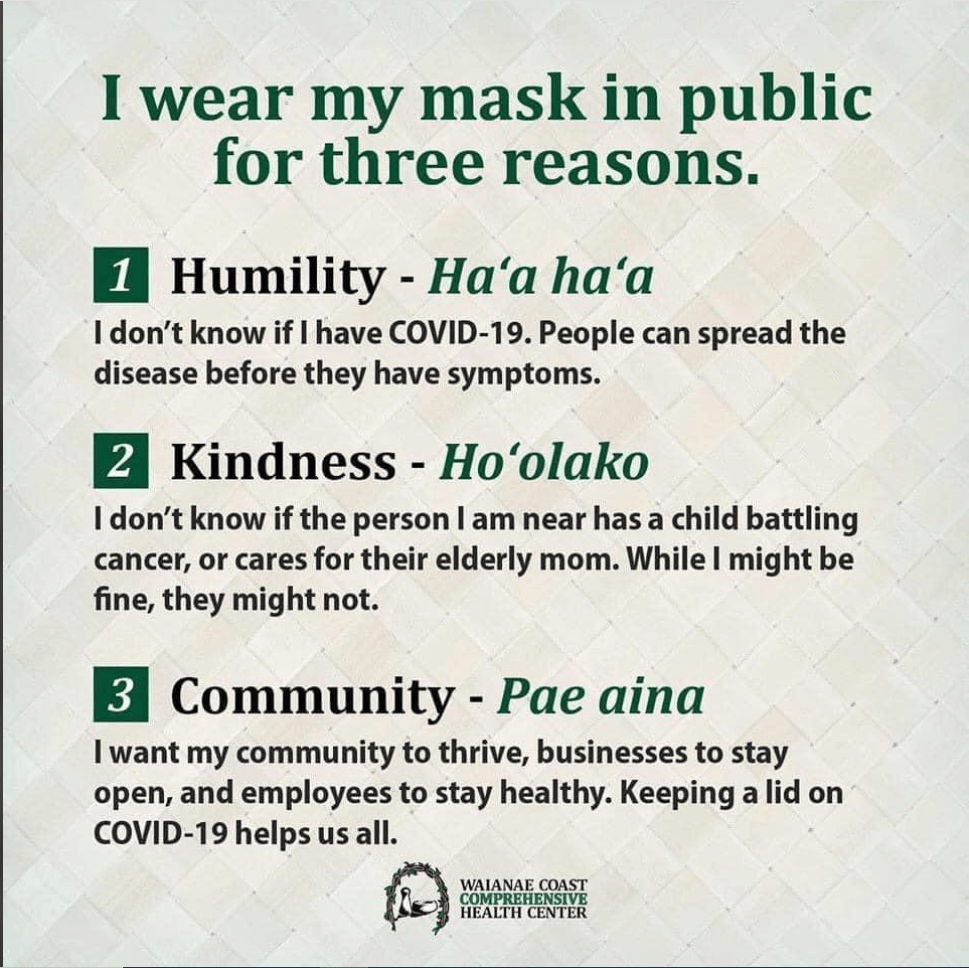
Să ne spălăm pe mâini, să purtăm mască, să nu mai punem botu’ la toate prostiile…? Să nu mai aducem acasă hârtie de scris și agrafe de la birou? Să nu mai întoarcem capul atunci când unii dintre colegii noștrii fac chestia asta?
Să nu ne mai ajutăm șefii să fure în speranța că noi vom fi cei păstrați atunci când va veni restructurarea cea mare? Cea cu care suntem amenințați continuu, indiferent de locul unde muncim pentru a construi ‘societatea capitalistă multilateral dezvoltată’… Să nu mai întoarcem capul atunci când alții își ajută șefii să fure în speranța că…
Și asta pentru simplul motiv că dacă mai stăm mult cu capu-n partea-ailaltă s-ar putea să nu mai fie nimic de văzut atunci când vom reveni la poziția firească.
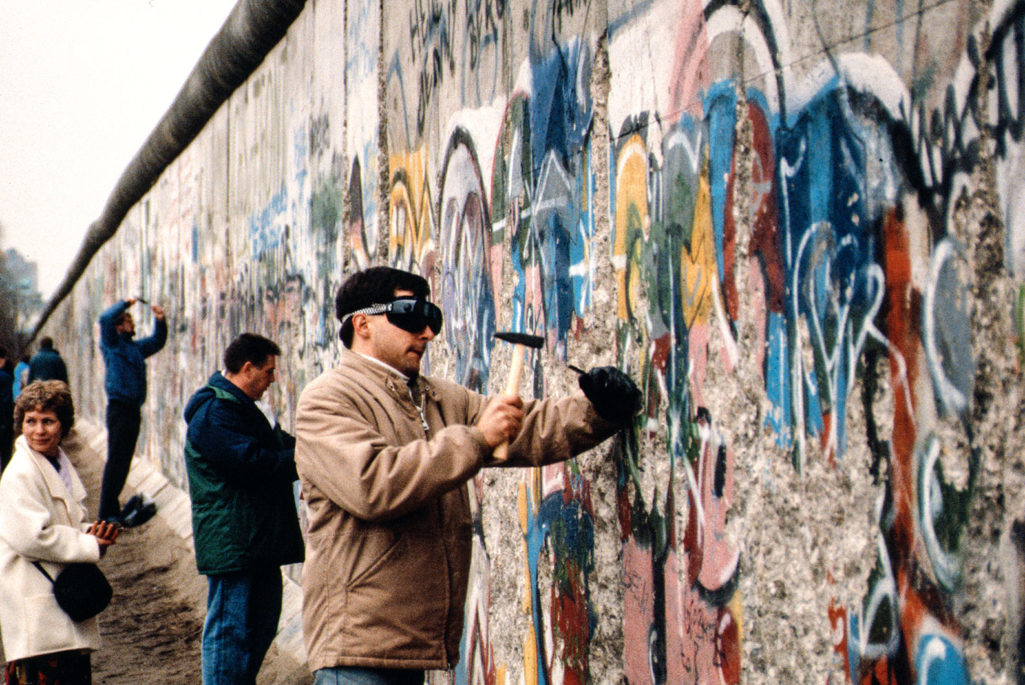
Until thirty one years ago, the Eastern half of Europe was self isolated behind the Iron Curtain. Which had suddenly disappeared in a matter of months.
Nowadays, when SARS-CoV-2 has forced each of us to shelter in place and our nations to self isolate behind the borders, we have not only the opportunity but also the obligation to re-evaluate our take on many of the things we took for granted.
The most important one being our Weltanshauung. The way we see the world. The fact that we have convinced ourselves – simply because our lives have been good enough, that we’ve been doing things the right way.
Marx’s communists had been convinced that dialectic materialism – supposedly backed up by science and a generous political doctrine, was the way in which humankind was going to built its future. Not the best way, the only way! For which reason, no transgression from the official line was allowed. Solutions were to be found only where the official doctrine mandated that answers might have existed.
Communism had fallen. Mostly from within. Which has prompted those on the other side of the fence to consider that their vision had been better. Which was obviously true. Slowly, people on both sides of the previous fence have started to convince themselves that their vision was the only correct one. The only alternative had proven itself to be a failure, didn’t it? Which seems also true. I know of no better alternative. For us. I know of no alternative which would be more helpful for us. Only the fact that I’m not aware of an alternative doesn’t mean much. The alternative might as well exist. Or not….
And here’s the problem. Marxism had failed for no other reason than those who followed it behaved as if they were convinced that Marxism was perfect. They were implementing the Marxist doctrine by the letter. Not that its spirit was any good… long discussion. My point being that arrogance was built in the Marxist spirit. Marx had actually given carte blanche to his adepts to impose communism, by force, to the rest of the world.
Unfortunately, the last 30 years had convinced me that many individuals belonging to the dominant culture, to any dominant culture, have a hard time keeping their cool. Too many of them reach the conclusion that ‘theirs’ is the best way. That all the rest are wrong. Which conviction has a malignant consequence. It makes them deaf. They no longer consider any other option but theirs. They no longer hear anything but their inner voice.
For all it may be worth, here’s what I learned about liberty during the last 30 years.
Liberty as breadth. Liberty is the breadth of the opportunity field where we might search solutions for our problems. But no matter how large that breadth might become, we’re never ‘out of the woods’. Liberty is but an opportunity, never a guarantee. We are the ones still responsible for the solutions we pick. For the simple reason that we’re going to bear the brunt of the consequences.
It is easier to search for solutions in a freer environment. Hence better solutions might become available sooner. But it’s still our job to look for them. To experiment. To widen our scope.
Liberty as a form of social interaction. We can relate to freedom in at least two manners. As an individual goal – ‘I want to be free’/’I want freedom for my people’, or as a ‘manner of doing business’. We are free, together, because we respect, and trust, each-other. We are free, together, because generations and generations of us have build a social arrangement based on mutual respect. A social arrangement which includes certain mechanisms which attempt to bring things back on track whenever disturbances appear. Some of which mechanisms have been put into formal law, while others have remained in the ‘public domain’.
When we put these two visions together, the ‘binocular’ image starts to develop ‘depths’.
A social group may enjoy freedom – a wider opportunity field, only as long as its individual members – all of them, enjoy their individual freedoms. For only as long as all individual members are free to roam the entire opportunity field discovered/maintained by the community. And as soon as some individual members start to corner portions of the opportunity field for themselves… the whole social mechanism will grind to a halt.
Sooner rather than later. The more intense the desire of the individual members to increase their ‘own’ individual liberty, the narrower the aggregated opportunity field becomes. Each of the individuals guarding their plot means each of them staring at their feet. Individuals become more interested in guarding their fences rather than in raising their eyes to the horizon.
People obsessively defending their past will never be ready for the future. Meanwhile individuals charging ahead with no consideration for the rest of the team will soon find themselves stranded on thin ice. With no one around to help.





 nicichiarasa