
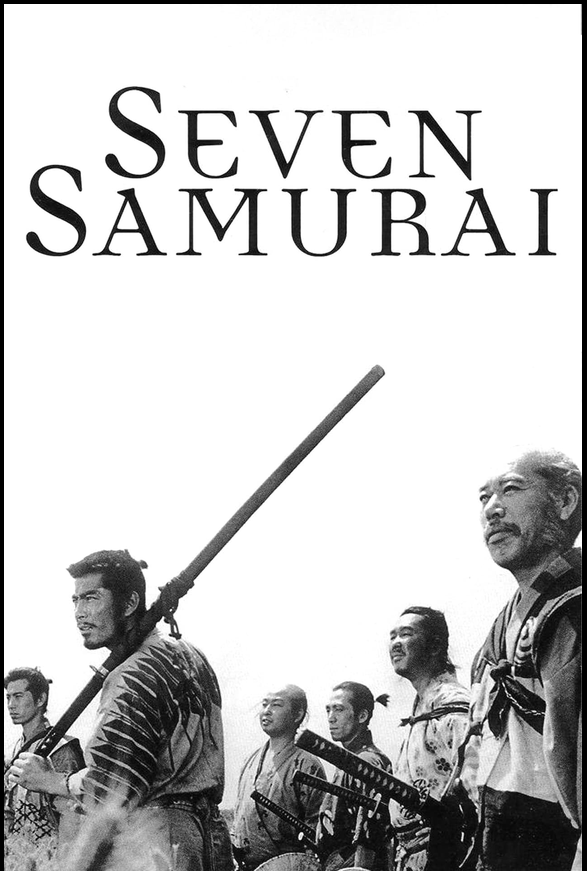
1954
Akira Kurosawa, Japan
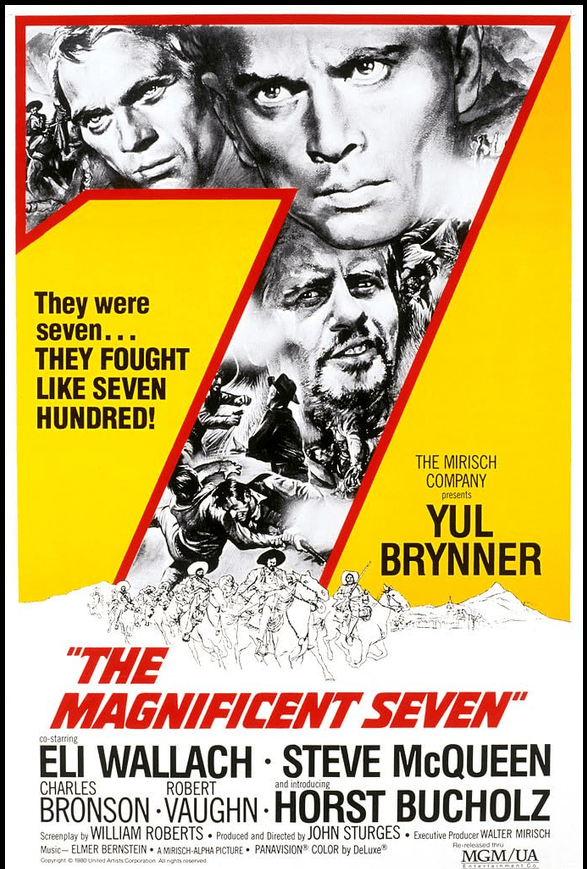
1960
John Sturges, US of A
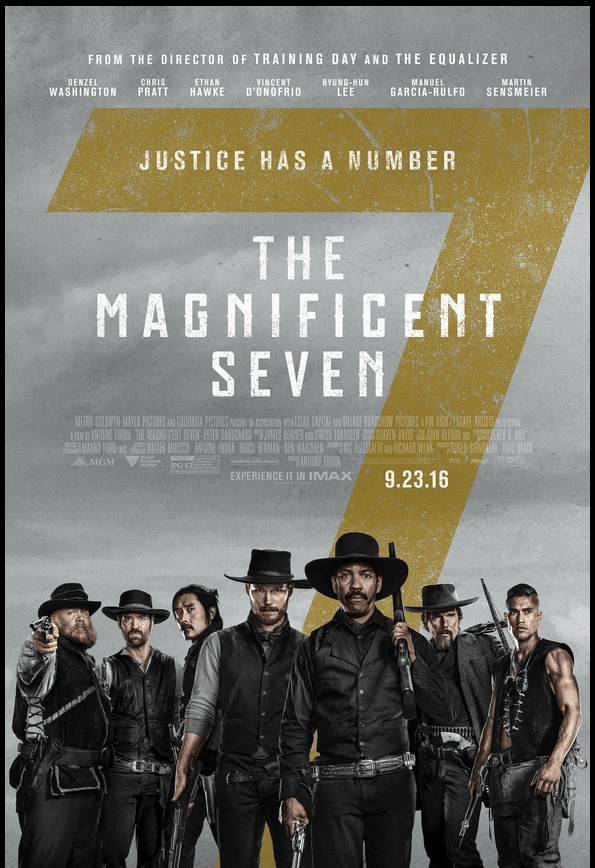
2016
Antoine Fuqua, US of A
2026
1954
Akira Kurosawa, Japan
1960
John Sturges, US of A
2016
Antoine Fuqua, US of A
2026
I’ve been watching this, on and off, for three days now.
And I still can’t make up my mind. Whom to admire more.
The one who performs what he believes to be normal. And somehow manages to include, into that
normalcy, the negative feedback he is been dished out by the most powerful agent in his world.
Or the other one.
Who pursues his side of normal. Who finds in him to investigate when he realizes the
two normals don’t fit. And the courage to make amends.
Thank you Elvis Naçi for this conundrum.
I’m a better person now.
Now that I’ve stated my impotence.
“I can’t make up my mind on this one!”
But maybe I don’t have to.
“Mother Earth is a source of life,
not a resource.“
Chief Arvol Looking Horse

Mother Earth being the source of life – the, not “a” – is a truism. Regardless.
On the other hand, being a mere resource isn’t bad either… For the simple reason that all reasonable people treat resources is a responsible manner.
Right?
Specially when speaking about resources which are ireplaceable!
And since there is only one Earth… Huge, indeed, but finite nevertheless…
Which brings us back to ‘to each their own’.
Basically, there are two kinds of people currently living on Earth.
Some continue to treat it as a Mother – take from her only what they need and refrain from littering her bossom.
And the ‘cherry-pickers’. Who go by “Be fruitful, and multiply, and replenish the earth.” Who believe they had been given a free hand by their God. A free hand regarding the ‘dirt’ they have been made from…
The only problem with the ‘cherry pickers’ – exclusivelly with the ‘cherry pickers’ – being the fact that they don’t read enough. Enough of their (own) Book.
King James’ version is rather hard to ‘read’? OK…
‘Don’t eat any animal which has not been bled out first and don’t spill human blood?’
I’m afraid you’re still not getting it.
According to the book we’re talking about, God has made the entire world. Sparated the stars from the Earth, the water from the dry land, made all the plants and the animals… and Man.
Which man needs the Earth to live upon. An Earth as close to how it currently is as possible, in order for man to live comfortably!
But since “in the image of God has God made mankind”, then God himself needs the Earth.
For whatever reason.
Which means we’d better take good care of His Creation.
Of His entire Creation!
Keep it Virgin.
In Spirit!
Before wrapping up, I must remind you the Covenant between God and Noah’s children. Us.
“Never again will all life be destroyed by the waters of a flood; never again will there be a flood to destroy the earth.”
Corelate this with “Whoever sheds human blood, by humans shall their blood be shed” and “for I, the Lord your God, am a jealous God, punishing the children for the sin of the parents to the third and fourth generation of those who hate me” and the whole thing suddenly has a new meaning.
‘OK, no more floods. But you’re still going to feel the consequences of your own follies. You, your children and all those wallowing in the wicked way’.
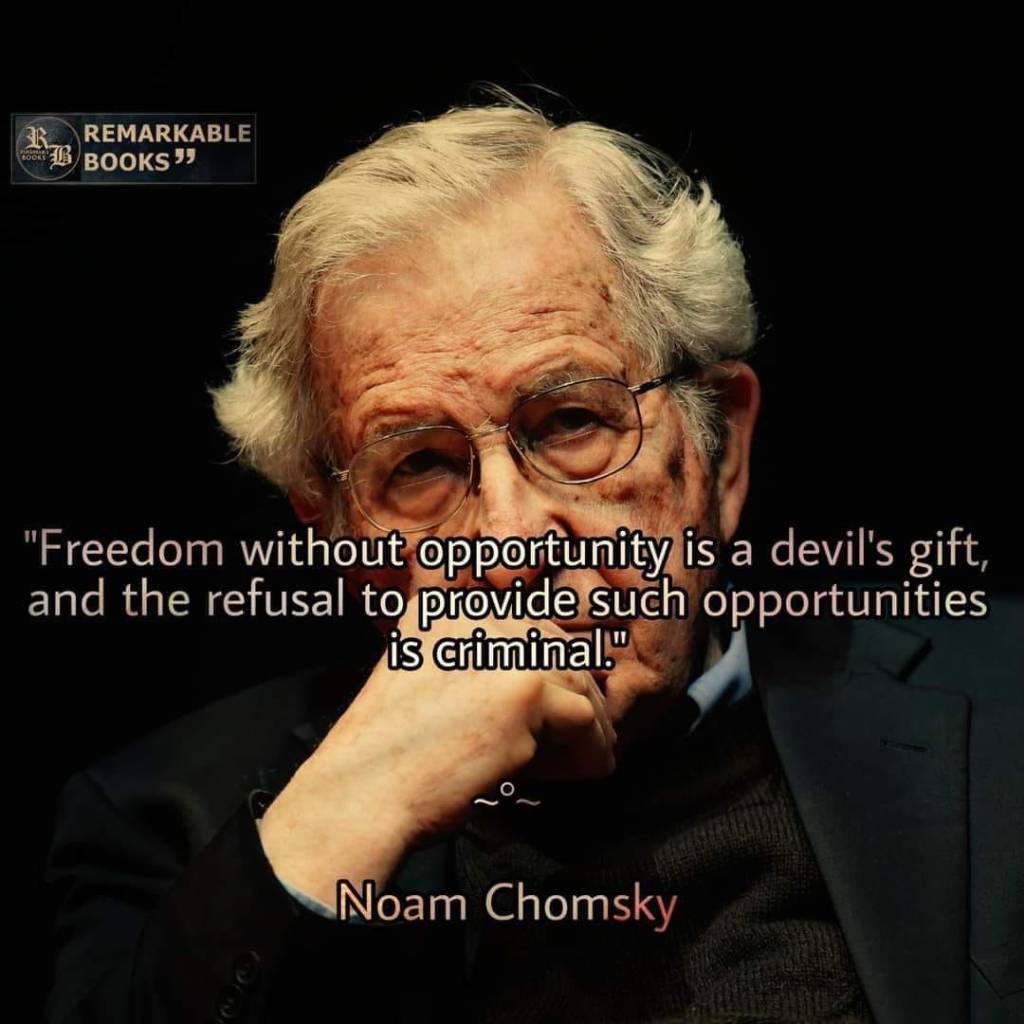
As usual, Chomsky is only half-right.
Opportunities shouldn’t be provided. Period!
In fact, nobody should be able to control/provide sizable amounts of opportunity!
On the other hand, making it so that only a small number of people enjoy all the opportunities in the world is, indeed, criminal.
Unsustainable for the longer time frame, actually!

Holidays are very good opportunities to reconsider,
And to learn new things.
These days I learned that while having nothing makes you feel ‘uncomfortable’, having too much can be very limiting.
If you have just enough, you can go forward. Explore new venues. Learn new things.
Enjoy life!
If you have too much, you spend too much time and energy protecting what you already have. Trying to get more…
The venues open for you to explore are suddenly reduced to one! Only one… You become the guardian of your fortune!
Can you enjoy such a life?
Are you sure? Have you examined the alternatives? In earnest?
‘Are you implying that all wealthy people are unhappy?
Unable to enjoy their lives?!?’
On the contrary, my dear Watson!
I’m only saying that being wealthy is complicated.
“Just enough” is a matter of individual ability to cope.
That enjoying wealth needs a lot of skill.
And that being wealthy comes with a lot of responsibility!
Towards yourself in the first place!
And towards your kids, family and the rest of the gang…
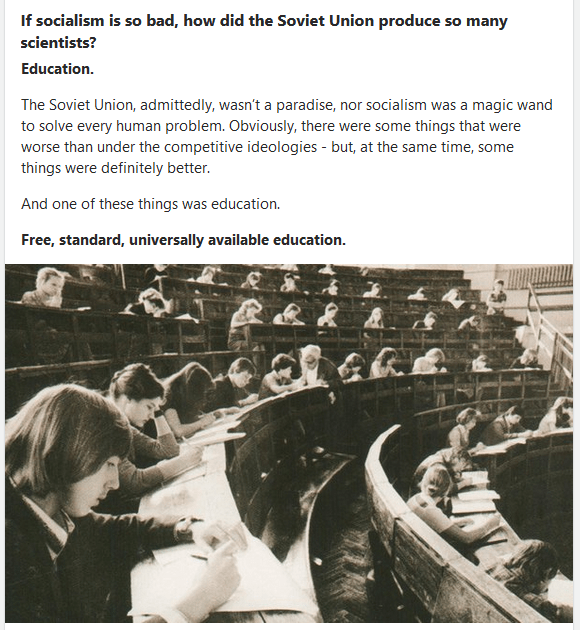
It had to do with FOCUS.
The answer, like always, is to be found inside the question which generates it.
“If socialism is so bad, how did the Soviet Union produce so many scientists.”
The key word here is ‘produce’.
First of all, Russia did have an important cultural and scientific tradition to start with.
Secondly, the communist leaders – mostly Lenin but more or less all of them, had a clear understanding of the literacy gap which separated Russia from the rest of the world. Filling that gap was the first step towards Russia/the Soviet Union becoming a First Tier country. Hence the ‘free, standard, universally available education’.
But there’s a caveat here.
When we’re speaking about education – in the West, we mean ‘everything already known to man’.
Students are allowed to read everything in the library – except for certain places in the US, but those are exceptions.
When we speak about the education in the Soviet Union we must remember that each of the ‘free, standard and universally available’ aspects had its own limitations.
It was free in the sense that everybody – well, almost – had the right to apply for it. Actually getting it was something else.
It was standard in the sense that it was standardized. Only what was deemed safe/useful was allowed to reach the students.
It was universally available in the sense that everybody was subjected to some form of education. Much of which was nothing more than indoctrination…
Finally, let’s remember that the Soviet Union was able to produce scientists only for so long. Until it collapsed under it’s own weight…
Moral of the story?
Producing scientists is not enough.
Science teaches you only how to do whatever you want to do.
What to want… that’s something else!
I sketched earlier a brief description of how we got here.

Now I’ll attempt to offer an ‘alternative’ understanding of inflation. Not what it is – we all know that, but what it does.
It will be a functionalist view of the matter. Evolutionary, even.
As in ‘why do we still have inflation’. Why inflation continues to ‘survive’.
For most of our history, economy had been about solving needs.
Regardless of the market being momentarily free or not, for things to go on a balance had to be struck.
Demand had to be balanced by supply. Hence ‘price’.
Demand was mostly driven by the number of people needing something while supply was driven by the available natural resources AND by our ability to transform those resources into actual commodities.
For example, the price of wheat was influenced by the number of people living in a certain area, by the amount of arable land AND by the agricultural technology used at any given time. OK, the weather also had an impact but it was mitigated by the technology.
‘But how about imports? After all, ‘international’ grain trade is three millennia old. Ancient Athenian ships had been distributing ‘Ukrainian’ wheat all around the Aegean sea since before the Trojan war…’
Yeah, and how about emigration… the Irish had gone to America to escape famine, didn’t they?
We’ll get there. ‘Baby steps’, otherwise we may trip!
When population increased, they tried to add more arable land. If they could. If not – and/or in parallel, they tried to increase yield.
But the process was not linear. They could not ‘fine tune’ the increase of yield – by either method, exactly to the population growth. Hence the variation of price. Hence the ‘secondary mitigation measures’ – import/export and emigration.
‘OK, I understand. But prices can go both ways. Up AND down! Inflation only goes up…’
You’re speaking about individual prices. Which, indeed, go both ways.
And, yes again, inflation goes – in medium to longer time frames, only up!
You see, we have ‘price adjustments’ and (compounded) inflation.
Price adjustment is the mechanism through which the market – free or otherwise, balances the market for individual ‘items’. Encourages the consumption of wheat when the price is low and encourages the farmers to plant more wheat when the prices are high. Same thing for, say, shoe-shinning!
Meanwhile, (compounded) inflation is the mechanism through which the market – again, free or otherwise, balances itself.
‘Huh?!?’
For example, if wheat becomes too expensive, consumers (and suppliers) might decide to replace it with something else. Rice. Or potatoes.
Or, when grain prices become prohibitively low, farmers might abandon their plows and buy, say, shoe-shining tools.
‘But if rice – or anything else – would yield a lot more than wheat per the available arable land, the over all prices for food – and everything else, should go down, right? Not up…’
Well… in a rational world… maybe. That’s another long discussion.
The short version being that we usually wait for too long before making the necessary changes. Which is not necessarily wrong but that’s yet another long discussion. Only hindsight is 20/20…
Let’s say it would be possible to grow wheat and rice on the same plot of land without making any technological adjustments. If the growers would know what kind of weather would come in the next season, they would be able to plant the right crop. But they don’t. And it takes time for people to grasp the weather patterns have changed – and adjust the pertinent technology. On top of that, adjusting technology requires money.
Investment. Fresh ‘inputs’.
And who would do such a thing – plowing money into the ground, literally – without expecting an increased return? Something ‘extra’ for their effort?
In economic terms, nobody invests their money in a deflationary environment.
Why would anybody do such a thing?
Buy now when waiting till ‘tomorrow’ would make it possible to buy more for the same money?!?
That’s why inflation goes up. Period.
Cause otherwise the whole economy would become obsolete. We’d all be waiting for ‘tomorrow’.
NB.
This was a gross ‘simplification’.
A bare sketch.
Even in a deflationary environment, some prices do go up. For years overall prices have gone down – because of our increased technological prowess – while housing, education, healthcare and insurance have become more and more expensive. ‘Tilting’ the whole market.
More about this in the next post on the subject.
2017
2022
2016
2022
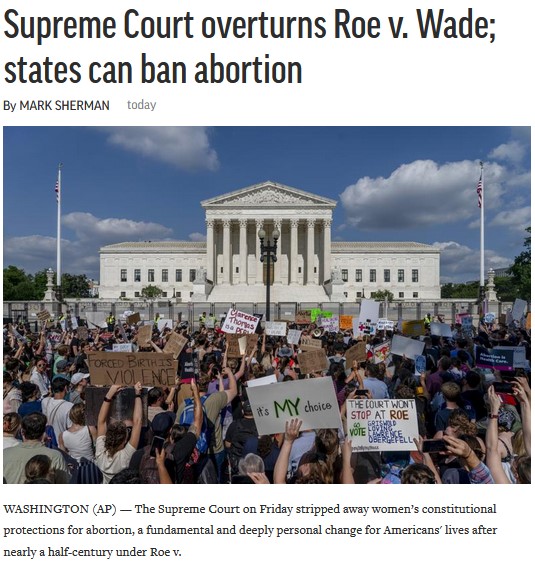
2022-06-24
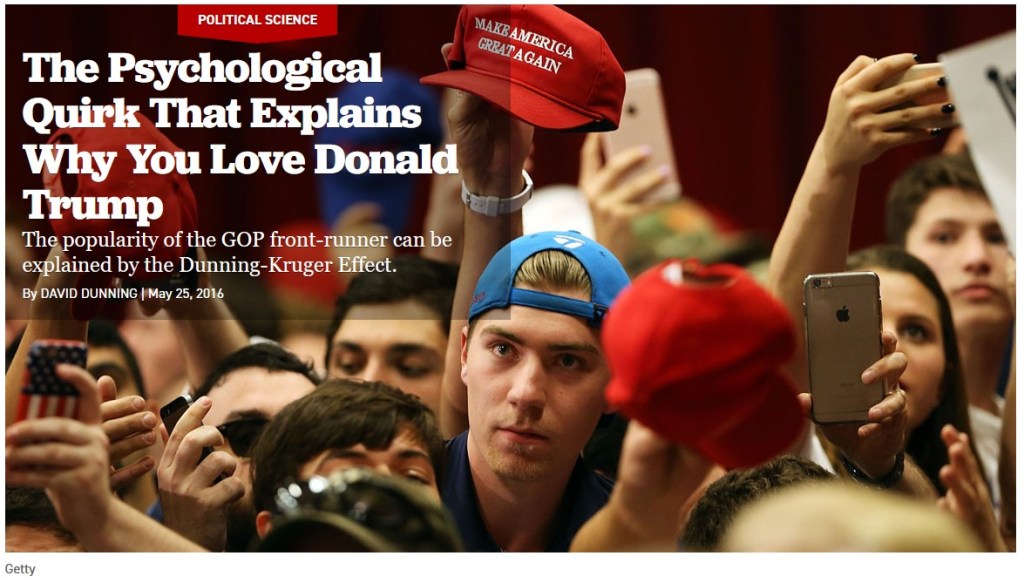

These people no longer communicate.
As in no longer care to understand what the other has to say…
Mind you, not ‘agree with’, just understand. Just develop a ‘mere’ understanding of what the other feels/thinks/has to say about a subject.
The consequence?
Both sides have become so focused on contradicting each-other on no matter what subject that both of them have lost the ability/exercise to look for the real issue.
The Ukrainians have enough AK-47s. They don’t have any use for any AR-15s. What they need is howitzers. And HIMARSs!
As for the 2nd amendment…
“A well regulated Militia, being necessary to the security of a free State, the right of the people to keep and bear Arms, shall not be infringed”
Given the Ukrainian experience, should we read the 2nd Amendment in such a manner that ordinary people would be able to keep and bear howitzers? Or HIMARSs?
Or should we focus our attention on the notion of ‘a well regulated Militia, being necessary to the security of a free State’…?
Meaning that without a well kept and well trained Army, the State, any state, would soon loose its sovereignty?
After all, the Ukrainians fight, together, against an invader. They cooperate in order to defend their State.
Meanwhile, many of those clamoring about the 2nd Amendment are more preoccupied about using their guns to defend their individual freedom against the State than about cooperating with their fellow citizens towards defending the State against any aggression.

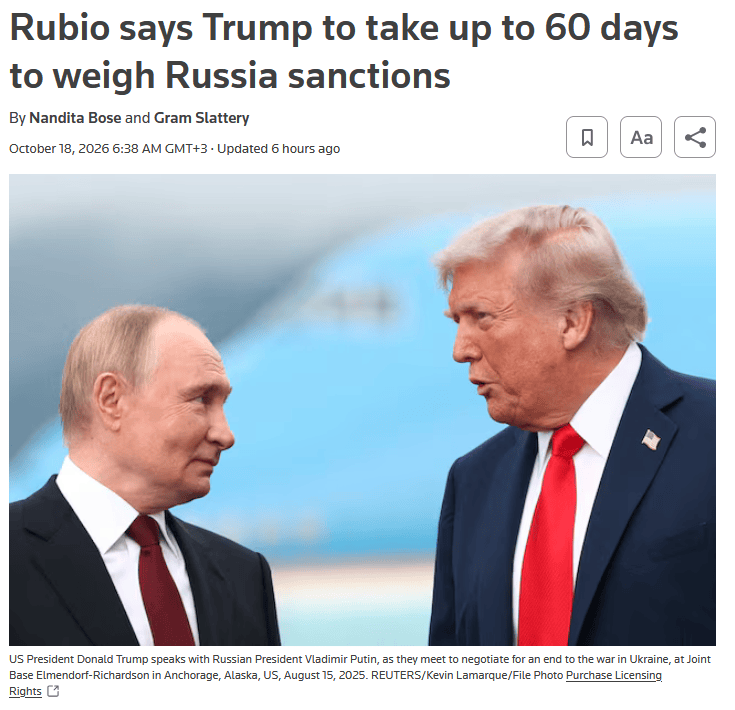
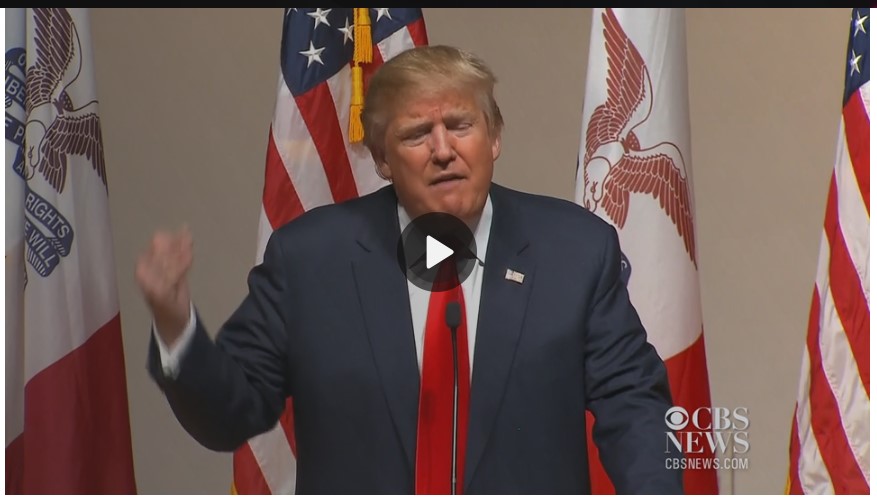
In these circumstances, am I allowed to remind you that Putin – the guy who had initiated/ordered the invasion of Ukraine, is a “genius”?!? According to Trump…

