Descartes was the first who had introduced a ‘pecking order’ into this mess.
Dubito ergo cogito. Cogito ergo sum.
You’re free to translate this any way you want. Mine goes like this:
My existence is certified only by my doubts.
My existence as a human being, of course. As a conscious human!
The ‘pecking order’ being, as far as I figure it out:
I need to exist, as an animal, in order to become conscious. And I need to gain consciousness in order to learn about my existence.
Complicated? Let me elaborate.
Our understanding of the world is incomplete. First of all, there are so many things we don’t know about.
For example, we have no idea what goes on between Mars and Jupiter. We think we know that there’s no major planet hidden in between those two orbits. No object with an important enough mass to disturb either Mars or Jupiter and no object with an albedo big enough to be noticed. To be noticed by us… Other than that… we have no clue about what’s going on there. In fact, we don’t know much about what’s going on in the middle of our own planet… or on the floor of ‘our’ oceans…
But the fact that we don’t know about their existence doesn’t preclude the actual existence of whatever ‘objects’ and/or organisms might happen to be there.
Secondly, there are so many things we don’t fully understand. Not yet, anyway. We are aware of their existence – because we’ve been confronted with some ‘consequences’ of the aforementioned things, but we haven’t yet figured out, exactly, how those consequences have been produced. For example, we’re still learning about viruses. About their ability to bypass our defenses. About how they infect us. About how we might improve our chances of avoiding/surviving infection.
But the fact that we don’t fully understand them doesn’t preclude us – well, some of us, from believing those viruses to be real.
My point being that ‘existence’ is far wider than ‘reality’. There’s no need for us to know about it for something to exist. But for something to be considered ‘real’, by us, that something needs to exist first.
‘But aren’t you contradicting yourself? In a previous post, you argued that ‘the Flat Earth’ was real?!?’
Confusing, isn’t it? I’m sorry if I misled you. All I was trying to say was that ‘the Flat Earth’, as a concept, is ‘real’. In the sense that so many people discussing it – either for or against, make it real. Those very discussions, a direct consequence of the concept’s very existence – albeit only in the virtual space, give consistency to its reality. Don’t get me wrong. The Earth – as I ‘know’ it, continues to be round. The Earth – that we live on, is not ‘Flat’. The Earth doesn’t exist as a flat object.
We are confronted with two facts here. 1. All that we’ve so far learned about it leads us to the conclusion that the Earth is, more or less, round. 2. There still are people who believe – or pretend to, that the Earth is flat.
The second fact exists. The belief which made it possible is false. As far as we know. As far as the scientific community is convinced. Yet the fact still remains. Those people believing in it provide it with ‘existence’. Those people believing in it make it ‘real’.
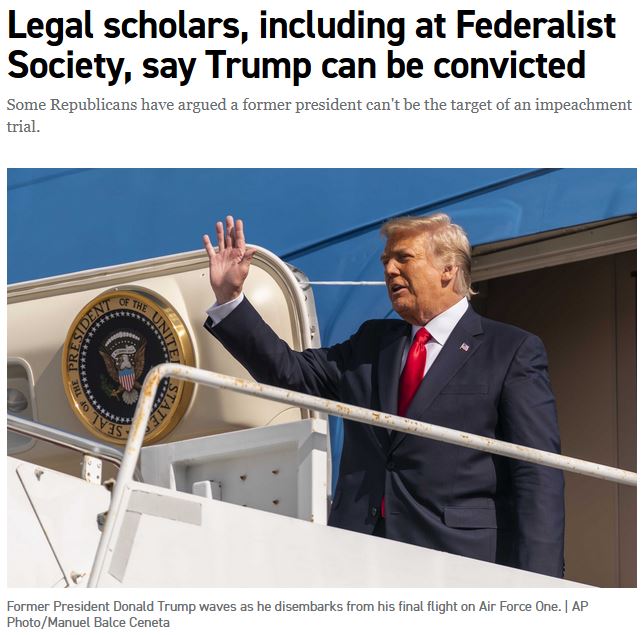
As for the fact finding mission… I wonder! Given the amount of loyalty extended to Trump by Kevin McCarthy, how many years might pass before the facts will be ‘found’?
5?!? And who would be fingered for ‘starting the whole thing’?
Now, will ‘they’ find a constitutional way to set a precedent? That a guy who had so horribly – and tragically, misused the sacred notion of “freedom of expression” has no place in such a powerful position? Or, by failing to do so – for whatever reasons, will ‘they’ leave open the ‘opportunity’ for an even more callous ‘political animal’ to climb into the Oval Office?
Being an engineer, I’m gonna present you with a more straight-forward version than the philosophical one.
For something to be real, it has to have consequences.
‘But…?!?’
No buts! The only thing which classifies something as being real or not is our consciousness. Without it, without our consciousness, the something we’re talking about now – reality itself, would cease to be ‘real’. Without us pondering about it, ‘reality’ would continue to exist, of course! Only it would no longer bear a name… Without us being concerned enough about it, it would ‘disappear’ from our ‘radar’.
‘Yes, but … you just said that something becomes real as soon as it has consequences! We encounter ‘real’ things in each and every moment of our existence. We need air to breathe, water to drink… food to eat. And a solid earth to walk on…’
True enough. Only for all these things to become ‘real’, we first need to notice them!
See how ironic things are? In retrospect, electrons are real. Despite the fact that none of us can actually see them. Or otherwise ‘feel’ them. In any way, shape or form! But until we had gathered enough evidence about their existence…
And now, that our discussion has reached this subject – evidence, I feel the need to mention the fact that Earth is not yet round ‘enough’. That there still are some people actually believing in the notion of the Flat Earth.
‘Are you implying that the Earth might be Flat?!?’
Excellent question, thank you very much! (If I may say something like that myself. Please excuse my boastfulness!)
You see, we are dealing here with two things. Two very different things.
The roundness of the Earth. Which seems to be real. The ‘Flat Earth’. Which is certainly real.
The roundness of the Earth belongs to the realm of science. Which is ‘wrong by definition‘. At least according to Popper… In the sense that the Earth will continue to remain round only till somebody will prove it to be different. Which had happened already… In ‘reality’, the Earth resembles a potato more than anything else! On the famous ‘other side’, the ‘Flat Earth Theory’ belongs to the realm of belief. Which is also real. Not in the ‘direct’ sense – a concept which describes a real ‘reality’, only in the sense that it has certain consequences.
‘The Flat Earth has consequences?!? You admit that the concept – ‘the Flat Earth’, describes something which doesn’t exist yet you pretend that it has consequences?’
Yep!
Can you deny the reality of this whole thing? Six hundred and twenty million hits? In less than point 8 seconds? Can you pretend these are not ‘real consequences’? Can you imagine, for instance, how much energy is spent only to preserve this amount of raw information in the ‘cloud’. How much ‘space’? How much bandwidth is used to transport this ‘fake-ness’ across the ‘globe’!
‘And where does this whole thing lead us? What about the Flat Earth? Is it still a fake?’
Yeah. I’m actually tempted to say ‘obviously’! On the other hand… it’s hard to deny how ‘real’ the whole thing is…
Imagine an ‘outside observer’. From, say, Sirius. Who had just arrived. Didn’t have enough time to become familiar with what’s going on here.
Thailand. Ballots had been cast in November. A party had lost. And pretends, without proof, that the elections had been rigged.
“In his first public comments after the coup, Gen Hlaing sought to justify the takeover, saying the military was on the side of the people and would form a “true and disciplined democracy”.” GETTY IMAGES
When the parliament was about to be convened, and the electoral results formally confirmed, the backers of the loosing party – which had happened to be the army, declared martial law and annulled the electoral results. The leading general announced in public that the measure had been adopted in pursuit of a ‘real and disciplined democracy’.
The US. Ballots had been cast in November. The looser pretended, without proof, that the elections had been rigged.
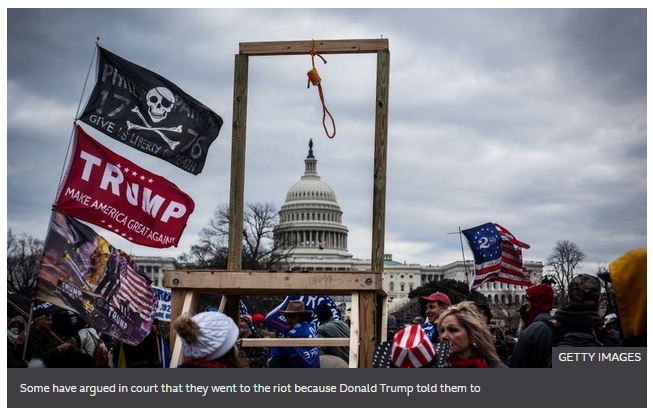
When the parliament was convened to certify the results, a mob had stormed the House of the Parliament, at the bidding of the loosing President. Order was finally restored and the dully elected President installed into office.
What would the ‘outside observer’ think about our planet? About us…
What if their job is to asses whether we should be allowed to roam the Galaxy? To be entrusted with some very powerful technological ‘secrets’. Which would help us solve some of our very stringent problems. Feel free to name a few…
Unii spun că educația se face acasă. Și că ce se întâmplă în școală este doar ‘instrucție’. Adică primești informații de natură ‘tehnică’. Și că esti ‘dresat’ în ale coportamentului public dacă n-ai fost educat suficient acasă. Alții spun că educația începe acasă și este continuată tot timpul vieții. Inclusiv la școală. De fapt, nu e mare diferență între cele doua opinii. Poate doar de nuanțe și de folosirea unor termeni diferiți.
Eu as pune problema ușor altfel. ‘Ce’ și, mai ales, de la ‘cine’ să învețe copiii noștri? Ca să nu mai vorbesc despre ‘când’… Părinții sunt mai tot timpul la slujbă. Când vin acasă spun că au fost la scârbici. Și vorbesc tot timpul despre bani. Care fie nu ajung, fie au fost agonisiți într-un mod cel putin dubios. Și apoi, pentru a se ‘recompensa’, fac copiilor toate ‘poftele’… Profesorii sunt nu doar prost plătiți ci si prost vorbiți. Membrii corpului didactic din Romania se bucură de mult mai puțin prestigiu față de cei care profesează în țările în care educația are rezultate cu adevărat bune. Să fie din cauza ‘statului’? Să fie din cauză că foarte mulți profesori dau meditații… inclusiv elevilor din clasele la care predau ei…
Se vorbește foarte mult despre responsabilitatea individuală. Și de unde sa învețe copiii noștri despre așa ceva? De la noi? Care tot vorbim despre ce-a mai facut șeful, vecinul, prietenul … și nu l-a prins nimeni, niciodată? De la televizor? De unde află de tot felul de interlopi care se plimbă în ‘mașini de lux’? Și despre tot felul de figuri publice care fac naveta la pușcărie dar rămân cu averile intacte?
Ar trebui să ne uităm mai întâi în oglindă. Și abia după aceea să cautăm explicații în afară. Iar asta e valabil la toate nivelurile. De la individ la familie. De la familie la comunitate. Până la națiune.
Și, că tot veni vorba, recomand cu căldură “Cultural Dementia” de David Andress. No-i fie eu de acord cu tot ce spune el acolo… dar fenomenul în sine este cât se poate de real!
One of those books which function as a magnifying mirror. The older you get – and the more mistakes you’ve made, the less you like of what you see when facing it.
Am ‘făcut ochi’ la bloc. Undeva la începutul anilor 60, undeva aproape de mijlocul Bucureștiului.
Trai, neneacă! Cald în casă, apa la robinet, alimentarele gemeau de ‘haleală’ – ca să folosesc un termen folosit în cartierul unde se întâmplau toate astea. Adică undeva dincolo de fosta Cuțaridă. Vis-a-vis față de calea ferată, adică spre vest, față de locul în care au viețuit, odată, personajele din Groapa lui Eugen Barbu. Unde, cel puțin ‘în fața blocului’, străzile erau asfaltate. Și pe unde trecea tramvaiul… Tramvaiul electric, să nu încurcăm lucrurile!
În Giuleștiul în care am crescut eu, la bloc, apa curgea la robinet. Cea rece era bună de băut. Iar cea caldă – da, aveam așa ceva încă de la începutul anilor 60, era numai bună pentru făcut baie.
După ce am ‘făcut ochi’, am început să umblu prin lume. Și să văd chestii.
Am început cu ‘drumețiile’ prin Nordul Moldovei. Locul unde bunica mea maternă încă mai avea o cameră închiriată la cineva în casă. În Fălticeni. Acolo unde stătea și unul dintre frații ei. La început tot în chirie, într-o altă casă. Foarte repede, s-a mutat la bloc. Într-o garsonieră. Era ‘holtei’. Așa a și rămas. Un alt unchi locuia în Gura Humorului. La bloc, cu familia. Mai tărziu, tot cu bunica, am fost la Vatra Dornei. La băi. Cu ‘cazarea la particulari’. Adică prin casele oamenilor. ‘Băile’ – amenajările balneare și ‘cantina’ amenajată în fostul Cazinou, rămăseseră cele de pe vremea lui ‘Pazvante’. Noua orânduire le deschisese publicului larg dar nu apucase încă să construiască și suficiente locuri de cazare pentru câți oameni ai muncii voiau să-și trateze oasele. Așa că, pentru o perioadă, vilegiaturiștii și-au frecat coatele, la propriu, cu localnicii. În locuințele acestora. Care dintre aceștia vroiau să câștige ‘un ban în plus’, făceau un contract cu administrația stațiunii și primeau ‘turiști în gazdă’. Tot în copilăria precoce, mai ales în vacanțe dar și la sfârșit de săptămână, mai dormeam la cealaltă bunică. Undeva în Colentina, foarte aproape de Obor. Adică tot în București. Și poate chiar mai aproape de centru decât Giuleștiul ‘copilăriei mele’.
Copil fiind, nu-ți pui prea multe întrebări. Existențiale! Întrebi ‘de ce?’ și apoi, de cele mai multe ori, iei lucrurile așa cum sunt.
Abia după aia, mult dupa aia – și dacă mai apuci, adică dacă mai ai chef – începi să te întrebi:
Cum dracului?!?
Nu țin minte – fac 60 de ani acuși, nu cred că m-am ramolit încă, să fi fost ‘oripilat’.
Casa unde mă ducea bunică-mea, la Fălticeni, avea WC-ul în curte. Tot așa era situația și la bunica cealaltă, în Colentina. La Vatra Dornei, în schimb, baia era în casă. În apartament, de fapt. Era vorba despre un ‘blocușor’ de două etaje, construit de CFR pentru angajați. Veți spune că, la vârsta aia, eram obișnuit cu olița. Și că nu mă interesa pe mine unde o goleau adulții… Dar mai târziu?!? Am fost la Vatra Dornei, la aceiași gazdă, vreo 7 ani la rând. În casa din Colentina, WC-ul a fost adus înăutru când eu trecusem bine de 10 ani… OK… Hai să vă povestesc altceva. La Vatra Dornei apa curgea la robinet. La robinetul din casă. La robinetele din casă, evident. La Falticeni, precum și în Colentina, ‘robinetul’ era în curte. Adică cișmeaua… Incă o chestie și trec, cu adevărat, la subiect. În Giulești aveam apă caldă ‘la dispoziție’. Când aveai chef să te speli, învârteai robinetul și gata. Iar dacă nu erai atent… te cam opăreai. La Vatra Dornei – vă readuc aminte că era o clădire construită special pentru oamenii muncii, trebuia să faci focul înainte de a face baie. Sau să încălzești apă pe aragaz…. La Fălticeni – și în Colentina, situația era și mai ‘complexă’. La Vatra Dornei făceai focul într-o instalație anume – ccare se chema „boiler”, și după aceea lucrurile decurgeau ‘firesc’ – chiar dacă trebuia să te miști mai repede, că mai erau și alții la coadă. Te urcai în cadă, dădeai drumul la robinet și… te spălai. La Fălticeni – până s-a mutat și unchiul la bloc, precum și în Colentina – până când s-a mutat bunica de-acolo, spălatul implica, pe langă aragaz, și un mare lighean. Pus în curte sau, iarna, în mijlocul bucatăriei. Atunci când era vorba de mine. Bunica se spăla în casă, în tot timpul anului. Atunci când nu venea să facă baie la noi…
V-a plăcut introducerea?
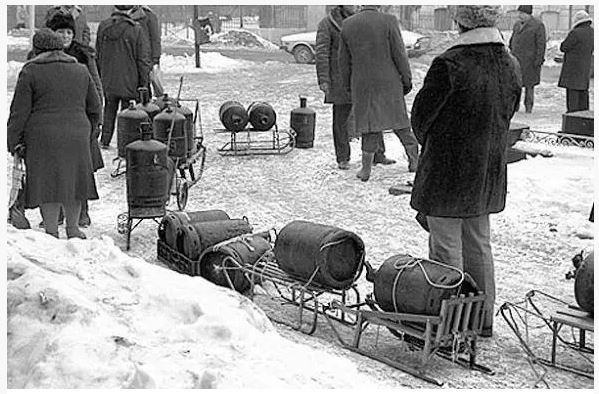
Mai țineți mintea poza de sub titlu? Aia cu mulți oameni adunați în jurul unei mulțimi de butelii? Butelii de aragaz?
Nu prea știți ce-s alea? Da’ aragaz aveți? Din ala cu gaz? Adică cu flacără? Iar gazul vine pe țeavă?
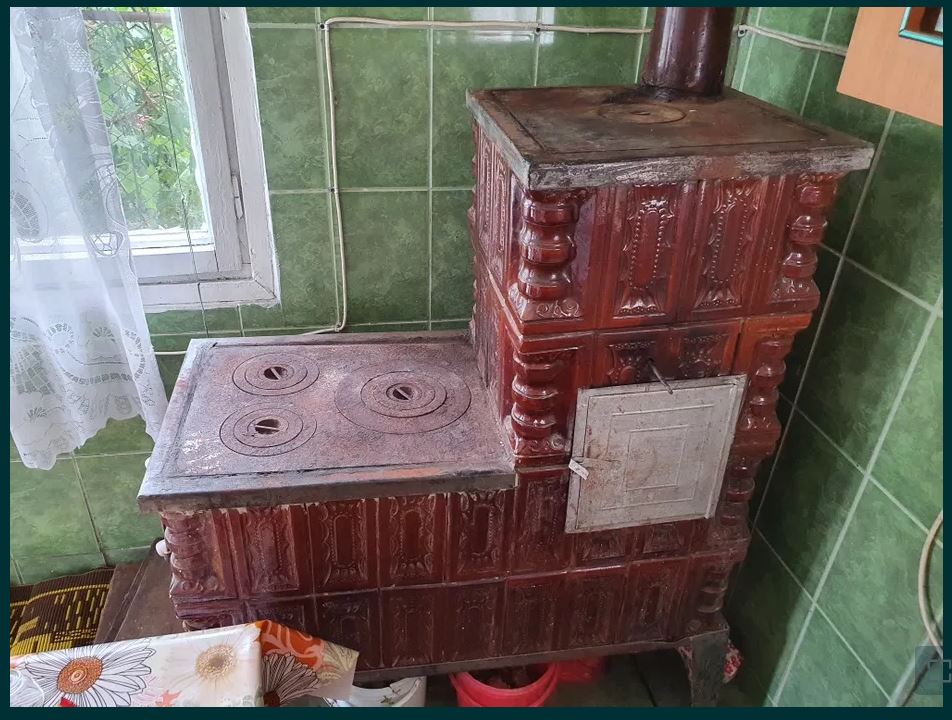
Ei bine, la Fălticeni am văzut, pentru prima oară, o ‘mașină de gătit cu lemne’.
Nu, nu! Nu d-asta! Din astalaltă, de jos.
Cam așa ceva dar fără faianță de jur imprejur.
Am făcut toată introducerea asta pentru că am uitat deja cât de ‘complexă’ e viața pe care am trăit-o. Atât eu, ca individ, cât și noi. Noi toți. Și, mai ales, cât de complicată continuă să fie. Cât de ‘diversă’….
Am văzut, pe FB, fotografia cu care am început. Primul lucru care mi-a trecut prin cap a fost ‘Ia să share eu chestia asta și să întreb: „Băi nostalgicilor, mai țineți minte cum stăteam la coadă la butelii?”’
Cred că e momentul să fac o paranteză. Undeva prin ’77, ’78, adică exact în momentul în care devenisem suficient de mare încât să nu mai vin acasă la oră fixă, a început să se ‘rupă filmul’. Ce m-a deranjat cel mai tare pe mine, atunci, a fost că se oprea apa caldă. Că noaptea, după ora 10, apa caldă devenea rece. Sau nu mai curgea deloc… Nu mai țin minte exact. Cred, totuși, că se răcea treptat.
‘Și ce te plângi, mă? La voi, în București, nu aveați apă caldă peste noapte. Dar în restul zilei, până târziu – adică până când a început să se oprească ‘aleatoriu’, ați avut apă caldă tot restul zilei. Ai uitat că la Bacău, de exemplu – adică la un alt unchi de-al tău, curgea apă caldă doar de două ori pe săptămână? De la începutul anilor ’80, când făcuseră prea multe blocuri față de capacitatea sistemului de termoficare, până în 2000 și ceva când unchiul și-a pus centrală de apartament? Adică atunci când ‘noua orânduire’ a ‘tras gaze’?’
‘Ai uitat că faza cu apa caldă a fost doar începutul? Că apoi, încet încet, a dispărut și ‘haleala’ din magazine? Căldura din casă? Curentul de la priză? Că trebuia să stai cu orele la coadă pentru orice? Inclusiv pentru iubitele tale butelii?’
Cum să uit?!? Chiar despre asta era vorba…
Despre buteliile alea de care a trebuit să scape unchiul de la Bacău înainte de a putea să-și pună centrală de apartament. Chestie care s-a întâmplat abia multă vreme după ‘revoluție’…
Ale dracului butelii… parcă toată lumea asta se învărte în jurul lor!
Dacă tot ne-am întors la ele, la butelii, ia să ne mai uităm odată la poză. La prima poză din postarea asta. Vi se pare că oamenii aia sunt supărați? Că sunt nervoși? Că așteaptă de prea multa vreme să vină ‘mașina cu butelii’? Sau, mai degrabă, ne uităm la niște oameni ușor amuzați? Adunați de un fotograf ‘de la oraș’ care fusese trimis să imortalizeze satisfacția cu care este întâmpinată mașina care aducea buteliile pline în colțul acela ‘uitat de lume’…
Fenomenul este cât se poate de normal. Memoria noastră tinde să fie focusată mai degrabă pe evenimentele recente. Și mai degrabă pe ce ni s-a întâmplat nouă… Pe cum am văzut noi lucrurile la momentul în care au avut ele loc!
Pentru unii dintre cei care nu mai trebuiau să spargă un braț de lemne pentru a-si fierbe o ciorbă, faptul că trebuiau să stea la coadă – odată la două, trei săptămâni, era floare la ureche. Câteva ore de coadă, pe lună, față de căruțe întregi de lemne care trebuiau sparte, stivuite, cărate în casă, aprinse… și apoi cărate din nou afară, sub formă de cenușă…
Pentru alții, nu. Pentru cei care apucaseră să se obișnuiască cu binele, întoarcerea la unele dintre lucrurile care păruseră firești până nu demult a fost un adevărat duș rece.
Pe vremea aia, adică la sfărșitul anilor ’70, maică-mea era secretară BOB. Adică ‘secretară a biroului organizației de bază’ Cu alte cuvinte, era secretară de partid. Avea cea mai mare funcție ‘politică’ pe care o putea ocupa un ‘civil’. Orice funcție superioară împlica trecerea în alt statut. Deveneai „activist”… dar asta e altă discuție… Cum au devenisem ‘autonom’, mai veneam seara acasă și după ce se oprea apa caldă. Învățat fiind să fac duș înainte de culcare, chestia asta mi s-a părut de-a dreptul frustrantă.
Maică-mea, pe de altă parte, era fericită. În afară de faptul că încercam, câteodată, să vin suficient de devreme, gheșeftul ei cel mare era că nu mai făceam duș la miezul nopții. Avea somnul ușor și se trezea de fiecare dată…
Țin minte că, odată, am avut următoarea discuție: – Când au hotărât măsura asta cu opritul apei calde, ‘colegii’ tăi din comitetul central nu s-au gândit la oamenii muncii? La cei care ies din schimbul doi? Și care ajung acasă după ora la care se oprește apa caldă? – Bravo ție că te gândești și la alții. Dar fii atent și la chestia asta. Câți dintre cei despre care vorbeai crezi tu că erau obișnuiți să facă duș în fiecare seară? Și știi că cei care ies din schimb cu adevărat murdari – turnătorii, de exemplu, au dușuri la vestiar? Unde chiar nu se oprește apa caldă?
‘Turnătorii’… Au trecut mai bine de 40 de ani de la discuția asta. Maică-mea nu mai e, meseria de turnător aproape că a dispărut din Romania, în schimbul doi mai lucrează doar angajații din mall-uri – că aproape toate fabricile cu ‘foc continuu’ s-au mutat în China…
Și acum ne chinuim cu pandemia asta … Dar încă n-am învățat să luăm în considerare și cealaltă alternativă!
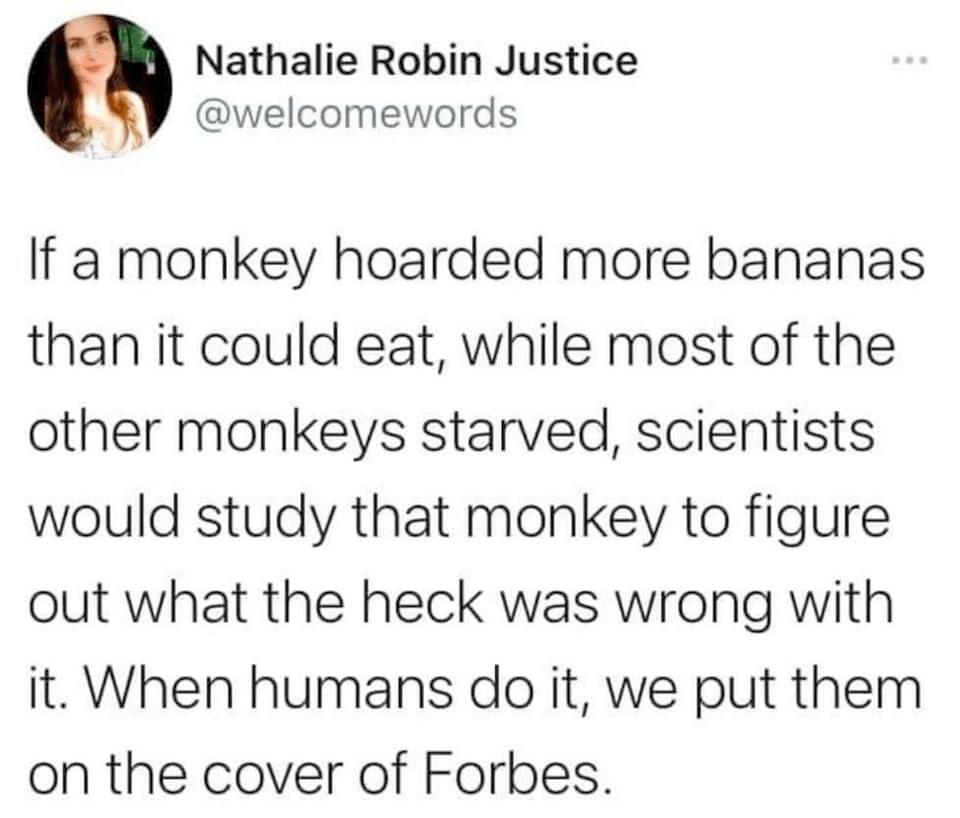
Well… Money doesn’t get spoiled as easily as bananas do…
On further consideration, money can be understood as a tool with many uses. Hoarding, for instance. Bananas, among other things …
And, as with all other tools, the responsibility for its use falls squarely on the user, not on on the tool itself. Tinkering with the tool won’t change that, ever.
My point being that monkeys would also hoard bananas if bananas were hoard-able. There’s nothing wrong with that. For as long as the hoard is meant to feed the hoarder till the next crop, of course.
Hoarding is bad only when done for its own sake.
And this is something for philosophers to study, not for scientists. The teachings of the Chicago School of Economics had been very scientific yet following them was what brought us where we are now. Into a very uncomfortable cul-de-sac…
Blindly following them… mislead precisely because of their scientific nature!
Tocmai mi-a venit o idee. Să aduc în actualitate câteva dintre proverbele care ne jalonează gândirea. Stați pe-aici. S-ar putea să vă râdeți… Sau să vă luați cu mâinile de cap!
O mână spală pe alta. Și amândouă îngroașă obrazul…
Vă dați seama câte mâini s-au spălat una pe alta până a fost pusă la cale ‘pățania’ asta? Și câți vor incerca să se spele pe mâini de toata tărășenia? Ca să nu li se observe întreaga grosime-a obrazului?




 nicichiarasa