There’s no other meaning but that attached by men to the stories they had spun themselves. For their own use.
Children are afraid of the dark. Not of ‘darkness’ but of ‘the dark’. Children, not babies! All babies let us know when they wake up. For the simple reason that they wake up to eat. Or to have their diapers changed. With small children – babies who had developed a certain level of self awareness – things are a little more complicated. They need more than simple sustenance. They need to learn. Their budding consciences needs to fit themselves into the world. Play being the first step. But play is impossible ‘in the dark’. Specially when previous experiences, hastened by ‘well meant warnings from well wishing adults’, suggest that ‘the dark’ is full of ‘hidden’ dangers.
In fact, it’s actually fascinating to observe how self awareness transforms darkness into the dark. Sheep – who are hunted during the night by various predators – don’t go into depression at sunset. OK, sheep are never alone and their senses – other than vision – are far sharper than ours. But I’m sure you understand what I’m driving at. While the rest of the animals do not have problems related to darkness, we – humans – are not comfortable in ‘the dark’. To the tune of developing various forms of phobia. From claustrophobia to agoraphobia. Simply because conscience – our ability to observe ourselves experiencing life – realizes it can observe/control less when in ‘the dark’. When its ability to see/influence what’s going on is reduced.
The point being that it’s our consciousness which makes the difference between darkness – lack of light – and ‘the dark’. That place/situation in which the conscious agents who cannot see/intervene experience their impotence. And call it for what it is. ‘The dark’.
Yes, you who have enough spare time to read things like these and are open minded enough to continue. Who don’t worry too much about what you’re going to eat tomorrow and who would like to figure out what life’s about. What’s the meaning of all this which is going on around you.
You who have just figured out you’re different from the rest of the animals. That you’re able to think. And that you’ll never make it alone.
That no matter how smart you are, you’ll never be able to pull it on your own. That no matter how strong you are, now, you’ll always need to be helped by your brethren.
E plin orașul de reclame care te invită să-ți montezi panouri fotovoltaice pe casă. În condiții foarte avantajoase. Tu dai vreo 2000 de lei, programul european plătește restul până la 3.5 kw iar firma care montează pune și ea 1,5 kw.
Mai sunt și alții, care oferă aceleași condiții.
Durează ceva dar după ce termini… ți-a pus dumnezeu mâna în cap! Nu mai plătești curentul în viața ta… O instalație de 5kw produce într-un an între 3,5 și 5,5 Mwh, in funcție de orientarea panourilor. Adică ai de consumat minim 300 kwh pe lună.
Asta până îți vine prima factură…. Și constați că trebuie să plătești TVA pentru curentul produs de tine și depozitat în rețea!
Lucrurile merg cam așa. Panourile produc curent atunci când bate lumina pe ele. Adică ziua. Iar dacă bate soarele, produc mult mai mult decât poate consuma o gospodărie normală. Ceea ce e OK. Curentul produs în plus este injectat în rețea – că d-aia se cheamă că ești prosumator – și recuperat noaptea, iarna și în zilele când nu bate soarele. Curentul injectat în rețea este vândut de distribuitor ‘la botul calului’, adică vecinilor tăi. Fără nici un fel de cost, pe moment, pentru distribuitorul de curent. Fără cheltuieli de transport, practic fără pierderi… Asta din punct de vedere tehnic.
Din punct de vedere comercial… se schimba lucrurile. Practica actuală este ca distribuitorul să-ți trimită o factură din care rezultă că tu, prosumator, trebuie să plătești TVA pentru curentul pe care îl iei din rețea. Curent pe care tot tu l-ai impins mai devreme acolo! Bine, în factura aia mai apar niște chestii dar…
Hai să o luăm altfel. Legislația prevede că atunci când are loc un ‘schimb de proprietate’ între o firmă plătitoare de TVA și un client al său, firma facturează și clientul achită o taxă pe valoarea adaugată. Același lucru este valabil și în situația în care ‘schimbul de proprietate’ apare sub forma unei prestări de servicii. Adică indiferent dacă firma îți montează un geam sau doar ți-l spală, tu ai de plătit un TVA. Singura diferență între cele două situații fiind aceea că dacă doar îți spală geamul, tu nu plătești TVA și pe valoarea geamului în sine. Tot așa, atunci când duci o haină la curățat, plătești TVA doar pe valoarea serviciului prestat, nu și pe valoarea hainei. În situația asta, când e vorba despre o marfă greu de depozitat, lucrurile sunt ușor diferite dar doar din punct de vedere tehnic. Pentru distribuitorul de curent ar fi foarte greu să țină undeva curentul produs de tine până când vei avea nevoie de el. Și nici n-are rost să facă așa ceva. Așa că pur și simplu îl vinde. Îl vinde vecinilor tăi. Care oricum cumpărau curent. Care nu-și pun panouri pentru că au acoperișul orientat spre nord. Sau din cine știe ce alte motive. După care, atunci cănd tu nu mai produci curent, tot distribuitorul îți dă înapoi cât curent ai nevoie din cantitatea deja vândută. Sau mai mult… Iar dacă după doi ani de zile nu ai reușit să consumi tot curentul produs de tine – și vândut de mult de către distribuitor – atunci mai ai ceva de luat. În tot acest du-te vino nu apare nici un schimb de proprietate. Curentul rămâne tot timpul al tău, distribuitorul doar îl plimbă de colo-colo. Tot ce face distribuitorul este să presteze un serviciu. Preia curentul, îl vinde, îl cumpără înapoi de la altcineva, și ți-l pune la dispoziție când/dacă ai nevoie de el.
Bineînțeles că lucrurile nu sunt simple. Atât din punct de vedere tehnic cât și din punct de vedere economic și contabil. N-am să vă plictisesc cu considerente tehnice. Voi constata doar că piața nu este încă pregătită pentru toată daravera asta. Dar asta e. Nimeni nu se naște pregătit pentru nimic și lucrurile nu sunt foarte complicate. Dar ce ne facem cu zona economică și contabilă? Statul are nevoie de TVA. Distribuitorul are nevoie să factureze cuiva TVA-ul cu care s-a încărcat atunci când a cumpărat curentul pe care îl distribuie. Inclusiv curentul pe care îl cumpără ca să-ți dea ție înapoi curentul pe care l-ai împins în rețea atunci când bătea soarele… Păi tocmai ce vorbirăm. Curentul impins de prosumator în rețea este vândut/consumat/facturat instantaneu în imediata apropiere a prosumatorului.
Sunt prea mulți prosumatori într-o anumită zonă? Și prea puțini consumatori pasivi? Păi cine l-a obligat pe distribuitorul de curent să mai încheie contracte de prosumator? Cine nu-l lasă pe distribuitor să modernizeze posturile de transformare în așa fel încât să poată injecta energie în nivelul superior al rețelei electrice? Trebuie să investească niște bani?
Și uite-așa am ajuns la miezul problemei. Care e diferența între un parc fotovoltaic care acoperă două dealuri undeva la țară și aceiași putere instalată în mijlocul unui oraș. Prețul negociat pentru curent, condițiile de livrare și câteva amanunte.
Prețul primit de un investitor in panouri FV e mult mai mic decât cel pe care distribuitorul a fost obligat de catre reglementator să-l ia în calcul atunci când face regularizările cu prosumatorul. Acest lucru are câteva explicații. Curentul produs într-un parc FV trebuie transportat, transformat și apoi distribuit. Toate aceste procese implică costuri și pierderi. Curentul produs de prosumatori este deja la tensiunea potrivită pentru consum și a fost produs în imediata apropiere a locului de consum. Curentul produs de prosumatori este mai constant decât cel produs de un parc FV cu o putere instalată echivalentă. Atunci când trece un nor pe cer, efectul e mult mai puternic asupra unui parc FV – unde panourile sunt unul lângă celălalt – decât asupra unor prosumatori răspândiți pe o suprafață mult mai mare. Mai rămâne problema supra-producției. Pot să fie, într-adevăr, anumite zone în care producția de curent a prosumatorilor să fie mai mare decât cererea din momentul respectiv. Doar că acest ultim aspect poate fi rezolvat prin redimensionarea/reutilarea stațiilor de transformare.
Și atunci? De ce ești obligat tu, prosumatorule, să plătești TVA pentru o marfă produsă și consumată de tine? OK, e normal să plătești serviciul de depozitare și TVA-ul aferent. Dar atât! Și dacă citești factura pe cant, vei observa că deja faci lucrul acesta. În diverse moduri.
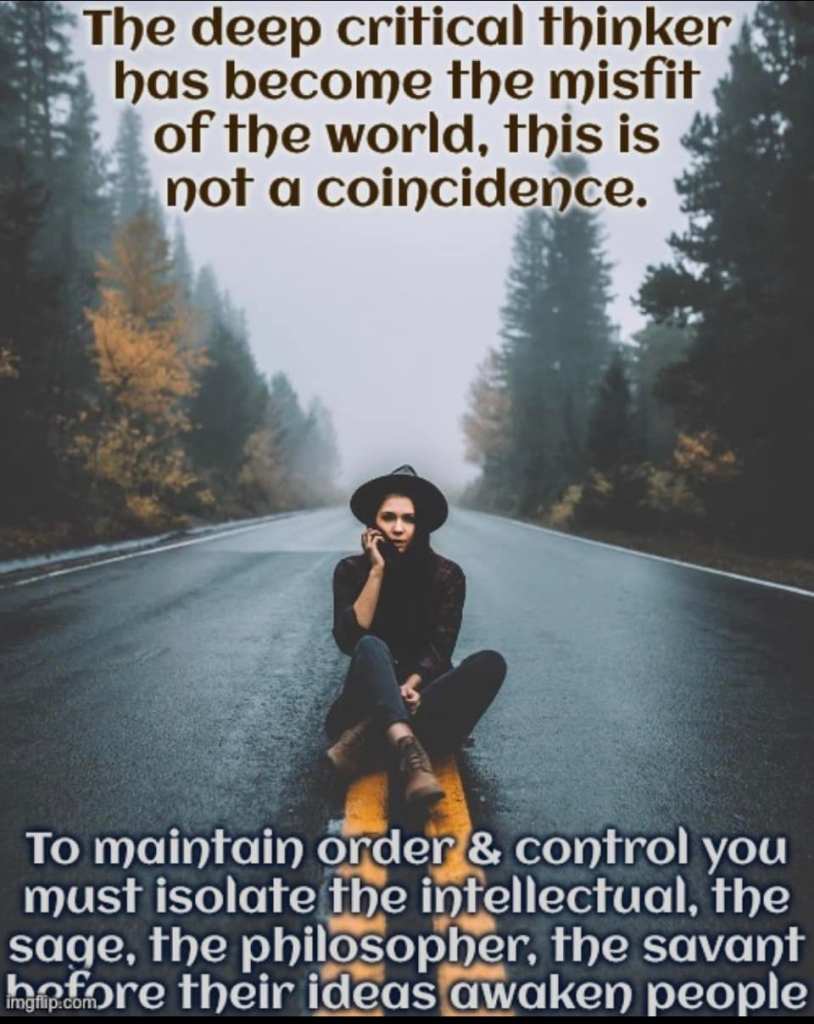
Unfortunately, it was a ‘deep critical thinker’ who had come up with this idea in the first place. That ‘if you want to control, you need to isolate the intellectual’.
A ‘plain-clothes man’ doesn’t think in these therms!
Let me rephrase the whole thing.
I am rational. Which means that all my conclusions are valid. Simply because I have reached them in a rational manner. Hence all other conclusions are wrong. For the simple reason that they are different from mine. Since they are wrong, they should not reach their audience. For they might displace my conclusions from the public mind! Which brings me to the conclusion that if I want to conserve my position – as the official thinker – I must make it so that all other intellectuals must be isolated from the public. Only I need to dress up this conclusion as if it was about the greater public good.
And this is why Protagoras of Abdera and Socrates had been banished from the forum. Why Plato maintained that before being allowed to rule the philosopher-kings had to be specially trained for the mission. Taught to keep an open mind towards alternatives! Why Marxism, Fascism and all other authoritarian lines of thinking lead those who pursue them into the same dead-end. Into abject failure…
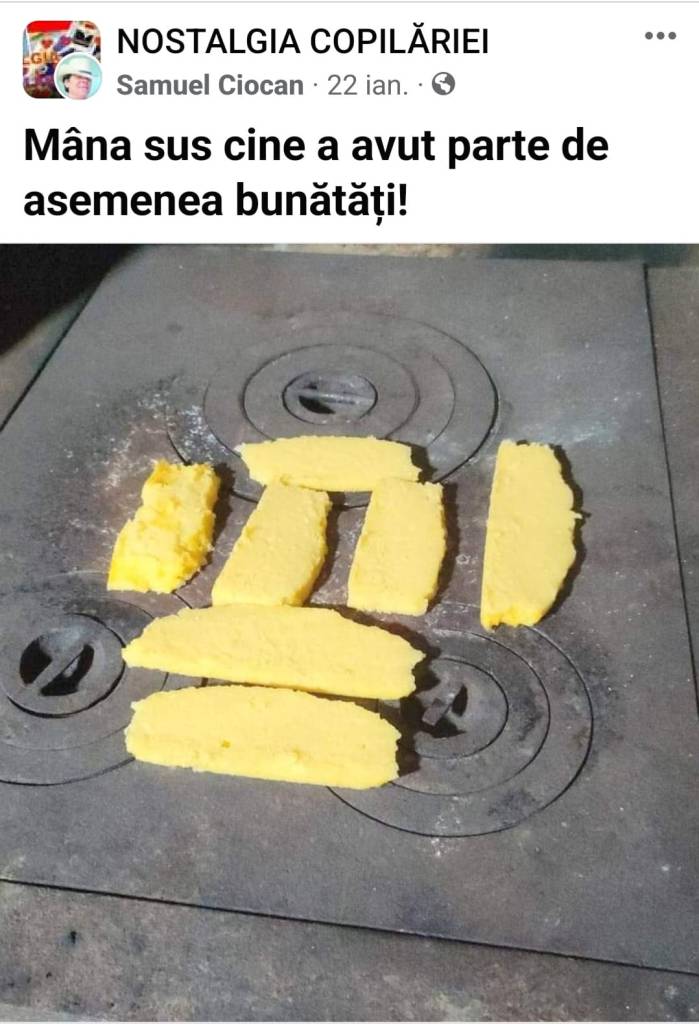
Cine a mai văzut mămăligă încălzită pe o plită rece? Și cine s-ar apuca să pună mămăligă direct pe plită înainte de a curăța bine praful depus de vreo 10 ani?
History doesn’t go anywhere. It pesters us with lessons. Until we figure out their meanings. Or until there’s no one left. No one left to be pestered! Darwin 2.0
One of the recurrent lessons history is peppered with: ‘Imperia always fail. Sooner or later, eventually all imperial social arrangements end up in abject failure. Empires as well as monopolies.’
And no, the Pharaonic empire didn’t last for 3000 years. What happened there was 30 something successive empires. Read dynasties. Whenever a dynasty lost its grip, its empire folded. Whenever a new dynasty took over, it presided over a new empire. Same thing happened in modern France. Same territory, same population, same culture, 5 republics and two empires since 1789. The fact that the last three republics have been consecutive doesn’t merge them into a single one.
Europe has been the scene of a whole host of wars. Some of them worldwide wars. Since the French Revolution, all empires which had attempted to subjugate their neighbors have failed.
Napoleon’s attempt had initiated the German ‘coming together’ and turned Russia’s attention back to Europe. Napoleon the 3rd had helped Bismark to finalize Prussia’s taking over the rest of what we currently call Germany. WWI was started by people who had no clue and put on hold by people who had no vision. Started by imperialistically thinking people who didn’t see any need to evaluate the consequences of their countries going to war and put on hold by (other) imperialistically thinking people who continued the well established tradition. Again, without any attempt to evaluate the consequences. Hence the vanquished - the only vanquished that was still standing at the end of the war, Germany – was presented with a hefty bill. And made to pay crippling war reparations. Which clumsy actions had prepared the scene for Hitler’s advent to power. WWII – or, more exactly, WWI 2.0 – was ended by far wiser decision makers. Who had chosen to integrate the vanquished rather than deepening the trenches. Although fought with ‘softer’ weapons, WWIII – also known as the Cold War – fits perfectly. It was also lost by the aggressor. Not as much won by those resisting as lost by the empire attempting to widen its grasp.
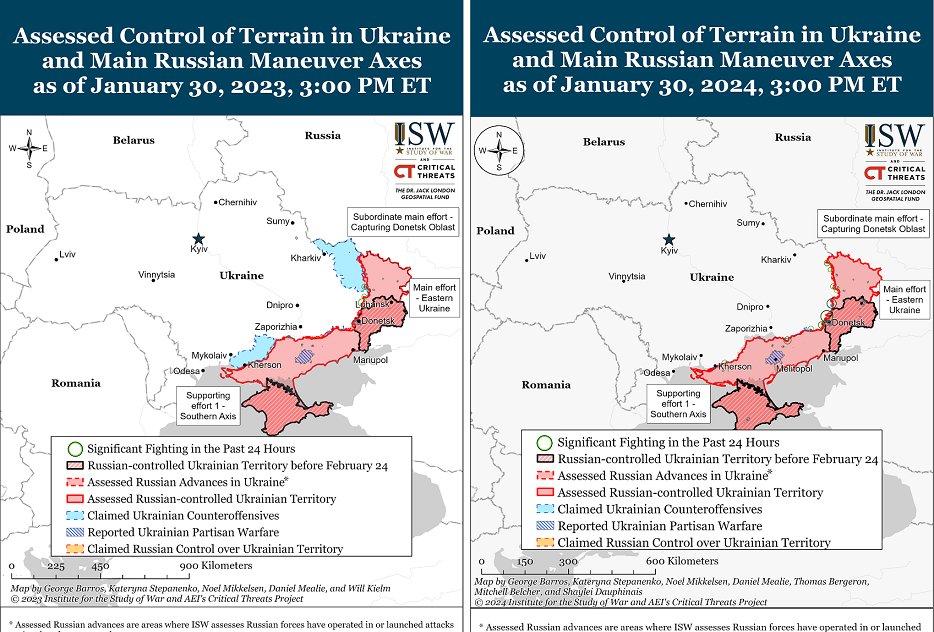
What we currently have on our hands, WWIV, is a ‘pinnacle’. Putin attempting to revive Russia’s ‘old glory’ and the reaction of the ‘free world’ are a case study. And a horrible remake. Mistakes already made since the French Revolution have been reenacted as if never happened. The aggressor failed to realize that at some point his actions will beget a reaction. That even if that reaction will be late, it will surely come about. The ‘good guys’ have forgotten – never really cared to understand? – the lessons of WWI and WWII. No real attempt to integrate post communist Russia into the democratic fold had been made. Not in an organized manner, anyway. Everybody was happy that ‘history had finally reached its end’ and Russia was left to its own devices. Even worse, it was treated as a no-man’s land. Mutatis mutandis, post-communist Russia had been treated just as South America and Africa had been treated after they had been discovered by the Europeans. Even worse, the ‘good guys’ have forgotten – or had never understood – that a bully has to be stopped early. And that the easiest way to stop a bully is to encourage his ‘sycophants’ to free themselves from his influence. And to help, in earnest, those who are bullied to overcome their plight.
Now, almost two years after the aggression organized by Putin against Ukraine has become ‘hot’, there still are people who consider Ukraine should negotiate. Should accept the inevitable. Other consider that helping Ukraine is ‘money down the drain’. That there’s no way for Ukraine to win.
The way I see this, we’re back in 1942. Nazi troops were controlling most of Europe and most of North-Africa. But the signs were already there. Russia, nor Britain, didn’t collapse under the onslaught. The nazis had been driven out from Moscow’s suburbs and Leningrad remained out of reach. From there on… Hitler kept making stupid moves. Until the Third Reich crumbled under its own weight. Helped by the Allied bombardments. And let’s not forget the huge amount of western weapons and munitions shipped by Russia’s then allies to Murmansk. Nor those hauled using the Iranian railway.
Now. Will we relearn the lessons which are readily available to us? The lessons we should have already learned? What’s keeping us? Does anybody still think Putin, or any other dictator, will ever stop? Tired of waiting? Be glad Ukraine isn’t. Be glad Ukraine isn’t tired of fighting!
What happened to our capacity to compromise? When did life become nothing but a zero sum game?
Our capacity to compromise – in the good sense of the word – has diminished when religion – the thing which keeps us together – has been split into religions.
And it completely drained out when we’ve become too confident in our ability to think things over.
We’re so confident now that our solution/decision is not only better than any other but the only one possible that we’re no longer capable of considering a compromise.
While religion taught us to respect and trust each-other, religions have split us into factions. Our intellectual arrogance has done the rest.
Ce faci tovarășe cu atâta hârtie igienică? Mă pregătesc. Pentru ce?!? Vin vremuri căcăcioase…
Ne tot întrebăm de unde ni se trage… modul în care funcționează societatea. Modul în care interacționăm între noi.
Acuma… n-o fi comunismul de vină pentru tot ce ni se întâmplă! Mai ales că au trecut 34 de ani de atunci. Doar că metehnele nu trec singure. Trebuie să scăpăm noi de ele! Curațenia nu se face singură. Nici măcar sufletul nu se curăță fără un pic de efort din partea celui în cauză.
Ascultați-l pe ‘sărbătorit’ înainte de a citi mai departe.
Nu cred ca mai înțelegea cu adevărat ce citea…
Textul ăla era mai degrabă o confesiune. Accepta faptul că cei care făceau recepțiile erau incompetenți, corupți sau amândouă laolaltă.
Dacă ar fi început cu ‘Următorii cetațeni au fost condamnați pentru abuz/neglijență în serviciu pentru că au acceptat recepționarea unor utilaje necorespunzatoare’ și apoi le atragea atenția celor nearestați încă ce urma să li se întâmple dacă mai continuau așa… era o chestie! Așa cum a citit el ce primise pe foaie…. ‘Să avem grijă să nu se mai întâmple…’
Ce fel de dictator mai era ăsta?!?
Nu cumva ne-am făcut-o cu mâna noastră? Atât atunci cât și acum?
2024 este ‘anul hotărâtor’. Alegem tot. Tot, la toate nivelurile. De sus până jos. De deciziile pe care le vom lua acum, ca nație, depinde viitorul nostru. Atât ca nație cât și ca indivizi.
‘Democrația’ începe la ‘microfon’. Înainte de a cere să fie votați, candidații expun problemele asupra cărora au de gând să se aplece și modul în care au de gând să le rezolve. Iar cei care au de gând să voteze, adică cei care își asumă responsabilitatea pentru propria soartă, ascultă. Ascultă cu atenție înainte de a alege.
Presa – adică mass media – transmite cu fidelitate tot ce încearcă părțile să-și transmită. Electoratul către candidați și candidații către electorat. Reamintesc în acest context că politicienii nu au la dispoziție un alt serviciu de informații în afară de presă. Și nici un alt megafon.
Ia să facem noi un fel de revistă a presei… Să vedem care sunt problemele presante pe care își propun să le rezolve principalii candidați. Și cum…
„Practic, PSD și PNL folosesc votul politic pe care îl aduc primarii pentru a crește șansele de a obține mai multe mandate de eurodeputați, iar Marcel Ciolacu și Nicoale Ciucă își securizează fotoliile de șefi de partide.”
Păi asta discutăm noi înainte de alegeri? Problemele lor?!? Și problemele noastre? Adică ce avem de gând să facem noi, populația, când ?!? După alegeri? La capitolul promisiuni neonorate?
Your previous actions that were done in error now have consequences. Karma.
My father has cancer. And an eye problem. The cancer is being treated in a public hospital while the eye problem is taken care of at a private facility. In the last couple of days we have visited them both.
Besides the obvious differences there’s a huge, and overpowering, ‘common ground’. The money problem.
No, not the money you have to fork out if you want to be treated in a private facility. The fact that money has been elevated to goal status.
Functionally speaking, health-care is a ‘social function’. By helping each member to remain healthy, the society – as a whole – preserves it’s overall health. It preserves it’s functionality. It’s ability to survive and to thrive. By helping my father with his medical conditions, the society makes it possible for me and my family to remain productive. Instead of taking care of him – which we can’t do properly – we can continue to do what we’re good at.
And no, the subject of this post is not ‘who should pay for health care’. There is no ‘free’ anything so everything has to be paid, one way or another. The problem is the fact that money becoming the main goal has consequences.
Instead of trying to maintain the well being of the population – in an economically sensible manner – the health industry is focused on making profit. Instead of trying to maintain the well being of the population – in an economically sensible manner – the public health system is focused on being ‘thrifty’. The consequences are similar. Overworked doctors, crowded waiting rooms, impatient personnel, long waiting hours, irritation… And no spare capacity to cover ‘mass emergencies’!
Unfortunately, things go way deeper than this.
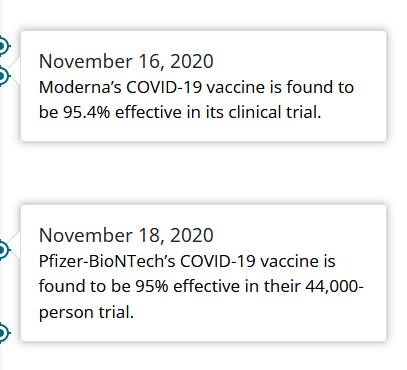
Do you remember what else ‘surfaced’ in the winter of 2020?
Put two and two together and it becomes a lot easier to understand how and why a huge number of people ended up believing that COVID-19 was a scam. A scam concocted by Big Pharma to convince us to buy their products…
In retrospect, what happened doesn’t make much sense, does it? So many people who had died because so many of us didn’t have enough trust in masks and vaccines… So many of us were convinced that we were being played! For money…
Because it had already happened!
“These consumers were getting a raw deal. They were being exposed to Mylan’s price increases and excluded from the market forces that might cushion them. They were getting ripped off. And it’s no wonder they got angry.”





 nicichiarasa