Archives for category: 1989

Protagoras din Abdera a spus că ”omul este măsura tuturor lucrurilor”.

Platon a spus că sofiștii trebuie ‘aruncați la groapa de gunoi a istoriei’.

Protagoras era sofist – ‘filozof’ plătit de ‘clienții’ săi pentru a-i învăța să gândească, fiecare dintre sofiști avea linia sa proprie de gândire iar ‘clienții’ îl alegeau pe cel care le plăcea fiecăruia dintre ei.
‘Sfârșitul’ lui Protagoras l-a anticipat pe cel al lui Socrate. Condamnat pentru ‘libertate prea mare în gândire’ a fost exilat și apoi aruncat peste bord de pe corabia care-l ducea către locul în care fusese silit să plece.

Tot Platon a spus că ‘cetatea, adică ‘polisul’, trebuie guvernat de niște oameni special educați în acest scop’.
N-ar fi mare deosebire față de ce făcea Protagoras… Care îi învăța pe oameni să gândească… Din păcate asemănarea este doar de suprafață. Fiecare sofist își adapta ‘programa’ la fiecare dintre elevi. Fiecare dintre elevi era învățat să gândească după ‘chipul și asemănarea sa’. Să măsoare lucrurile din punctul său de vedere. Punând cap la cap, în mod democratic, toate aceste puncte de vedere, Atenienii din Antichitate au reușit să construiască o întreagă civilizație.
‘Regii Preoți’ promovați de Platon erau educați toți după același șablon. Cel indicat de Platon!

Aristotel, cel mai cel dintre studenții lui Platon, a educat un astfel de Rege-Preot.
Pe Alexandru cel Mare.
Care, profitând de condițiile social-istorice produse de guvernarea ineptă a lui Darius al III-lea al Persiei, a cucerit tot ce se afla între Meditarana de Est si Indus. O mare realizare pentru istoricii europeni dar o mare nenorocire pentru populațiile respective. Pentru soldații morți din ambele tabere și pentru toți cei strămutați sau uciși în timpul luptelor. Militari sau locuitori ai orașelor asediate.
O mare nenorocire și pentru Alexandru însuși. Căruia succesul i se urcase la cap și care nu mai accepta sfaturi de la nimeni. Care și-a ucis tovarășii cu care începuse campania și care a murit din cauza băuturii.

Marx, un alt mare gânditor al omenirii, a decretat că „treaba filozofilor este să schimbe lumea”. Că degeaba vii cu explicații dacă nu-ți pui convingerile în practică.
Așa că a scris „Manifestul partidului comunist”. Un foarte bun ‘ghid practic despre cum să organizezi o dictatură’.
În condițiile pe care le sesizase Marx în Anglia. Țara care îi acordase ‘azil’. Țara care, în virtutea dreptului la opinie, l-a lăsat să-și pritocească ideile și apoi să le pună pe hârtie.

Am să fac o pauză și am să vă invit să citiți un text scris mult mai profesionist decât sunt eu în stare.

„Remake – 1 Mai: semnificația unei lupte. Drepturile pentru care trebuie să lupți și pe care să nu le consideri niciodată câștigate definitiv
Dacă citiţi literatura mare a secolului XIX, mai ales literatura engleză, rusă şi franceză, observaţi o chestiune care şochează azi: păturile cele mai sărace, adică peste 90% a populaţiei, muncesc cel mai mult şi trăiesc cel mai sărac. Muncesc cot la cot: tată, mamă, copil de 8 ani pe glie sau în fabrică câte 16 ore pe zi. Nu exagerez.
Şi rezultatul: sărăcie lucie. Ideea de drepturi sociale, politice şi economice nu exista.
Când muncitorii englezi au început primele lor proteste nu au cerut acces la educaţie şi sănătate, la odihnă şi viaţă decentă. Ar fi fost linşaţi. Ştiţi ce au cerut? Au cerut ca ai lor copii minori să meargă la şcoală? Parlamentarii britanici ar fi fost şocaţi. Nu. Ei au cerut mai puţine ore de muncă pentru copiii lor fragili, deoarece aceștia mureau pe capete în fabrici şi uzine. Cerinţele lor au fost foarte greu auzite după ce s-a scurs multă sudoare şi mult sânge.

Textul, scris pe 1 Mai 2020 de Vasile Ernu, este mult mai lung. Am furat doar această porțiune pentru că mi se pare suficientă. Că descrie suficient de bine situația din Anglia respectivei epoci.

Ei bine, ‘ghidul’ lui Marx nu a fost, încă?!?, ‘utilizat’ în Anglia. Nici prin vreo altă țară dintre cele ‘avansate’ din punct de vedere economic ȘI SOCIAL. Aici au fost inventate tot felul de remedii pentru ‘disfuncționalitățile’ sesizate de „marea literatură a secolului XIX” astfel încât tensiunile sociale au fost ținute sub control.
Dar omenirea nu a scăpat totuși de experimentul comunist…

Precum Alexandru cel Mare înaintea lui, Lenin – cel mai bun elev al lui Marx, chiar dacă cei doi nu s-au întâlnit niciodată, a profitat de consecințele create de un război idiot și de guvernarea cretină a unui întreg șirag de țari și a instaurat Uniunea Sovietică. Uniunea Republicilor Sovietice Socialiste. Comunismul.

Precum imperiul lui Alexandru, și cel al lui Lenin s-a prăbușit destul de repede.
Nu destul de repede pentru cei care au suferit consecințele guvernării sovietice.
Nu destul de repede pentru cei care au suferit consecințele încercărilor dictatorilor sovietici de a-și extinde influența.
‘Destul de repede’ doar la scara istoriei!

Revenind la spusele lui Marx: ‘Ce rost mai are să gândești dacă nu-ți pui concluziile în practică?’ mă întreb când vom scăpa de blestemul Cassandrei?
Știind foarte bine ce se va întampla, când vom înțelege că nici de data asta nu ne vom arăta a fi mai deștepți decât precedenții noștrii?
Că ‘garbage in, garbage out’ e valabil și la scara istoriei?

Ce mi-a venit?
Tocmai am terminat de citit

Acum vreo lună, umbla pe net o listă lungă de citate – compilată tot de un ‘intelectual’, care demonstrau ce părere ‘bună’ au avut, de-a lungul istoriei, un șir lung de intelectuali ruși despre propriul popor.

”Nație ce cutreieră prin Europa și caută ce să mai distrugă, să facă praf, pur si simplu, totul. Din batjocură”

Atribuit – de către „scriitorul român, Orlando Baraș”, lui Dostoievski. E un pomelnic întreg, am să mă opresc aici.
Este cât se poate de posibil ca în vasta literatură scrisă de Dostoievski să existe și această înșiruire de cuvinte. Nu mă bag, nu am citit nimic de respectivul. Tot ce știu este că fără context, un citat nu înseamnă prea multe. Și mai știu ce răspunde Google atunci când îl intrebi

Înainte de toate, să fim ruşi. A deveni rus înseamnă să încetezi să mai dispreţuieşti poporul tău. Îndată ce europeanul va vedea că am început să iubim poporul şi naţiunea noastră, va începe şi el să ne stimeze; atunci nu ne va mai întoarce spatele cu dispreţ şi vom fi ascultaţi. Vom face, cu toţii, o altă figură. Deveniţi noi înşine, vom avea o figură umană şi nu o fizionomie de paiată.

Hopa!
Cu alte cuvinte, părerea lui Dostoievski despre poporul în sânul căruia s-a născut este cel puțin nuanțată.
Negativă, conform citatului atribuit lui de către Orlando Baraș și bună – pe alocuri frizând auto-adulația, conform listei compilate de colaboratorii români ai site-ului subiecte.citatepedeia.ro.

Și atunci?
De ce s-ar lansa „elita lui Putin” într-o campanie de dezinformare a poporului rus? De îndoctrinare? Doar pentru că au fost plătiți pentru a face acest lucru? Adică mituiți?
Nu înțeleg acești ‘intelectuali’ că își taie singuri viitorul de sub picioare? Că îl vând ieftin pe un prezent oricum nesigur?
De ce s-ar lansa un „scriitor român” într-o campanie de denigrare a poporului rus? A poporului, nu a dictatorului… bine, pe dictator nu-l mai poți ‘denigra’… cel mult în mintea apărătorilor lui…
Revenind la cei care vorbesc de rău întreg poporul rus, ce urmăresc aceștia?
Intensificarea ajutorului dat Ucrainei? Pentru asta sunt suficiente câteva fotografii cu ‘realizările’ armatei lui Putin. Da, armata lui Putin este constituită din soldați ruși. Doar că armata lui Putin nu este Rusia.

E chiar atât de greu de înțeles, mai ales pentru niște intelectuali, că războiul ăsta se va termina la un moment dat?
Și că, indiferent de cât de nasoală va fi înfrângerea – pentru Putin, sau de cât de lung va fi războiul, după aceea va trebui să coabităm – noi, supraviețuitorii din ambele tabere, unii cu ceilalți?
E atât de greu de înțeles, mai ales pentru niște intelectuali, că războiul ăsta se va termina mai repede dacă vom reuși să desprindem poporul rus de sub influența lui Putin? Și că acest lucru nu se va întâmpla atâta vreme cât noi le vom spune că îi disprețuim? Pe toți? Dându-i lui Putin oportunitatea să se prezinte în postura de singur apărător al Mamei Rusiei în fața hoardelor de barbari?

Marx l-a învâțat pe Lenin că primul pas care trebuie făcut de către cineva care construiește un imperiu este să controleze ideologic mulțimea. Prin intermediul unor ‘activiști’ bine educați la ‘școala de partid’.
Plato spunea practic același lucru. Că treburile cetății trebuie încredințate unui grup de oameni educați într-un mod coerent. Adică ideologizați.
Putin continuă această ‘tradiție intelectuală’. A dresat, în timp, un grup de oameni să producă un anumit gen de propagandă și să ducă la îndeplinire hotărârile adoptate de el. Inclusiv pe cele mai criminale dintre ele. Simultan, a îndepărtat de ‘microfon’, prin orice mijloace, pe toți cei care i-au contestat vreodată autoritatea.
Ne confruntăm astăzi cu cele mai proaspete consecințe ale funcționării acestui mecanism. Ororile suportate de poporul Ucrainean.

Și noi ce facem?
Înțelegem mecanismul pus la cale de Putin? Mecanism care nu e deloc nou…
Invățăm unde să punem ‘nisipul’? Cum să ‘dezactivăm’ această bombă socială?

Înțelegem odată că fără ‘exagerările’ capitaliștilor timpurii, Marx n-ar fi avut despre ce să scrie?
Că fără tensiunile sociale rezultate din guvernarea țaristă, Lenin nu ar fi putut să instaureze comunismul în Rusia?
Că, indiferent de cât de corupți ar fi fost funcționarii post-sovietici, ‘capitalul de lucru’ care circula prin Rusia lui Eltsin tot de origine ‘externă’ a fost? Și că fără corupția aia enormă, Putin nu s-ar fi putut cățăra la putere? Că tratată altfel, Rusia post-sovietică ar fi evoluat în altă direcție? Pe o traiectorie asemănătoare celei urmate de Germania de după WWII…
Așa, lăsată în ‘boii ei’, după ce Uniunea Sovietică a pierdut – de una singură, Războiul Rece, succesoarea a căzut pe panta pe care alunecase și Germania de după WWI. Populația nu a înțeles, de una singura, de ce a fost pierdut războiul, elitele nu au vrut nici ele să-și recunoască ‘meritele’, au fost identificați ‘vinovații externi’ și totul a fost reluat. De la început.

Repet.
Și războiul acesta, cel început de Putin împotriva Ucrainei, se va sfârși la un moment dat.
Nu știu când dar știu că, în cele din urmă, Putin va fi învins. Cum, necum, Putin va pierde acest război.

Încă nu știu cine va câștiga pacea de după acest război.
Dacă vom reuși, cumva, cei care îi vom fi supraviețuit lui Putin – adică învingătorii din ambele tabere, să ne așezăm la aceiași masă. Dacă vom reuși să ne croim un viitor împreună. Singurul posibil, pe termen lung.

Altfel, acea pace va fi doar un armistițiu. ‘Decât’ încă un armistițiu. O pauză, mai lungă sau mai scurtă, între două războaie succesive.

Protagoras spunea că oamenii dau măsura lucrurilor.
Că până nu înțeleg, ei, cu adevărat, despre ce e vorba…
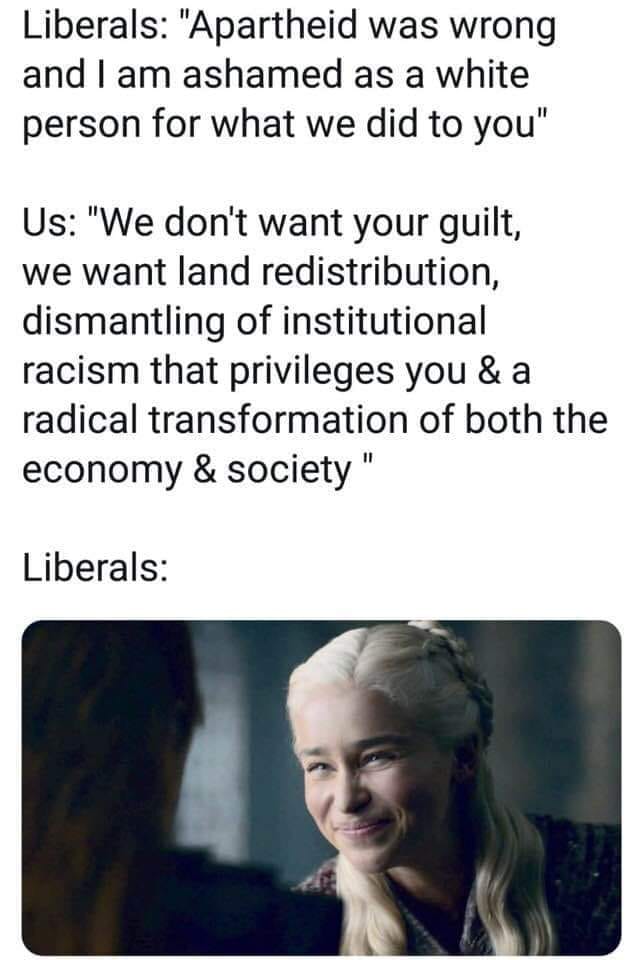
The fact that too many self styled liberals hold on to their ill begotten wealth while distributing a lot of quilt doesn’t obliterate the fact that very few of the ‘self believed’ conservatives share much of their wealth… while seldom admitting any responsibility for what had happened in the past. And continues to this day, in very insidious ways.

As for any attempt at a radical transformation of both economy and society – as in making them actually free for all us – white, black and all the other hues… forget it.

NB. All of us will eventually lose. Everything. Things are becoming too lopsided.

To make sense of that we have already passed through?

What does ‘worst’ mean in this circumstances?
Until now, I was under the impression that ‘critics’ were good.
That in a democratic setting, the critics are those who pull at our sleeves when we go astray.
That the critics are those who bring us back to the straight and narrow.
How can ‘critics’ become ‘bad’? Let alone “worst”…

“”Free speech is the bedrock of a functioning democracy, and Twitter is the digital town square where matters vital to the future of mankind are debated” said Mr. Musk. “I also want to make Twitter better than ever by…””

As many of you already know, I grew up under a communist regime. In Ceausescu’s Romania.
That was were I learned to decipher messages transmitted using the ‘wooden language’.
Or, in Orwell’s parlance, “newspeak”…

Here’s what I make of Elon Musk’s words:

‘From now on, the “digital town square where matters vital to the future of mankind are debated” is mine. Mine to make what I see fit of it. To “make better” under my own terms. And if you don’t like it, keep ‘barking’. There’s nothing you can do to me. I’m going to make Twitter ‘private’. A.k.a. free from any ‘market interference’. Furthermore, your ‘barking’ will only increase the traffic. Hence the money I’ll be making on the back of your ‘free speech’.’

Twenty four years ago, in 1998, I spent a fortnight visiting Tunisia. I still remember the discussions I had with my wife. In our native Romania, we – the country, not the two of us – already had a couple of malls – which were quite new for us.
Each time that we entered a Tunisian suk – also known as a bazaar, we felt like strolling through a mall.

In the Middle Ages, a suk was the property of the local sheik. Even if each ‘stall’ was operated as an individual business, the whole thing was run at the whim of the local ruler.
According to the laws of the land, but still at the mercy of the landlord.

Each mall, the building, is owned by a company. And, the business, operated by another. Usually by a chain. Hence the ‘freedom’ of the individual businesses ‘housed’ by each mall is ‘defined’ by the rules put in place by the owners and the operators. Under the laws and by laws valid for the physical location of the building but still at the ‘mercy’ of those who own/operate the mall.

From now on, the “digital town square where matters vital to the future of the mankind” are ‘freely debated’ by us will be owned and operated by yet another one of Elon Musk’s enterprises.
Who, for now at least, promises to welcome his “worst” critics, whatever that might mean.

And an after thought.
A way shorter translation of Musk’s words might be: ‘Freedom of speech means being able to say ‘those who criticize me are bad people”. With the corollary that some are worse than others…

When Mario de Andrade found out that he had but one life, he had set for himself a certain goal.
To live his second life in a certain way. In the way he considered worthwhile.

We’re about to find out that we have but one planet.

How are we going to live our second life?

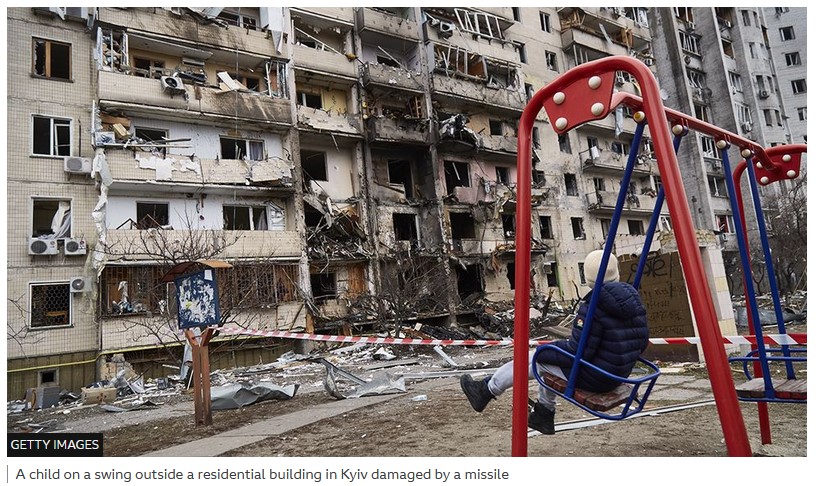
Homo Sapiens Sapiens is a species of cultured animals simultaneously capable to place a highly sophisticated IR telescope on an orbit around their native planet, the Earth, and to reduce a country to a pile of rubble.

Interestingly enough, the technology used to accomplish both, the rocket, has been imagined a little more than a century ago.
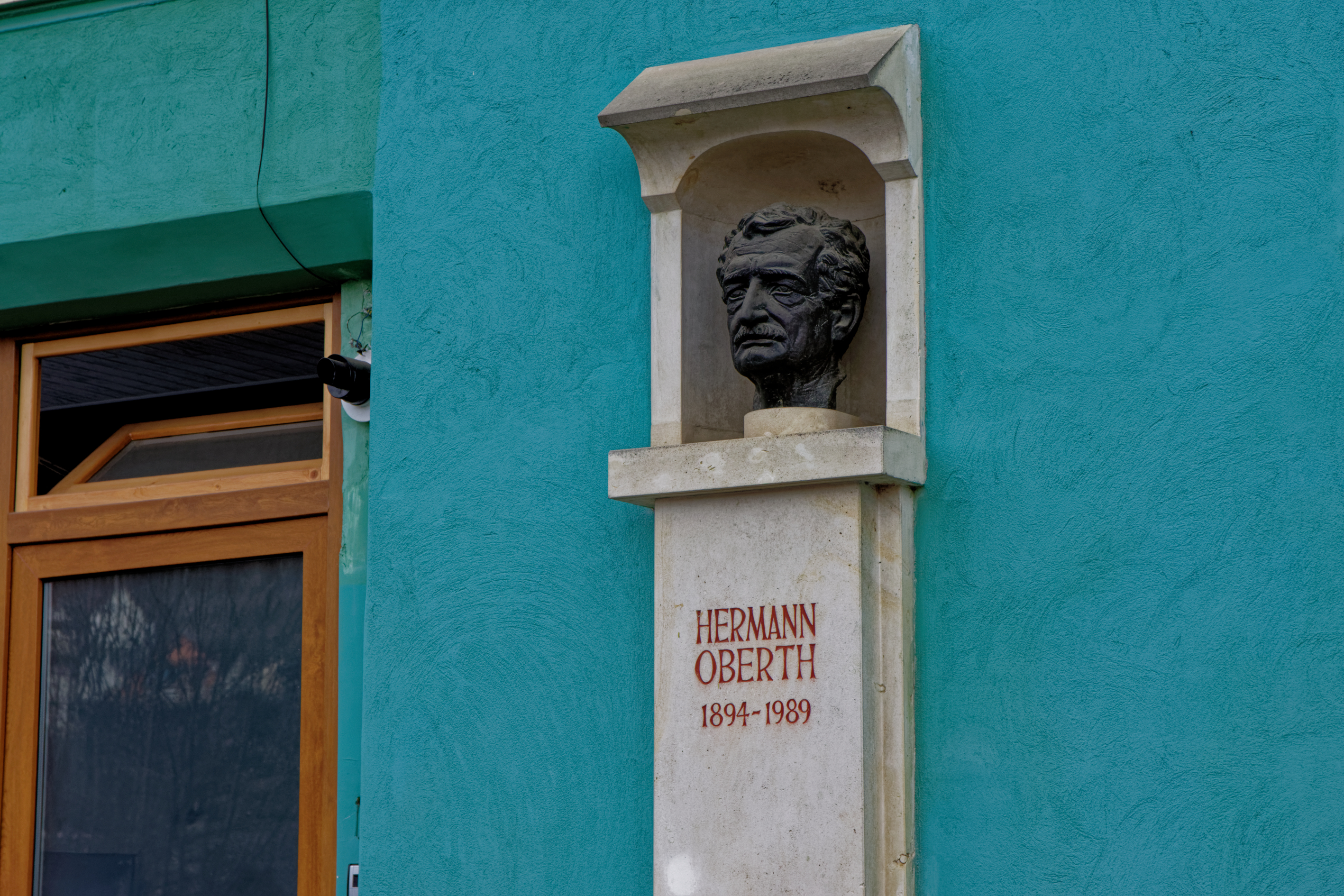
By, among others, Herman Oberth.

He had built his first rocket as a school project, when he was 14. About then he also came up with the concept of a multistaged rocket.
Lack of resources convinced him to study medicine. After only two years he was drafted into the German Imperial Army to serve during WWI. Initially as a foot soldier and then moved to a medical unit. In that period he found enough “spare time” to conduct experiments which had later enabled him to present “designs of a missile using liquid propellant with a range of 290 km to Hermann von Stein, the Prussian Minister of War.
During WWII he had worked at Peenemunde, were he was awarded a decoration for bravery during an aerial attack, and then at the German WASAG organization developing solid fueled anti-aircraft rockets.

Between the wars he had contributed to a series of experiments in Germany. For one of which he was helped by an 18 years student. Werner von Braun.

After WWII, Oberth moved to Italy to continue, for the Italian Navy, some of the work he had started at WASAG. Then returned to Germany to publish “Mankind into Space, in which he described his ideas for space-based reflecting telescopes, space stations, electric-powered spaceships, and space suits.”

Oberth eventually came to work for his former student, Wernher von Braun, who was developing space rockets for NASA in Huntsville, Alabama.

He retired in 1962 and had a brief stint in far right politics (the National Democratic Party of Germany).
He was invited to the US in 1969 to witness the Apollo 11 crew being sent towards the Moon and in October 1985 to view the Space Shuttle Challenger being launched carrying the D-1 Spacelab mission – “the first with German mission management and controlled from the German Space Operations Center
However, his primary interest during his retirement years was to turn to more abstract philosophical questions. Most notable among his several books from this period is Primer For Those Who Would Govern.

Humans, as a species, have harbored the same ‘amount’ of brain for the last 200 000 years. That was when the Homo Sapiens had arrived. But that brain had produced something only about 70 000 years ago. That’s why the second Sapiens was added, by us, to the name of those living since that time. To underline the fact that humans had become ‘fully’ conscious only ‘recently’. That having a big brain was not enough. That becoming fully human also implied self awareness. Wisdom…

Apparently that’s not enough.
After experiencing, first hand, the horrors of WWI such a creative mind as Herman Oberth’s was still capable of building offensive weapons for Hitler.
After experiencing, first hand, the horrors of WWII such a creative mind as Herman Oberth’s was still able of joining an extreme right political party…

After experiencing, first hand, the horrors of WWII at the hands of the nazi, the modern day, post communist, Russia is capable of inflicting the same kind of horrors to their close cousins, the Ukrainians.

When are we going to become Sapiens enough to stop this insanity?
To concentrate our creativity exclusively towards ‘elevating’ purposes?

We have a fact and two conflicting interpretations.

Barrabas is mentioned in al four gospels.
Which has to mean something.

One interpretation posits that the whole story was made up.
That Barrabas himself was not a real person and that there was no such thing as a “custom whereby the Romans would release a condemned prisoner on the occasion of a holy day
OK, but for what reason?
to shift the blame for Jesus’ death away from the Roman authorities and onto the shoulders of the Jews
By the time the gospels had been written, most of the Christians were living under the Roman authority and outside Palestine. So a little benevolence curried from the Romans couldn’t hurt…
Except the Jews…
Historically, the release of Barabbas at the crowd’s behest, and their subsequent demands to crucify Jesus, have been used to justify anti-Semitism. Many have placed blame for Christ’s death on the Jews, commonly citing Matthew 27:25, in which the crowd shouts, “His blood be on us and on our children!”

Another interpretation takes the opposite view.
The whole episode is considered to be true as described and interprets Barrabas as “a flesh-and-blood symbol for you and for me. At this moment the Gospel story paints Barabbas as Everyone. The guilty go free, and the Holy One dies. Barabbas becomes the first one who can say, “Jesus died for me.”

Being an agnostic, somewhat simplifies things. For me.
At the emotional level, I prefer the second interpretation.
At the rational level, I appreciate the effort made by the first interpretation towards finding a logical explanation for the whole thing. Which explanation might actually be true. In the sense that the evangelists, all four of them, might have indeed tried to lessen the Roman responsibility for Christ’s death.

What bothers me is why so many of the readers have accepted the story as plausible?
A crowd to send a bandit to freedom and an innocent to death?
How likely is this?

But what if the crowd was biased?

Well, not the crowd, since the episode was most likely invented.
The individuals who had a message to convey to their readers. To us.

Let’s start with the beginning. The Old Testament.
According to this writing, the covenants were made between God and the people of Israel. Which gave the people of Israel a special place. They were His people. The chosen ones.
The New Testament changes all this. Jesus died for all of those who accept his sacrifice.
The Jews are no longer the only chosen ones.

The way I see it, the ordinary Jews have no problem with this.
I have no knowledge of Jews discriminating against Christians. Except for the claims made by the anti-Semites…
I’m not so sure though about the likes of Caiaphas… “a member of the council when he gave his opinion that Jesus should be put to death “for the people, and that the whole nation perish not”
After all, Caiaphas – and all those in the same position, were the only ones who had anything to lose as a consequence of Jesus’s teachings.
As a consequence of all people, not only those who followed the likes of Caiaphas, being able to consider themselves as being children of the same God.
Only the likes of Caiaphas had anything to lose from all followers of Christ considering themselves equal among themselves.

Not at all different from what had happened after Luther had nailed his famous theses to the door of the Wittenberg church.
The established hierarchy felt it’s throne was becoming wobbly and reacted forcefully…

What if the real meaning of the whole Barrabas story is for us, the readers of the Gospels, to be extra careful when we evaluate the ‘recommendations’ given to us by the ‘authorities’ of the moment?
Specially when those ‘authorities’ are about to loose their clout…

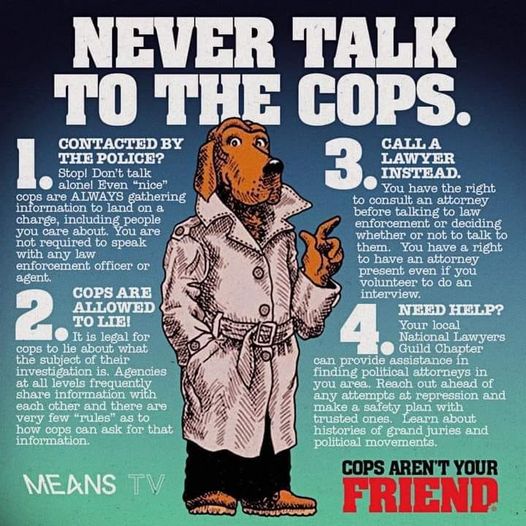
Just came across this meme.

It was shared on a FB-wall and somebody had commented that “Institutionally they are not your friends.”

My ‘jerked’ comment was:

“Institutionally, cops should be your ‘last resort’ friends.

The fact that too many of them are not, and the fact that too many of us consider them, as a category, to be unfriendly, is proof of how dysfunctional our society has become.

Cops used to be ‘unfriendly’ when I grew up. In communist Romania. When the cops were used, by the communist state, to preserve their power. The communist power over the entire society.

In the free countries of today, the cops are the sole barrier separating our persona and private property from the hands of the criminals.

Without their presence…

Or, putting it the other way around, we have but the cops we deserve. Train and motivate them properly and you’ll have good cops!”

At a second glance, I had an inkling.
Is it possible for the whole thing to be nothing more than a ‘marketing campaign’? Organized by the only people interested in increasing litigation?

Interested in altering the relative stability of our political establishment?

The police, by properly performing their duties – the world over, not only in the communist countries, contribute to the political stability of those respective countries.
For the police to properly perform their duties, there must to exist a proper trust between the general population and the police itself. The population must see the police as their friends of last resort while the police must see the general public as both their employer and their responsibility.
The population must be open in their relationship with the police while the police must treat respectfully every individual, including the suspects and the convicts.

In the communist regime I grew up, the police couldn’t fulfill its duties. Exactly between there was a ‘trust’ barrier between the general public and the police. Between the oppressed and the armed hand of the oppressor.
The communist regime I grew up under, in Romania, had eventually collapsed.
Exactly because of the malignant mistrust between the general public – The People, and the government. The police being nothing but a portion of the government itself.

Who is interested in the collapse of the democratic regimes?
Who is mostly interested in wedging apart the government from The People?

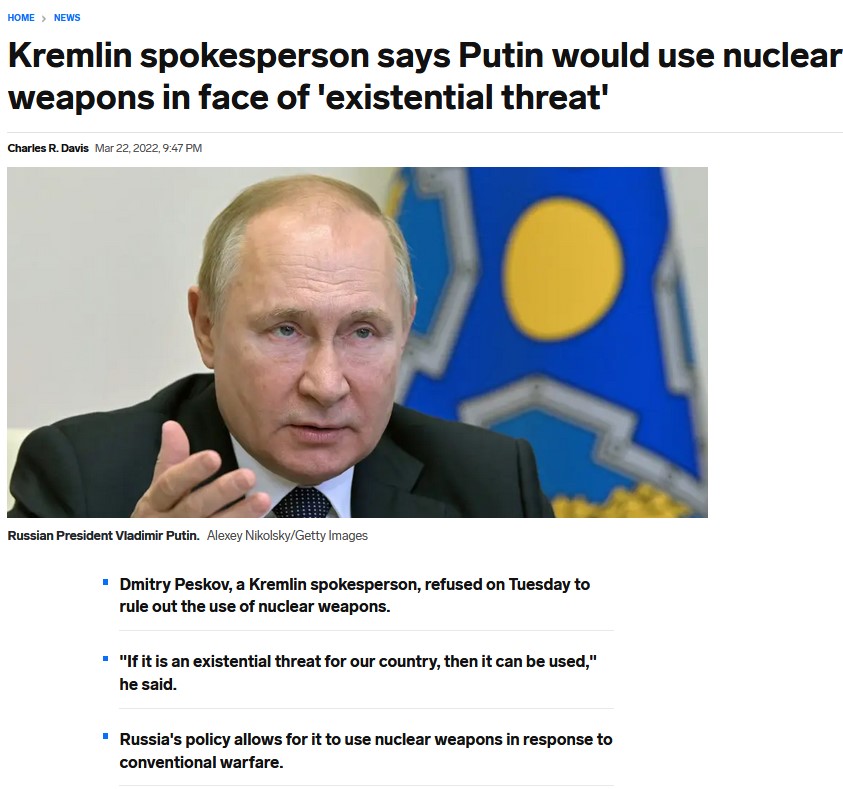
No, Putin’s henchmen executing a nuclear attack isn’t the worst case scenario.

This is.

People around the world asking themselves ‘how is it possible for an army belonging to a civilized country – one currently holding the right to veto any UN Security Council decision, might behave in such a horrible manner’?!?
How is it possible for a civilized people, the Russian people, to allow something like this to happen?

After the Cold War had been lost by the Soviet Union, the world over was under the impression that the liberal-democratic and capitalist model had ‘won’. That nobody could any longer advocate for an alternative.
Nine years later, Russia was on the verge of collapse. After following – ineptly, the capitalist mantra – greed is good, the Russian people was almost dying of hunger. That’s how the Russians had fallen under Putin’s spell. He had turned around the Russian economy and earned the gratitude of the ordinary Russian people.

  • But he had done nothing but reigning in Yeltsin’s oligarchs… and got filthy rich in the process!

Yes, but the ordinary Russians had enjoyed, for some 15 years, a life they had never thought possible. A life of relative abundance.
At a relatively low cost. At a cost they were already accustomed with.

The Russian people has been been accustomed, since always, to keep its mouth shut.
That’s so deeply ingrained into their minds that most of them never even dream of speaking up….

  • OK, OK… but what is the link between your ‘worst case scenario’ and the Russian people being unable to ‘speak up’?!?

Putin is able to do what he is currently doing because nobody is challenging his decisions.
Nobody inside Russia…

Because nobody inside Russia is challenging his decisions – and a ‘handful’ of ‘dimwits’ actually executes those decisions, the rest of the world is under the impression that the Russian people is OK with what’s going on in Ukraine.

  • And who are you to tell us that ‘regular Ivan’ would challenge Putin’s decisions if he had any opportunity?!?

I didn’t say that!
If you are under that impression, I’m afraid I haven’t made my point yet.

You see, what we really need to do is to ‘fold’ the Russian people into our ‘Weltanschauung’.
To welcome them into our social and cultural space.

The current war will end. One way or another.
Putin will die. Sooner or later.
But until the Russian people will learn that with us is far better that against us… we – all of us, will live on a ‘tight-rope’.

My impression, watching the horrors committed by the Russian army, is that those horrors have been ordered by Putin for one reason. And one reason only.

To convince us, the rest of the world, that the Russian people is nothing but a bunch of savages.
That they deserve no compassion.

That their leader – Putin, must be offered an easy way out – at the expense of the Ukrainians, and that the Russian people must be left to rot at his disposal.
That the Russian people deserves nothing. Nothing but to be left at the mercy of their ruthless and mind-twisting sheep-master.

That is the worst case scenario.
Us accepting that another people, any people, is worthless.

Putin’s followers – Le Pen and Orban being but the most obvious examples, are eagerly waiting for that to happen.

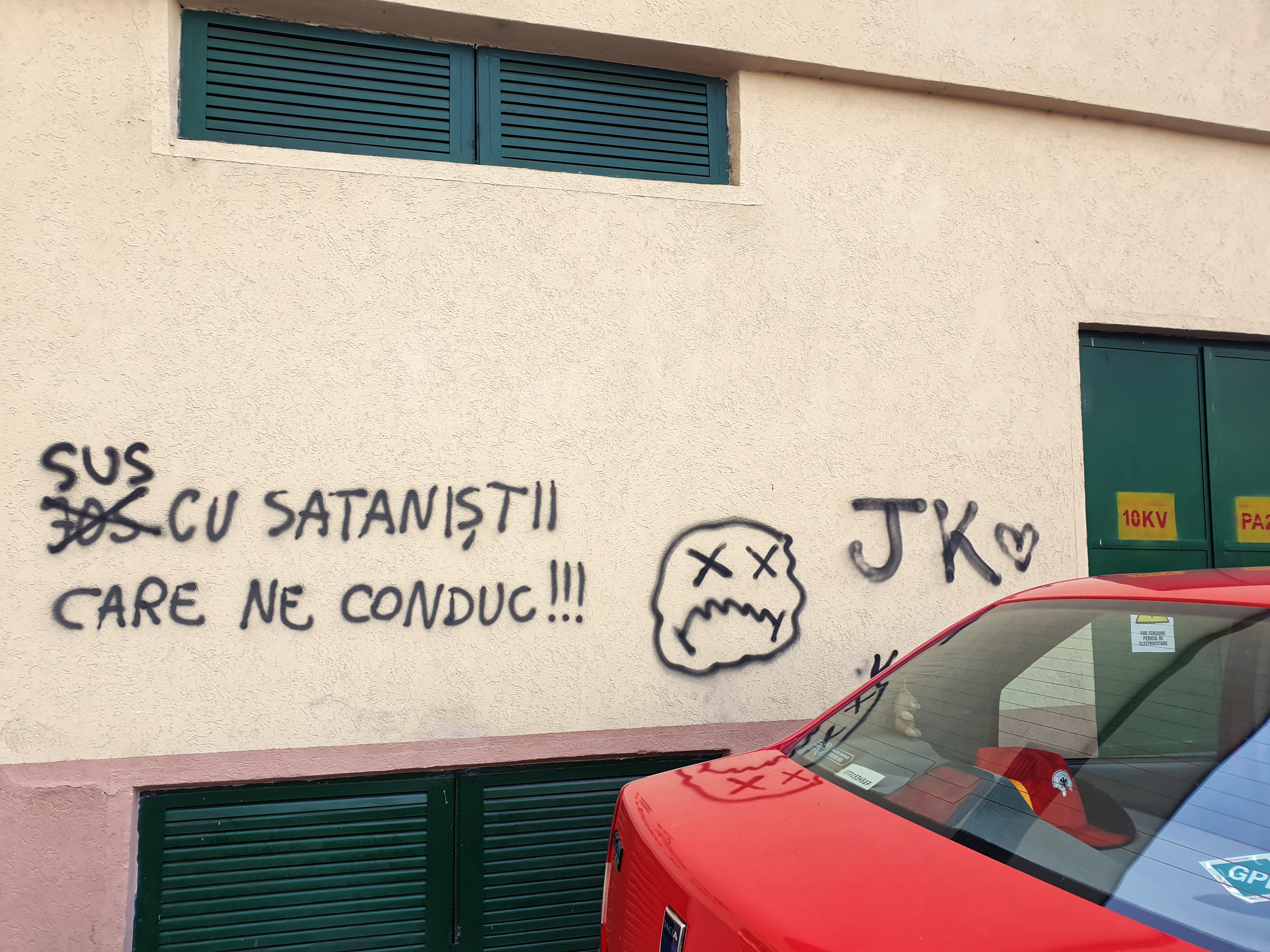
Cuvântul cheie este „sataniștii”. ‘Sus’, ‘jos’… nu contează!

Cei care acordă o oarecare atenție spațiului cultural nord-american au sesizat intensitatea cu care, de cel puțin 10 ani, ‘publicul’ este îndemnat să nu mai citească ‘presa’. Care e mincinoasă și vândută.

Noi, boșorogii de peste 60 de ani, ne aducem aminte și de spusele lui Ronald Reagan.
Cel în timpul căruia s-a întâmplat să se prăbușească comunismul și cel pe fruntea căruia au fost puși laurii.

Ronald Reagan este considerat a fi fost un mare comunicator.
Citind o mare parte din citatele care i-au fost atribuite, găsești foarte multe lucruri interesante. Și observi cât de măiastră a fost pana care le-a cizelat.
În asta să stea oare ‘esența comunicării’?
În ușurința cu care mesajul este strecurat dincolo de filtrul conștiinței și în adâncimea la care este înfipt în păienjenișul memoriei?

Efectele, și mai ales cele pe termen lung, sunt luate în calcul?
Atunci când judecăm ‘comunicarea’?

Este indubitabil că ‘guvernul’ poate fi ‘o problemă’.
Poate fi chiar „terifiant”.
Astăzi, de exemplu, guvernul Rusiei terifiază, cât se poate de direct, populația Ucrainei. Și, indirect, o lume întreagă.

Pe de altă parte, cam care ar fi fost situația dacă nu ar fi existat și celelalte guverne?
Daca guvernul condus de Zelenskii n-ar fi coordonat rezistența și dacă guvernele din UE și SUA nu ar fi coordonat ajutorarea Ucrainei?
Conflictul s-ar fi încheiat în câteva zile și noi am fi putut să ne întoarcem la ale noastre?

Și cine l-ar fi oprit pe Putin?
De ce să-l oprească cineva pe Putin?!?

Tot în Statele Unite continuă disputa dintre cei care consideră că Trump ar fi fost ajutat în timpul campaniilor electorale de către serviciile secrete aflate în slujba lui Putin și cei care neagă acest lucru, cu vehemență.

Trump a contestat rezultatul alegerilor pe care le-a pierdut.
O parte dintre suporterii săi au ocupat, efectiv, Capitoliul în încercarea de a ‘convinge’ Congresul American să invalideze rezultatele scrutinului electoral.

Lucrurile astea s-au întâmplat în sânul celei mai puternice democrații de pe planetă.
În sânul singurei forțe militare și economice capabile, și dispuse – pentru că nu are alternativă, să-l țină în frâu pe ‘Putin’. Pe orice dictator căruia i-ar trece prin cap să pună în pericol modul actual în care evoluează civilizația umană.

În situația asta ne mai întrebăm ‘de ce l-ar ajuta Putin pe Trump’?!?
De ce ar ajuta un dictator pe cel care era să distrugă singura democrație capabilă să-l țină în frâu?
Care democrație a pierdut deja enorm de mult din prestigiul pe care îl acumulase de-a lungul istoriei?
Care democrație este, încă, atât de puternică încât poate fi distrusă doar din interior?

Care democrație, ca toate celelalte, este doar atât de puternică pe cât este de eficient guvernul care pune în practică deciziile adoptate în mod democratic de către populație? De către „We, the People”?

Și atunci?

Cum să te apuci tu, ‘mare comunicator’ proaspăt ales – în mod democratic, să conduci – ca șef executiv al unui guvern, cea mai puternică națiune de pe planetă, să spui – chiar în timpul discursului inaugural, că „guvernul nu este soluția problemelor noastre, guvernul este chiar problema”?!?

Da, spunerea e foarte bine adusă din condei. Interpretarea a fost fără cusur. Publicul, exasperat de excesele unora dintre guvernanți – exasperat de excesele prea multora dintre cei ajunși prea puternici pentru capacitatea lor de discernamant, a fost încântat de cele rostite atunci.

Și efectul?

Nu cumva însuși accesul lui Trump la butoanele puterii a fost o consecință a dezgustului pe care îl au prea mulți dintre Americani cu privire la guvern? Și la politică, în general?

Și cine are de câștigat din toate astea?
Din erodarea, pe dinăuntru, a democrației?
Din erodarea încrederii oamenilor în capacitatea lor de a genera un act de guvernare transparent și perfectibil prin intermediul feed-backului democratic?

Cine are de câștigat din convingerea alegătorilor că cei aflați ‘la conducere’ sunt „sataniști”?!?
Indiferent de cine or fi ei, sloganul a apărut și este multiplicat, ‘pe garduri’, de cel puțin 10 ani…

Și un ultim calup de întrebări.
Reagan a fost un actor. Un artist. Dacă citatul chiar îi aparține, este foarte posibil ca frazarea să-i fi venit în mod natural.
Dar dacă îi aparține unui ‘specialist în comunicare’? În comunicare strategică?
Dacă și citatul cu care am început îi aparține tot unui ‘specialist’?

Nu vă ambalați! ‘Întrebările’ abia urmează.

Ce-o fi în capul specialiștilor ăștia?
Chiar nu-și dau seama ce efecte vor avea, pe termen lung, cuvintele pe care le înșiră ei?
Sau nu le pasă?

Și, pentru că trebuie să ‘descurc’ toate ‘ițele’ pe care le-am început, voi încheia cu o ‘traducere’.
Media este într-adevăr ‘mincinoasă’ și ‘vândută’. În viziunea celor care promovează conceptul bineînțeles…

Urmăriți doar vehiculele media pe care am reușit să le cumpărăm noi.
Doar celelalte, adică cele care nu au acceptat să se vândă, să-și pună ‘limba în slujba celui celui care plătește mai mult’, sunt mincinoase.
Noi suntem singurii care vă spunem adevărul!
Adevărul nostru… ‘alternativ’…

Bunicii mei paterni au trăit în Colentina. Undeva între triaj și fabrica de săpun Stela.
Vara stăteam la ei, săptămâni la rând. Din când în când, mergeam cu bunicul la piață. La Obor, adică.
Câteodată traversam Mihai Bravu să mergem la ‘Predoleanu’. Da, am apucat magazinul vechi. A fost dărâmat, împreună cu Calea Moșilor dintre Mihai Bravu și bulevard, abia după cutremurul din 1977.
Aveam 11 ani în 1972, atunci când a fost dezvelit monumentul “1907” – vis-a-vis de Predoleanu. Nu-mi aduc aminte să-mi fi facut vreo impresie. Mai am în nas mirosul de fierărie din magazin dar n-am nici o amintire, din epocă, cu privire la monument. Care era, totuși, uriaș. Mai ales pentru un copil.
În toamna lui ’80 ‘m-au luat’ în armata. Încă mai era de mâncare în magazine. Când m-am liberat, în primăvara lui ’81, deja bătea vântul printre tejghele.
Unul dintre primele drumuri pe care le-am făcut, după întoarcerea în București, a fost la bunica. Bunicul murise, de mult.
Am trecut și prin hală. Singur, de data asta. Prin hala Obor. Era de nerecunoscut.
Poate că cea mai bună descriere a situației a fost ce condensată în noua legendă urbană ce însoțea statuia din fața halei.
‘Stați, nu dați năvală. În hală nu e carne. Ăsta de jos a murit de foame!’
Hala s-a dărăpănat de tot, în fața ei a fost construită noua primarie pentru sectorul 2 iar “1907” a fost mutată în Parcul Florilor.
Și nimeni nu mai știe unde a fost magazinul lui Predoleanu!


Sic tranzit gloria mundi…