I’m afraid things are a little bit more complicated. In this translation, the Turkish proverb puts the onus on the ‘forest’ for what’s going on. Which isn’t helpful. It somehow validates the notion that ‘people’ get what they deserve. The way I see it, the responsibility belongs to the wooden handles. The axes – the steel parts, do what is in their nature to do. Axes split wood, dictators dictate… and so on. On the other hand, those who ‘help in the process’… While it also is in their ‘wooden’ nature to be helpful, the handles do not necessarily have to attach themselves to forest hacking axes. While it is in their nature to give advice, analysts and pundits do not necessarily have to court the Trumps/Putins/Xis of this world.
Blaming the people for voting for those who are being put forward by very skill full political promoters is not that different from blaming the victim of a rape. Yes, she should have known better than to drink that much at the party but the rapist didn’t necessarily had to take advantage of her.
– How did you manage to mess things up so thoroughly? – By allowing too much coherence to slip away. After we – well, some of us, already had a fair understanding about how things worked. About how we got there in the first place. – Would you care to elaborate? – Things went on more or less linearly up to when we had learned to speak. That was when it had all started. When we had realized what a start was. And that was it. Speaking to each other allowed us to access the second level of consciousness. Self awareness. Speaking to ourselves – a.k.a. ‘thinking’, gave us the illusion of ‘knowing’. ‘Knowing’ led to ‘knowing better’ and ‘knowing better’ gave birth to arrogance. For a while, this process had been kept in check by the harsh reality. People, like all living organisms, have certain needs. Basic needs. Food, shelter… During most of our evolution, getting enough food and shelter consumed most of our resources. And time. Only a very small number of people had enough spare time. And energy left for thinking. And only a very small percentage of this already small number of people used their minds to think about anything else but how to preserve their privileged status. Which status was the source of their ‘spare time’ in the first time… Slowly but surely, those having something else in their minds besides their selfish self interest have come up with a thing called ‘technology’. By carefully, and considerately, watching those who worked, the selfish thinkers have noticed that from time to time and from craftsperson to craftperson there could be noticed small differences in how things were done. Hence the concept of ‘how things are done’. With the natural sequel of ‘let’s do things in a better way’. Technology made it possible for workers to be more productive. Communities as a whole became more productive. Hence increased the possibility for more people to have spare time for thinking. Some communities made good use of this new possibility while others failed to do so. Usually for reasons depending on the ‘general conditions’ and not at all imputable to the communities themselves. Unfortunately, technology also had two less fortunate consequences. By freeing more and more people from want, it also freed them from ‘religion’. Until that moment, people who were ‘excluded’ from society – who did not partake in ‘religion’, could not survive on their own for any significant length of time. After the advent of technology, reclusion no longer meant almost instant death. Technology also produced ‘hard science’. A corpus of knowledge about how nature works. Which knowledge can be summarized as a collection of natural laws. No longer depending as much on their contemporaries and cognizant of those natural laws, some of the thinkers – whose numbers had been constantly swelled by the continuously improved technology, have reached the conclusion that through thinking a human might, given enough time and resources, understand basically everything. Some of those had become dictators. Others had become consultants. Both categories extremely confident in their own knowledge. Arrogant, even. This is how we messed things up. This bad.
Word of mouth has it that a dissatisfied customer will be more vocal than a happier one. A search over the internet yields unconvincing results. The statistical jury seems to be still out on this one.
A misspell in the search window unveiled something a lot more interesting.
Are we aware of all this? Probably not. Statistically speaking…
And this is important why?
Being able to recognize anger makes it easier for us to deal with conflict. Individuals who do it better have more chances to survive when involved in dangerous situations. Or even to turn them around. To find ways in which to use conflict in a profitable manner. Profitable for them… And only time will tell for how long! Communities adept at taming conflict into something useful have greater chances to survive than those less able to deal with it.
Now, where are we in this moment? Do we talk to each other? Are we aware of what’s going on around us? Cognizant enough to take the appropriate measures? Or do we just vent out our bile? Creating such an environment that no coherent answer will be presented when needed?
Are we, each of us, part of the solution? Or we just create more and more problem?
The problem with this approach being that this understanding degrades war to a simple instrument.
Something used by a decision maker towards the achievement of certain ‘goals’.
The problem with this approach being that it obliterates the decision power of all other people involved in it. Of everybody else but of those calling the shots. Pun intended!
All analysts commenting Putin’s ‘special military operation’ babble on about Putin’s goals. ‘Ukraine will never be able to crush Russia, militarily, so we need to understand what’s going on in Putin’s mind. In order to be able to ‘bribe’ him into ending the war. Or to black mail him. Only we need to understand first what will constitute a too big of a price for him to pay.’
On the other hand, Putin seems to be thinking along the same lines. ‘I need to preserve my position. MY power. Ukraine is a bad example for the Russian people. They have shifted their ‘allegiance’ and want to build a real democracy. I cannot allow this to happen, otherwise I’ll be next. Now, how much pain do I have to inflict in order to achieve my goal? Directly, upon the Ukrainians and indirectly, upon the rest of the world?’
Meanwhile, the rest of those involved in this situation bear the brunt of the war. Directly and indirectly.
Some of them understand what’s going on and some don’t.
My point being that not all instruments are born equal. While all are nothing but mere ‘sticks’ in the hands of the agents wielding them, choosing to use a certain instrument among the available alternatives speaks volumes about the agent making the choice.
What are we, reasonable creatures, to understand when an agent chooses an instrument which debases all other creatures to the role of ‘kill or be killed’? For whatever reason and under whatever pretext? Is that agent ever going to stop? To stop setting ‘goals’, further and further away?
Specially after having the ‘first installment’ safely tucked under the belt…
„Despre morți, doar adevărul” Așa m-a învățat unul dintre preoții care m-au botezat. Vreo 50 de ani după aceea, cu puțină vreme înainte ca el însuși să devină ‘subiect de discuții’.
Nu i s-a bătătorit bine pământul pe mormânt și ‘adevărul’ despre Șora a început să iasă la iveală.
Cred ca ce deranjează cel mai tare la genul ăsta de oameni – adică la ‘Șora’, este ‘răzgândirea’ lor. Și amănuntul că răzgândirea lor a avut succes la public…
Imaginați-vă un Iliescu ieșit pe post și declarând că, de fapt, capitalismul de piață liberă și democrația autentică sunt, în practica de zi cu zi, mult mai bune decât ‘despotismul luminat’. Chestia aia pe care a încercat el sa o pună ‘în opera’. Înaintea lui Putin dar asta e altă discuție.
Avem într-adevar nevoie de ‘consistență’. De ‘consistency’… dar n-am gasit altă ‘traducere’. Avem atât de mare nevoie de consistență încât uităm de lecția fiului risipitor. Și de faptul că dumnezeu îl iubește mai mult pe păcătosul întors în turma decât pe neprihănitul care n-a avut vreodată ocazia să păcătuiască. Care, de fapt, nu a putut să greșească. Care nu a reușit să-și înțeleagă greșeala, să și-o recunoască – măcar în sinea lui, ca apoi să facă un minim efort pentru a îndrepta ceva din ea.
Revenind la ‘moș Tăgârță’, spuneau unii la TV ca el a ‘înființat’ Biblioteca pentru Toti. Dacă e adevărat, tipul ăsta a facut mai mult pentru cultura română decât 95% din așa considerații intelectuali mioritici.
Cercetând internetul, aflu că Șora doar a reînființat BpT. Uite că „țuțărul Anei Pauker” făcuse ceva bun încă de pe vremea comunismului.
Și atunci? Cum rămâne cu adevărul? La ce mai folosește spunerea lui?
Spunerea unui lucru… are niște consecințe. Nu neapărat ‘consistente’ cu scopurile vorbitorului. Adevărul devine adevărat doar odată cu acceptarea lui ca atare de către ascultător.
Spunerea unui adevăr ‘adevărat’ are ca consecință lămurirea lucrurilor. Rostirea unor jumătăți de adevăruri, înghițite pe nemestecate de către ascultători pentru că se potrivesc cu credințele împământenite deja în mințile acestora, reușește să întrețină – cel puțin pe termen scurt, ‘ceața’. Face în așa fel încât situația să rămână favorabilă pescuitorilor în ape tulburi.
Ăsta fiind motivul pentru care ‘răzgândiții’ sunt blamați atât de intens. Toți cei cărora le convine situația actuală sunt îngroziți de idea că s-ar mai putea răzgândi și alții. Subiectul ‘răzgândirii’ lor nici măcar nu contează! Actul răzgândirii, în sine, este obiectul anatemei! Idea că ‘publicul’ ar putea gândi… fiecare cu/de capul lui…
Chestia asta provoacă frisoane. De la dictatori până influenceri! Tuturor celor care își arogă misiunea de a gândi pentru ceilalți.
Și totuși. De ce „despre morți, doar adevărul”?!? De ce nu e suficient ‘despre morți, numai de bine’?
Morții nu se mai pot apăra. Nu mai pot minți în numele lor. Dar noi putem.
Noi suntem singurii care mai putem. Minți. Și, în același timp, noi suntem singurii care mai putem apăra adevărul. Adevărul care este în același timp al lor, al morților, și al nostru. Al nostru, cei care mai avem încă atât de mult de pierdut. Adică totul!
Care adevăr trebuie rostit, repetat și apărat tocmai pentru că altfel ‘întunericul ne va fi ispită’.
Abia am ieșit din 50 de ani de ‘întuneric’. Dinspre răsărit ne momește o altă ‘ispită’. Singura noastră șansă este ca din ce în ce mai mulți dintre noi să se ‘răzgândească’. Să înțeleagă că fiecare dintre noi e supus greșelii și că e OK să revii la calea cea dreaptă.
Și mai trebuie ceva. Trebuie să învățăm, cu toții, să ‘iertăm greșiților noștri’! Să învățăm, cu toții, să prețuim răzgândirea.
Trying to make sense of this this proverb, one might find handy a deeper understanding of ‘it’.
I’ll be arguing in a future post about the synthetic nature of equality. A concept we came up with, based on things found in the natural world. But the concept itself has no natural precursor. It was invented by us and exists exclusively in our minds.
On the other hand, liberty – the ‘it’ I’m writing about right now – is ‘artificial’. Another concept we’ve came up with, based on things found in the natural world. But one which has evolved from a natural precursor. It still exists exclusively in our minds – like all other concepts, but we didn’t actually invent it. We only noticed its natural precursor and built on in.
Orangutans are freer than us. They live individualistic lives, depending on no one but themselves. They are strong enough to do this and they live in such a manner and place that they don’t have to face any natural enemies. We, humans – their cousins, are the only agents powerful enough to represent a real danger for them. Gorillas are less free than us. They live in strict autarchies, where they need nothing but what already exists in their domains – the plants they feed on, and where they respect the strict discipline imposed by their strictly authoritarian male leaders. Which are the only free(ish) members of the groups. Chimpanzees and bonobos, each in their own way, are the closest to us. Some freer than others but none as free as the orangutans.
None of our cousins have the concept of liberty. As far as we know, they long for it – for freedom, that is – when they lose it. Hence they feel (for) it. But they haven’t, as far as we know it, came up with the notion of it. This being the reason for which the concept of liberty might be synthetic – like all other concepts, but liberty itself is artificial.
Our experience of liberty has a lot in common with what our cousins feel when they lose theirs. When they lose theirs to us! We being the only agents who, after synthesizing the concept of liberty, have taken the process a step further. Have started to take prisoners. And to justify our actions!
7 years after the accord had been signed, and never implemented, Putin had ordered his army to invade, again, Ukraine. Using Lukashenko’s Belarus as a springboard.
As of now, all five people who had signed the accord had failed. In more ways than one. None of their stated goals have been achieved. The three democratically elected leaders had failed in the sense that they had not been able to prevent the escalation of the conflict. The two dictators have not, as of yet, been able to fulfill their ‘promises’.
For almost a year now, Ukraine had been able to defend itself against the Russian aggression. In the first days of the ‘special operation’, Ukraine had managed to do this alone! Only after the initial surprise had given birth to hope, the ‘west’ had started to send in meaningful assistance. Which strongly suggests that a people which is in control of its own fate – as in ‘democratically decides its own future’ – has a greater ability to fight than a people sent to the battle field at the whims of a dictator.
One by one, the democratically elected signatories of the Minsk agreement had been replaced. One way or another, all of them peaceful. Not necessarily as a consequence of this particular failure but, nevertheless, they are no longer able to make any other hugely significant mistake. The two dictators continue to dictate. To make mistakes and to defend their previous mistakes. To cause misery.
Looking at the whole thing from a distance, the situation is simple.
Unfortunately, things are even worse. Not only that power is magnetic to the corruptible but also most ‘ordinary’ people tend to have a hard time acknowledging mistake. Once committed, even by the most incorruptible person, a mistake gets a life of its own. And works hard at convincing the perpetrator to ‘hide’ it. Hence to commit even worse mistakes.
Now, why is power magnetic for the corruptible? Because power makes it possible for the ‘agent’ to ‘hide’ a lot of mistakes!
The way I see it, people have a knack for learning on the run. The shape of the learning curve and the duration of the process depends on the particulars of each situation but all people eventually get there. Those who survive to that point, of course…
What’s to be learned from all this?
The obvious, my dear Watson!
All those five powerful agents in the picture above have failed. Yet the French and the Germans fare a lot better than the Russians and the Belorussians while the Ukrainians fight better than the Russians.
What’s the main difference between those two ‘sides’?
Those who fare better change their leaders more easily and more often? Before their mistakes pile up? And become ‘too big to fail’?
Sunt câte unii convinși că ‘și-a căutat-o cu lumânarea’. Că ‘și ea e de vină. De ce-a ieșit pe stradă cu fusta până-n cur?’ ‘Și acuma, dacă tot a început ăla s-o violeze, de ce nu stă dracului liniștită? Să termine ăla odată ca să putem și noi să ne întoarcem la ale noastre!’
Ăștia or fi sănătoși la cap? Până unde poți întinde conceptul de ‘realPolitick’?!?
Ce trebuie să se întâmple ca să-ți dai seama că și mama/soția/fiica ta ar putea ajunge în aceiași situație? Cu atât mai abitir dacă tu îi încurajezi, oricât de indirect, pe violatori! Indiferent de câte năframe o pui tu să poarte.
Ieri, în tramvai. „Uite ce face negrul ăla. Se așează pe scaun. Nu m-aș așeza după el chiar dacă ar fi să stau în picioare până la capăt!”
‘Intransigentul’ avea vreo trei, poate patru, ani mai puțin decât subiectul ‘spunerii’ sale. Erau tunși exact la fel. Tunsoarea aia modernă, făcută celebră de trupele ‘de elită’ cu care Hitler a încercat să demonstreze superioritatea ariană. Tunsoare preluată apoi de soldații americani și, acum, atât de white supremacist-ul român cât și de ‘obiectul urii lui’. Și ținutele era similare. Bocanci, pantaloni ‘slim’, o geacă deasupra, rucsac și capul descoperit. Diferențe? Da. Negrul era îmbrăcat într-o combinație de ocru și marouri, ‘intransigentul’ în indigo și negru.
Amândoi fiind foarte aproape de vârsta fiului meu, m-am întrebat imediat ‘Ce am făcut noi de-am ajuns în situația asta? Cum ne-am crescut copiii?’
John Donne, un poet englez din secolul XVI-XVII, a scris „Pentru cine bat clopotele”. ‘Nici un om nu este o insulă, fiecare dintre noi este parte a întregului. Atunci când dispare unul dintre noi, este ca atunci când casa prietenului tău, sau chiar casa ta, este luată de ape. Așadar, nu încerca să afli pentru cine bat clopotele. Ele bat pentru tine!’.
Mă întâlnesc destul de des cu poezia asta. Din când în când o caut și o citesc pe net. De data asta, mi-am adus aminte și de:
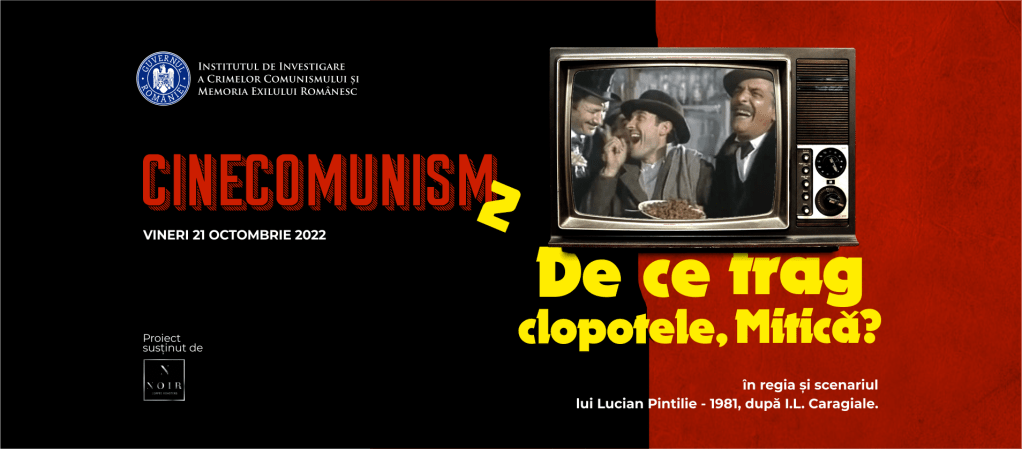
O fi știut Pintilie de John Donne? Dar Caragiale?
Filmul este extrem de actual. Și Caragiale este extrem de actual. Suntem, acum, exact așa cum am fost. Dezbinați!
Diferența dintre noi și generațiile deja trecute fiind ‘progresul.’ Progresul tehnologic…
Caragiale scria pentru un anumit public. Pe vremea aia, erau puțini cei capabili să citească. Și mai puțini cei capabili să meargă la teatru… Caragiale, sau cel puțin așa citesc eu opera lui, încerca să deschidă ochii contemporanilor săi. Încerca să deschidă ochii celor capabili să citească – adică puținilor oameni care luau deciziile importante, cu privire la ‘adevărata realitate’. Se prefăcea că glumește pentru a face ‘gălușca’ mai ușor de înghițit. Publicul țintă pentru care scria Caragiale avea o certă pregătire. Nu doar că știau să citească și aveau bani pentru bilete de teatru, mulți dintre ei fuseseră școliți prin vestul Europei. Aveau, sau ar fi trebuit să aibe, o ‘oarecare sofisticare intelectuală’.
Pintilie a avut un alt public țintă. Sau, mai bine spus, Pintilie a avut două publicuri. Lumea întreagă și pe sine însuși. A văzut ceva și a vrut să împărtășească. Fiind un om liber, a considerat că cei din jurul său sunt – sau ar trebui să fie, la fel de liberi precum era el. Așa că a spus ce avea de spus, așa cum (credea el că) trebuia spus. Și i-a lăsat pe ceilalți să înțeleagă! Fiecare ce putea… Și fiecare dintre cei care au văzut filmul a înțeles câte ceva…
Caragiale și Pintilie au ceva în comun. Au fost mult mai mulți cei care au avut posibilitatea, pe vremea lui Pintilie, să meargă la film decât cei care puteau merge la teatru pe vremea lui Caragiale. Dar experiența era destul de similară. Te duceai undeva, știind de la început că vei primi un mesaj. Că niște artiști vor încerca să-ți spună ceva. Că vei ieși singur din realitatea reală – tu mergeai, singur, la teatru/cinematograf, vei fi condus – de mână, printr-o ‘realitate alternativă și că, la sfârșit, vei ieși înapoi în lumea ‘normală’. Unde vei avea timp să te gândești la experienta avută.
Televiziunea și, mai ales, internetul au schimbat total situația. Om fi fost în stare să ne adaptăm?
Oricine spune orice și orice spusă poate ajunge oriunde. Ținem noi cont de treaba asta? Țin cont ‘spunăcioșii’ de noile condiții? De ‘diversitatea’ publicului care intră în contact cu spusele lor? De modul ‘divers’ în care sunt interpretate aceste spuse? De consecințele posibile/probabile? Sau, cine știe, poate că unii dintre ‘spunăcioși’ exploatează exact această ‘diversitate’ a publicurilor…
Unde vreau să ajung?
Sunt abonat, pe FB, la pagina lui Bill Maher. Acu’ vreo câteva zile a tinut ‘un discurs’ despre ‘woke’. Despre consecințele ‘trezirii’. Fără să folosească aceiași termeni și fără să se apropie de subiect din aceiași direcție, a vorbit tot despre consecințe.
Conform șablonului contemporan, ne-a prezentat câteva exemple – considerate de el reprezentative, le-a comentat și a tras niște concluzii. În situații din astea – și probabil că nu sunt singur, mă copleșește talentul actoricesc. Simțul critic este aproape adormit. Prestația comunicatorului este atât de intensă iar spusele atât de convingătoare – tocmai pentru că îi ascultăm mai ales pe cei cu care suntem de acord, încât nu mai sesizăm momentul în care respectivii o iau pe arătură.
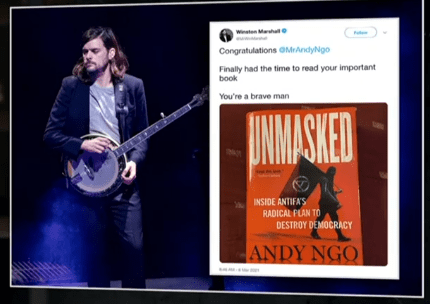
Unul dintre exemplele folosite de Maher a fost situația în care un „cântăreț la banjo” a fost forțat de ‘luptătorii pentru dreptate socială’ să-și pună cenușă virtuală în cap pentru faptul că a comentat pozitiv o carte pe Twitter.
Să ne-nțelegem! Nici mie nu-mi convine genul ăsta de activism. Spune unu’ ceva și ne repezim pe el că nu ne place nouă ce-a spus ăla… Și noi fiind mai mulți – măcar în locul ‘ăsta’, îl ‘dovedim’!
Problema e că alde Bill Maher suferă de exact aceiași meteahnă ca cei ‘proaspăt treziți’. În dorința lor de a-și ‘sufoca’ adversarul ajung să comită erori de logică. ‘Wokii’ s-au repezit pe Wiston Marshall – Maher nici măcar nu-i menționează numele, furioși pentru ce a ‘piuit’, nu pentru ce a citit!
Să recapitulăm. Suntem în situația în care două găști, una de woki și una de ‘anti’, își reproșează una alteia ce are fiecare dintre ele de spus. Adică își reproșează una alteia că vorbesc… Și cum vorbesc… Dar nici una dintre ele nu baga în seamă ‘vorbele’. Nimănui nu-i pasă ce crede celălalt. Ce simte celălalt…
Fiecare consideră că are dreptul de a se exprima! Și, prin extensie, că are dreptul să-și împroaște spusele. Ce se întâmplă după aceea… ce consecințe au acele spuse… nu mai e treaba lor!
Pe vremea lui Caragiale, și a lui Pintilie, sala de spectacol era separată de lumea reală. Cortina era un fel de oglindă. Intram în sală, ne recunoșteam în oglindă – sau nu, ne întorceam acasă și ne gândeam la ce am văzut acolo. Sau nu… Dar, în orice caz, știam că ‘totul este un joc’.
Acum, de când spectacolul a coborât în stradă, lucrurile sunt mult mai fluide. Mult mai neclare. Iar noi pur și simplu uităm să ne mai gândim la ele…
Și, mai ales, uităm să le spunem celor care vin după noi despre ‘joc’! Îi lăsăm să creadă că ‘asta-i realitatea’.


 nicichiarasa