And the Lord God said, Behold, the man is become as one of us, toknow good and evil. Gen 3:22
Why are we doing all this?
?!?
You heard me. ‘Why are we doing all this?’ Everything that we do.
Is anything wrong with you?
No. Not anything that I know of. Only this question which has arisen on it own. Why don’t we just stop? Stop doing everything that we do…
But doing what we do is the reason for our existence… Otherwise we would not exist. At all! The world itself would have been different. Completely different!
So what?!? Do you really care about the world? What’s in it for you? For us… What benefit do we have from the world being as it is? Or at all…
I have to start by confessing that until yesterday evening I’ve never seriously considered this possibility. Why would anyone bother?
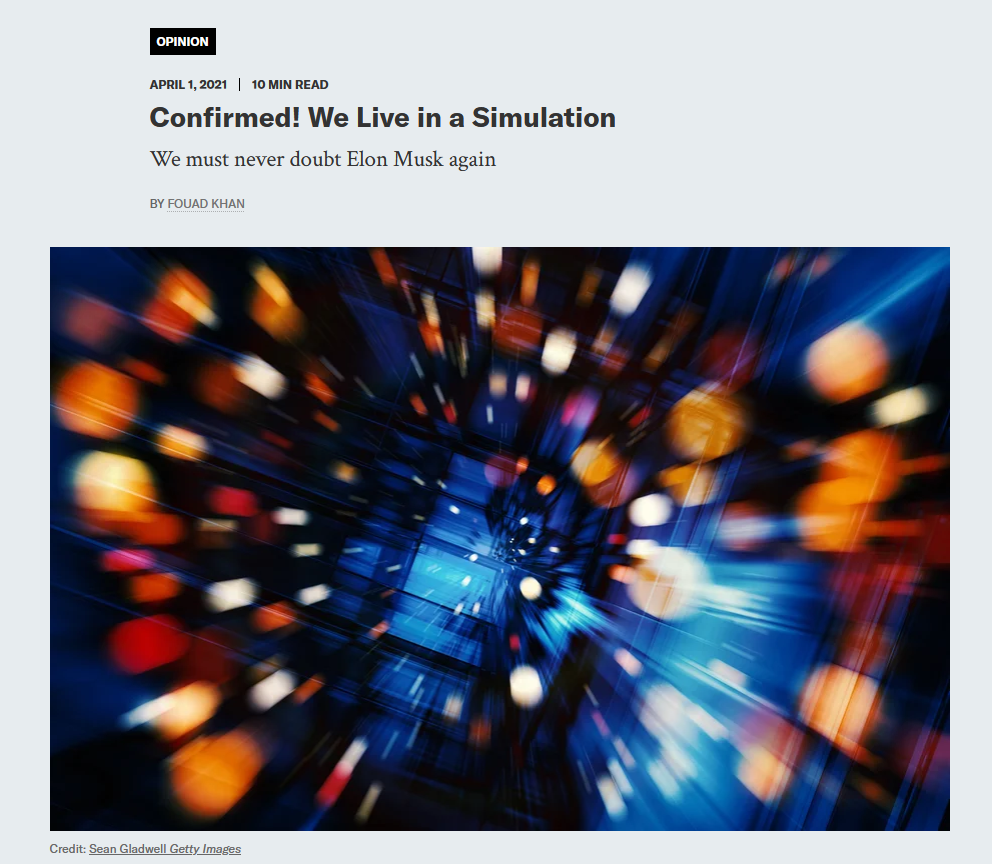
Then somebody – thank you, Jeffrey Mercer – introduced a whole new twist into this conundrum. ‘What if this whole (computer) simulation thing is nothing but yet another attempt to make sense of the Universe? To attribute sense to the Universe? Which whole thing, if anything, is the epitome of anthropomorphism…’ I took the liberty to rephrase Jeffrey Mercer’s words. To make them more ‘suitable’. To fit better my preexisting answer. Yet another ‘anthropomorphic’ thing….
My immediate answer was ‘our world is indeed a simulation. Or maybe not as much a simulation as an artifact.’
Before delving into the matter, I’m going to formulate two questions. Hence ‘the furcula’. If we live in a simulation, what kind of world does the simulator live in? Why would anyone bother? To study us responding to its simulating our senses/minds? Why doesn’t it study itself? Its own self/persona?
Coming back to my initial answer, I have to point out that the key word here is ‘our’. We’re speaking here about ‘our world’. The world we live in. Our reality!
We, the ones trying to make sense of this world/reality, have a few characteristics. We’re made of matter and we have, each of us, a conscience. Having a material nature introduces certain limitations and being conscious widens those limitations. Us being conscious widens those limitations, by introducing a ‘new dimension’, but this doesn’t mean those limitations disappear. A bucket is ‘wider’ than the circle at its base – the bucket has height, hence volume, while the circle is ‘flat’ – but the bucket itself continues to have limits.
Let’s examine the consequences of us being conscious agents of a material nature. Limited conscious agents of a material nature…
Us being conscious means us being aware of our material nature. Of our limits. Having a material nature means the most powerful instinct we have is our ‘need to survive’. Both as a biological organism – a.k.a. animal – and as a conscious agent.
Our consciences – I’m speaking about the individual ones here – are very crafty ‘devils’. They can accept our individual material fate – death – but have a problem accepting their own dependency on the ‘bodies/brains’ they need to inhabit. Hence ‘the soul’.
Which ‘soul’ has been invented – by our conscious selves – as the first step towards building a sense for this world. For the reality we inhabit. Which soul is the building block for all religion. For all religion known/built to/by man.
Are you still here? I have to make a pause here. And to mention the fact that I’ve already cut a few corners… A lot of corners… What I say is probably rather hard to follow. Mostly because I don’t have time/space to explain myself. Not now but certainly in due time.
And yes, what we call ‘religion’ is of our own doing. The Bible itself has been written by us, regardless of the origin of the ideas mentioned there. It doesn’t matter whether we have been the interface between (a) God and ‘the world’, we are the ones who have written the Bible. And all other sacred texts. We have written them, we have believed in them and we have shaped the reality we live in.
We have done all that according to how we have interpreted the teachings we have inherited from our forefathers. And we continue to. Even those of us who consider themselves to be ‘free of religion’. We might not believe but we continue to act as if. Believers and nonbelievers alike hold the same things as being valid. Don’t kill, don’t steal, respect the values which keep society together…
What about where we started from? What about the ‘original’ simulation?
One moment please, I haven’t yet finished with ‘God’. If (a) God made us who/what we are, then who made God?
If someone took the trouble to build the simulation we consider to be ‘home’, what about the ‘real’ world? What about the reality harboring the simulating agent?
There’s no need for an outside agent? The world we live in, our world, is the world we have built for ourselves? Using the things which were at our disposal and the information we have gleaned about how things work? Maybe not always fully aware of what we were doing?
You got it! That’s exactly what I was trying to say!
Până la urmă, doar efectul conteză. Drumul spre iad este pavat cu intenții bune.
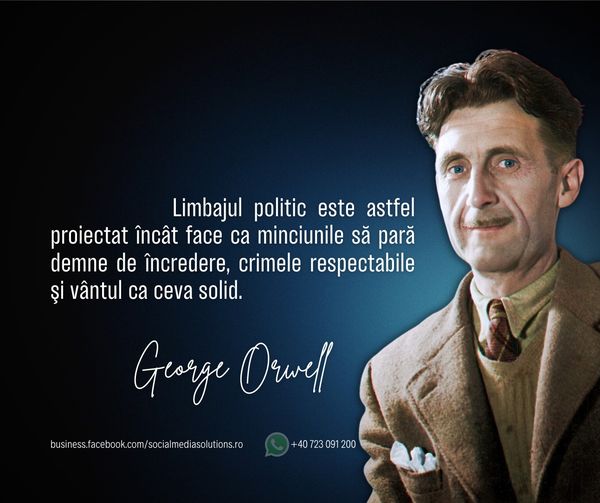
Aici avem de a face cu un limbaj manipulator.
Un exemplu cât se poate de elocvent despre ce înseamnă să ‘reglezi fin’ percepția publicului. Activitatea politică – în sensul ‘constructiv’ al cuvântului/conceptului – este acea activitate care contribuie la buna funcționare a polisului. La buna funcționare a cetății, societății, țării respective.
Genul ăsta de ‘răstalmăcire’ induce în cititor convingerea că politica este o mânăreală. Un fel de hoție la drumul mare, practicată de cei aflați la putere. Mai mult, induce în publicul țintă convingerea că ‘asta e, n-ai ce să-i faci, trebuie să te obișnuiești cu gândul’. ‘Să râzi și să treci mai departe’.
Adică exact ce își doresc manipulatorii să obțină. Exact ce își doresc acei ‘politicieni’ care intră în politică doar cu dorința de a-și trage spuza pe turta lor.
Partea și mai proastă a întregului fenomen fiind că oamenii care ar intra în politică cu gândul de a face politică – adică cu gândul de a contribui înainte de a cere – sunt descurajați văzând cât de mulți semeni de-ai lor, de bună credință de altfel, pun botul la genul ăsta de manipulare.
Deci nu, ăsta nu este limbaj politic. Este limbaj manipulatoriu!
Și nu, intenția celor care postează așa ceva nu are nici un fel de importanță. Tot ce contează este efectul. Degradarea continuă a societății. A societății în sânul căreia sunt colportate astfel de mesaje.
4,000 years ago. An alien probe examines the Earth and determines there are two ‘species of interest’ on the planet. ‘Interesting’ in the sense that both had already discovered ‘exploitation’. Ants farming aphids and humans farming sheep.
4.0 seconds ago. The same alien probe checks back and determines that both ants and humans continue their respective farming activities. The only difference between now and then being the scale of the respective operations. And the consequences to the environment…
The probe is a robot. Which robot has no feelings. Doesn’t care. Does what it has been instructed to do and that’s it. The data is being transmitted to those who had commissioned the robot.
‘The ants are practically the same. Individuals transported through time would fit perfectly in either situation. The humans have evolved in a certain manner. They live longer – on average. They have thoroughly transformed much of their environment. But they have maintained the ability to survive in either situation. To thrive, even, if the individuals are transported through time very soon after birth – and if they are well taken care off at the receiving end of the journey’.
The received data is deemed ‘baffling’ by the agents whose job is to make sense of it. To analyze it. To determine whether each planet checked by the probe was inhabited by a potentially autonomous species. In which case the planet was deemed ‘off limits’. Or not, hence open for colonization.
The procedure to determine the outcome is simple. Is there at least a species which evolves faster than the rest? Is there at least a species concerned with the well being of the environment it depends upon? If only the first condition is met, the planet is scheduled to be checked again later. If both conditions are met, the planet is considered off limits. If none are met, the planet is considered ‘open for business’.
The present situation is unprecedented. During their entire recorded history, this is the first time the analyzing agents have come across such an occurrence. An intelligent species who has achieved so much yet still remain driven by desire. By emotion.
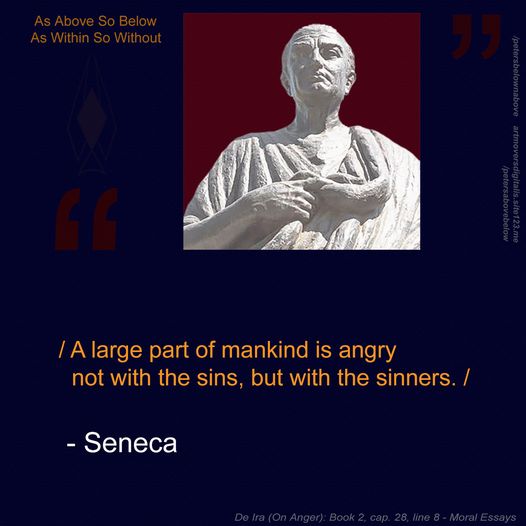
A species perfectly capable of thinking yet still prone to judging. A species comprised of individuals who consider perfectly acceptable to rationalize their own wishes while entertaining a low opinion on others who do the very same thing. Find excuses for indulging.
This find generates an ontological storm among the analyzing agents. Being the first time when they no longer have a complete grasp on what’s going on, this whole thing compels them to reconsider.
Hă? Ce e aia analfabet funcțional? Suferă de analfabetism funcțional – și atunci nu poate funcționa la capacitate – sau e funcțional cu toate că e analfabet?!? Hotărăște-te…
Și ce legătură e între problema cu care ai început postarea și analfabetismul funcțional?
‘Nu reușeste să ‘exploateze eficient’ informațiile conținute în textele pe care le citește? Informațiile conținute în instrucțiunile pe care le primește atunci când îi este încredințată o sarcină?!?’
Sau ‘Nu știe să formuleze niște instrucțiuni ‘operaționalizabile’?!?’
Orice copil normal face o socoteală simplă. Cât avea tac-su când i s-a născut plodul? 30 de ani? Ce tre’ să aflăm? Cât o să aive tac-su când o ajunge plodu’ la majorat? Dacă nu moare până atunci? Mare rahat. 30 cu 18 face 48. Cam puriu…
Dacă lași copiii să socotească în felul acesta, ei nu vor înțelege că timpul trece la fel de repede pentru toată lumea. Că un an e la fel de lung pentru ei cât este și pentru părinții lor.
Pe bune?!?
Nu cumva analfabetismul ăsta disfuncțional apare mai ales datorită faptului că prea mulți dintre profesori se cred mult mai deștepți decât elevii lor? Că prea mulți dintre cei care au avut norocul să primească o educație formală confundă informația memorată – mai ales pe cea memorată de ei – cu deșteptăciunea? Confundă informația acumulată (osificată?!?) cu capacitatea de a folosi informația accesibilă?
Dacă v-ați apucat deja să zâmbiți subțire… Ăsta n-a înțeles nimic! S-a plimbat degeaba prin școală… N-a priceput că mintea e ca un mușchi. Care trebuie antrenat de mic. Și că degeaba te apuci la bătrânețe să mai înveți mersul pe bicicletă… N-o să mai fii niciodată în stare de performanță!
Ce-am înțeles eu? Din școală și din viață?
Că oamenii au inventat mai întăi lucrurile importante. Și mai apoi scrisul. Ca să țină minte… Să nu mai fie nevoiți să reinventeze tot felul de chestii. Rezolvate deja de străbunii lor. Că oamenii care s-au crezut deștepți au sfârșit prost. Mai prost decât ar fi ajuns dacă și-ar fi cunoscut lungul nasului… Și că oamenii capabili să facă lucruri sunt cel puțin la fel de importanți ca cei capabili să scrie despre lucrurile alea. Cu toate că oamenii care fac sunt mai mulți decât cei care scriu! Pentru simplul motiv ca un om care face pâine poate hrăni un număr limitat de guri pe când o rețetă pentru pâine poate fi citită, după ce va fi fost scrisă, de un număr infinit de ochi!
I’ve been struggling for a while to understand why God is still relevant for us. Why so many of us continue to believe in him and why so many of us struggle to demonstrate he doesn’t exist. Why so many of those convinced he doesn’t exist blame him for so many of our own follies…
Because we’re ‘escape artists’!
So many of us continue to smoke. Since not everybody who smokes develops a cancer or dies of COPD – Chronic Obstrusive Pulmonary Disease, those addicted to nicotine find ways to rationalize their habit. For it’s simpler for them to hope they are among the lucky ones than to accept the fact that they’ve acted foolishly for so long. I know what I’m talking about, I’m one of these people.
Similarly, it’s a lot simpler to use God as a scapegoat than to accept full responsibility for your destiny. The less control/resources you have, the simpler it is to ask for God’s help. To lay your fate in his hands.
‘He must have had his reasons. The fact that I don’t know what they are doesn’t change anything. He’s in charge, I can do nothing but accept my fate!’
Same thing for the disbelievers. It’s simpler to blame (a) God, or (a) religion for aberrant/abhorrent behavior than to accept that human beings can be manipulated – in certain conditions – into such behavior. Into such inhuman behavior.
‘If they could have been manipulated in such a manner then I might be manipulated in the same manner. This is not acceptable. It’s their God/religion which is at fault. Something like this cannot happen to me. I don’t belong to any religion – or to a different one, so I’m immune to all this.’
Incendiu într-un club, explozie într-o stație GPL, alt incendiu într-o unitate de cazare… Fiecare dintre aceste evenimente tragice fiind soldate cu victime! Una dintre victimele incendiului de la Tohani fiind chiar fiul investitorului.
Ce au în comun cele trei incidente? În afară de tragismul evenimentelor?
La prima vedere, am putea vorbi despre lipsa totala de respect față de reguli. Atât a celor care au organizat lucrurile cât și a celor care ar fi trebuit să se asigure – și să NE asigure – că regulile au fost respectate.
Ce legătură este între ce s-a întâmplat în decembrie 1989 și cele trei tragedii menționate mai sus?!?
Există societăți normale și societăți aflate în tranziție. ‘În tranziție’ către normalitate dar nu neapărat.
În societățile normale, regulile sunt expresia, operaționalizarea, unui contract social. Marea majoritate a membrilor societăților respective au înțeles, mai întâi implicit, că e mai bine – pentru toată lumea, să ‘nu ucizi’. Că e mai bine, pentru toata lumea, atunci când toată lumea respectă niște reguli. Că e mai bine, pentru toată lumea, atunci când toată lumea respectă niște reguli care operaționalizează respectul reciproc dintre membrii ‘lumii’ respective. Să nu ucizi, să nu furi, să nu treci pe roșu, să porți centura de siguranță, să nu arunci gunoi pe jos.
În societățile anormale, cele în care unii oameni se cred mai cu moț decât ceilalți iar ceilalți nu au nimic de spus pe chestia asta, regulile funcționeză după principiul barierei. ‘Legea este o barieră. Un par pus de-a curmezișul drumului. Un par peste care sar caii, pe sub care se strecoară câinii și în fața căruia se opresc boii!’
Și toată chestia asta ține până când oamenii – atât ‘unii’ cât și ‘ceilalți’ – încep să-și dea seama că ‘de aia e mai bine dincolo’. Că de-aia ‘acolo’ trenurile merg cu 160 de km pe oră, autostrăzile sunt netede și cabanele nu ard precum torțele.
La noi, procesul a fost întârziat de faptul că lucrurile nu au fost ‘resetate’ ca lumea. Tot vorbim despre ‘Revoluția din Decembrie’. Lumea o fi ieșit ea ca la revoluție doar că de ieșit a ieșit o lovitură de stat. În loc ca lucrurile să reintre într-un anumit firesc – și într-o anumită evoluție, firească – am avut de a face cu o ‘înlocuire’. Cu o ‘rotație a cadrelor’. Pur și simplu, la nivelul puterii, o gașcă a fost înlocuită de o alta.
OK, cei vechi erau ‘închistați’, următorii au fost un pic mai pricepuți. Mai ageri! De unde și rezultatele. Dezvoltarea economică, creșterea nivelului de trai… pe medie…
Doar că genul ăsta de dezvoltare, de copiere a rezultatelor obținute de alții, merge doar până la un punct. Până în punctul dincolo de care se face simțit, din nou, ‘mi se cuvenismul’.
Tocmai pentru societatea este, în continuare, împărțită în ‘unii’ și ‘ceilalți’. împărțire perpetuată, și certificată, în decembrie 1989. Atunci când Revoluția a fost continuată printr-o lovitură de stat. Care a reîmpărțit lumea în ‘unii’ și ‘ceilalți’.
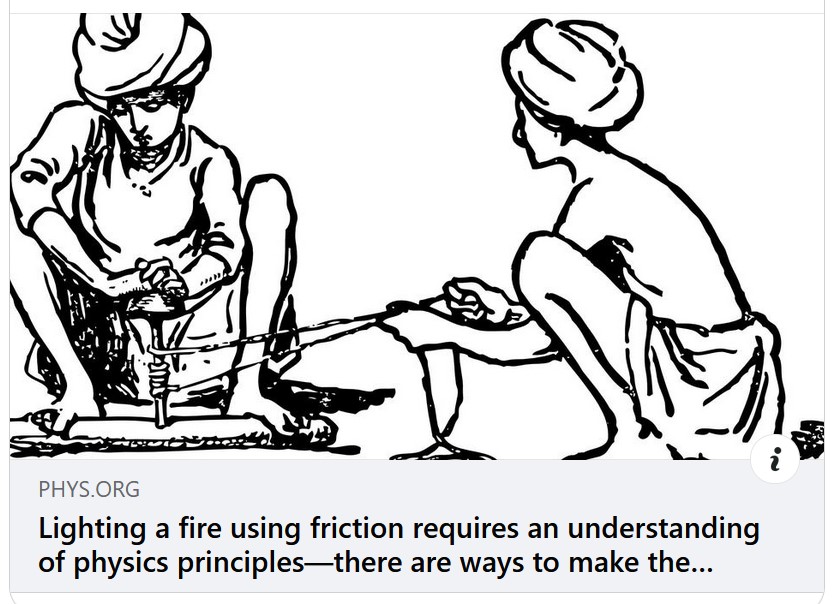
Does it really require an understanding of the principles?
Very good question!
Maybe not. If all you want to do is to light a fire using the same kind of implements as those gifted to you by your teacher … then no. All you have to do is to remember how to build a new set of implements when the old one is gone and follow the instructions. To a T.
But if you want to make one step forward… to improve the implements… to rise to the next level…
– They consider themselves to be reasonable. Their ability to ‘reason’ is mentioned, by their thinkers, as the single thing which separates them from the rest of the animals. Sets them apart from the rest of those who inhabit this planet. To me, reasoning is how their consciousness operates. How their consciousness manifests itself. The real difference between them and the rest of the animals being the fact that their consciousness is far more capable than that of the ‘mere’ animals.
– ?!?
– Just look at them! Is there any difference, any real difference, between a 3 days old human infant and a chimpanzee of the same age? Or even between a 3 days old baby and a 3 days old foal? Except for the foal being able to run?
– The baby will eventually learn to speak. Will develop consciousness and the ability to think. You said it yourself…
– WILL!!! Will eventually… if everything goes right! If that baby is raised by responsible people. Who speak to the future human being. And teach them to be human. Help them develop a functional consciousness. Children who have no significant interaction with other human beings and fail to learn to speak – or other form of language, until they reach puberty will never be able to ‘recover’. To accede to consciousness.
– OK. But I still don’t understand what has flabbergasted you!
– Not you too! What drove you to copy them? To misuse language so horribly… “what has flabbergasted you”…
– But it’s so funny!
– Until it no longer is! Look at them. Just look at them. 20 years ago, they made a movie about a man getting pregnant. A comedy. Everybody laughed. Nowadays they take sides on ‘pregnant people’… OK, language can be used ‘artistically’. ‘Stretched’ to obtain something. To explore new meanings, to express emotion, to make fun. But does it make any sense to use language in order to seed confusion? To cause people to fight each other? Rather self-defeating, isn’t it? How much sense does this make? To misuse the medium which made you possible in the first place?
How sensible is it to weaponize language? Who has anything to gain from this? Other than a few, very short-term, perks?




 nicichiarasa