Archives for category: 1989

“If the only tool you have is a hammer,
you tend to see every problem as a nail”

Abraham Maslow

“The answer: Free market capitalism”?!?

I was arguing in the previous post that we think using images stored in our memory. While we are convinced that we deal with real ‘objects’… ‘Hammers’ versus ‘nails’…

As you should have already noticed, Abraham Maslow had said more or less the same thing sometimes in the first half of the previous century… Well, he was a ‘clinical’ psychologist while I’m nothing more than an engineer. He was interested in how our mind works, I’m interested in the consequences of how our minds work. If you understand what I mean…

‘And what about the pretext you used for today’s post?’

Free market capitalism is nothing but an environment. Man made, for sure, but also ‘natural’. As in ‘evolved’ to the present state as opposed to ‘designed’ in the present state.
Free market capitalism doesn’t do/cause anything. People toiling in this environment do whatever happens here.

Gravity doesn’t cause any falls.

Gravity pulls us, all of us, towards the center of the Earth.
Regardless.
Of us walking sober in the middle of the town versus skating ‘under the influence’ on a thin iced lake in the middle of nowhere.

What would the world do if…?

Which of the worlds are we talking about here?

Recent developments have helped me to understand something.
And no, not the fact that there are more worlds out there. One happy about what’s going on, one horrified and a few rather indifferent.

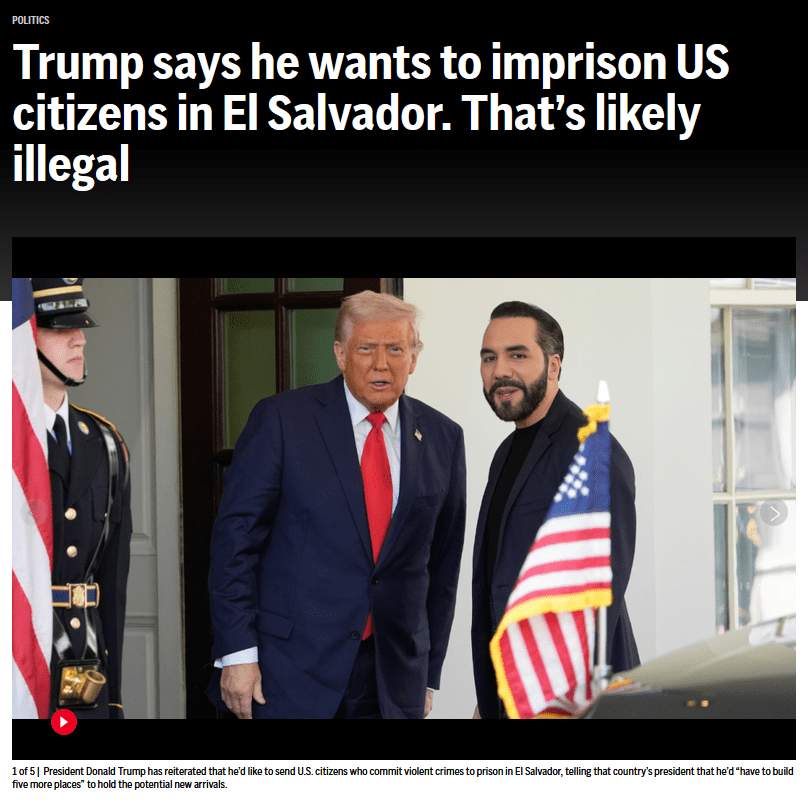
Trump being elected for a second term as President of the United States hasn’t changed much in the real world. Not yet, anyway.
What it had changed, dramatically, was our image of the world. Of the US, in particular, but also of the world as a whole.

This development has helped me to understand that we don’t deal in realities.
We don’t consider things, make decisions, by examining the things themselves. No!

We consider things by examining the images we have in our minds.

We look at things and we get a ‘set of data’. A virtual image.
We recollect from our memory whatever other information we have on the subject. Another image.
We put two and two together. And we reach a conclusion.
Most of the time ignoring the fact that we’ve been dealing with images instead of the real thing.

Until we are forced to acknowledge that our image was incomplete. Inaccurate…
Or that, simply, we’ve chosen to see what was more comfortable for us!

O constatare. Dacă o consideri din punctul ăsta de vedere.

Sau o normalizare. Fenomenul ăla prin care oamenilor ajunge să li se pară normal ca un anumit lucru să se întâmple. Fenomenul ăla prin care anumite lucruri ajung să fie considerate firești.
În situația asta, fenomenul prin care oamenilor de rând ajunge să li se pară firesc ca proștii să plătească un bir pentru condiția în care se află.

Și uite-așa ajunge prostia să fie considerată o resursă…
De către cei dispuși să o exploateze!

Și uite-așa ajung proștii să fie exploatați. Precum animalele de povară sau precum cernoziomul din Bărăgan.

Și asta în condițiile în care tuturor, inclusiv proștilor, situația începe să le devină din ce în ce mai normală…

Ce ți-e și cu normalizarea asta!


If it walks like a duck…
James Whitcomb Riley

By 1917 it seemed to Lenin that the war would never end and that the prospect of revolution was rapidly receding. But in the week of March 8–15, the starving, freezing, war-weary workers and soldiers of Petrograd (until 1914, St. Petersburg) succeeded in deposing the Tsar. Lenin and his closest lieutenants hastened home after the German authorities agreed to permit their passage through Germany to neutral Sweden. Berlin hoped that the return of anti-war Socialists to Russia would undermine the Russian war effort.

Do you remember the story about the early American Colonists “gifting of blankets and linens contaminated with smallpox” to the native inhabitants of the place?
It worked, to a degree, because the natives had no prior experience with the disease. Their immune systems had no prior experience with this pathogen. Which had been construed as an opportunity by those who had cooked up the plan, even though – in those times – nobody had any idea about ‘immunity’.

Lenin was also effective towards pulling the Czarist Empire out of WWI. Do we really care whether he was aware of the fact that he had been used as a 5-th column by Kaiser Wilhelm II’s strategists?

Do we learn anything?

The resistance that had been everywhere at first faded as the years went on.
The spectacles were exciting. Being amid the crowds was exciting.
The certainty, the unity—the pleasure in being superior to the scorned minority,
as well as the Dostoevskyan pleasure in overthrowing everything
—was exactly what had been missed.
Politicians, business leaders and others who should have known better
—and some who later deeply regretted it—drifted to his side, quietly,
often one by one, drawn by the thrill of power, plus the useful patronage it could give.
There also was the pleasure, relief, in not being targeted themselves.
David Bodanis, The Art of Fairness: The Power of Decency in a World Turned Mean (2021)

Life, in general, is about species evolving in a given set of circumstances. If the circumstances allow it, live will appear. And survive for as long as the circumstances remain livable. We must keep in mind that life changes the environment in which it evolves.
Social life, the human kind in particular, is about cultural species evolving in given sets of circumstances. For as long as the circumstances remain livable, cultural species will continue to evolve. To put their culture to work and to build civilizations. Each set of circumstances influencing both the culture which inhabits the circumstances and the civilization being built there.

Currently, there are three main categories of cultures. Imperial, democratic and incomplete.

I will start by noting that those cultures which are ‘incomplete’ have remained so because they didn’t have enough time to make ‘full use’ of the limited resources they had at their disposal.
The difference between the imperial and the democratic cultures being the fact that the imperial ones stagnate as soon as they reach a certain level of development while the democratic ones continue to evolve for as long as they manage to remain democratic. To retain their ability to change as soon and as far as they need in order to survive. To maintain their democratic character.

Need proof?
Are you familiar with any empire which had lasted for long?
The Egyptian? 33 dynasties covering 3 millennia? Is that long enough for you?
Well, not so fast. ’33 dynasties’ actually means 33 different empires. It was very seldom that a dynasty ended when/because there was no available successor… Most dynasties were removed from power rather than petered out. And, nevertheless, who cares about why a certain dynasty was replaced by the next one?!? The simple fact that it was replaced is enough for me. The replaced dynasty was no longer able to cope! Hence it had to make place for the next one. Another set of decision makers, naturally following a (however slightly) different mantra.

Don’t believe me? Consider any other empire. Evaluate the duration for which each dynasty had managed to hold the helm. And compare it with the fact that the Roman Republic had survived, as a functional democracy, for almost 5 centuries.

And no, Europe isn’t the only place where democratic forms of self-rule had happened during human history. Kurultai, Loya-Jirga… The mere existence of the concepts is proof enough for the budding democracies which might have developed in those places, given enough time and resources.

Then, if democracy is so much ‘better’ – as in more helpful towards the survival of a certain set of mores/culture – then why is it so ‘scarce’?

Well, for democracy to remain functional, at least some wise men need to remain both strong and focused on the job at hand. Otherwise, the helm will be confiscated by the would be strong but not so wise….

And why is it that good times tend to make weak people?
First of all, good times tend to weaken ‘the people’. Not as much to weaken the individuals living a good life as to make them careless. To take the good times for granted. To convince them that ‘times’ will continue to remain good regardless…..

Not having to struggle for their day to day existence tends to make ‘some of the wisest, happiest, and most peaceful men and women to spend much of their time alone at home, steering clear of UNNECESSARY drama, negativity and chaos’.

This being how successful democracies sometimes succumb to tyranny and how empires eventually crumble under their own weight.

And the LORD God said,
Behold,
the man is become as one of us,
to know good and evil:

We live in a world of our own making.
We build it by talking ourselves into shaping it one way or another.
If not careful, we end up building a lie!

Competition has nothing to do with what’s going on in the jungle!

The jungle is about eat or be eaten!
Competition is about rules. Follow the rule or you’re kicked out before you get to the end!
The competition stops being true the moment you break the rule and your co-competitors do not throw you out.
By not throwing you out, those in attendance have just transformed that particular pitch into a jungle!

Cooperation is the law of the civilization!
This part is true. But incomplete!
As I explained before, to compete implies to cooperate. Those involved in a competition want to know who amongst them is better in a particular field. And COOPERATE in order to find that answer. By doing that they also build what we currently call ‘civilization’.

Kropotkin might be forgiven for what he had said.
He didn’t get to witness the Chinese Cultural Revolution. That was the true pinnacle of ‘cooperation’! Not civilized by any measure…

We really need to be more careful with words.
With what we say and with what we end up holding to be true!

La mai puțin de 6 luni de la schimbarea de regim,
România a reconfirmat un fost membru al CC. CC al PCR.
După încă 35 de ani, unii dintre noi se gândesc să re-aducă la putere Garda de Fier!

Tot tămbălăul asta m-a făcut să mă aplec puțin asupra ideii de cauzalitate.

Logica ne învață că orice lucru are nevoie de o cauză.
Tot logica ne învață că nu prea are logică să preferi o babă care descântă de deochi în loc să te duci la medicul din sat. Chiar dacă tipul nu prea știe meserie, e șpăgar și singurul lucru la care se pricepe e să-ți dea o trimitere. Așa prost și șpăgar cum e doctorul ăsta, prin intermediul lui ai posibilitatea să fii ajutat. La un spital ca lumea. Dacă chiar te duci la baba aia… o să mori cu zile!

Cauza este un concept.
Azi dimineață am ascultat mierlele cântând. Cu nevasta în brațe, sub pătură și cu geamul deschis.
Mierlele nu au nevoie de o cauză! Ele cântă firesc.
Noi încercăm să determinăm, în mod științific, motivul pentru care cântă mierlele. Pentru că vrem să înțelegem. De ce cântă mierlele și orice alt lucru care se întâmplă în prezența noastră!

Tot încercând să înțelegem, am început să aflăm că sunt mai multe. Mai multe niveluri de cauzalitate.

Un nivel de suport. Fără de care nu se poate.
Nivelul la care se întâmplă lucrurile.
Factorul declanșator.

O plantă crește în pământ.
Dintr-o sămânță. Pusă acolo de cineva sau pur și simplu adusă de vânt.
Care sămânță a răsărit după ce suficient de multă apă a ajuns să o ude. Din ploaie, din irigație…

Din ce cauză crește planta?

Din ce cauză au ajuns atât de mulți dintre noi să regrete comunismul? Să fie dispuși să voteze un admirator al lui Putin?
Ce logică are să te declari admirator al lui Putin și în același timp să spui ca „legionarii au făcut și lucruri bune”?

Revenim la metafora cu planta care crește din sol.

Marea majoritate a oamenilor sunt nemulțumiți. De diverse lucruri.
Aproape toți cetățenii acestei țări și-au pierdut încrederea în clasa politică. Și în mare parte dintre instituțiile statului.
Această nemulțumire/neîncredere a fost identificată ca oportunitate de către diverși oportuniști.
Transformată în frustrare cu ajutorul social-media. Și exploatată în scop de divide et impera!

Cum a fost posibil? Ce au făcut organele statului? De ce au dormit intelectualii noștri?

Nici măcar eu nu le știu pe toate…
În orice caz, nu suntem singurii care pățim același lucru! Fenomenul are dimensiunea unei pandemii.
Cert este că la noi avem de a face cu a treia iterație.

Unirea cea Mică, de pe vremea lui Cuza, a produs un mic salt înainte. România s-a conectat într-o oarecare măsură la circuitele economice europene. Războiul de Independență. Începutul industrializării, câteva căi ferate. Câteva scandaluri de corupție, Răscoala de la 1907…
Unirea cea Mare, de pe vremea Bratienilor, a coincis cu al doilea salt înainte. Industrializare serioasă, agricultură, relevanță diplomatică – vezi Titulescu. Noi scandaluri de corupție, detronarea și revenirea lui Carol al II-lea. Garda de Fier și Antonescu urmate de 45 ani infernali sub dominație comunistă.
Revenirea la normalitate a fost începutul celui de al treilea salt înainte. Racordarea la Europa și la restul lumii. Ne-am apropiat semnificativ de nivelul mediu din Europa și suntem mult deasupra nivelului mediu dacă luăm în considerare restul planetei. Și iar încercăm să ne dăm singuri foc la valiză… spre bucuria celor care abia așteaptă să ne fure cu totul!

Spuneam mai devreme că doar noi, oamenii, avem nevoie de cauze.
Că am inventat conceptul de cauză în drumul nostru către înțelegere.
Că lucrurile decurg firesc, atâta vreme cât nu ne băgăm noi coada! Atâta vreme cât nu inventăm noi tot felul de giumbușlucuri cu care ne rupem singuri picioarele.

Înțelegem odată chestia asta?
Că noi suntem cauzele?

Că noi suntem cei care facem și dregem?
După care tot noi suntem cei care tragem consecințele?

L’etat c’est moi!
Louis XIV, 1643-1715,
autrement connu comme le Roi Soleil

Statul este instrumentul prin intermediul căruia este asigurată evoluția.
Instrument dezvoltat de către organismul social, este utilizat de către acesta pentru a face față provocărilor. Războaie, revolte, catastrofe naturale…
Statul organizează în scop administrativ informația de care are la dispoziție și o folosește atunci când este cazul.

Folosit în mod propice, pune la dispoziție celor care îl locuiesc căile și mecanismele prin care aceștia valorifică resursele pe care le au la dispoziție și oportunitățile pe care reușesc să le identifice.

Căzut pe mâna unor impostori, statul devine instrument de distrugere în masă.

Pe vremea monarhiilor absolutiste, era treaba proprietarului – adică a monarhului absolut – să păstreze statul în stare de funcționare.
Pe vremea democrației, a poporului suveran, e treaba acestuia să păstreze statul în stare de funcționare.

Diferența dintre democrație și monarhie absolutistă a devenit evidentă în timpul Revoluției Franceze.
Dacă statul nu funcționeză cum trebuie, cel responsabil de funcționarea acestuia suportă consecințele.
Ludovic al XVI-lea a plătit cu capul. La propriu.
Ceaușescu a scăpat puțin mai ieftin… sau măcar mai întreg!

„Ce e de înțeles” din toată chestia asta?

Că dormim după cum ne așternem!
Că degeaba credem că o să vină cineva călare pe vre-un cal alb… care să…
Noi suntem cei care trebuie să ne facem ordine în bătătură! Pentru că nouă ne intră musca în casă dacă permitem mizeriei să ni se adune în curte!

Aș vrea să fiu bine înțeleasă. Candidatura dlui Georgescu era de o toxicitate extremă, bazată pe manipulare, minciună, organizații violente și înarmate, conspirații cu Estul. A da România pe mâna acestui om ar fi fost o nenorocire.

Dar cea mai mare nenorocire este că am ajuns la acest moment de hipnoză colectivă provocat de inepția și nerușinarea clasei politice și că mecanismele, filtrele raționale ale electoratului nu au funcționat. Că atât la nivelul instituțiilor, cât și la cel al electoratului ne-am descoperit total lipsiți de sistem imunitar.

Este bine că pericolul imediat numit Georgescu a fost eliminat, mă aștept să facă ani buni de pușcărie pentru toată mizeria scoasă la iveală, dar aceasta a fost doar o tristă măsură sanitară. Important era să nu ajungem aici și esențial este să nu mai ajungem vreodată, iar pentru asta refacerea instituțiilor și a legăturii dintre guvernați și guvernanți este cheia.”

Sometimes reading about history is not enough.
You might need to live at least some aspects of it…

I’m sure most of you are familiar with this notion.
With the notion that war is an art and that Sun Tzu was at least a notable teacher. In this domain.
And the second place goes to

Now, that we have established whom we consider to be the THE greatest experts on war, would you be so kind as to tell me when was the last time that China – or Germany, for that matter – had vanquished their opponents? After their respective treaties on war had been compiled…

My point being that a really ‘successful’ war ends with both parties understanding that there’s no point in fighting one.
That whenever the winner starts boasting about their exploits, that war has been fought for nothing. The winner might have won the war but they certainly had lost the peace.
My secondary point – and, maybe, the more important one – being that we tend to treat the current war using the knowledge gathered during the previous one, Which seems rational, right?!?

Yeah… well… The only successful war in our recent history – and only partially at that – was WWII.
WWI was fought for nothing. At the end, the victors had copied the actions of those who had won the previous wars. Imposed hefty reparations upon the vanquished. Hence the advent of Hitler.
WWII was not only terrible but also widespread. France, Germany, Italy, the Central Europe and, to a central extent, the Great Britain have been so thoroughly destroyed that people there did learn their lesson. No more war. Hence a completely different approach to peace than after WWI.
Inclusion of the former aggressor instead of punishment.

The next global war was the Cold one.
Fought mainly between the two WWII victors who had not directly experienced war. The US and the USSR.

What?!?

Well, just think about it.
France, Germany, Italy and so on had been occupied. Experienced hot war on a first hand manner for years on end. Great Britain had not only fought but had also been bombarded.
The US had fought in the war but only Hawai’i had directly experienced it.
And when it comes to the USSR the situation is… complicated. The eastern part of the WWII had been fought mainly in Ukraine and in the western part of Russia proper. The only main city directly affected by war was Sankt Petersburg/Leningrad. The rest of the Russian Federation had experienced less disturbance than western Ukraine in the present conflict.
And what did the free world do after the Cold war had been concluded? Specially the Americans?
Boasted? About their exploits?

How was the loser treated?
The westerners tried to do what the allies had done after WWII? Integrate the loser into the ‘brave new world’? Without understanding that the loser had not accepted its status?

Identificăm neplăcerea.
Identificăm cauza.
Identificăm potențialul remediu.

Prea multă lume suferă.
Care suferință este folosită ca o resursă. De către cei care consideră acest lucru ca fiind acceptabil.
Sub ochii pasivi ai celor care consideră că nu este treaba lor și/sau că pe ei nu-i afectează ce se întâmplă.

Această postare nu este despre imigranți. Nu este doar despre imigranți…
Este despre oameni. Despre oameni care suferă. Despre oameni care exploatează suferința. Și despre oamenii care încă n-au înțeles ca suferința semenilor lor va ajunge, la un moment dat, și la ei.
În situația în care, profitând de nepăsarea indiferenților, cei care exploatează suferința continuă să ne taie tuturor creaga de sub picioare.

Bănuiesc că ați identificat deja ‘cauza’.
Procesul la care asistăm – și care este pe cale să destructureze însuși modul nostru de viață – este pus în mișcare tocmai prin instrumentalizarea suferinței umane. Identificarea acesteia ca fiind o oportunitate și apoi ‘înhămarea’ ei conform scopurilor celor care încearcă să profite de pe urma existenței acestei suferințe.

Care este remediul?

Soluția ‘banală’ ar fi rezolvarea tututor problemelor care produc suferințe semenilor noștri.
Nerealist? Au încercat și comuniștii chestia asta? Chiar dacă doar la nivel declarativ? Și mai rău au făcut?

Soluția realistă comportă trei aspecte.
Acceptam că fiecare dintre noi avem limitele noastre. Și că nici unul dintre noi n-am putea să ne descurcăm de unul singur.
Acceptăm că avem la dispozitie un spațiu limitat. Că nu avem unde să ne ascundem. De ceilalți și nici de consecințele faptelor noastre.
Acceptam că primii care trebuie să facă ceva suntem noi. Fiecare dintre noi. Pentru că noi suntem cei despre care e vorba!

Odată acceptate cele trei chestii de mai sus, remediul este gata.
Renunțăm la pasivitate!
Tragem de mânecă pe cei care exploateză suferința. Le explicăm consecințele faptelor lor
Îi ajutăm pe cei care suferă. Inclusiv deschizându-le ochii cu privire la adevăratele cauze ale suferințelor lor.

Iar primul pas, și poate cel mai important, este să nu ne mai înjurăm între noi dacă se întâmplă să avem păreri diferite. Să nu ne lăsăm provocați de cei care bagă bățul prin gard.
Să nu dăm vina pe victimă pentru cele înfăptuite de agresor.

Al doilea pas, la fel de important, este să conștientizăm cât de mult datorăm norocului!
https://press.princeton.edu/books/hardcover/9780691167404/success-and-luck?