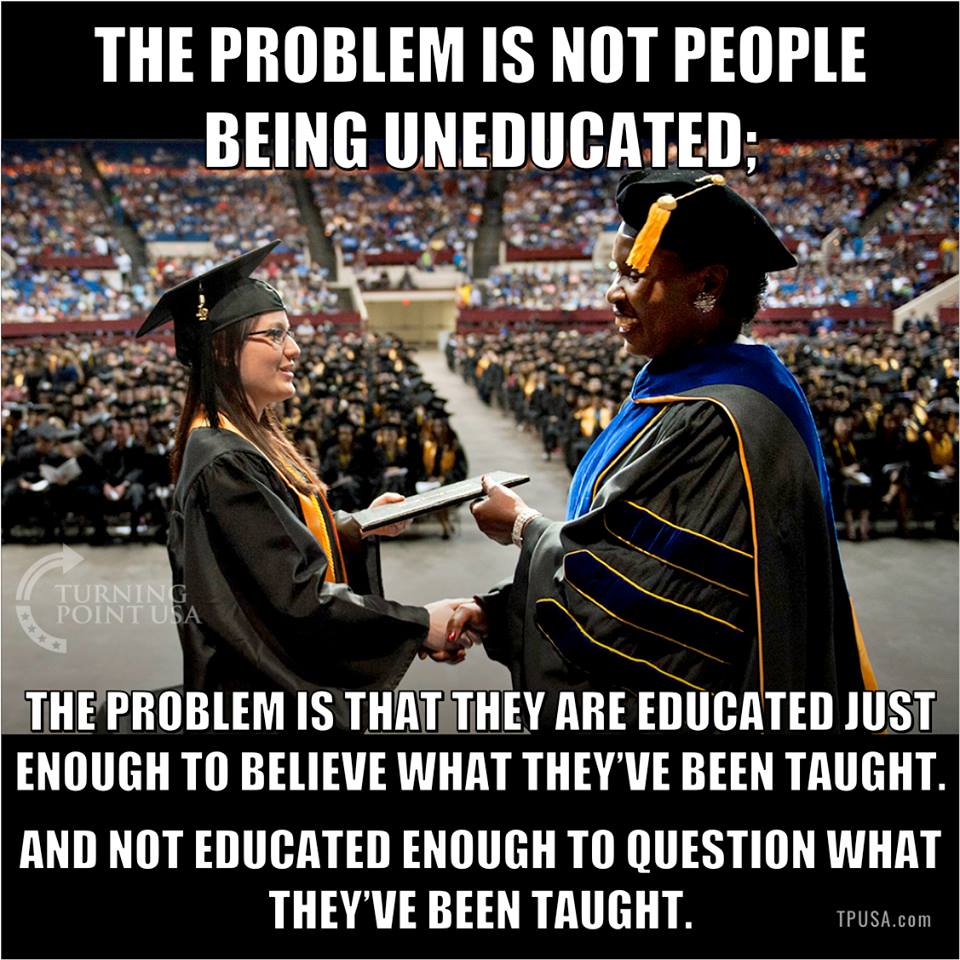
If you are not aware of at least some of the many ‘forces’ which attempt to control your mind, at least in part, you are just as ‘out of your mind’ as those who believe their minds are successfully and consistently controlled by outside agents.

And those who are convinced they are in control of other people’s minds.

Da, craca de sub picioare nu se taie cu fierăstrăul ci cu grație.
Cu multă grație și cu joc de gleznă.

Găsesc azi dimineață pe FB un ‘reportaj’ sui-generis.
Într-un microbuz Satu-Mare – Cluj-Napoca cățiva călători se laudă cu isprăvile lor.

O doamnă ‘respectabilă’ povestește unei cunoștințe cu care nu s-a mai întălnit demult cum și câtă șpagă a dat medicului psihiatru care scos-o (doar?) atât de nebună încât să poată ieși la pensie înainte de termen iar un tânăr plin de ‘energie’ îi relatează unui prieten că era atât de beat când a ‘luat sala’ încât polițistul care îl supraveghea – și care fusese „arvunit” doar să-i șoptească răspunsurile corecte – a fost nevoit să ‘ia problema în mână’ și să apese el însuși  tastele calculatorului. (La ‘traseu’, tânărul nostru nu ar mai fi avut nevoie de ajutor, conducea deja ‘printre sate’ de câțiva anișori, tot cu complicitatea poliției).

OK, și de ce vă plictisesc eu cu toate astea? Fiecare dintre noi știe cel puțin câteva povești echivalente, nimic de aici nu reprezintă vreo noutate… Nici măcar relatarea amănuntului că restul călătorilor, spectatori fără vină ai spovedaniilor ad-hoc, dădeau din cap aprobator/amuzați – sau poate doar plictisiți, aici depindem exclusiv de starea de spirit și de punctul de vedere al ‘raportorului’…

Ei bine, partea interesantă abia acum începe.
Sau, mai bine spus, prima frază cu adevărat semnificativă din articolul respectiv – care, de fapt, nu era ‘reportaj’ ci o filipică masochistă la adresa noastră, a tuturor – este abia antepenultima:

„Poporul ăsta are o minoritate conștientă, educată și preocupată de moralitate și onestitate care reprezintă doar 5, maxim 10% din volumul total al locuitorilor, pe când corpul majoritar al nației este putred, ignorant și captiv exclusiv în primele două etaje ale piramidei lui Maslow, cu rare evadări absolut întâmplătoare la al treilea nivel.”

Ei bine, de mult nu am mai fost în prezența unei atât de intense combinații de semi-doctism agresiv cu un defetism atât de coroziv încât, dacă ar fi fost autentic, ar fi dizolvat demult ‘flaconul’ în care este purtat prin lume.

Dar asta nu e totul.

„Talpa țării e inimaginabil de nespălată și perforată purulent de cuiele ruginite pe care și le bate singură, iar modelul Dragnea, infractorul condamnat definitiv care continuă să își taie felii din ciolanul național, este, din perspectiva majorității, doar un ”băeat dăștept, care se descurcă, fiindcă e bazat, frățioare!” Corupția nu este o problemă națională, decât în măsura în care indivizii de la etajul de jos îi invidiază pe marii bandiți ai poporului și doresc doar să le ia locul și să le preia avantajele abuziv acordate.”

Acuma, că m-am calmat – nici nu știți cât de mult te liniștește efortul de a scrie cu diacritice dacă nu faci chestia asta în mod curent, să o luăm metodic.

„Poporul ăsta are o minoritate conștientă, educată și preocupată de moralitate și onestitate care reprezintă doar 5, maxim 10% din volumul total al locuitorilor”.
Așa o fi, n-am date cu care să contrazic această afirmație. Și, de fapt, nici nu știu vre-un alt popor (de ‘filozofi’) unde să existe o ‘minoritate mai mare de 10%’ care să fie „preocupată” de chestii din astea ‘eterice’. Nota bene, vorbesc aici de oamenii „preocupați” și nu de cei care respectă, în mod normal, în viața de zi cu zi, normele de morală general acceptate de comunitatea din care fac parte.

„… pe când corpul majoritar al nației este putred, ignorant … ”

Hait!
Prima mea reacție a fost să-mi iau valiza și pașaportul și să mă îndrept, în pas vioi, către primul punct de trecere al frontierei – cel de la Aeroportul Internațional Otopeni.
Noroc că am mai avut răbdare să citesc și ultima frază – „În ziua când o să aflați că am plecat definitiv de aici, vă veți aminti poate de acest articol și veți înțelege de ce.” – de unde mi-am dat seama că situația nu e încă chiar atât de ‘groasă’ – dacă nici Doru Șupeală, autorul acestor rânduri nu a plecat încă… pot să termin mai întâi ce am început să scriu…

Și totuși!
Așa putred și ignorant cum e ‘corpul asta majoritar’, am reușit să supraviețuim unor condiții geo-politice nu foarte prielnice și unor tentative destul de bine organizate de a fi furați cu țară cu tot.
Nici macar nu am pus botul la tentativele de a fi învrajbiți unul împotriva celuilalt, pe indiferent ce motive.

S-ar putea ca explicația, și soluția, să fie în altă parte.

Toată lumea, înclusiv ‘ignoranții’ din corpul majoritar, stie ca Mihai Eminescu a fost un poet de geniu. Puțini știu, si din păcate printre ignoranții în domeniu se numără foarte mulți dintre ‘minoritarii’ ce se bat cu cărămida cinstei in piept, că Eminescu a fost și un foarte pătrunzător sociolog. Dincolo de exagerările sale ‘poetice’, teoria lui cu privire la ‘patura superpusă’ și la rolul pe care aceasta îl joacă în cadrul ‘statului organic’ precede cu câteva decenii bune teoria echivalentă a lui Pareto cu privire la circulația elitelor precum și teoria complementară a lui Maslow, cea cu privire la ierarhia nevoilor umane – invocată de altfel și de Doru Șupeală.

Coborând cu picioarele pe pământ, aici unde ‘corpul majoritar, putred, ignorant și „captiv exclusiv în primele două etaje ale piramidei lui Maslow”‘ este nevoit să ‘se descurce’, constatăm că situația este mult mai nuanțată decât ne este prezentată de către manicheiști (masochiști?).

‘Majoritarii cei putrezi’ se revoltă periodic – de fiecare dată când le ajunge cuțitul la os.
Fizic, ca în Decembrie ’89, sau atunci când nu mai pot suporta fariseismul celor aflați, temporar, în ‘fruntea bucatelor’ – așa cum s-a întâmplat după tragedia de la Colectiv.
După care se întorc ‘liniștiți’ la casele lor, punându-și, pentru a câta oară?, speranța în ‘noua patură superpusă’ – ‘poate că de data asta…’

Poate că o fi vorba aici de o oarecare doză de naivitate.
Cu siguranță că este vorba și de o mare doză de oportunism. Prea mulți dintre noi – inclusiv foarte mulți dintre cei ‘5, maxim 10% din volumul total al locuitorilor’ care sunt preocupați de moralitate și onestitate – își calcă pe inimă atunci când se simt la ananghie și copiază comportamentul aberant promovat de prea mulți dintre cei care fac parte din patura super-pusă.

Și uite-așa, cătinel, am reușit să punem degetul pe rană.

„…comportamentul aberant promovat de prea mulți dintre cei care fac parte din patura super-pusă.”

Șpaga, de exemplu, este comportament aberant doar atunci când o dai – sau o iei – ca să te îmbogațești.
Frizerii, profesorii, și chiar doctorii, care nu ar putea să traiască decent fără ‘suplimentele’ care le sunt oferite benevol de către cei care beneficiază de serviciile lor se comportă de-a dreptul normal. Acțiunile lor sunt justificate atât de ‘piramida’ lui Maslow – după cum bine, dar incomplet, arăta Doru Șupeală – precum și de ‘obiceiul pământului’ – norma socială dominantă în societate, normă exemplificată și promovată, de facto, de chiar pătura super-pusă.

‘Păi dacă toți șmecherii ăia de la televizor fac chestii din astea tot timpul, de ce n-aș face și eu?’

Iar ‘șmecherii aia de la televizor’ nu sunt doar ‘clienții’ DNA-ului.

Cei care se duc la biserică știu ca preoții își cumpără parohiile, cei care iau parte, oricât de tangențial, la o campanie electorală știu ca lucrurile nu sunt chiar atât de curate pe cât ar trebui să fie iar oamenii care trăiesc în viața reală știu că și printre cei care predică ‘abstinența premaritală’ mai sunt câte unii care ‘calcă alături’:

“Să ieşim din ipocrizie. Dacă există corupţie, singur statul nu poate fi corupt, are un partener. Statul nu poate fi singur neperformant. Are un partener şi acesta este economia privată”, a susţinut preşedintele Băsescu. El a subliniat că asumarea responsabilităţii trebuie făcută de ambele părţi.

Și atunci?
De ce să dăm vina exclusiv pe ‘corpul majoritar’? Care, în fond, se comportă cât se poate de ‘rațional’. Dau șpagă doar atunci când este absolută nevoie, fură mai ales de la ‘stat’ și în nici un caz tot timpul…. Până la urmă marea majoritate, chiar și cei mai ‘hoți’ dintre noi, respectăm cea mai mare parte a normelor, aproape tot timpul.
Nu prea aduce chiar a ‘putreziciune ignorantă’…

O fi mai ușor să dăm vina pe ‘ceilalți’ – indiferent de cât de mulți or fi ei, cel puțin atâta vreme cât rămân ‘ignoranți cu privire la ce le punem cârcă’ – numai că acțiunea asta are rezultate foarte limitate. Ne simțim noi eliberați de responsabilitate și atât.
Iar cand ‘ignoranții’ vor pricepe ce le-am pus în cârcă s-ar putea ca eforturile noastre să devină contraproductive, dacă nu chiar sinucigașe de-adreptul.

Problemele noastre iși vor găsi rezolvarea abia atunci când vom înțelege întreaga semnificație a proverbului despre ‘peștele care se-mpute de la cap dar se curață de la coadă’.
La pești e simplu. Iei un cuțit și îi cureți. Dacă merită. Sau îi arunci, dacă sunt prea ‘împuțiți’ ca să mai merite efortul.
Când avem de a face cu o întreagă societate, chestia devine mult mai complicată.

Cel care își asumă cuțitul, și care pretinde că vrea să facă curățenie, face parte, și el, din acea societate. Până nu își asumă contribuția lui la starea în care se află întregul organism nu merită încrederea celorlalți.

Câtă vreme va incerca să paseze celorlalți întrega răspundere pentru ce s-a întâmplat până atunci e clar cum are de gând să folosească cuțitul, dacă acesta va ajunge vreo-data pe mâna lui.

Atenție!
Asta nu însemnă că acel cuțit trebuie încredințat primului care își pune cenușă în cap!
Penitența este o condiție necesară dar nici pe departe suficientă.
Pentru asta avem la dispoziție partea a doua a proverbului, cea referitoare la ‘coadă’.
OK, ai greșit, ți-ai recunoscut partea de vină, ți-ai cerut scuze și acum vrei să participi la efortul de curățire a obștii. Foarte bine!

Dar ai făcut mai întăi ordine la tine în batătură?
Ai pus lucrurile la loc, așa cum erau înainte de a fi căzut tu ‘în greșeală’?

stephenhawkinghistory_web_1024

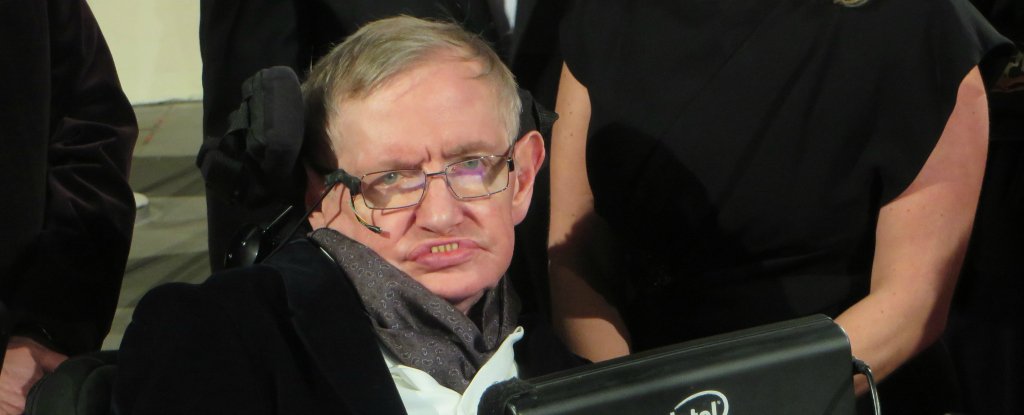
“We spend a great deal of time studying history, which, let’s face it, is mostly the history of stupidity.” (Stephen Hawking speaking at the Cambridge University)

Really?

First of all what we call ‘history’ is not what had happened but a story comprising the subjects some of us had chosen to write about, in the manner they saw fit to do it.

Secondly, until very recently most people had a very vague – and heavily biased – idea about what had happened in their past.
Only in the last two hundred years or so a very small number of people have started to study what had happened in their past in a value neutral manner and, unfortunately, their efforts are still being disparaged by many and ignored by a vast majority.

Coming back to Hawking’s words, I must admit that we, as a species, have done indeed a lot of stupid things.
But, as a whole, the sum of our deeds is far from being negative.

After all… we’re still here, aren’t we?

And, despite the huge amount of misery that is still being experienced by a lot of us, we are doing better than our great parents used to do.

So it is hard for me to agree with Hawking on this subject.

He is right about one thing though.
We are currently doing a very stupid thing indeed.
Our ancestors had the excuse that historical information was very scarce.
This is no longer the case.
While they could have claimed ‘innocence’ when re-enacting an error that had already been committed we no longer have that luxury. We should have known better since it is a lot easier for us to learn than it was for our great-parents.
We really need to stop ignoring the lessons we have at our disposal.

And there’s something else which further complicates the situation.
We have become so powerful that our mistakes can have far worse repercussions than any of our ancestors ever had.

So while I don’t think our history is that full of ‘stupidy’ as Hawking believes it to be I share his concerns about the stupid things we may be making in the future if we don’t wake up and start learning from the stupid enough mistakes we have  already done.

As I said before, we make our own history.
We do the things that will constitute tomorrow’s history and we write the story of things that constitute our past.
Let’s not do, nor write, a ‘stupid’ one.

Unfortunately, sometimes essential meaning is lost not only ‘in translation’ but also during ‘interpretation’.

While reading an excellent article about Zineb el Rhazoui, a Charlie Hebdo survivor, I encountered the notion that “Islamophobia is not an opinion: it is an offense.

Come again?!?

Is it possible that anybody might be offended by someone who’s being afraid? Regardless of that fear being reasonable or not?

Since that notion was said to have been promoted by Collective against Islamophia in France I checked their site, hoping to understand what they mean by that.

“For the CCIF, Islamophobia has a clear definition:
It consists of all acts of rejection, discrimination or violence against institutions or individuals on the basis of their real or perceived belonging to the Muslim faith.”
OK, so they are not offended as much by the fear itself but by the heinous actions some people take against people belonging to the Muslim faith, on the basis of the real or faked fears felt by the perpetrators.
But this is far from being OK.
What these guys are doing is confounding people’s minds.
They keep preaching that ‘Islamophobia is bad’ to people who are very naturally afraid of the actions perpetrated by some wackos who pretend to be Muslim.
This doesn’t make any sense.
It’s like saying that people living in a seismic area should not be afraid of earthquakes. And instead of building their houses in a certain manner they should go to the shrink and treat their unreasonable fears.
If some people who pretend to be Muslim behave in a totally unacceptable manner it is not reasonable to expect that all Muslim will behave in the same way but after so many bad things that have been committed by people pretending to belong to the Muslim faith it would be unreasonable not to try to understand what is going on.
On the other hand those who strongly disagree with the CCIF, Zineb el Rhazoui among others, make the mistake of deepening the confusion instead of calling the bluff for what it is:
“This is very dangerous because it has even entered the dictionary as hostility towards Islam and Muslims. Yet criticism of an idea, of Islam or of a religion cannot be characterized as an offense or a crime. I was born and lived under the Islam of Morocco and live in France and I have the right criticize religion and this dictatorship of Islamophobia that says I have no right to criticize! If we criticize Christianity it doesn’t mean we are Christianophobes or racist towards the ‘Christian race.’”
In real life criticism is one thing while violence – verbal violence, even – and rejection are completely different things.
Confounding these two categories is feeding the very monster who is menacing all of us – militant intollerance.
The article about el Rhazoui also mentions her latest book: “Destroy Islamic Fascism“.
I don’t agree with all the ideas excerpted there but there’s one which should grab the attention of all Muslims who describe themselves as being moderate:
“As for mainstream or moderate Muslim clerics, El Rhazoui tells Women in the World that during the Burkini debate in France not one Imam stood up and said “Hey, wait a minute, you can be Muslim and wear a [regular] bathing suit.””
She also says that ““The Muslim religion has its place in the modern world if it submits itself fully to the laws that rule humanity today: universal principles of equality between men and women, sexual and individual freedom, and equality for all, no matter your creed or religion. Until Islam has admitted this and accepted that the freedom of men and women is superior to it, Islam will not be acceptable.””
I’m afraid there’s a small problem with this.
A religion exists only as long as it has followers and inasmuch as those who belong to it choose to make of it.
It is not ‘Islam’ that has to ‘admit’ anything but the Muslim people themselves.
In this sense it is counterproductive for us, the free thinkers of the world, to peruse the Quran in search of violent episodes and then use them to demonstrate that ‘Islam is not a religion of peace’.
What we need to do, if we want to destroy the Fascism which happens to be of Islamic nature, is to win more and more Muslims to our side.
Making fun of their main Book and of their Prophet won’t achieve that. On the contrary.
On the other hand, giving in to even the most unreasonable things in the name of ‘tolerance’ isn’t helping either.
The Federal Court of Canada ruled in February 2015 that the policy requirement for women to remove their niqabs during their oath swearing at Citizenship Ceremonies is unlawful, as it interferes with a citizenship judge’s duty to allow candidates for citizenship the greatest possible freedom in the religious solemnization or the solemn affirmation of the oath. The Minister of Citizenship and Immigration filed a notice of appeal to challenge this decision at the Federal Court of Appeal and the lower court’s decision is not in effect until the appeal has been decided by the Court.  As a result, women who wish to swear a citizenship oath may not do so with their faces covered.
What kind of oath is that which is pledged by a faceless person?
How strong is that person’s adherence to our value regarding ‘openness and transparency’ and how willing is that person – or her husband/father/mother/sibling who makes her wear a niqab, presumably against her will – to respect and promote our notion of gender equality?
PS I
And how about replacing ‘Islamophobia’ with ‘anti-islamism’?
PS II
Why is it that the spelling checker suggested me that I should write ‘anti-Islamism’ while ‘antisemitism’ is not usually written using a capital s?

Just stumbled upon this joke:

One day, all the human body parts started arguing about who was on top… The mouth said, ”I should be on top because, without me, you wouldn’t be able to eat.” Then the stomach said, ”Ya but if it weren’t for me, you wouldn’t be able to digest and transfer all the minerals and vitamins throughout the body, I should be on top.” Then the heart said, ”I should be on top because I’m the one who takes the blood from point A to point B. Without me, the body would die.” Then the brain said, ” Well, without me, you wouldn’t be able to move, eat, digest or allow circulation of blood, so I should be on top.” Now, the asshole was beginning to get annoyed, ”You know, I should be on top because I can just shut my hole and then shit will accumulate and block the digestive track and screw all of you up.” It was chaos, everyone was yelling and fighting. Finally, the asshole got fed up, ”That’s it, I’m fed up, I’m shutting up my hole.”

So for a few days, the body couldn’t shit and the brain had trouble moving, the stomach digesting, the mouth eating and the blood flow going, everyone was begging the asshole to open up, The brain said, ”Please open up, you made your point, your on top, just open up.” The asshole smiled, ”So everyone agrees that I’m on top?” ”YES” everyone shouted. ”OK!” so the asshole opened up and the body could shit again. The moral of this story is, you have to be an asshole to be on top…“

Isn’t this interesting?

A bunch of guys are too thick to understand that they cannot live one without the others and to learn what mutual respect really means, one of them decides to teach the group a well deserved lesson and it is he who ends up being considered an ass-hole…

On the other hand… there are so many examples of ass-holes who end up ‘on top’ simply because they are the ones willing to do anything in order to get there – not caring at all if their actions hurt everybody else who happens to be around… AND because those who end up being hurt don’t see it coming or are too lazy, too thick or both at the same time, to do anything about it…

Recenta măsura legislativa de creștere a sprijinului financiar pentru mamele cu mai mulți copii a stârnit diverse și variate reacții.

Ana Măiță, de la Asociația Mame pentru Mame, spune ca banii suplimentari pot fi de un real folos dar că această inițiativă ar trebui să fie doar începutul. ‘Este nevoie de îmbunatațirea reală a infrastructurii de sprijin a celor care încearcă să crească copii in Romania. Creșe, grădinițe, asistență medicală, stimulente fiscale pentru cei care angajează în mod legal bone, etc., etc….’
Părinţii nu au o problemă cu a face copii în România, au o problemă când e vorba să-i crească. Şi este dureros să aleg să-i crescă în alte state, care, culmea, poate nu au aşa indemnizaţii generoase pentru creşterea copiilor, dar au un sistem de suport pentru părinţi mult mai bine pus la punct.”

Vasile Ghețău, directorul Centrului de Cercetări Demografice al Academiei, ne sugerează ca, înainte de a continua același gen de măsuri pe care le-am folosit și până acum, să încercăm să înțelegem de ce atât de multe cupluri tinere renunță să facă copii sau se opresc la unul, cel mult doi urmași.

Teoria evoluționistă susține că fenomenele apar ca simple întâmplări și se perpetuează în măsura în care acestea se potrivesc cu setul de condiții care determină o situație sau alta.

Deci, pe urmele Profesorului Ghețău, să căutam care sunt acele condiții care ii ‘încurajează’ pe tineri sa se abțină de la a da urmare îndemnului, până la urma firesc, ‘creșteți, înmulțiți-vă și stăpâniți lumea’.

Ca instrument de analiză vă propun să folosim Piramida lui Maslow. Chiar dacă a fost ‘denigrată’, mai ales de psihologi, aceasta poate deveni un instrument valoros, mai ales în sociologie.
Voi face o scurtă digresiune pentru a explica la ce mă refer.
Teoriei lui Maslow i se reproșează o anumită ‘lipsă’ de rigoare științifică – “However, after Maslow’s death in 1970, researchers did undertake a more detailed investigation, with attitude-based surveys and field studies testing out the Hierarchy of Needs. “When you analyse them, the five needs just don’t drop out,” says Hodgkinson (a psychologist at Warwick Business School). “The actual structure of motivation doesn’t fit the theory. And that led to a lot of discussion and debate, and new theories evolved as a consequence.”
Reproș absolut nemeritat, în primul rând pentru că Maslow însuși a prezentat-o ca pe un început fără pretenții: „The present theory then must be considered to be a suggested program or framework for future research and must stand or fall, not so much on facts available or evidence presented, as upon researches to be done, researches suggested perhaps, by the questions raised in this paper.”
Alți cercetători, cu procupări mai degrabă sociologice decât psihologice, au opinii mai nuanțate: „The researchers also discovered that those who felt their life was positive did so more when their most basic needs of food, shelter, and money were met. The higher needs, autonomy, respect, and social support, were linked to a feeling of joy. “Thus life satisfaction is not just an individual affair, but depends substantially also on the quality of life of one’s fellow citizens,”

Concluzia pe care o trag eu este ca Teoria lui Maslow are o puternică ‘încărcătură’ statistică, în sensul că observațiile sale sunt valabile mai degrabă ca medii rezultate din observarea unor populații întregi decât ca niste reguli cărora s[ li se supună indivizi izolați. Și aceștia respectă, bineînțeles, acelaș tip de legități,  însă cu puternice ‘variații’ individuale și nu în mod deterministic, așa cum și-ar dori psihologii și departamentele de HR.

Simplificând puțin teoria, putem grupa cele cinci etaje ale piramidei în trei mari etape.

– Cea care grupeaza necesitățile ‘fiziologice imediate’: de regulă, și mai ales în situația indivizilor valizi, acestea sunt satisfăcute în principal prin eforturi individuale, chiar dacă efectuate în context social.
– Cea care grupeaza necesitățile legate de siguranța persoanei, apartenența la grup și stima de sine – fiecare dintre ele putând fi satisfăcute nu doar exclusiv in context social ci doar exclusiv cu concursul activ al celorlalți membrii ai comunității imediate persoanei despre care vorbim și
– Cea care marchează, de fapt, întoarcerea la autonomia individuală – actualizarea sinelui. Ne-uitand nicio clipă, bineînțeles, că și această etapă are loc, indiferent de cât de puternică este componenta individuală, tot în context social – individul însuși a fost deja puternic modelat de societatea în care/cu ajutorul căreia și-a satisfăcut – în ce măsura în a fost capabil să o facă în condițiile date – necesitățile grupate în primele doua etape.

Să vedem cum reușește populația Romaniei să își satisfacă aceste trei categorii de necesități, ținand cont de faptul că evaluarea rezultatelor este făcută de invizii în sine, procesul fiind mai degraba unul de tip iterativ – fiecare om își re-evaluează, constant, situația și, în plus, compară rezultatelele obținute de sine cu cele obținute de ‘ceilalți’.
Și cum din ce în ce mai mulți Români au acces la internet acești ‘ceilalți’ sunt din ce în ce mai departați de punctul ‘de stație’, atât în sensul geografic al conceptului cât și in cel cultural.

Necesitățile ‘fiziologice imediate’.
Din păcate suntem încă destul de departe de media Europeană – cea pe care o cunoaștem, din ce în ce mai mulți, din ce în ce mai bine. Și cu toate că o cunoaștem, nu prea reușim să ne apropiem suficient de repede de ea.
Cu toate astea sunt anumite segmente de populație din Romania care par a nu lua în considerare aceste aspect. Dupa cum sunt și unele popoare, care trăiesc mult mai prost chiar și decât cele mai defavorizate grupuri din Romania, care continuă să dea naștere unui număr de-a dreptul eroic de copii. S-ar putea deci ca acest aspect, cel direct material și relativ ușor de rezolvat cu mijloace financiare, să nu fie chiar atât de definitoriu pe cât speră cei care promovează, mai degrabă ‘expeditoriu’,  măririle de alocații…. mai ales că același fenomen de încetinire a nașterilor apare și în alte țări, unele cu niveluri de trai mult peste cel din Romania. Japonia, Germania, Scandinavia…
Unii ar spune chiar că ‘prea multă bunăstare moleșește’. Nici asta nu mi se pare a fi vreo certitudine. Îmbătrânirea demografica apare și în Rusia, care, cu toate progresele făcute, nu poate încă rivaliza cu țările din Europa de Vest, precum și în Grecia, țară cu mult in urma Germaniei la capitolul nivel de trai si doar cu foarte putin in urma ei la capitolul fertilitiate – 1,3 copii nascuți la o femeie față de 1,4, in 2013. România, la aceiași dată, înregistrând aproape 1,4, adica undeva intre Grecia si Germania – cu toate ca nivelul de trai este semnificativ mai mic decât în oricare dintre acestea două.

Pe de altă parte sunt unele tari cu un nivel de trai foarte ridicat care nu suferă de această problema. SUA și Israelul de exemplu.

Grupa necesităților psiho-sociale – adica cele care isi gasesc implinirea in etajele 2, 3 și 4 ale piramidei, pentru care este nevoie de colaborarea celorlalți membri ai comunității și, mai ales, care determina hotărâtor modul în care fiecare individ va reacționa odată ajuns la ‘etajul’ la care se face ‘reevaluarea sinelui’ – unde, printre altele, individul ia decizia de a face sau nu copii.

Aici am ajuns exact in zona pe care o menționau Ana Măiță și Vasile Ghețău.

Infrastructura de care vorbea reprezentanta Mamelor pentru Mame este un construct social. Este nevoie de o cooperare instituțională bine pusă la punct pentru ca necesitațile despre care vorbea ea să fie îndeplinite iar suplinirea lor la nivel individual cere eforturi aproape supraomenești.
În același timp exact la acest nivel – cel al cooperării sociale – sunt edificate și așteptările indivizilor care compun o anumita comunitate. Iar dacă rromii, de exemplu, au fost învătați de către istorie să se bazeze doar pe ei înșiși și să nu se aștepte la prea mare sprijin din partea celor din afara comunității lor restrânse, marea majoritate a celorlalți au alte așteptări de la societatea din care fac parte – așteptări născute tocmai din și în timpul interacțiunii cu conaționalii lor precum și din normele social-culturale prevalente la momentul respectiv în comunitatea analizată.
Tot la acest nivel este constatată problema – scăderea natalității – și propuse/luate măsurile prin care societatea încearcă remedierea ei.

Ori, dacă așa cum ne atrage atenția Vasile Ghețău, acționăm înainte de a înțelege cu adevărat ce ni se întâmpla, s-ar putea ca rezultatele intervențiilor noastre să nu rezolve, cu adevărat, mare lucru.

Și, de fapt, mi-e tare teama ca nici măcar rezolvarea formala a celor sesizate de Ana Măiță nu ar fi suficient. Ar fi, evident, un mare pas înainte. Precum și o indicație, chiar dacă indirectă, că ne aflam pe drumul cel bun – către un nou ‘proiect de țară’.

Căci, până la urmă, asta e diferența între Israel/SUA și celelalte țari ‘dezvoltate’. Cetățenii acestor două țări, Israelul și SUA, Americanii într-o măsură din ce în ce mai mică, mai știu încă ‘pentru ce trăiesc’. Chiar dacă ‘visul American’ nu mai e chiar atat de mobilizator – mai ales pentru americanii înșiși – acesta este încă suficient de puternic pentru a ‘energiza’ masele către viitor. Tot așa marea majoritate a Israelienilor știu pentru ce trăiesc. Măcar pentru a-și apăra țara proaspăt regăsită.

Dar noi?!?

Noi pentru ce traim?

Ce vise ne propunem să indeplinim?
Ce poate visa, in mod rezonabil, un cetățean obișnuit al României?
Ce planuri îi sunt propuse, la nivel comunitar sau național, de către figurile semnificative care trăiesc în contemporaneitatea sa?

Ce fel de țară a primit, Românul de rand, moștenire de la părinții săi?
Ce fel de țară pare condamnat să lase în urmă, indiferent unde și când va pleca?
De ce ar mai aduce pe cineva pe lume, AICI?

A sizeable number of Americans, Republicans even, have understood that Bush 43 wasn’t such a great President. When leaving office he had the lowest approval rate “of any president in modern times”.

Yet he is a man who knows to atone for his mistakes.
He knew how to apologize after blurting, ‘under influence’, “how is sex after 50?” to his female neighbor when seated at his parents dinner table in Maine and he effectively extracted himself from politics at the end of his not so glorious mandate, even though he had started it “believing he was God’s agent here on Earth to rid the world of evil.”
By the end of it, Bush “had become much more aware of the limitations of the office and his own shortcomings” and had started to take actions “contrary to his deepest beliefs“.

Actually Bush’s excesses constitute, in part, the explanation for the huge number of people who showed up to ‘landslide’ Obama into the Oval Office.

Then why are so many Americans still endorsing Trump?
After failing to offer a plausible apology for the ‘locker room banter’ that had surfaced recently.
For implying that a woman was  ‘not attractive enough’ for him to ‘grab her by the pussy‘.
After accusing the press for “rigging the system” against him when all they did was to publish his own words…

The media could indeed do a better job at covering the entire spectrum – a lot of interesting things about Clinton are hardly mentioned while Gary Johnson is all but absent – only this doesn’t explain the insistence with which some of the Republicans keep obsessing about Trump.

Even after some of their own party bosses have started to ‘see the light‘.

Their hoping that  ‘he will defend the Supreme Court’ resides on assuming that ‘The Donald’ would act, if elected, as a bona-fide Republican.
What in Trump’s behavior ever made them believe such a thing?

Do they really want to relieve the Bush experience, only at a different – a lot lower, that is – level?

donald-trump-andy-borowitz

Besides the fact that calling someone an “ignorant” is a very ‘Trump’ thing to do in the first place, what if the real problem is that we have allowed ‘it’ to become a ‘system’ in the first place?

This way, after the process of learning and teaching has become a ‘system’, the ‘open market’ for ideas has become a very well – actually very badly – controlled oligopoly.
Learning means seeing and understanding the world around us. Teaching means passing around, and forward, the above mentioned knowledge and the meaning we’ve made out of it. Which ‘passed around knowledge and meaning’ shapes the way the ‘students’ go further. Deepen the knowledge and build future meaning.
In fact the very breadth of our species future depends on how past learned knowledge and built meaning had been passed around.
And what we have today, the current ‘social unease’, is the product of the manner in which we have been taught to see the world. Of the meaning we find in it.

Trump, as a social phenomenon, is nothing but yet another symptom of the current ‘malaise’. The incapacity of the contemporary society to make room for everybody is, simply put, a consequence of  information no longer flowing freely around. Of information being, tighter and tighter, controlled by the ‘system’.
The simple fact that Trump, if elected, has promised to put his stamp on the ‘system’ only proves this point…

Coming back to the ‘system’, the only way to fix it is to open it up, widely. If we continue to allow ‘it’ to divide us into ‘insiders’ and ‘outsiders’ (read ‘properly educated’ and ‘ignorant’) we will actually perpetuate ‘the problem’.

chded7au4aadm5

Specially after more of his antics have came to light…

I couldn’t find any current data so I’ll have to make do with what the Atlantic had published a month ago.

trumps-base

So, a little over 12% of his votes come from college, or higher, educated women while the total is no less than 48%.

Now, would you care to guess which of these women will continue to disregard his being ‘automatically attracted to beautiful’ and keep rooting for him?

Would you even consider Hillary Clinton as a likely candidate?

“Even though she found the job distasteful, Rodham mounted what she felt was her strongest possible defense of Taylor. As Newsday reporter Thrush wrote in 2008, “Her approach, then and now, was to immerse herself in even unpleasant tasks with a will to win.””

At that time Clinton had been ordered by a judge to defend a rapist – which all practicing lawyers can expect to be asked to do.
“Once she no longer had a choice in the matter, Clinton said in a 2014 interview that she had a professional obligation to give Taylor the strongest possible defense.

“I had a professional duty to represent my client to the best of my ability, which I did,” she said.

Gibson (the prosecutor who tried the case)  recalled that the young lawyer worked overtime on the case in hopes of impressing the court, which might them help establish the reputation of her new legal aid clinc.”

Further more:
“Despite her discomfort with the case, Clinton aggressively defended her client. In an affidavit to the court, she said a child psychologist had told her that children “from disorganized families,” such as the victim, “tend to exaggerate or romanticize sexual experiences.” “

In this sense is it possible that even a college educated woman, like Hillary Rodham Clinton, might vote for somebody like Trump, simply because she might consider other things to be more important than his bragging about ‘grabbing beautiful women, who allow him to do it because he is a “star”, by their pussies’?

OK, you’ll tell me that in the voting booth each of us should behave in a ‘personal’ rather than a ‘professional’ manner.

I’ll up the ante and ask you what kind of person is able to efface his/her personal self so efficiently, simply in order to ‘help establish his/her professional reputation’?

Or accept a gleeful ‘pussy grabber’ as the most powerful person on Earth?

From time to time certain ideologies spread far enough to produce noticeable results.

Trump: ….You know, I’m automatically attracted to beautiful — I just start kissing them. It’s like a magnet. Just kiss. I don’t even wait. And when you’re a star, they let you do it. You can do anything.

Bush: Whatever you want.

Trump: Grab ’em by the pussy. You can do anything.”

After the recordings had been ‘miraculously’ unearthed the ‘divide’ has moved considerably.

Republicans Desert Trump in Droves” but he still enjoys a lot of support:

“Donald Trump can easily convince most objective observers of both parties that what he has said and done in relation to women on a personal level is not as objectionable as what Bill and Hillary Clinton have said and done in relation to women on a personal level.

Although it is true that Trump is not running against Bill but against Hillary, what Bill said and did as president is relevant since Trump is running for the office once occupied by Bill, who set the bar for presidential relationships with women lower than any other president (with possible competition from Franklin D. Roosevelt and John F. Kennedy before the advent of the Internet).”

“Keeping in mind that the Democratic Party has imposed Hillary on the electorate as its choice for the highest office in the land, we must also take note of how Hillary and Donald dealt with their spouse’s respective but disrespectful dalliances. When Trump found out about the alleged infidelity of his second wife, he didn’t maintain the relationship for ulterior motives,  but divorced her. When Hillary found out about the dalliances of her husband, she not only:


Historical facts do suggest that a certain number of ‘powerful figures’ did have an excess of testosterone which manifested itself in a less than an ‘elegant’ manner.

From Julius Caesar (who, according to Suetonius, was described by Curio as “Every woman’s husband and every man’s wife”) to Bill Clinton we have a huge list of ‘powerful’ public figures who couldn’t ‘keep it’ in their pants.

And not all of them have been involved in politics.
Jimmy Saville, Bing Cosby and Jeffrey Epstein are just a few names that came to my mind.

Only there is a small but fundamental difference between all these and “The Donald”.

Their ‘indiscretions’ were perpetrated more or less secretively and no more than a finite number of people – women or men – were abused by each of them.

Meanwhile Trump not only has no qualms when bragging about his habits in an almost public manner – the tape was recorded in the context of a TV show – but he would also extend his ‘greetings’ (“grab ‘hem by the pussy”) to all “beautiful” women that would happen to come close to him!

He actually acts as a standard bearer for what is currently known as “rape culture“!
Effectively offering ‘theoretical background’ for future ‘transgressions’.

In this respect there is no real difference between those who maintain that Trump’s words are not so bad as Bill Clinton’s actions – simply because they want to keep Hillary Clinton from returning to the White House – and Hillary Clinton herself – who supported her husband in order to remain there.

evangelicals-support-trump

And this is the second connection between Trump’s words and extremist positions.

“All women since Eve, the world’s first sinner, were born in sin and sinners by birth became more or less sinners by practice.” (Luke 7:36-50) but also “Somalia is in the grip of famine and chaos but officials there are inspecting bras

You see, the first rule of extremism is to ‘herd’ people together according to one obvious characteristic and settle their fate according to that characteristic – without paying any attention to the individual circumstances of any of those involved.

Hence all Muslims must be vetted, all immigrants must be deported, all beautiful women ‘grabbed by their pussies’…

Small wonder that we are now living in a world where ‘gang rape’ has become such a common occurrence…

rs_560x373-150317085235-1024-dolce-gabbana-gang-bang

“Finally, let me say that religious extremism is the other face of political despotism. We cannot get rid of the extremism before we end the despotism.

Democracy is the solution.”   (Alaa Al Aswany, When women are sinners in the eyes of extremists, The Independent, 2009)