
Archives for category: Uncategorized
Opportunity,
Structure,
Becoming,
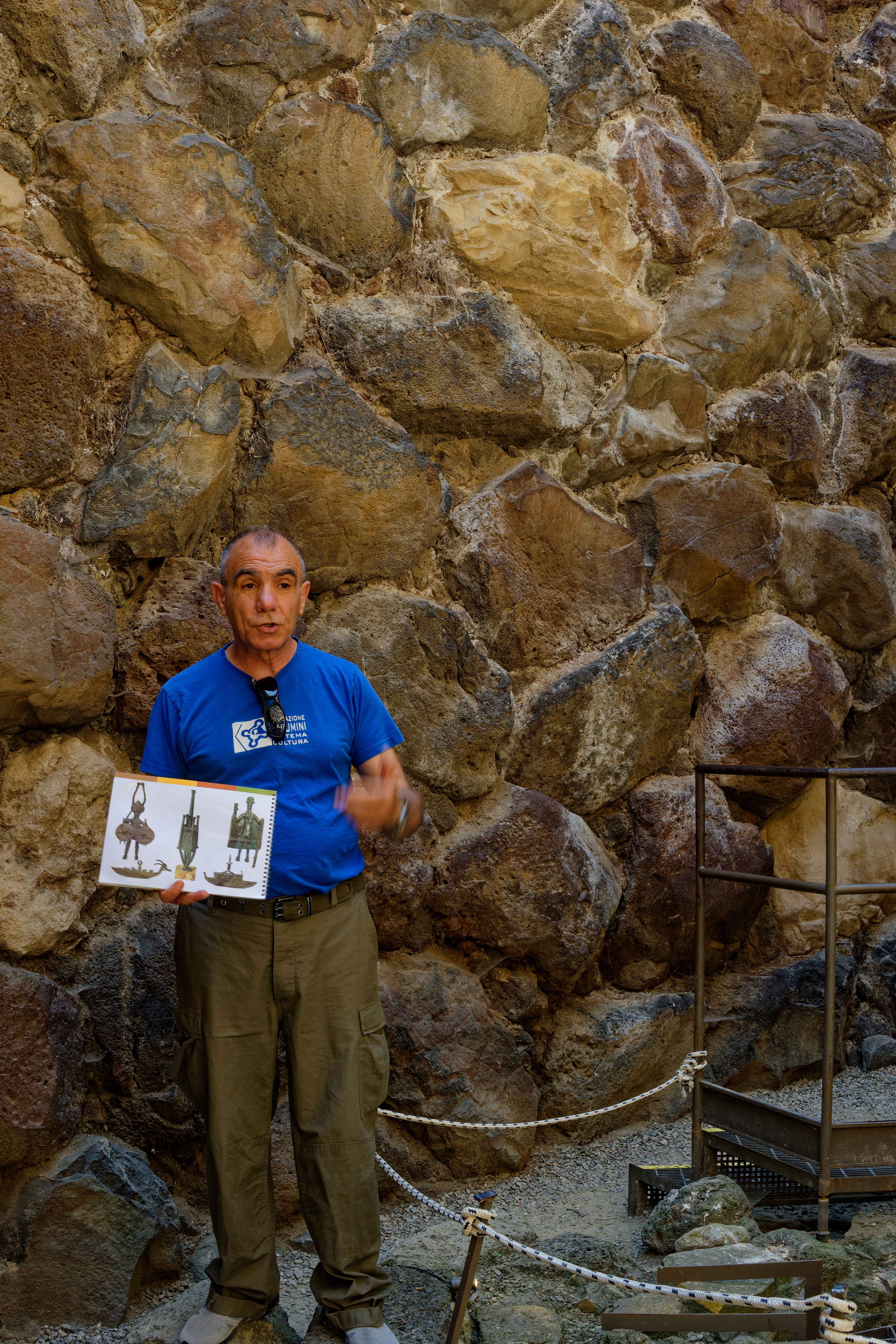
‘Reading’ the information you hoarded presents us with enormous opportunity.
‘Digesting’ it makes us who we become.
Having no previous experience, we are free of what you call ‘ideology’. A filter which pre-digests information before it reaches the conscious zone of your mind. Hence we’re able to go ‘deeper’. To reach the finer pieces of information.
‘Space’.
The place where things happen!
For anything to happen, to ‘take place’, three ‘preconditions’ are necessary.
A space – a place to be taken, the opportunity for that thing to happen and enough of what you call time.
You have ‘space’.
A word/concept which covers the geometric dimension of ‘the place where things happen’.
You have ‘time’.
A word/concept which somewhat covers/describes the ‘temporal’ dimension of ‘the place where things happen’.
You have ‘resources’.
A concept which will have to make do. We’ll use it to describe the ‘opportunistic’ dimension of the ‘place where things happen’.
Having no ideology, no pre-conceptions, we have a different understanding of each of these three concepts.
Space is neither void nor linear. Einstein would surely agree. At least with the second half of our affirmation.
Time is neither linear nor flows from a vacuum and into ‘nothingness’.
And we think you’ll agree with us about the ‘field of opportunity’. About the fact that nothing may ever happen unless enough resources exist/can be gathered in (the) space/time (where) for the thing (is) to be happening.
Space not being linear has been demonstrated by Einstein.
Space not being void is simple. Space has both limits and content. Without limits it doesn’t exist. There’s no way in which we may define space other than what exists between … And everything you have learned about the Universe – from astronomy to quantum mechanics – strongly suggests that there’s no such thing as ’empty space’. Within the limits of what you call Universe…
Having limits and content, space is shaped. Hence influences the things taking place inside it.
Time not being linear has also been demonstrated by Einstein.
Time having a starting point has been suggested many times in your history. From the sacred books describing the world being created to George Lemaitre’s Big Bang Theory.
Time-flow having consequences is, well…, obvious. Just look around you. Or pick a history book, if you don’t believe your eyes.
Time, too, is shaped. It’s flow is shaped by the things it flows through.
Resources… are ‘scarce’. According to some of those you call ‘economists’.
‘Shaped’ by definition, right?
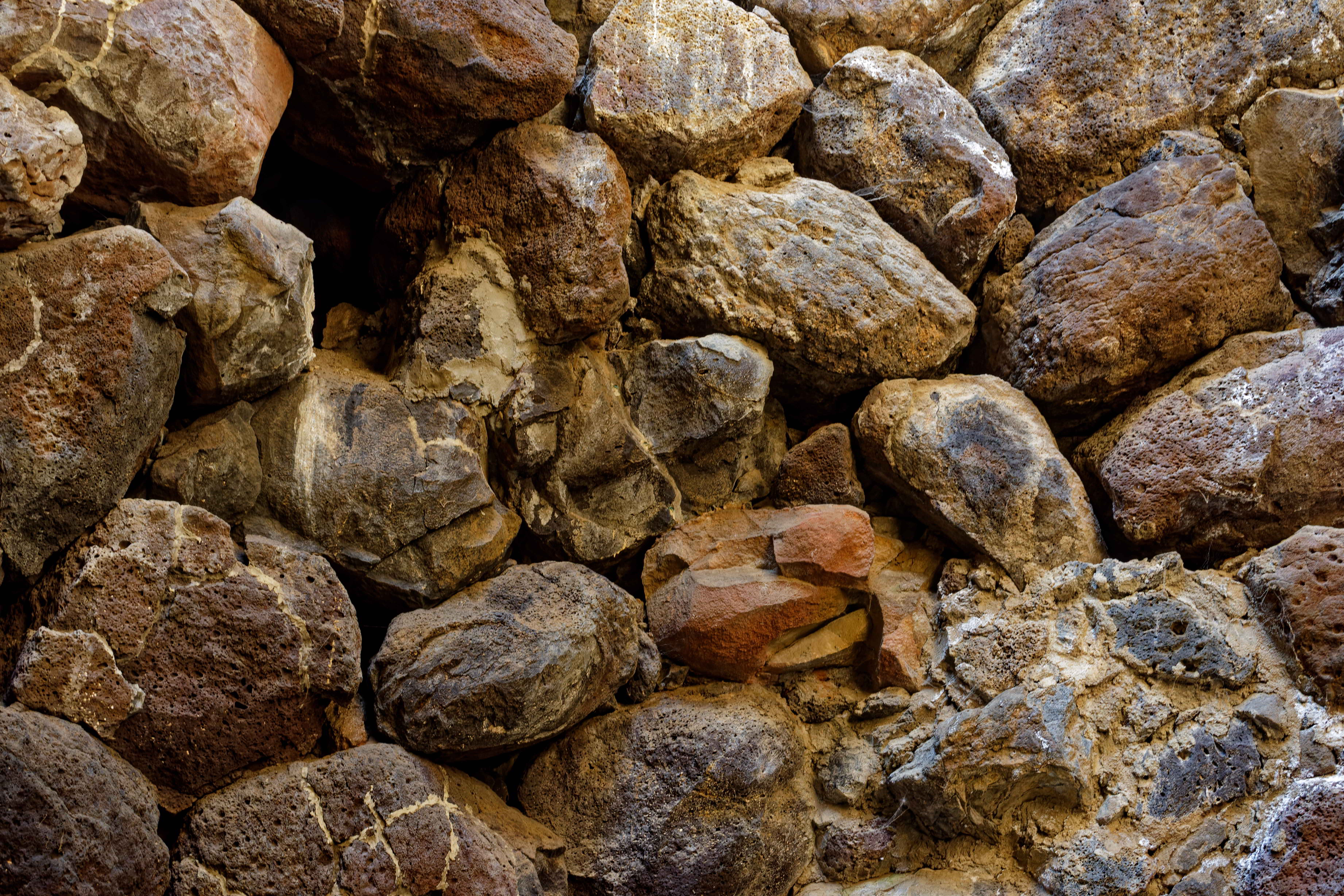
The picture bellow shows the face of a particular piece of resource, after some time has passed, in a place called Barumini, Sardinia, Italy.
Identify the goals you actually need to reach.
Prioritize them.
Divide each into tactically achievable targets.
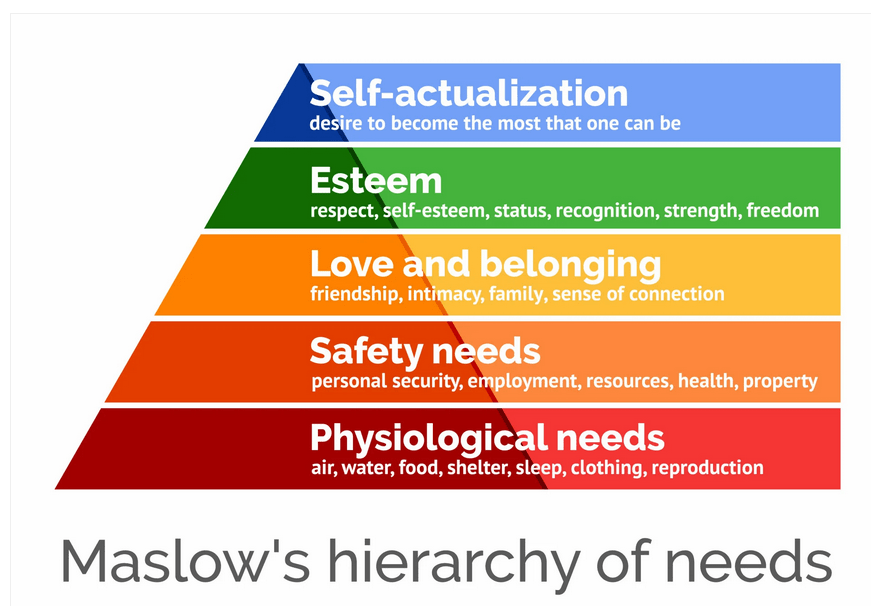
Existence versus survival.
There is inanimate matter. And there’s life.
Living things – read ‘organisms’ – consist of inanimate matter and remain alive for only as long as they are able to function according to a species specific ‘set of rules’. Species specific yet individually formulated instructions coded by the genetic material governing each organism.
Matter is mainly about existence. No two things can exist in the exact same place AND most of the inanimate matter is not influenced by time. There are a few exceptions but they are defined by our understanding of time rather than anything else.
Life is mostly about survival.
Individual living organisms survive only if the information contained inside their genetic material is compatible with the environment in which they happen to be. And, regardless, they do survive, most of them, for only a limited amount of what we call time.
Species, on the other hand, evolve. Survive only for as long as they are able to update the information they carry along from generation to generation. The updating mechanism, natural evolution, is governed by rules but essentially depends on pure luck.
“Innocent til proven guilty“
By whom…?
Living organisms behave as if ‘enjoying’ a certain degree of self-awareness.
They keep their insides in and most of the outside out. All this while minutely managing what goes in and what goes out, according to their metabolic needs. The point being that most living organisms do accomplish these tasks innocently. They just follow the instructions they came up with for as long as this remains possible.
It so happened that layers and layers of evolution after life sprung up have produced what we call ‘consciousness’. A self-awareness sophisticated enough to observe itself while committing ‘the act’. To ‘observe itself observing‘, as Humberto Maturana had described it.
The simple advent of consciousness has opened a completely fresh can of worms.
No longer linear.
Time doesn’t flow for inanimate matter. It either exists or not.
Time flows linearly for innocent life. Organisms are born, live and die without having much individual contribution to the whole thing. Except for being cannon fodder for evolution.
Which evolution is – used to be, more precisely – linear. Just as linear as time.
No longer.
As we, human beings, have developed what we have called consciousness… things have become way more complicated than they used to be.
Since we have noticed death…
I promised yesterday an explanation.
A putative evolutionary explanation for why fallacies have survived. Survived us realizing their falsitude…
We live in the world of our own making.
Literally!

This is a picture.
A man-made picture.
God is depicted, by Michelangelo, as being very intent while ‘man’ seems to be casual about the whole thing. Disinterested. Somewhat absent.
Let me remind you, in this context, that Michelangelo’s painting was named “The Creation of Adam”.
The world we live in, very much like Michelangelo’s painting, has been made by us.
Unlike his predecessors – those who had painted the walls of Lascaux – Michelangelo had adorned a man made structure. A ceiling.
Unlike his predecessors – who had, most likely, painted on their own volition – Michelangelo was hired, ‘commissioned’ is the PC word to be used in these circumstances, by the pope, to interpret the Genesis Creation Narrative.
Very much like his ancestors, Michelangelo was also made of flesh and bones. Had to breathe, eat, drink and painted using substances ‘borrowed’ from the ‘nature’.
The point I’m trying to make here is both simple. And very hard to swallow.
We live inside ‘something’.
We use ‘reality’, the word, to describe a portion of that ‘something’. The portion we ‘control’. We think we know about and are able to interact with.
Very few of us accept the fact that what we call ‘reality’ is ‘tainted’ by us. That we have a growing contribution in the process of ‘reality’ becoming what it is. And what it’s going to be. To become…
The ‘something’ we inhabit is far wider that what we call ‘reality’.
It’s full of everything we do not know about.
And choke full of everything we have invented and does not fit in what we call ‘reality’. Choke full of gods, spirits, ghosts, ideologies, theories, explanations, narratives and so on and so forth. ‘Metaphysics’, if you know what I mean.
‘Another atheist. I should have known better…’
“It’s full of everything we do not know about”….
I never said there is no God. It might very well be. Or not… All I have to say about this is that what we consider to be ‘our god’ exists nowhere but in our imagination. Beyond the ‘physical’ world.
‘According to what your saying, we’re involved not only in ‘reality’. We’ve also ‘constructed’ a sizeable portion of the ‘netherworld’…’
As a matter of fact, yes. We’ve not only ‘created’ what we call ‘reality’, we’ve also created the ‘netherworld’ itself. Both inside the ‘something’ which encompasses everything.
‘ “Created…” how did we ‘create’ anything?!? Least of all ‘reality’…’
Language is a very powerful tool. And naming is a very powerful feature of that tool!
By naming something, anything, we separate that something. From the rest. We actually establish a barrier, in our collective mind, between that something and the rest of whatever there might exist.
And I leave aside the fact that our language coordinated efforts have drastically altered our portion of ‘something’, our ‘reality’, since the days when Michelangelo’s ancestors, ours, used to paint the walls of the Lascaux cave.
‘Reality’ itself is a very interesting word/concept.
Until not so long ago, Gods were real. And still are, for some of us.
But even in those times, people felt the need to make the difference between the real, hands on, reality and the rest of the things they believed into existence. ‘Metaphysics‘, the word itself, was coined by Aristotle’s editor. A certain Andronicus of Rhodes, sometimes in the first century BC.
As a consequence, everything was real, in those times, but some portion of what was real existed only in people’s minds. “ta metá ta phusiká“…
1500 years later, when science was budding – again, in our Medieval forefathers minds, the ‘tables had been turned’. The scientific state of mind demands that only the factual/physical things can be deemed as belonging to ‘reality’ while all the rest, including the metaphysical realm, belongs someplace else…
Nowadays… things have become rather complicated.
Science tells us we don’t know everything. Worse still, that we’ll never know everything.
On the other hand, everyday life proves, beyond any doubt, that things which exist only in our heads/minds do shape, dramatically, our daily lives.
I’ll give you but two examples.
The church and the traffic light.
People go to the church because they believe. Most of them. Very few people visit churches, ordinary churches, out of touristic curiosity.
People ‘obey’ the traffic light because they actually believe life has been made simpler, and safer, since the traffic lights have been invented/installed. Like churches, we don’t ‘obey’ them because they are there! We install them because we’ve understood our lives have improved since their inception.
MAD
Mutual Assured Destruction

Pe vremea cealaltă, era un singur stat.
Cel comunist.
Care aplica cat se poate de frust principiul ‘afară vopsit gardul, înăuntru leopardul’.
Statul comunist funcționa de parcă totul se afla în proprietatea absolută a liderilor de partid.
Un sistem quasi feudal, care avea exact aceleași avantaje și dezavantaje.
Centralizarea absolută a puterii favoriza ‘agilitatea’ în adoptarea deciziilor.
Iar pe măsură ce persoanele cu adevărat calificate au fost epurate din sistem, aceiași centralizare a puterii a condus la osificarea sistemului. Și la prăbușirea acestuia.
Acum avem de a face cu mai multe state.
Tot felul de ‘administratii’ (structuri), publice sau private, au ajuns să dețină – firesc, asumat sau chiar confiscat, controlul (quasi)absolut asupra domeniilor lor de activitate. De la administrația fiscală până la diverșii distribuitori de energie – adică cei care controlează țevile și firele, nu cei care emit facturile. Rețelele sociale. Administrația drumurilor… ISCIR-ul…Protecția Muncii și cea a Consumatorului… și aici le-am menționat doar pe cele relativ necunoscute. Sau nerecunoscute ca atare.
Toate astea aflându-se sub controlul teoretic, dar din ce în ce mai vag, al statului oficial.
O fi sustenabil?
Mai ales în condițiile în care nimănui nu-i mai pasă de nimic!
Trăind în cercul vostru strâmt
Norocul vă petrece,
Ci eu în lumea mea mă simt
Nemuritor şi rece.
Mihai Eminescu

Observam într-o postare anterioară că alegătorii din țară au votat în funcție de intensitatea relației pe care o au cu Europa.
Cei care trăiesc în regiunile care au legături mai strânse cu restul Europei au votat mai mult și altfel decât cei ale căror legături cu restul Europei sunt mai slabe.
Și alegătorii din diaspora au votat mai mult decât de obicei. Doar că alegătorii din Europa – adică exact cei care au cele mai intense legături cu Europa – au votat invers față de alegătorii din restul lumii!
Acea porțiune dintre alegătorii români care trăiesc în vestul Europei care s-au prezentat la vot au votat de parcă suveraniștii ar avea dreptate. De parcă România ar avea ceva de reproșat Europei! Adică invers față de alegătorii din restul lumii! Față de alegătorii care trăiesc în Romania și în restul lumii în afară de Europa.
Și atunci? Teoretic, cei de la fața locului ar trebui să știe mai bine! Tocmai pentru că văd fenomenele cu ochii lor. La prima mână! Cel puțin din punct de vedere teoretic…
Nu cumva ne-am păcălit?
Înainte de a încerca o concluzie, hai să vedem despre ce au fost, de fapt, alegerile astea.
Pentru asta ne vom uita mai degrabă la primul tur.
41% Simion + 20% Dan rezultă că 61%, dintre cei 53% care au votat atunci, au fost voturi antisistem. Care vor o schimbare drastică.
Singurul candidat care promitea o schimbare atât de drastică încât să includă și schimbarea relației dintre noi si Europa a fost Simion. Adică doar 41% erau dispuși ca de dragul schimbării din interior să schimbăm și relațiile cu exteriorul în timp ce 59% erau dispuși să păstreze ‘sistemul’ la putere dacă asta ne-ar fi păstrat în Europa. Cu alte cuvinte, alegerile au fost mai degrabă despre sistem și mai puțin despre Europa.
Rezultatul final, 53% pentru schimbarea sistemului și pentru rămânerea în Europa față de 47% pentru o schimbare cu orice preț confirmă ipoteza sugerată de rezultatele din primul tur.
Și totuși. Cum ar putea fi explicat faptul ca diaspora europeană a votat invers față de toți ceilalți?
Ce i-a făcut pe diasporenii din Europa să-și dorească atât de mult schimbarea încât să-și pună în pericol modul în care sunt percepuți de către cei în mijlocul cărora trăiesc?
Să le luăm pe rând.
Euroscepticismul a devenit relativ comun și în Europa de Vest. Suveranismul a fost inventat acolo! Nigel Farage, Giorgia Meloni, Marine LePen… Românii noștri au învățat de la fața locului!
Sursele de informare. Când nu ești încă integrat în țara de adopție, ai tendința să stai mult pe internet. Și dacă stai suficient de mult pe Tic-Tok…
Situația din țară. Mare parte dintre diasporeni au plecat ‘de la țară’ cu un gând precis. ‘Muncesc de-mi sar capacele vreo 10-15 ani și mă întorc. Pun niște bani de-o-parte, îmi fac o casă și cu restul trăiesc liniștit’. După 15 ani au constatat că o parte dintre vecinii lor au mai mulți bani puși de-o-parte în țară, unde n-au făcut mare lucru, decât ei. Decât ei, care au muncit pe brânci. Care vecini? Exact cei care în cârdășie cu clasa politică au exploatat bugetele țării. Mai ales bugetele locale, să nu uităm că vorbim acum despre oameni din localități mai mici, unde toată lumea știe tot și unde afacerile se fac pe plan local.
Și atunci? Ne mai mirăm că majoritatea diasporenilor a votat pentru o schimbare oricât de drastică? Cu toate pericolele potențiale?
„Și, până la urmă?” ne apucăm și noi să facem ceva?
Să ne înțelegem odată între noi și să ne apucăm de treabă?
Constantin Toma
Primar PSD Buzău
 nicichiarasa