E o bună ocazie să ne dăm seama câte datorii avem. Să înțelegem câți oameni contribuie la bunăstarea noastră. Atâta câtă e. Atâta câtă am fost, noi, în stare să punem la cale.
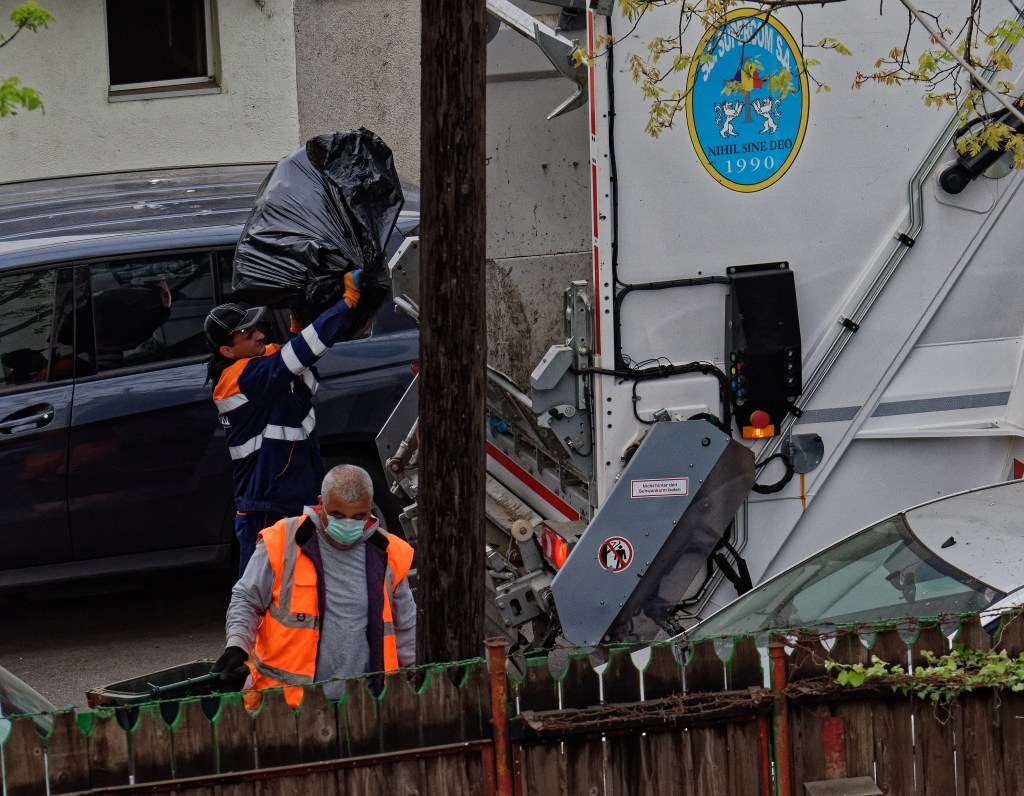
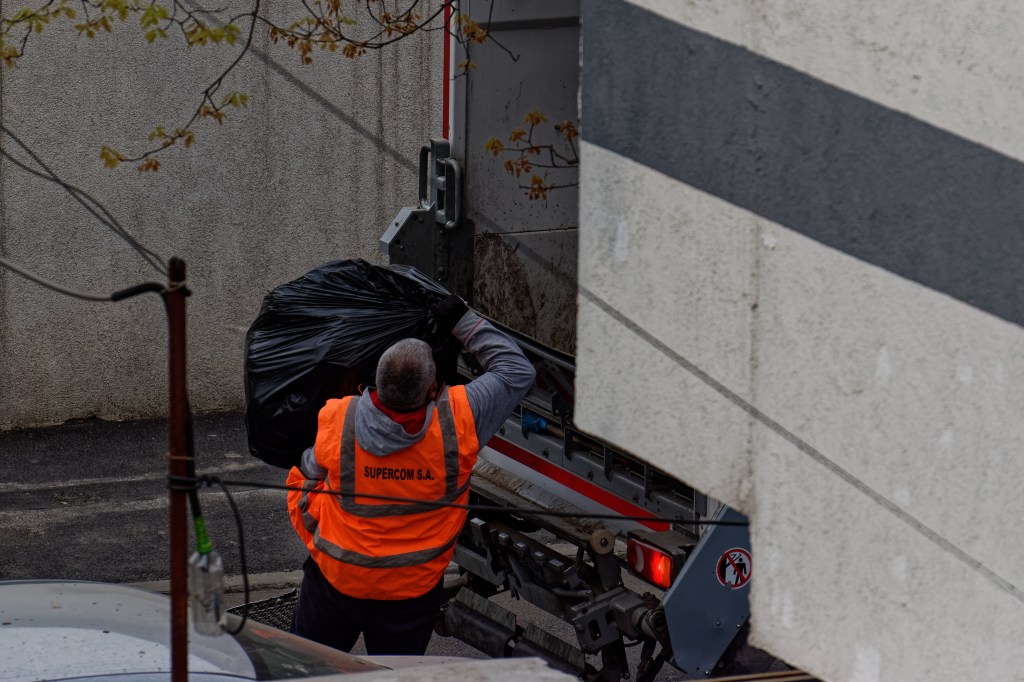
Astăzi e rândul gunoierilor. A oamenilor care fac curat. Cei care ne permit nouă, distanțaților social, să mai beneficiem de o pojghiță de normalitate.
When I was admitted to the Bucharest Polytechnic, I learned that engineers and dogs have a few things in common. An intelligent gaze and the inability to use words when trying to express themselves. When I started daubing in photography I discovered ‘there’s more than meets the eye’. When studying to become a mediator I learned, as if it was still necessary, that ‘truth is somewhere in the middle’.
Nowadays, we all expect Science to come forward. To find the answer. To break, once again, the barrier which separates us from of the unknown. To take us by the hand and deliver us from evil.
But wasn’t Art the one supposed to provide for our metaphysical needs?!? Even though it had been Archimedes who was the first to advertise his ‘physical’ breakthrough by shouting ‘Eureka’? While running naked up and down the streets of ancient Syracuse … It had been the artists who used to trample their boots in the sludge at the bottom of our ordinary lives in order to open our windows towards new horizons… The ones we expect to transform mud into statues. To morph suffering into hope!
But is there such a great difference between science and art?
‘The man in the street’ might indeed entertain the notion that art is based on inspiration while science is defined by discipline. Only this is nothing but yet another proof that it’s high time for us to learn how much inspiration one needs when trying to find a new cure. And how much discipline must be observed by anybody who attempts to turn their inspiration into something to be traded with another soul.
Addressing the issue from another angle, “can spring be furloughed”?
A friend of mine answered ‘yes’. ‘If there’s no one to notice it …’ Another friend said ‘no’. ‘Spring coming no matter what is the only thing which keeps my mind, and soul, whole.’ Let’s enjoy spring. Together, as it unfolds us.
Când am intrat la Politehnică, am aflat că inginerii și câinii au câteva lucruri în comun. Privirea inteligentă și incapacitatea de a se exprima în cuvinte. Când m-am apucat de fotografie am aflat că întotdeauna ‘there’s more than meets the eye’. La școala de mediatori am aflat, dacă mai era nevoie, că ‘adevărul este undeva la mijloc’.
Așteptăm acum, cu toții, ca știința să-și spună cuvântul. Să găsească răspunsul. Să spargă, încă o dată, bariera necunoscutului. Să ne ia de mână și să ne ducă, din nou, la lumină.
Dar parcă treaba asta cu ‘străfulgerarea’ ținea de domeniul artei! Chiar dacă savantul Arhimede a fost primul care a strigat ‘Evrika’. În timp ce alerga, gol pușcă, pe străzile Siracuzei… Artiștii erau cei care intrau cu bocancii în banalul vieții de zi cu zi ca să ne deschidă ferestrele unor noi orizonturi. Cei pe care îi așteptam să topească noroiul în opere de artă. Suferința în speranță.
Și, oare, este chiar atât de mare diferența dintre știință și artă?
E adevarat că ‘omul de pe strada’ este convins că arta se bazează pe inspirație în timp ce știința e definită de rigoare. Poate că trebuie să ne spună cineva de câtă inspirație ai nevoie atunci încerci să descoperi un tratament. Și de câtă rigoare este nevoie atunci când încerci să-ți transformi inspirația în ceva pe care să-l poți propune unui alt suflet.
Abordând problema dintr-un alt unghi, „poate fi anulată primavara”?
Un prieten mi-a spus ca da. Dacă nu e nimeni care să se bucure de ea… O prietenă mi-a spus ca nu. Și că ăsta e singurul lucru care îi ține mintea, și sufletul, laolaltă. Să ne bucurăm împreună de primavara care ne înconjoară.
Given my experience of living under communist rule, I can tell you that too much consistency is bad. Having to toe the line is dangerous. For individuals and for societies, as a whole. Communism did fall, you know.
On the other hand… some consistency is needed.
Let me give you an example.
The whole world is asking China to do ‘the right thing’ about its wet markets. In Bill Maher’s terms “eating bats is bat-shit crazy“.
Why?!?
Because of what science tells us. That bats are full of corona-viruses, which are bad for us.
That’s what we say, anyway. Those of us who side with ‘science’… And who ask the Chinese to give up their traditions.
Let’s examine the problem from the other side.
‘We’ve been eating bats for ages. And nothing happened to us. Now you say that this flu like disease is produced by viruses who live in bats. Why would we believe you – and give up eating bats, if you don’t believe your own scientists? And balk when they tell you to quit smoking. To stop piling plastic into landfills. To stop heating up the planet.
“Yes you can! No people to feel/live/see it, no spring.”
Remember Protagoras? “Man is the measure of all things”?
Without man, there’s no meaning?
Yes, our world becomes meaningless. The moment we no longer care enough about it. The moment we stop paying attention.
The other day I had a riveting conversation with my son. With my 21 years old son.
I asked him to comment on my previous post. The one about too many people allowing sentiment to cloud their judgement. The one about even reputable news agencies using click-bait titles to entice readers. Hence reinforcing the habit of sentiment being allowed to cloud reason.
‘Life was never better for so many of us’, explained my son. ‘Since WWII most of us had enjoyed peace. Since the Spanish Flu, we hadn’t experienced a pandemic. Since Salk, we’ve led ourselves to believe we were safe from disease. Since the fall of communism, even the ideological divides have paled down. And now we have enough technology to feed the entire planet, comfortably. The point being that we have no idea how to deal in this situation. What to do. How to behave. Simply because we have no relevant prior experience. Until recently, historically speaking, we have successfully dealt with wars, famines and pestilence. But it’s the first time that we experience such abundance. We need to adapt to the new reality. To transform it into an opportunity. Into an opportunity to go forward. We have to avoid, at all costs, the pitfall of allowing this abundance to bog us down.’
Heartening, isn’t it? That a person so young can find such deep meaning. If I may say such things about my own son…
Pentru ‘recenți’, ăsta a fost ordinul dat de Lenin după ce boșevicii pe care îi comanda au preluat controlul asupra Sankt Petersburgului.
‘Revoluția’ avea nevoie să controleze teritoriul. Iar punctele obligatorii de trecere, pe vremea aia, erau … gările.
Treaba nu mai e chiar atât de simplă. Lumea de astăzi e mult mai complexă. Și mult mai greu de controlat.
Și totuși. Încă mai există anumite puncte obligatorii de trecere.
Suntem, fiecare dintre noi și toți laolaltă, consecința deciziilor noastre. Și a circumstanțelor în care au fost luate aceste decizii, bineînțeles. Doar că respectivele circumstanțe erau fixe. Adică în exteriorul dispozitivului decizional. În afara controlului decidenților. În afara capacității noastre de a schimba ceva. Singurul lucru pe care îl puteam determina noi, în momentul fiecăreia dintre deciziile noastre, era decizia însăși.
‘Și ce e aia o decizie, până la urmă?’
Un răspuns. Răspunsul pe care îl dăm atunci când realitatea ne întreabă de sănătate. Dar pentru ca răspunsul nostru să fie cu adevărat o decizie, acesta trebuie să îndeplinească niște caracteristici. Să fie conștient, asumat și bazat pe informații.
Pentru ca răspunsul nostru să fie o decizie, trebuie ca noi să fim acolo atunci când îl formulăm, să ne asumăm răspunderea pentru el și să-l adoptăm pe baza unor informații.
‘M-ai băgat în ceață…’
Să fim acolo. Adică să ne fie mintea la ce facem în momentul ăla. Să ne gândim la lucrul pe care îl avem de făcut atunci. Nu la altceva.
Să ne asumăm răspunderea. Adică să ne dăm seama că oalele se vor sparge, mai devreme sau mai târziu, în capetele noastre proprii. Că nu ține cu ‘așa mi-a spus șeful.’ Și nici cu ‘așa mi-a venit.’
Pe bază de informații. ‘De ce așa și nu altfel?’ ‘Pentru că…’ ‘Înainte de a decide să… am verificat în… și rezulta că…’
Nici o decizie nu a fost vreodată perfectă. Din nici un punct de vedere. După cum vedem cu ochiul liber, lumea în care trăim nu este, nici pe departe, perfectă. Nici măcar noi, fiecare dintre noi, nu suntem perfecți. Asta e mai greu de acceptat dar, la nivel teoretic… cei mai mulți dintre noi se vor declara a fi de acord… Și cu toate imperfecțiunile noastre, am supraviețuit până acum. Pentru că nu am făcut, încă, nici o greșeală capitală…
‘Bine, bine, dar ce legătură au gările cu toată chestia asta?!?’
Ei bine, gările actuale sunt locurile de unde ne luăm informația.
Informație care e foarte asemănătoare aerului pe care îl respirăm. Intră în noi fără mare efort – dacă situația e, măcar aparent, normală. Iar efectul pe care îl are asupra noastră devine evident abia prea tarziu. Abia atunci când facem emfizem pulmonar datorită porcăriilor pe care alții le-au aruncat în atmosferă. Abia atunci când radiografia ne arată cancerul pulmonar pe care ni l-am dăruit singuri după zeci de ani de fumat.
Cam așa e și cu informația asta. Dacă înghițim pe nemestecate toate prostiile… ne ducem de cap. Nu mai suntem cu adevărat acolo atunci când luăm decizii. Nu ne mai asumăm răspunderea. Nu mai căutăm informația cu adevărat relevantă.
Nu mă credeți?
Haideți să vă spun povestea pistoalelor mitralieră de la Țăndărei.
În primăvara lui 2010, pe baza unor informații venite din Anglia, o ‘echipă mixtă’ de la Ministerul de Interne a luat la puricat o parte a comunității rome din Țăndărei. Pentru obiectul acestei postări, nu are nici o importanță ce informații fuseseră furnizate de către poliția engleză. Și nici cum s-a terminat ancheta/procesul. Tot ce mă interesează pe mine este că în timpul perchezițiilor au fost ridicate niște arme.
O parte dintre aceste arme au fost returnate. În 2019. De către instanță. Pentru că cei la domiciliile cărora fuseseră găsite aveau suficiente documente care să justifice prezența respectivelor arme. Să mai notăm că sentința finală – care a constatat prescrierea faptelor, a făcut mare vâlvă. În societate și în presă
Fast forward către zilele noastre. O parte a comunității rome din Țăndărei, proaspăt întoarsă din diverse locuri aparținând de vestul bogat al Europei, a socializat atât de intens încât a atras atenția autorităților publice însărcinate cu convingerea populației să respecte măsurile de distanțare socială. Măsuri cât se poate de pertinente pe caz de pandemie COVID-19. Drept pentru care o altă echipă mixtă a luat din nou la puricat aceiași comunitate romă din Țăndărei…
Ce se înțelege de aici? Că cel care semnează articolul este convins de veridicitatea informațiilor pe care le ofera publicului său. Cititorilor săi. Celor pe care îi informează cu privire la ce se întâmplă în societatea din care fac, cu toții, parte. Ziarist și cititori laolaltă.
Care societate, democratică fiind, depinde în mod definitoriu de deciziile – inclusiv de natură politică, luate de fiecare dintre noi. Cititori și ziariști laolaltă. Decizii pe care le luăm în funcție și, poate chiar mai important, în atmosfera creată de informațiile pe care le avem la dispoziție. Inchidem paranteza.
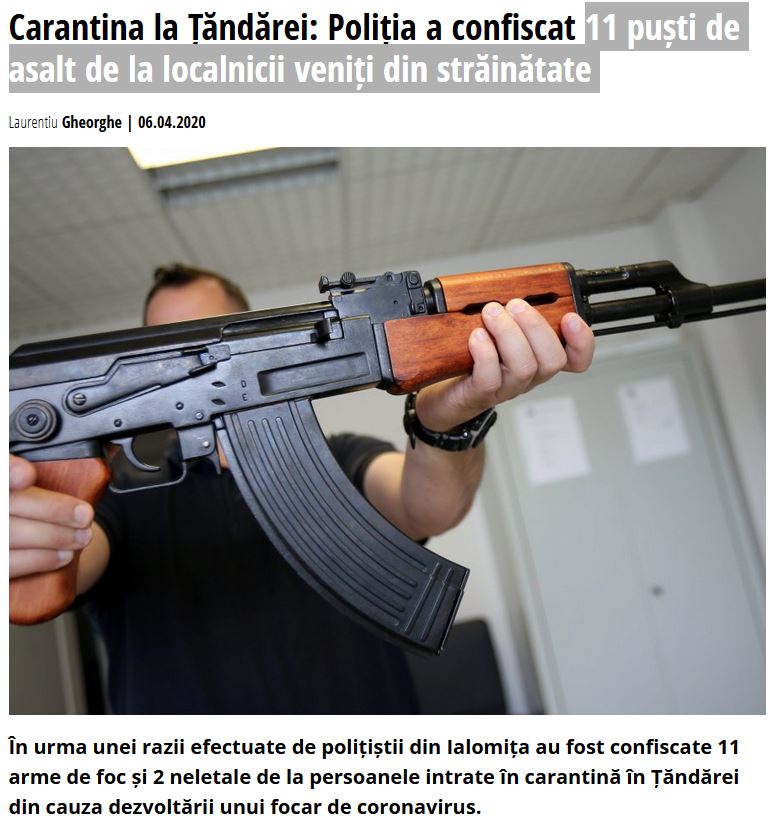
11 „Puști de asalt?!? Sau 11 „arme de foc”?!? E totuși o mare diferență… Fotografia ne îndeamnă să credem că ar fi vorba despre pistoale mitralieră… Iar prudența ne îndeamnă să verificăm sursele. Adică să mergem pe urmele autorului…
Articolul din Deutche Welle, extrem de interesant, vorbeste doar despre un „răsunător și rușinos eșec al justiției din România”. Discutabilă formulare … să trecem. În orice caz, în articol nu este menționată nici o armă. De foc, letală, de asalt… de loc! Mergem mai departe. În corpul articolului din Deutche Welle găsim un link. Acolo unde este vorba despre rușinosul eșec al justiției din Romania. Click … și ajungem la un alt text extrem de interesant. Unde se face, în sfarșit, vorbire despre niște „arme ascunse sub podea”. Nu știm ce fel de arme. Aflăm doar că aceste arme ar fi fost, într-un final, restituite posesorilor.
Adică primim o confirmare, incompletă, a aserțiunii că cele „11 arme de asalt” ar fi putut fi cele restituite în urma „răsunătorului eșec”.
Și găsim sentința… pentru conformitate, am găsit un pdf despre care cineva, ecler.org, pretinde ca ar conține varianta anonimizată a sentinței. Eu unul, mă voi mulțumi cu ce am găsit până acum. Voi explica mai târziu de ce. Aflăm de acolo că patru inculpați au fost „trimişi în judecată şi pentru săvârşirea infracţiunii de „nerespectare a regimului armelor şi muniţiilor” Și mai aflăm că a fost dispusă confiscarea specială a 3 (trei) încărcătoare de pistol mitralieră și a unui număr de cartușe.
Adică nici 2, nici 4 ci 3. În nici un caz 11. Încărcătoare, nu arme de asalt.
Toată ancheta asta pe net mi-a luat cam o oră. Cel mai mult a durat citirea sentinței. Scrisul a fost altă poveste, dar nu despre asta e vorba aici.
Ați obosit?
Și eu.
Dar încă nu am înțeles ceva. Vorbeam la un moment dat de responsabilitate. Și de nevoia ca cel care își asumă acea responsabilitate – adică semnează articolul, să fie satisfăcut de autenticitatea eforturilor proprii.
Nimeni dintre noi nu poate pretinde ca deține adevărul absolut. Cu privire la nimic. Dar cât de ușor e să afli ….că ceea ce crezi tu că știi e fals. Incomplet. Vag.
Te faci de râs. Nu te mai crede nimeni.
Practic, lași gara pe mana oricui.
Și unde ajungem?
Cum vom mai decide data viitoare?
Cum ne vom mai constui într-o comunitate capabilă să-și decidă singură soarta?
Germany has weathered this crises a lot better than most of her neighbors.
There are no toll- booths on the German highways. Not that I know of, anyway.
And what has this to do with anything?!?
Well, does your heart bill you for its services? Your lungs? Your gut? Brain? The immune system? Even if each of them works at a cost… for the whole organism!
The health care system is the social equivalent of the immune system.
We, each cultural community around the world, might treat it as an industry. Fine tuned to maximize profit. Or as a social service. Meant to protect the society from the consequence of disease. And run as efficiently as possible, of course. But sized to be able to cope with reasonably estimated ‘loads’.
There is a fine balance to be held here, of course. A multi-dimensional equilibrium, actually.
It depends on us, as individual members of the brain, to fine tune that equilibrium.
All outcome depends on inputs. When humans are involved, ‘intent’ can be found among inputs.
What do we want, in the present situation?
Basically, to survive! Right?
For as long as possible… as individuals…
The fact that the sum of our individual survivals results in the survival of our species/cultures is a truism. And, maybe, not so important for some of those struggling to survive as individuals.
The point I’m trying to make here being that how we attempt to survive will decisively influence the general outcome.
We might try to survive against the others. Or we might try to survive with the others. In close – even if ‘distant’, cooperation with the other members of our community/culture/species.
And while surviving we might try to amass whatever we want. Of whatever we’ve always wanted. Doesn’t matter what ‘that’ is. Money, power, prestige… you name it.
Or we might learn something. We might turn Maslow’s Pyramid on its head. We might use this crises as an opportunity to understand that we’re stronger together. That cooperation among autonomous individuals generates a lot more chances of survival than attempting to pass through as individuals. As a lonely individual or as an individual hiding in the middle of a crowd, doesn’t matter.
And we should bear in mind that surviving the crises will be only the first step. How we do it will shape the stepping stone for how we’ll rebuild our livelihoods.