I’m convinced Putin still believes he might get away with it.
With whatever he wishes to accomplish…

Why?
Because he is convinced that the only thing which might prevent him from achieving his goal is ‘the West’.
You see, he is adamant that without the ‘western influence’ he would have imposed his will upon Ukraine a very long time ago. After all, he’d already done that in Russia, didn’t he?
And the West seems to be loosing its focus….

A lot of ‘distraction’. Trump is indicted on 37 counts, mainly for mishandling highly sensitive information, while Boris Johnson quits his MP chair claiming he is the victim. ‘I did mislead the Commons but I didn’t do it on purpose’.

According to Putin’s book, there’s no difference between him and these two guys. All three of them have nothing in their mind but their own interest. In this respect, Putin is absolutely right.
What he fails to realize is that Trump being indicted and Johnson being investigated by the Commons are signs of strength. The US and Britain, respectively, seem to have came back to their senses. And started cleaning up their act.

He, Putin, also fails to realize that the Western help might come in handy. For the Ukrainians.
But what keeps them fighting is their will. Their quest for freedom!

The very same thing had happened during WWII.
The West did carry huge amounts of weaponry to the former USSR. Which weapons had helped the Red Army resist – and then defeat – Hitler’s attempt to enlarge the German Lebensraum. But without the ordinary Russians putting up with the war… all western help would have been lost!
Same thing is happening under our own eyes. The arms beefing up Ukraine’s army might come in handy but it’s the Ukrainian determination to lead their own, independent, life which will eventually douse Putin’s ambition.

One final thing.
Nazi Germany had ultimately failed because it was an ‘imperium’. A socio-political arrangement where all decisions were made in a highly centralized manner. Where mistakes accumulated and eventually made it impossible for the arrangement to survive. Because unsolved past mistakes make it impossible for a system to evolve. To solve present day challenges.

Any resemblance to what’s going on in present day Russia is nothing but yet another proof that failing to understand history forces you to repeat the lesson.
For something to become a resource, it has to be identified first. As such…

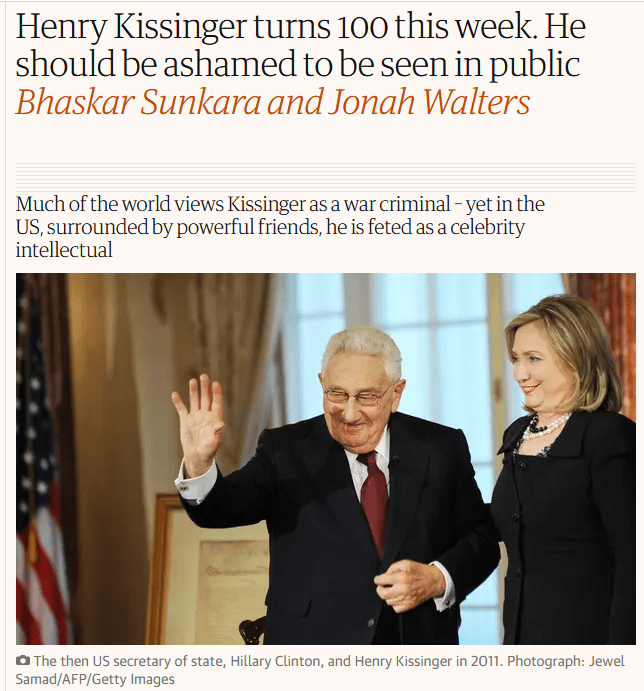
Coming back to Kissinger, we need first to accept that he is the product of the world before him and one of the factors who continues to shape the current one.

We can learn from him – and coldly assess the present situation in order to avoid past mistakes going forward – or … we can let him win! And follow in his footsteps: Divide et impera, manipulate people into doing things against their own nature, despise everybody who thinks differently than what we consider to be right …

Evoluția nu este despre ‘supraviețuirea celui mai puternic’.
Evoluția este despre supraviețuirea celui capabil să facă față schimbărilor!

Ernst Mayr

Până acum cinci minute, aveam o mare nedumerire!

Știam, din fragedă pruncie, că există două feluri de obiceiuri. De ‘culturi’, în limbaj sociologic/antropologic.
Într-una copii primesc tot ce e mai bun de mâncare, în cealaltă ce rămâne după ce se satură ‘capul familiei’.

OK, știu că unii dintre voi s-au oripilat deja. Și că ceilalți – adică cei care mă cunoașteți în carne și oase – vă întrebați ce m-a apucat!

Cert este că aceste două seturi de obiceiuri există. Încă!
Eu, de exemplu, port numele unui străbunic celebru. Celebru în interiorul familiei mele… nu foarte numeroasă!
Omul ăsta, Sarkis, avea o gospodărie frumoasă. În Rumelia – adică în Turcia, pe malul European al mării Marmara. De unde a trebuit să fugă, la un moment dat. Dar nu despre asta e vorba în propoziție.
Tipul era foarte priceput. Și foarte întreprinzător. Atât de priceput și de întreprinzător încât atunci când a trebuit să fugă din Turcia avut suficiente resurse să ajungă – din prima și fără ajutor – până în România. Pentru un țăran amărât, chestia asta era o adevărată realizare. În 1923….
Omul ăsta se ocupa cu de toate. Avea o grădină în care străbunica creștea o mare parte din legume. Câțiva pomi din care străbunica făcea tot felul de gemuri. Câteva rânduri de vie din care făceau tot felul de dulciuri. Poveste lungă, erau în Turcia. Găini pentru ouă… și cam atât în afară de caii de povară. Era și priceput. Dulgherie și tot ce mai putea face pe lângă casă la începutul secolului. Dacă ar fi avut curent sau apă curentă, probabil că s-ar fi băgat și la astea.
Din ce și-a ținut copiii la școală? Bunicul făcuse câțiva ani de profesională la Istambul… Străbunicul făcea vara cărăușie în port – cu căruța – iar iarna contrabandă cu alcool. Cu aceiași căruță… Bulgaria era aproape iar turcilor le plăcea rachiul bulgăresc.

Și ce legătură are chestia asta cu diferența dintre culturi?
Ei bine, străbunica nu mânca niciodată la masă odată cu el.
Statea în spatele lui și-l servea.
Întâi pe el și, după ce îi umplea lui farfuria, pe copii.
Abia după aceea, după ce toți ceilalți se declaraseră mulțumiți, își punea și ea de mâncare. Avea ce, că străbunicul era suficient de ‘productiv’, dar asta era altă poveste.

Vorbeam despre două culturi.
Tata este armean, maică-mea era româncă. Bucovineancă, mai precis. Pe meleagurile alea, primii se satură copiii. Abia după aceea mănâncă și părinții/bunicii. De, obiceiuri nemțești…

Până acum 10 minute – scriu deja de vreo cinci, credeam că ‘de, fiecare popor/regiune cu obiceiurile lui/ei’.

Brusc, mi-am dat seama că e vorba despre ‘supraviețuire’. Depre supraviețuirea familiei!

Despre situația în care întreaga familie depinde de ‘bărbatul din casă’.
Care trebuie să fie puternic pentru a putea ‘pune pe masă’ pentru ceilalți!

Bineînțeles că pentru noi, cei care trăim acum, chestiile astea par absurde.
Cum adică să mănânci tu, bărbat în toată puterea, înainte ca restul familiei să-și fi potolit foamea?!?
Pentru noi, viitorul este mai important decât prezentul. Copiii devin centrul atenției! Cel puțin declarativ…

Păi da, doar că acum – dacă mori de foame – poți să te duci în prima intersecție și să speli un parbriz. Sau să stai cu mâna-ntinsă!
Pe vremea aia, dacă bărbatul cădea la pat – din varii motive, restul familiei murea, efectiv, de foame. N-avea cine să-i ajute! Nici măcar rudele apropiate, dacă existau, nu puteau să rupă de la gura copiilor lor ca să-i hrănească pe-ai altora. Urzeala socială era atât de ‘rară’ – și productivitatea atât de redusă – încât oamenii efectiv nu-și permiteau să se ajute unii pe alții.
Statistic vorbind și făcând diferența dintre viața unei minoritați defavorizate care trăia într-o țară ‘străină’ și situația/obiceiurile dintr-o zonă destul de bogată – pe vremea aia. Care aparținuse – până nu demult, tot pe vremea aia – direct de imperiul Austriac.

Și să nu uităm că obiceiuri din astea ‘paternaliste’ nu erau chiar atât de rare în părțile rurale ale vechiului regat…
‘Eu te-am făcut, eu te omor!’
Până la urmă, nu a fost o mare diferență între viața țăranului din Bărăgan – mai ales pe vremea fanarioților, adică nu foarte demult – și ce a celorlalți supuși de rând ai padișahului.

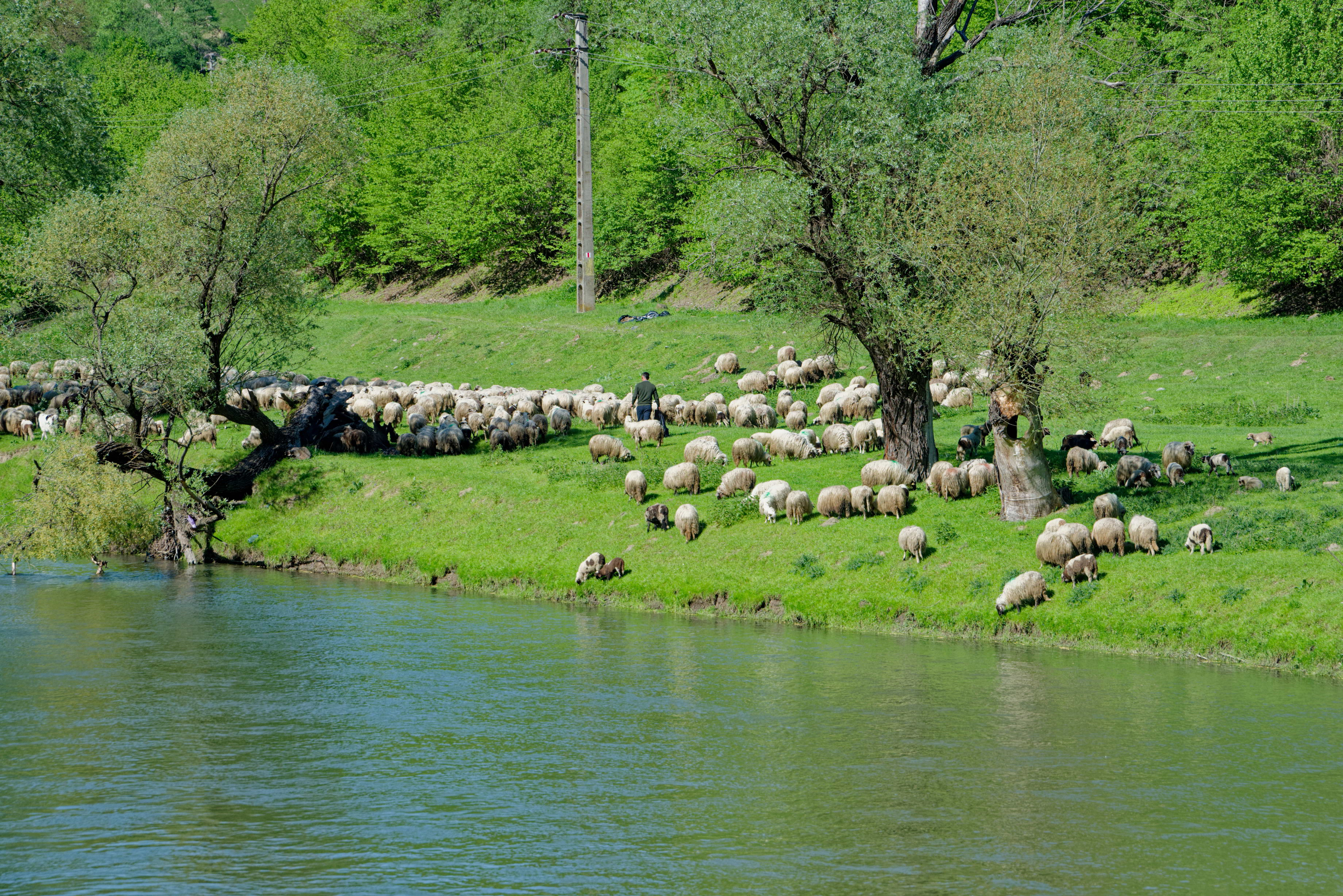
To set a wolf to guard sheep
Latin proverb.

A first glance, it doesn’t make much sense to put an oilman in charge of a COP conference.
Nothing more than setting a wolf to guard sheep, right?

On the other hand, shepherd dogs are nothing but ‘converted’ wolves.
Wolves who had somehow figured out that it’s more sustainable to live with the humans than in the wild.
Former wolves who had somehow figured out that’s far more sustainable – for them, to protect the sheep than to prey on them.

OK, the agent driving the process had been human. But the facts remain. Dogs have evolved from wolves.

What are we waiting for?
If the descendants of the wolves had been able to ‘cross over’, why so many reasonable people continue to believe that the ‘Global Warming’ is a hoax?
After all, we’re the ones supposed to be reasonable…
And the way I see it, it’s unreasonable to believe that burning fossil fuel accumulated during millions of years can be ‘sustainable’. Forget about ‘peak oil’ and ‘peak gas’ and remember how hot the Earth was when the first drop of fossil fuel had been set aside by Mother Nature.


‘Self awareness’ is how we call our ability to observe ourselves while observing others.
Humberto Maturana

First and foremost, existence is a concept.
Something our forefathers had coined. A mental construct built by talking about it.

Nothing existed before we saw it AND talked about it!

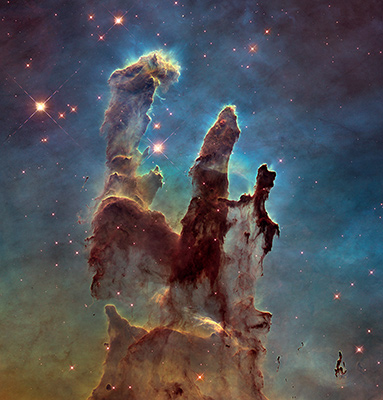
Think about the stars nobody knew about until we used Hubble to peek into the history of the Universe.

Think about the stars which ‘sit’ there and no man will ever see. Or otherwise perceive.
Think!
Do they, the stars, actually exist?

In the sense that has their being been ‘measured’ into existence by a self aware observer?
Has that observation been communicated by the observer to anybody else? Who had confirmed that that observation was anything more than a mere illusion?

You see, both actually – my rantings on your monitor – and figuratively, I don’t need to be told about the existence of the steps I have to climb up and down when I leave my bed each morning. On the other hand, I know that the Amazon exists because I’ve been told about it. Further more, I see for my self the steps in my house but I have a name for them – and I can write about them – because our forefathers had learned to speak. About the world they were discovering around themselves.

My point? We speak things into existence, not into being.

‘How about the things we talk about before we’ve ‘seen’ them? Neptune, the planet, had been ‘calculated’ before ‘seen’ and all mass manufactured things are first discussed and only then launched into production.
Which was the exact moment when each of them had started to exist?’

Good question!
I’m afraid I have no valid answer. This is a matter which will remain open for further debate!
After all, how else to justify our existence?
How else to find our own meaning? Other than by talking about it?

All people, men and women alike, are born, nursed and initially educated by their mothers.
By their mothers, inexorably women!

Some of the feminists, mostly women, act as if they want to exact revenge over their former ‘masters’.
Over men. Whom they perceive as oppressors.
Most of the feminists, from both genders, believe that women should be equal to men. That they are not yet so and that this is the most important problem which has to be solved in order for mankind (?!?) to go forward.

Being raised under communist rule – where women had been put to work, hence granted a lot of ‘equal rights’ – by a very ‘progressive’ pair of women – mom and grandmother – I grew up having the impression that men and women considered themselves partners. That being how my father and mother treated each-other.

I used scare-marks around progressive because neither my mother nor my maternal grand-mother considered themselves as such. Only behaved in that manner. Which I grew up considering to be normal.

Illusions, like always, end up being shredded.
Very soon I learned that not all people had been born equal.

And that I had been dealt ‘the better hand’…
So I didn’t waste any more time/energy to consider the matter!
For 40 or so years…

This is not the good moment to delve into details.
Enough for me to say that my quest – to understand as many as possible of the consequences ‘inflicted’ by the limited nature of our consciousness – led me to feminism. To ‘feminism’ seen as a social phenomenon.

Already convinced – since early childhood, conviction beefed up by the relation built in concert with my wife, that men and women are equal partners in the adventure called life, I was confronted by a huge dilemma:


Why on Earth so many women raise their children – both future men and future women – in the conviction that men are entitled to be served and women are meant to indulge their wishes?!?

Is it an attitude imposed by the overbearing men?
Hence easy to unlearn?

Or is it an evolutionary thing?
Hence harder to leave behind…

I continue to be under the impression that my most important break-trough to-date is that each individual conscience is primordially concerned with its own survival. Not as much with its ‘physical’ survival as with the conservation of the good impression it has about itself. With maintaining its self-esteem!
For instance, this is the reason for so many of us having such a hard time when trying to ditch a bad habit! Because we have to admit first, before ourselves, that we’ve been wrong for so long! That we’ve been acting foolishly since adopting that habit.

Coming back to the main subject, who would like to be?
The proud mother of a highly successful man or the mother of a below average Joe?
Small wonder then that in the current cultural environment we continue to raise highly assertive men. And, sometimes, women.
On the other hand, if you’ve been a submissive woman all your life, how do you feel in the presence of assertive women? Uncomfortably? Even more so if the assertive woman happens to be your daughter?

So, could it be possible that we are stuck in the present situation because we’ve conditioned ourselves to over-value the glitzy part of what we call ‘success’?
And because we’ve not yet learned to forgive ourselves for past mistakes?

Ernst Mayr, an evolutionist, put it this way:
‘Evolution is no way about the survival of the fittest.
“Fittest” to what ?!? since evolution is about being able to cope with change…
In reality, evolution is about the demise of the unfit!’

Same here.

We can fight ourselves into the ground, chasing ‘success’.

Or we can thrive together.
As equal partners, complementing each = other.

“Better to be a dog in times of tranquility than a human in times of chaos.”
The true version of the Chinese ‘curse’
too many times translated in English as
“May you live in interesting times”

Not so long ago, a presidential candidate told his audience “People… my people are so smart!….And loyal! you know, I could shoot someone on the 5th Avenue and not loose votes!”

As things happened, he was right. His people did vote for him.
He, a guy who had previously bragged about ‘grabbing women by the pu$$y’.

Four years later, the People changed their mind. And voted to send him back to Mar-a-lago…
He told ‘his’ people the vote had been rigged.
The ‘smart ones’ believed Trump to the tune of eventually chasing Vice-president Pence all over the Capitol in an attempt to convince him to ditch the result of the vote. Against all evidence, as certified by all pertinent authorities.

Currently, there is an increasing number of people floating the idea that ‘democracy’ isn’t for everybody.
The notion isn’t exactly new – see the ‘debate’ pitting ‘republic’ against ‘democracy’ – but lately its promoters have become even more brazen. They posit that since people are not equally endowed – intellectually, mostly – they should be tested before being allowed to vote.
Nothing new under the sun? The whole thing is nothing more than a rehash of the notion put forward by Robert Heinlein in Starship Troopers?

Not exactly!
Heinlein proposed that full citizenship – including the right to vote – should be extended exclusively to those willing to put their life on the line. ‘If you want to decide the future, you need to commit yourself to defending the present. With your life, if necessary’.
Quite a difference from ‘I’m not OK with how you may vote so I’m going to look for ways to disenfranchise you, under various pretenses.’

The way I see this, we’re confronted by two things.
An increasing lack of trust amongst us. And an burgeoning amount of intellectual dishonesty.


A well regulated Militia, being necessary to the security of a free State, the right of the people to keep and bear Arms, shall not be infringed.

As per the United States Constitution, Arms are supposed to be kept and borne with the main goal of protecting the free State. Which State was supposed to be governed by a government “of the people, by the people, for the people“.
Nowadays, under the pretext that ‘the government is more often the problem than the solution’, the defenders of the Second Amendment “as it was written” maintain that Arms are necessary so that the people may defend itself against an overbearing government.

Otherwise put, whenever I don’t like the outcome of an election, I need to be able to start a(n) (un)civil war. An attitude born out of a complete distrust in our fellow citizens’ ability to vote ‘right’.

And a simpler version.
I don’t trust all my fellow citizens’ ability to vote reasonably but I trust all my fellow citizens enough to let them walk around armed to their teeth. Unconditionally, in some states.

Coming back to Marcus Aurelius’ pronouncement, who is the one smart enough to determine whether those 10 000 actually have no idea about the subject at hand?
Not to mention the fact that Marcus Aurelius never actually said it…. Wrote it, more precisely.

And why do I choose to believe this guy Sadler instead of trusting the bloke who had created the meme? Because Sadler makes sense. And because Sadler had put his name forward – remember Heinlein? – instead of cloaking himself in the shadows of the internet.

Acu’ vreo câteva luni, am fost ‘surprins’ de aparatul radar circulând cu 160 km/h pe autostradă.

După discuția foarte civilizată cu ‘omul legii’ mi-a căzut fisa.
Regula cu privire la cei 5o de km/h în plus e mult prea blândă.

În condițiile actuale, rămâi fără carnet abia după ce depășești cu mai mult de 50km/h viteza maximă de pe tronsonul unde te-au prins.
Conform acestei reguli, să mergi cu 81km la oră pe o străduță îngustă – eventual în dreptul unei grădinițe, e la fel de periculos ca atunci când mergi cu 181 km/h pe o autostradă dreaptă și uscată.

Pe bune?!?

Parastas de 6 luni pentru mama soției mele.
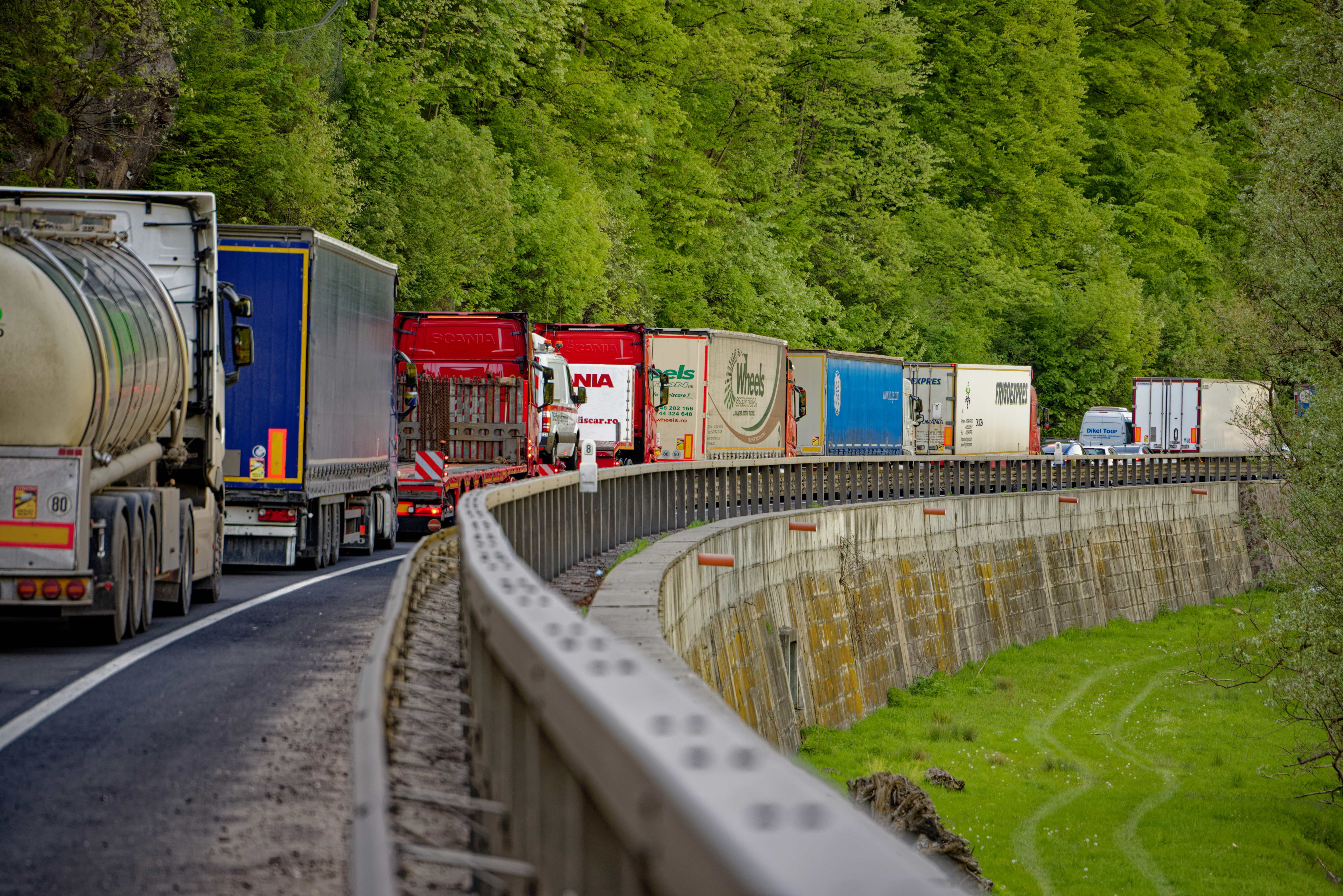
Ne urcăm frumos în mașină și începem să măsurăm țara cu circumferința roții. Sunt cinci sute și ceva de kilometri de la București la Dej, mai mult de jumătate sub formă de autostradă sau drumuri expres. Cea mai nasoală parte, adică Valea Oltului, e în continuare ‘pe două benzi’.
De vre-un an, la capătul dintre Sibiu e o porțiune ‘gâtuită’. Se circulă pe o singură bandă din cauza unor lucrari de consolidare.
În funcție de noroc, stai 10 minute sau faci 12 km în 3 ore și jumătate. Așa cum am făcut noi ieri.
Pentru unii ciumă, pentru alții mumă… Înainte de a fi exploatate, resursele trebuie identificate ca atare. O mulțime de oamenii blocați în mașini reprezinta o oportunitate majoră pentru cerșetori.
Câteva mame și-au adus copiii la produs. Unii purtați în brațe, alții trimiși de unii singuri printre mașini.
Soția îi dă 10 lei unei fetițe de vreo zece ani. Lângă noi, șoferul unui Mercedes electric de ultimul răcnet care fuma cu geamul deschis se uită lung și dă dezaprobator din cap.
Peste nici două minute vine o altă fetiță, cam de aceiași vârstă. Se duce direct la vecinul nostru și „dă-mi și mie un leu să-mi iau ceva de mâncare”.
„Tu ar trebui să fii la joacă, nu să cerșești pentru bețivul de tac-tu.”

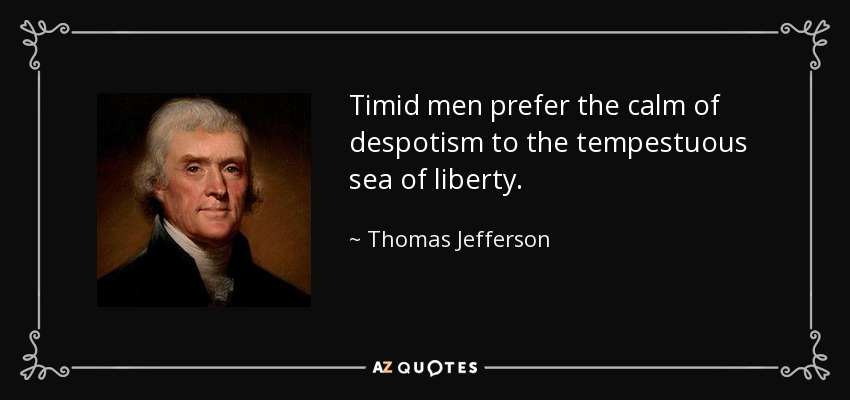
I’m not sure what ‘timid’ meant in those times.

I would have used ‘coward’.

On the other hand, it would have been politically incorrect…

And ‘somewhat’ inefficient! Being blunt, often scares your audience.

And makes them impervious to what you need to share with them.