Archives for category: 1989

Your Liberty To Swing Your Fist Ends
Just Where My Nose Begins

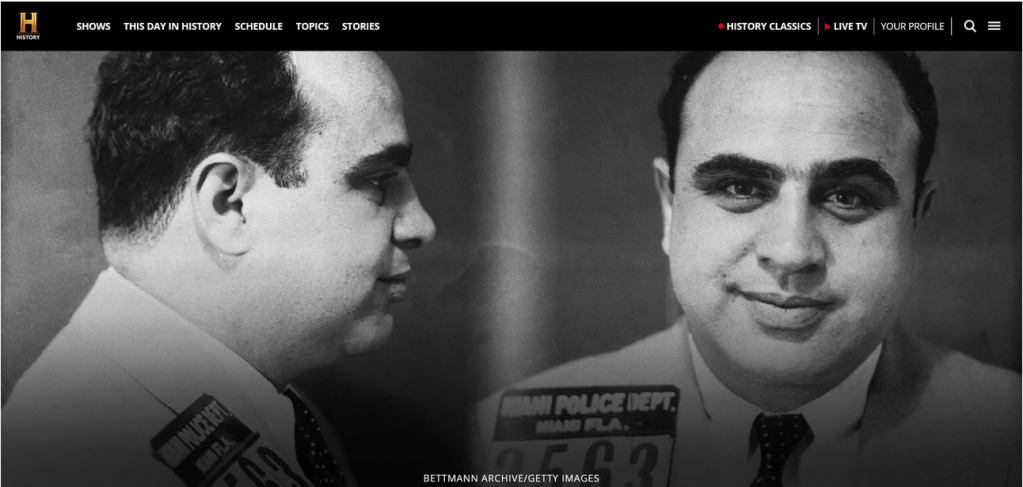
Now, what would you have done if this guy had started to swing his fists? In the very proximity of your precious nose?
“Stood your ground” or gave him enough ‘space to exercise’?

You’re not exactly comfortable with the current meaning of ‘stand your ground’?

Then maybe it’s high time for us to understand that ‘stand your ground’ is the direct consequence of ‘your liberty ends where my nose begins’.

Not comfortable with the current situation?

Then maybe it’s high time for us to come up with another definition for liberty.
One which brings forward the cooperative effort which made liberty possible in the first place.
Instead of the confrontational one currently in use. Which serves perfectly the interests of those powerful enough to define evolution as “survival of the fittest”.
Which serves perfectly the interests of those powerful enough to be convinced that only those able to defend their liberty are worthy to be free.

The key word here being “their”, not “liberty”!
For this kind of people, for the Capones of this world, freedom – their freedom – is something to be appropriated rather than shared.

Think about it!
Do you remember the argument ‘the west has provoked the current situation’?

“Mr Farage said he had been arguing since the 1990s that “the ever eastward expansion” of the Nato military alliance and the EU was giving President Putin “a reason to [give to] his Russian people to say they’re coming for us again and to go to war”.
He added: “We provoked this war. Of course, it’s [President Putin’s] fault.””

What kind of freedom do we want?
For us and for our children?
The kind that must be constantly wrenched from the likes of Putin or one shared freely among all those present?
Built cooperatively or defended against all others?

Shaking willing hands or swinging fists?

The only thing I know is that I know nothing,
and i am not quite sure that i know that.

Socrates

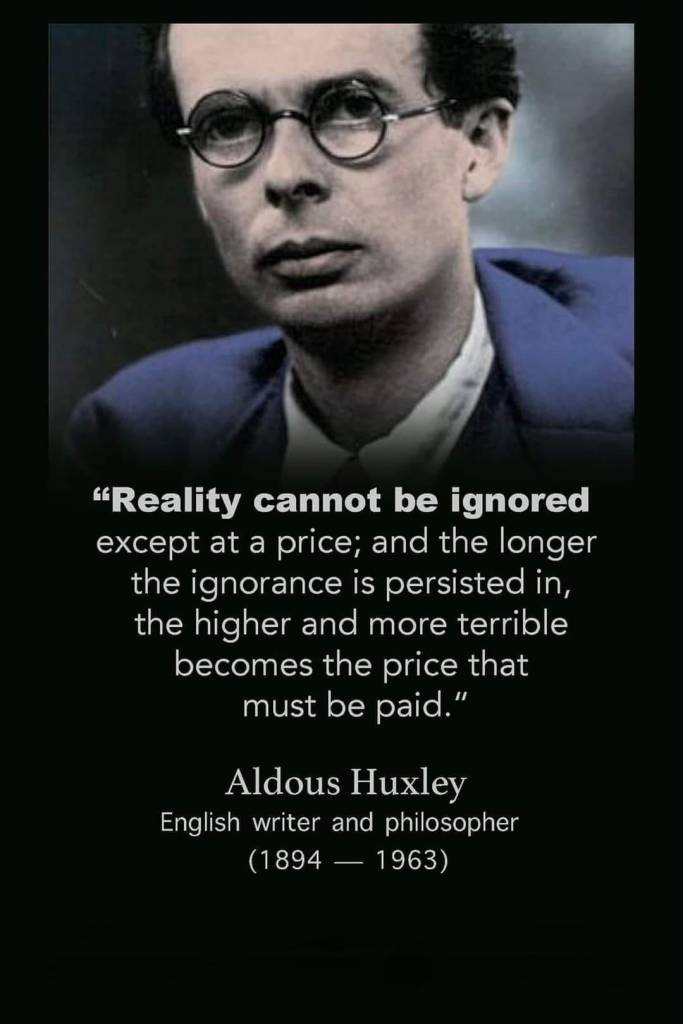
“The demand for certainty is one which is natural to man,
but is nevertheless an intellectual vice.
To endure uncertainty is difficult, but so are most of the other virtues.“

Bertrand Russell

Socrates and Bertrand Russel, both, knew everything there was to be known in their respective times.
Socrates and Bertrand Russel, both, had enough guts to acknowledge their doubts. To themselves and to the rest of us.

On the other hand, Russell presents us with a very interesting riddle.
Is it possible for a naturally occurring thing to become a vice?

““Humans have an affinity for ethanol (plant-derived alcohol), and captive primates are well known to like to drink anthropogenically sourced ethanol,” Dudley told Sciam.com….
The appeal of naturally occurring alcohol has not yet been investigated because, in the handful of previous studies, animals expressed no interest. Anthropologist Katherine Milton of UC Berkeley surveyed primate researchers, working with 22 species, on whether they had seen animals reach for fermented fruit. All said they had not. Scientists at Israel’s Ben Gurion University of the Negev studying bats reported that the animals shunned foods with elevated alcohol concentrations, despite higher sugar levels. Perhaps this is because,  says animal physiologist Berry Pinshow, a co-author of that study, “a drunk bat is a dead bat.””

Cynthia Graber, Scientific American, 2008

Humans, and their pets, also get fat.
Humans – some of them and alone, this time – like to get ‘high’. Exclusively on naturally occurring substances, until recently.

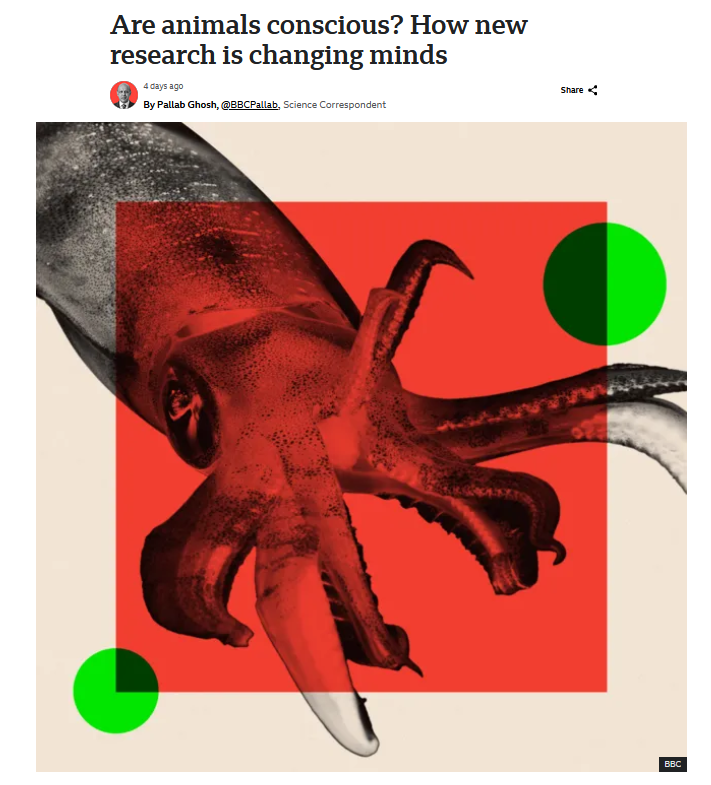
Humans are the only animal species – known to ‘man’ – displaying a certain kind of consciousness. Self-awareness, as defined by Humberto Maturana. Also known as ‘Human Consciousness’.

So, consciousness drove us to become vicious?
To eat too much? To drink alcohol? To use drugs?
To introduce other animals to drugs? In the name of science

The way I see this, consciousness didn’t drive us to become vicious.
Only made it possible.

Being aware of ourselves – being able to observe ourselves ‘in the act’, according to Maturana – has added ‘purpose’ to the whole thing.
Animals do experience pleasure. Pet your pet and then call me a liar.
Animals have even learned from us to ask for pleasure. Many of our pets beg for food and to be petted.
But most wild animals – with the exception of pentailed treeshrews, whatever they might be – shun alcohol. While capable of learning to ‘douse their angst’ from us. In captivity…
Which makes us the only species which has learned to behave viciously on its own. By itself…

To over indulge on purpose.
Do you have a better definition for vice?

Which brings us back to Russell’s “intellectual vice”.

Which intellectual vice does have two aspects.
Overconfidence in one’s own intellectual prowess and over-reliance on other people’s expressed opinions, despite those opinions having a very slim chance of being true. The point being that the second aspect is a ‘simplification’ of the first one. The opinions believed despite being unrealistic do match the biases entertained by the believer.
By the ‘vicious’ believer, albeit the second aspect is less vicious than the first one. Where the overconfident should have known better.

To over-think on purpose.
To convince yourself of your own rectitude… on your own or with the help of others…

E așa o fierbere ‘pe rețele’ încât situația a devenit foarte dificil de comentat.

Bineînțeles că am și eu o părere despre tot ce s-a întâmplat doar că…

Așa că am s-o iau de la început.

O trupă pleacă în turneu. Își propune să aducă pe fiecare dintre scenele pe unde va poposi și niște artiști locali. Niște artiști care chiar dacă locali, nu se întâlnesc în mod obișnuit cu publicul Colplay din respectivele orașe.

În București au fost două concerte. Ambele l-au avut ca invitat pe Babasha. Manelist de origine romă.
Cei care au asistat la primul concert l-au dat efectiv afară. L-au huiduit până a plecat.
Cei care au avut bilete la al doilea concert au huiduit și ei. Cel puțin așa am înțeles din relatările care au inundat internetul. Doar că al doilea rând de huiduieli a avut loc sub bagheta și la invitația lui Chris Martin, leaderul Coldplay. După care ‘petrecăreții’ au dansat pe muzica lui Babasha. Aceiași muzică care fusese acoperită de huiduieli cu doar 24 de ore mai înainte.

Sincer să fiu, pe mine toate astea m-ar fi lăsat rece.
Nu-mi place Coldplay și nu-mi plac manelele.

Dar comentariile au fost cât se poate de relevante.
Nu atât pentru fiecare dintre comentatori cât nemaipomenit de elocvente pentru starea în care suntem.
Noi, ca indivizi alcătuitori ai organismului social din care facem parte. Împreună cu care încercăm să trăim.

Una peste alta, acuzațiile care au curs dintr-o parte-n alta pot fi grupate în trei categorii.
Rasism, înșelătorie și intoleranță.

Unii i-au acuzat pe huiduitori de rasism.
Alții au contra-argumentat citându-l pe Johnny Răducanu. Care susținea că manelele sunt o porcărie.

Huiduitorii, și cei care sunt de acord cu ei, i-au acuzat pe organizatori de înșelătorie.
Ei au huiduit pentru că s-au simțit înșelați. Au plătit bilete la Coldplay și s-au trezit ascultînd manele. Adică altceva decât plătiseră.

Tot huiduitorii, și susținătorii lor, au fost acuzați de intoleranță. Că au ales să-și manifeste nemulțumirea într-un mod ‘neinclusiv’. Că puteau să rabde și ei 5 minute. Că ar fi putut să se întoarcă cu spatele. Sau să plece și să ceară banii înapoi.

A mai fost și o categorie mai subtilă de acuzații. Unii spun că atât spectatorii din a doua seară cât și alde Colplay au dat dovadă de fățărnicie. Spectatorii pentru că au sfârșit prin a dansa pe muzica lui Babasha iar Chris Martin pentru că a spus ca ‘iubește publicul din Romania’ cu toate că acesta, sau măcar o parte din el, nu a ‘savurat’ în totalitate produsul cultural pus la dispoziția sa.

‘OK, foarte interesantă recapitularea ta. Da’ știam toate astea. De ce ne faci să pierdem vremea?’

Acuma, dacă tot ați ajuns până aici… citiți și concluzia!

Care e de bine!

OK, suntem rasiști. Un rasism ‘bine temperat’, de altfel.
OK, suntem intoleranți. Intr-o oarecare măsură. Poate chiar prea mult.

Da, suntem toate cele de mai sus.
Suntem, în același timp, extrem de stresați.
Atât de cu capsa pusă încât nu mai suntem dispuși să acceptăm toate rahaturile.
Chiar dacă suntem, unii dintre noi, dispuși să plătim sume exorbitante pentru ceva… măcar avem pretenția ca produsul plătit să fie conform cu așteptările noastre!
Chiar dacă suntem stresați – și dispuși să ne sărim unul altuia la beregată, virtual vorbind – suntem în continuare capabili de dialog. Încercăm încă să ne înțelegem unul pe celălalt. Și reușim, totuși, să înțelegem cam ce ni se întâmplă. Chiar dacă ne vine greu să recunoaștem, deocamdată, că ne-am lăsat înșelați.

Tot ce mai rămâne este să ne canalizăm energia.
Să dăm la o parte vălurile fluturate de furie și să urmăm exemplul lui Chris Martin.

Care Chris Martin își urmărește scopul cu minuțiozitate.
Care scop? Treaba lui. Pe mine mă interesează metoda!

Care e scopul nostru? Al nostru ca grup. Ca organism social.
‘Supraviețuirea’, evident.
Noi, toți, avem nevoie ca organismul social să supraviețuiască.
Pentru ca fiecare dintre noi să-și poate urmări scopurile individuale – indiferent care or fi alea – avem nevoie ca organismul social din care facem parte să rămână viabil.
Avem nevoie de curent electric, de șosele, de apă potabilă, de școli, de magazine, de spitale, de sistem de justiție… Adică avem nevoie de posibilitatea de a coopera între noi! Avem nevoie să putem să ne ajutăm unul pe celălalt în așa fel încât să ne apropiem, fiecare, cât mai mult de scopurile noastre. Lucru pe care îl putem face doar împreună.
Dialog versus huiduială.

Din câte am înțeles, concertul din a doua seară a fost mult mai plăcut decât primul.

Greeks, the Ancient ones, has been the first people which had allowed its culture to waste its civilization.

By considering their neighbors as being ‘barbaric’, the Ancient Greeks have isolated themselves from the rest of the world. From the rest of the reality.
Shutting themselves out from the exterior, they turned their attention towards their own interior. Towards themselves.
Found differences among themselves.
Ranked themselves.
And ended up fighting among themselves.

Allowed themselves to be conquered.

First by home grown tyrants. Pericles, Alexander the Great…
And then by foreign emperors. Persian, Roman, Ottoman…

Establishing a pattern.
And constituting a warning.

Every time when people become complacent, somebody will seize the opportunity.

Every time people will stop – for whatever reasons and under whatever pretexts – respecting each other in earnest, scheming con-artists will step in. Identify the situation and taking the opportunity to deepen the differences between the people into chasms. Into unbridgeable chasms which make it impossible for people to reconnect.
Unbridgeable chasms which destroy the community.
Rendering it to the mercy of tyrants.
To the mercy of tyrants who constantly lurk in what we call reality and which, under ‘normal circumstances’ – a.k.a. ‘democracy’, are kept in check. In a normal, functional, social setting. By a functional community.

The fact that all tyrannies end up badly, for all those involved, is no consolation.

And all these – social settings, democracies, tyrannies, etc, – are as real as it gets.
Only this level of reality is being created by us. By us, people.
By ‘the people’ who not only creates the reality but also has to make do with the consequences derived from the reality it has created for themselves. Knowingly or ignorantly.


Tot așa luptăm și cu gravitația….
În fiecare dimineață, când ne sculăm din pat!

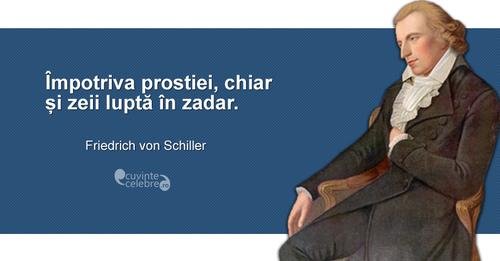
Prostia este o stare naturală. Unii oameni sunt mai proști decât alții.
Nici noi, fiecare dintre noi, nu suntem mai breji. În afară de Einstein, Feynman, Hawking… chiar și ei doar în ceea ce privește fizica teoretică.

De fapt, prostia e pe domenii! Fiecare dintre noi știm câte ceva, în câte un domeniu. Și aproape nimic în mai toate celelalte domenii ale cunoașterii. Dar fiecare dintre noi ne credem ași! Măcar în domeniul ‘nostru’…

Problema noastră, a tuturor, nu e prostia.

Reaua voință este cea care ne face probleme, nu prostia!

Reaua voință și îngâmfarea…

What are electron spins:
Electrons are able to spin on an axis, like how the earth rotates on an axis, but much faster. Electrons can spin in either a clock-wise or counter-clock-wise direction. The spin on an electron is described by the spin quantum number (ms). The value of ms can be either +12 or -12. The +12 is called spin-up and denoted by a ↑, where the -12 is called spin-down and represented by ↓. Sometimes the spin of electrons will be described as angular momentum.
Each orbital of an atom can be occupied by up to two electrons. The two electrons will have opposite spins. This phenomenon was first described in the Pauli exclusion principle which states that each electron in an atom is described by a unique set of quantum numbers, including ms.”

Political spin, in politics, the attempt to control or influence communication in order to deliver one’s preferred message.
Spin is a pejorative term often used in the context of public relations practitioners and political communicators. It is used to refer to the sophisticated selling of a specific message that is heavily biased in favour of one’s own position and that employs maximum management of the media with the intention of maintaining or exerting control over the situation, often implying deception or manipulation.

Electrons ‘work’ in certain ways. Science has recently figured out some of those ways.
The point being that electrons keep to themselves. One spins in its direction, the other spins in the opposite direction and no more than two electrons fit in the same ‘orbital’.

People’s minds also work in ‘certain’ ways.
Not as ‘rigidly’ as the electrons but still ‘useful’ for those who know how to exploit this phenomenon.

By constantly pestering people with certain messages, you get to convince at least some of them.
You get to divide them into (political) camps.
You get them to fight among themselves instead of cooperating.
You get to lead them into battle.
And after the battle has been won, by no matter which side, you get to lead the winning party. At least for a while, but that is another subject.

And all lies, aka as ‘half truths’/alternative facts, start from something real.
Capitalism, for as long as the people remain awake, works. As advertised.
Socialism, on the other hand, doesn’t. It had failed, abysmally, whenever and wherever it had been experimented.

But there’s a caveat.

‘Capitalism’ is a rather clear-cut concept. Property belongs mainly to the individuals and individuals trust each-other enough to do business among themselves. Usually – but not always – capitalism is associated with ‘free market’ and democracy. With freedom to act – inside the confines of the law – and freedom to speak up.
I’ll say this again! For as long as the people remain awake, the market continues to be free and democracy still functions, capitalism works. Sustainably. But only for as long as the people remain awake…

‘Socialism’ is rather vague. From ‘public’ (instead of private) property associated with central planning of the entire society to softer versions which sometimes pay lip service to democracy. The central idea of ‘socialism’ being that society comes first and the individual is only a cog.
Who wants to be a cog? Those who see no alternative… Those who, once in a certain set of circumstances and exposed to a certain propaganda, succumb to the Sirens’ song.

The point being that in order to impose ‘socialism’ to a society you need to lure (enough of) the people into an ‘altered state of consciousness’. To make them believe a certain set of rules. To make them behave according to that set of rules.

The interesting part, as usual, comes at the end.
There is a ‘social arrangement’ where property remains private but where the people behave in a ‘certain’ manner. As if they have been made to believe a ‘certain’ – as in ‘forcefully unified’ – set of rules.

That social arrangement is just as fragile as ‘socialism’.
Again like socialism, it has already been experimented.
Both had failed. Abysmally. History is our witness.

The ‘other’ always failing social arrangement is usually called ‘fascism’.
In Germany, it has been known under the name of ‘NAZIonal socialismus’.

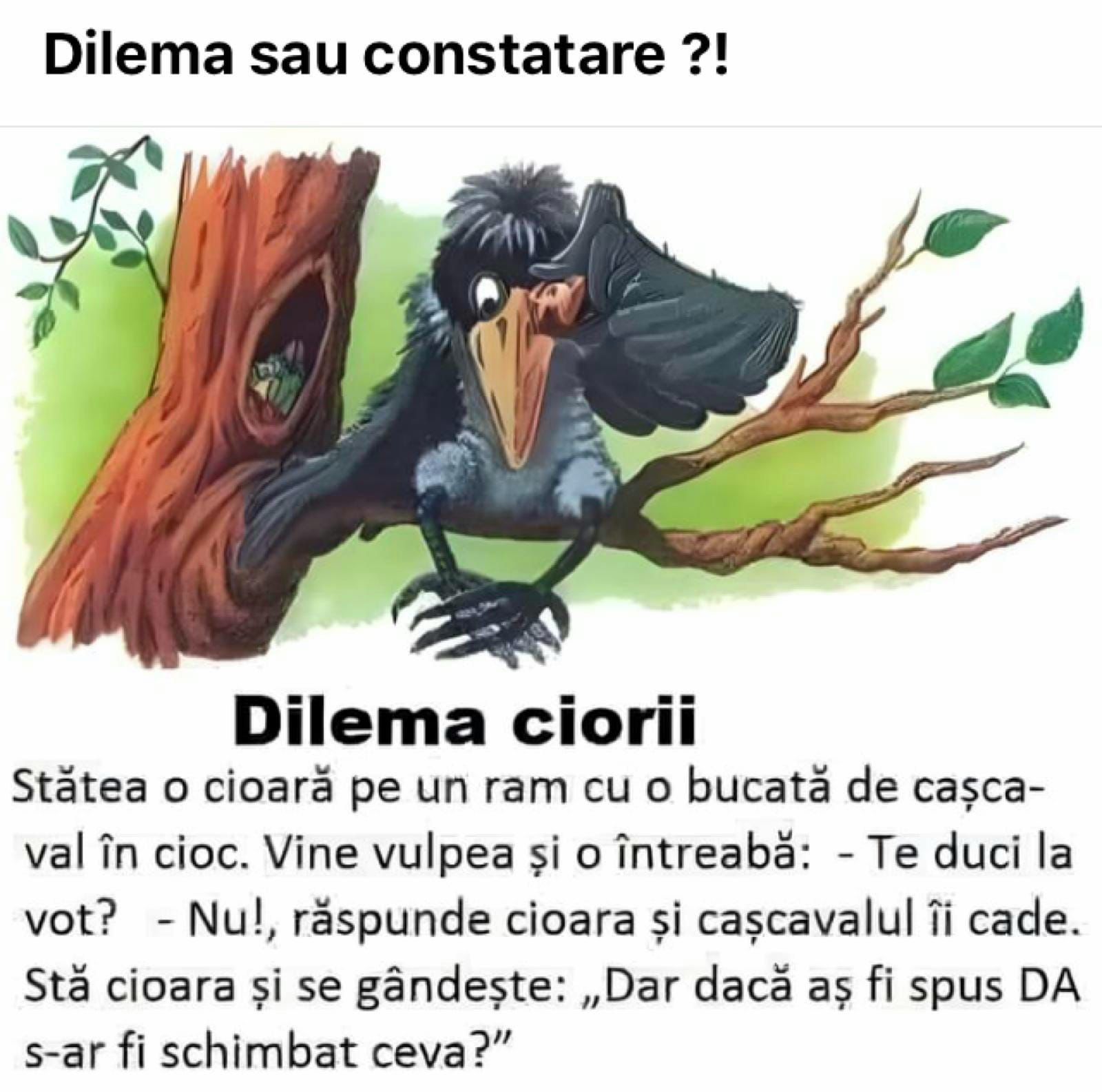
Țeapă!

Dacă se gândea puțin, victima – doar întâmplător cioară, realiza că întrebarea era ‘manipulatorie’.

Treaba votantului este să voteze și abia apoi să comenteze!

Doar așa se poate schimba ceva…

Aveți nevoie de argumente?
Tocmai v-ați uitat la unul foarte convingător!
Exact glumele astea îndoielnice – care vor să ne încurajeze să stăm acasă și să-i lăsăm pe ‘ei’ să-și vadă de ‘treabă’ – sunt cele mai bune argumente pentru necesitatea unei prezențe covârșitoare la vot.

Ce face un cetățean atunci când votează?
Alege?
‘Alegerea’ este doar o ‘porțiune’ din actul de a vota.
Principala semnificație a votului este participarea. Participarea la viața cetății!
Votul este, în primul rând, obiectivarea interesului pentru soarta colaborării dintre membrii societății în care trăim.

Sună pompos?
Am să formulez altfel.
Votul exprimat – adică pus în urnă – este un avertisment.
Un avertisment cât se poate de puternic transmis celor aflați ‘la butoane’. Un mesaj care strigă cât se poate de explicit „NE PASĂ”.

„Suntem cu ochii pe voi așa că aveți grijă ce faceți!”

I’m acquainted with a relatively large number of people. From all walks of life. My experience suggests that it’s not the ignorance which is the problem but our (collective) unwillingness to accept/assume it. After all, we are ignorant. All of us, albeit in various degrees. Even the smartest amongst us ‘controls’ more ignorance than knowledge.

The real problem stems from us being cock-sure about things. Across the board!

Some of the smart ones are fully aware about the fact that they don’t know everything. But only some.

Some of the ‘ignorant’ are aware of their ignorance. Not all of them, but way many more than the smart ones. Simply because it’s easier to notice how much more you have to learn when you are at the start of the process.

And the problem is compounded by the fact that some of the smart ones who have chosen to ignore their ignorance team up – or more exactly organize – the ignorant who refuse to learn. This being the reason for so many actual human beings behaving as if they were some faintly intelligent ‘bots’.

On the other hand… letting go, emotionally speaking, may not be as beneficial as advertised.
We might lose some bitterness but we might become more liable to ‘repeat the experience’

As in …

Forgive but don’t forget is a lot easier to be said than done, you know…

Which brings us to:

Do we really need ‘a purpose’?
As in ‘an ideologically determined goal’?
Remember Marx’s “The philosophers have hitherto only interpreted the world in various ways. The point, however, is to change it.”. Then the consequences produced by those who had followed Marx’s teachings…
But not only Marx’s!

All set goals which go ‘against the grain’ incur costly consequences.
Which are detrimental to survival! Of the leading trespasser, of those in the following or of those hapless enough to be too close to that particular goal being pursued.
Remember Marx? Nothing unpleasant had happened to him. Not as a consequence of his attempts to change the world! But to others…
Which is equally valid for all other ‘world changers’. Along with all ‘world preservers’ who run along ideologically drawn paths.

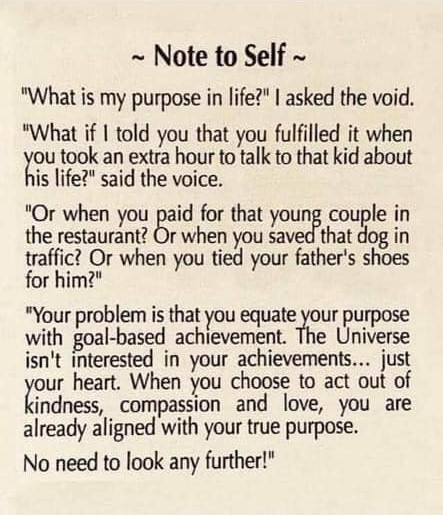
Then what should we strive for?
Simply ‘follow the heart’ to achieve ‘peace of mind’?!?
Would that be enough?

Enough for what?!?

https://www.goodreads.com/book/show/56083.In_Dubious_Battle

„Mă consider un fel de jurnalist, în măsura în care ceea ce mă interesează este actualitatea, ce se petrece în jurul nostru, ce suntem, ce se întâmplă în lume. Filosofia, până la Nietzsche, avea ca rațiune de a fi eternitatea.
Primul filosof-jurnalist a fost Nietzsche. L-a introdus pe „azi” în câmpul filosofiei. Înainte de el, filosofia cunoștea timpul şi eternitatea. Nietzsche, însă, avea obsesia actualităţii.
Consider că viitorul noi îl facem. Viitorul este felul în care noi reacţionăm la ceea ce se petrece, este modul în care noi transformăm în adevăr o mişcare, o îndoială.
Dacă vrem să fim stăpâni peste viitorul nostru, trebuie să ne punem în mod fundamental problema zilei de azi. Iată de ce, pentru mine, filosofia este un fel de jurnalism radical.”

Michel Foucault

„Stăpâni peste viitorul nostru”…
Dacă nu definim bine termenul – și care o fi „binele” ăsta?!? – s-ar putea să nu ne placă viitorul ăla odată ajunși acolo!

„Stăpâni” adică ‘prin noi înșine’? Fără inputuri venetice?
„Stăpâni” adică unii dintre noi la butoane iar ceilalți ‘după marea mila noastră’? Și ce ne facem dacă ajung ceilalți la butoanele alea?!?
„Stăpâni” adică având atâta încredere în noi înșine încât facem ce ne taie pe noi capul? Doar ce ne taie pe noi capul? Fără să ne mai uităm în jur?
Stăpâni în primul rând peste pulsiunile noastre? Capabili să ne ascultăm între noi înainte de a purcede spre un viitor asumat ca fiind incert? Și cu toate astea încă încrezători că împreună putem răzbi mai ușor decât separați?

Pentru cei cu amintiri încă proaspete de la lecțiile de materialism științific și dialectic – ăsta era numele de cod pentru marxism pe vremea când mă duceam eu la școală – și pentru cei cu nostalgii comuniste am să mai adaug câteva considerații.

Poate că cel mai atrăgător aspect al marxismului a fost, și continuă să fie, ‘certitudinea’. Atât pentru ‘gânditori’ cât și pentru oamenii de rând.
Oamenii de rând au nevoie de siguranță. De siguranța zilei de mâine și de măcar impresia/aparența că îi pasă cuiva de ei.
Gânditorii – fie ei oameni de știință sau filozofi – au nevoie să-și ostoiască disonanța cognitivă. Toți oamenii cu o educație rațională știu foarte bine că realitatea nu poate fi cunoscută. Că toți agenții cunoscători pot dezvolta, chiar și împreună, doar o înțelegere limitată a celor ce se întamplă. Sunt multe explicații cu privire la chestia asta dar putem accepta acest lucru, pe moment, ca pe o axiomă.
Pentru a-și ostoi această disonanță, gânditorii raționali – adică atei sau agnostici – au nevoie – și ei, similar cu teiștii – să se agațe de o ancoră exterioară lor.

Ecce materia!
Materia cu legile ei imuabile… Determinismul de toate nuanțele… Aproape cu nimic diferit de determinarea cu care Zeul își apleacă atenția asupra creației sale.
Aspectul delicat introdus de determinisme – indiferent de natura și originile acestora – este că acestea reduc prea tare disonanța cognitivă. Disponibilitatea omului de a-și păstra mintea liberă. De a mai fi dispus să analizeze variante… după ce a ajuns la o ‘concluzie rațională’!
Indiferent dacă premiza pentru raționamentul dus până la capăt a fost de natură științifică sau de natură divină, raționamentul însuși devine literă de lege. Acesta fiind, de fapt, procesul prin care comportamentul rațional se transformă în comportament raționalizator.
Neajunsul fundamental al oricărui proces rationalizator fiind acela, ați ghicit, că induce cecitate. Adică ‘orbește’. ‘Ia mințile’. Îl face pe om incapabil să se mai adapteze. Individual și în grup.
Devine incapabil să mai genereze variante. Alternative care să-i faciliteze evoluția. Merge înainte indiferent de consecințele faptelor sale. Care fapte/acțiuni au avut la bază niște concluzii raționale, nu? Așa trebuia acționat în momentul ăla! Și ăsta este drumul pe care trebuie mers în continuare.
Ei bine, asta este una dintre semnificațiile conceptului de ‘stăpân’.
Și explicația pentru faptul că orice dictatură, orice ‘stăpânire’ – inclusiv cea comunistă, se termină, inexorabil, în prăpastie.
În disperare.

Mai puțin ‘stăpânirea de sine.’
Disponibilitatea de a ‘întoarce și celălalt obraz’. De a asculta, cu respect și atenție, alte păreri în afară de cea proprie. În afară de părerea deja proprie…