

For everybody, no matter how powerful, crimes are those that others commit….
The powerful are the ones who have the means to evade the consequences but when it comes to ‘who thinks what’, there’s no difference among variously powerful people!
For everybody, no matter how powerful, crimes are those that others commit….
The powerful are the ones who have the means to evade the consequences but when it comes to ‘who thinks what’, there’s no difference among variously powerful people!

There is an old ‘rule’ which maintains that even a broken watch may be accurate.
From time to time, if it retains its arms…
Twice daily, to be precise!
Same thing is valid for people.
From time to time, each of us will utter something which actually makes sense!
Sort of, anyway…
The catch being that in order to ‘prove’ the temporary accuracy of the broken watch you need one in good working order. Or, alternatively, you need a good understanding of time.
Same thing with Peterson’s uttering.
On the face of it, the phrase is catchy.
In fact, it’s just as useful as a broken watch.
What solace will be felt by the victim of a tough tyrant when that person realizes that no tyrant, however tough, was ever capable of ‘achieving’ anything without the compliance of the weak? Without the compliance of those who had done, in their weakness, what the tyrant had told them to do…
So yes, broken watches are, sometime, accurate.
And yes, Petersen is right to tell us that both tough and weak people can wreak a lot of havoc.
But neither of these two pieces of trivia will be useful to us until we’ll understand it’s up to us to put them to good use. To understand the temporary nature of the accuracy displayed by the broken watch and the fact that no man, however tough, becomes really dangerous unless condoned, or even helped, by ultimately hapless weaklings.
The things we believe
are
what we have in common
with those who promote them.
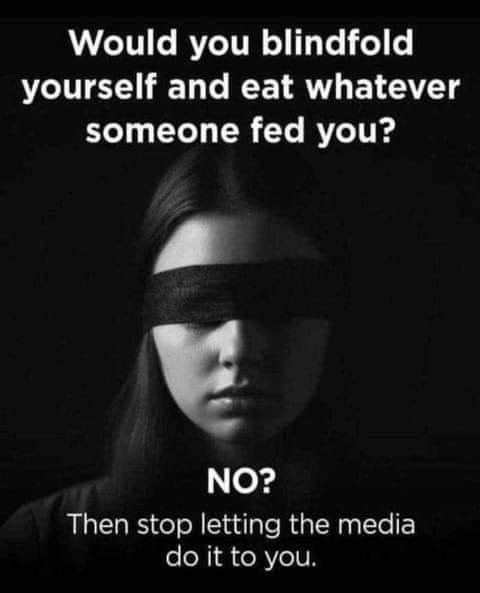
Well, nobody ‘blindly’ beliefs anything published in the media!
We use our cognitive biases in order to do that.
The media publishes the things we like to hear.
To sell advertising space, to please their sponsors…
While those who actually do this, the journalists, appease their consciences with ‘we have to give them what they want’. ‘Cause we actually do ‘buy’ their stuff…
And we believe the things we read in the kind of press we ‘buy’ because we no longer bother to keep in check our cognitive biases!
Who has anything to gain? From this vicious circle spinning faster and faster?
Nobody, really!
But we all have something to lose.
Everything, actually!

When was the last time you met a dead person who regretted anything?
“It is not from the benevolence of the butcher,
the brewer, or the baker, that we expect our dinner,
but from their regard to their own interest.
We address ourselves, not to their humanity
but to their self-love,
and never talk to them of our own necessities
but of their advantages.“
Adam Smith, The Wealth of NATIONS, 1776
I’m sure you already know that Adam Smith didn’t invent capitalism. As Marx invented communism and Lenin invented bolshevism.
Adam Smith had done nothing more and nothing less but described what was going on around him. How a bunch of people acting according to their ‘moral sentiment’ took care of business. How individual needs – for meat, beer and bread – were met and how the wealth of nations was built in the process.
Do you notice any need being fulfilled, in earnest, in this, new, situation?
OK, things were not that rosy in Smith’s times either. Most people had to work hard, a lot harder than today, to make ends meet. But since Smith and until some 40 years ago things went better. Year after year.
When Smith was writing his books, Regular Joe-s used to live in crowded shacks, usually rented out from their employers. Nowadays, most of those in their 50-ies and 60-ies own the house they live in. Which house has nothing in common with the afore mentioned shack.
So, is this the new kind of progress?
A looking back in anger kind of progress?
Are you even aware of the huge number of people pondering whether capitalism is not as good as advertised – by those who have already enjoyed its spoils? For the simple reason that in the current (no longer) free (enough) market so many people can no longer enjoy the kind of economic well being their grand parents took for granted…
As someone who had experienced both communism and capitalism, the situation is clear.
„Ciordeala de azi celebrează poporul român.
Că tot vine ziua națională.
Dacă nu vă recunoașteți în personaj ori nu sunteți popor român,
ori nu vă autoevaluați corespunzător.”

Unii dintre noi am avut profesori buni!
Așa că suntem în stare să ne evaluăm corect, asumăndu-ne statutul de ființe mărginite și rămânând în cadrul poporului român.
Și da, mare parte din bulibășeala de astăzi poate fi atribuită dezinteresului popular față de știința rece.
Dezinteres care vine din străfunduri istorice. Vezi zicala „cine are multă carte are și un pic de nebunie”.
Dezinteres încurajat frenetic de o anumită parte a spectrului politic. Vezi insistența neo-liberală cu privire la inutilitatea studiului. În special atunci când vine vorba despre disciplinele umaniste. Vezi insistența cu care sunt sfatuiți tinerii să învețe doar acele deprinderi care pot fi monetizate rapid pe piața muncii…
Colac peste pupăză, să nu uităm contribuția părinților contemporani. Nu intru în amănunte cu privire la motivațiile acestor părinți, cert fiind doar comportamentul acestora.
Își împing copii până la epuizare. Le pretind să aibe doar note de 10 și să exceleze la toate activitățile extrașcolare la care îi înscriu.
Doar că cei mai mulți copii sunt pur și simplu normali! Nu extraordinari, așa cum îi vedem noi – părinții lor.
Care copii normali nu pot satisface așteptările noastre nerealiste.
Care copii normali sunt descurajați de reproșurile noastre continue cu privire la nerealizările lor.
Care copii normali renunță, în cele din urmă.
Demotivați fiind, renuntă la școală, renunță la educație, renunță la a mai citi …
Și devin pradă!
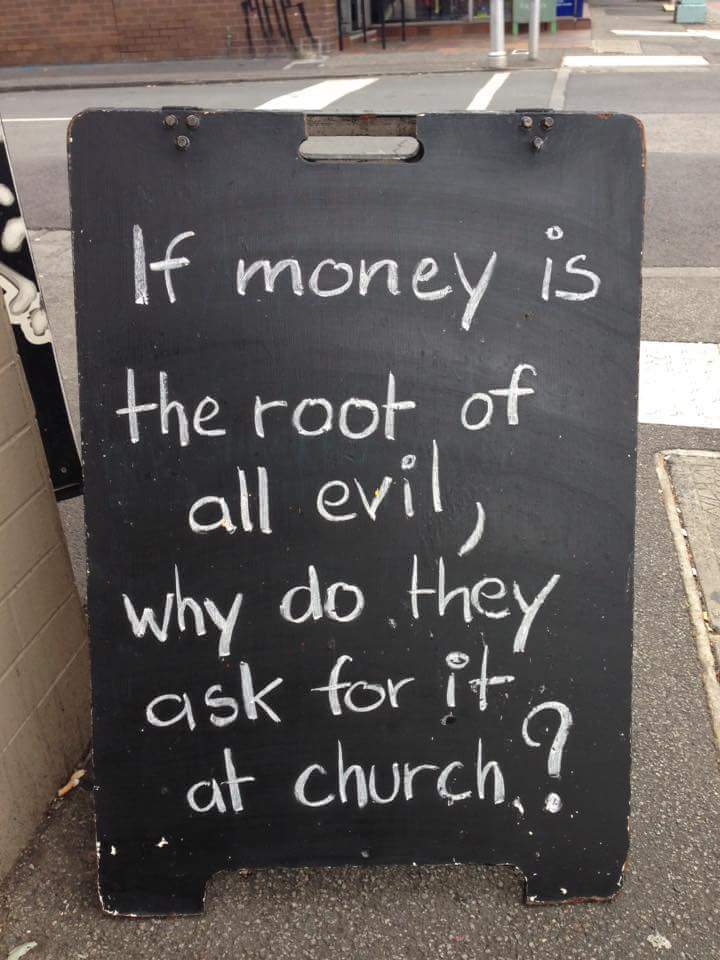
Then Jesus entered the temple and drove out all who were selling and buying in the temple, and he overturned the tables of the money changers and the seats of those who sold doves. He said to them,
“It is written,
‘My house shall be called a house of prayer’,
but you are making it a den of robbers. ”
What’s wrong with them?
They know plenty and they have everything…
Yet they’re not even content, let alone happy!
The Universe has no other meaning
than that we attach to it.

How do we find that meaning? How do we make sense of things?
According to Schoppenhauer’s take on the matter, we make sense of the world by carefully (?) ruminating the “pictures in our head”. The information which has already reached our ‘inner forum’.
Which means that we should be very careful when letting something ‘in’!
When reading a text, for example…
‘You should follow science, not scientists. Because scientists can be sold.’
Logically speaking, the phrase makes a lot of sense. Right?
Practically… not so much.
Do we learn everything about medicine before taking the pill prescribed by the doctor? Simply because the doctor might have been sold to the big pharma?
Do we learn everything about microwaves before using a microwave oven? Simply because the physicist who had invented the thing might have been sold to the makers of household appliances?
Do we stop using planes because they are used to spray our skies?
Literary speaking, what do you make of “scientists can be sold to the highest bidder”?!?
Sold by whom? How can anybody sell a scientist?
I might understand the notion of a scientist being bought… of a scientist selling his soul, his scientific soul, to the highest bidder… but selling one… Is there a market for scientists?
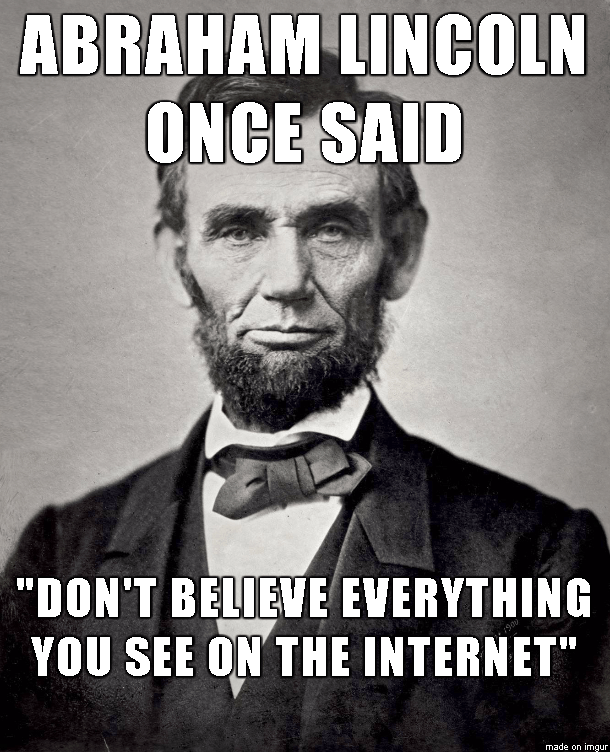
only because it happens to resonate with something you are already inclined to believe.
Din când în când, de multe ori din zona artistică a societății, vine așa câte o chestie…
Care ne trage câte un dos de palmă peste ochi!
Peste ochii închiși, strâns închiși, ca nu cumva să intre realitatea peste noi!
Noi îi punem pe țigani să facă tot felul de lucruri. Pentru noi…
După care tot noi îi înjurăm! Tot pe țigani…
O fi bine?
Nici pentru ei, nici pentru noi!
‘Evolution is not about “the survival of the fittest”.
Evolution is about the demise of the unfit!’
What Evolution Is, Ernst Mayr
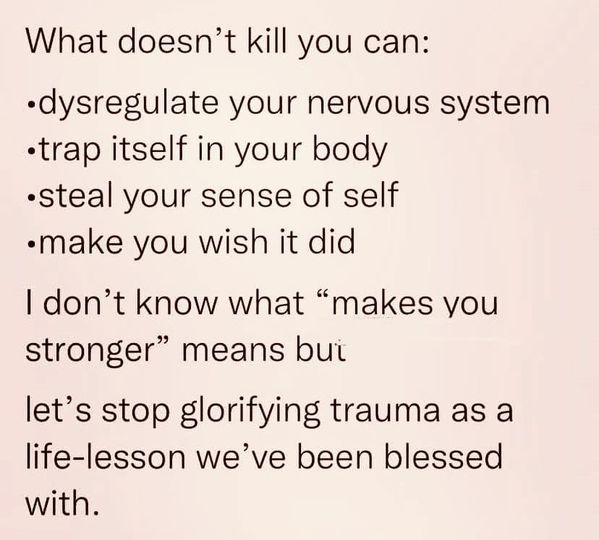
It’s not ‘what doesn’t kill you’ which may make you stronger.
You are! That guy….
But only if you learn enough from the experience!

 nicichiarasa