I write this blog in the hope that ’embodying’ my thoughts will somehow help me. Help me solve some of the quirky questions which have been haunting me for sometime now.
Why so many people have been convinced that thinking may help them make sense of things? Why so many otherwise smart people have convinced themselves that thinking ‘in solitude’ would take them to the ‘right’ place? Why so many seemingly reasonable people have somehow become certain that their version of things was the only one valid? To the tune of trying to impose it to those happening to be around them?
The first answer was easy to find. Because that’s how we make sense of things. And because that’s what people do when they have no other alternative. They start thinking about how to get out of the mess into which they have entered by not thinking! Enough…
The second one was also easy. Ish… specially after I did come up with the question formulated like this. Apparently, to shield their minds from ‘distraction’. From the mundane ‘minor’ problems which might have wasted their ‘brain power’. In reality, simply because they could do it. They had a great time doing it – thinking, that was – so they indulged on every occasion they had. And smart as they were, they made it possible for them to have more and more time available for thinking. And they cut themselves off from the rest of the world because the few people able to partake in the process not always shared the same opinion. Thus otherwise smart thinkers ended up in the company of sycophants…
Having found the answer for the second question opened, wide, the door for the third answer. No, it wasn’t the presence of the sycophants which convinced the otherwise reasonable thinker that their was the only valid solution for whatever problem they had in mind at anyone time. Sycophants showering praise were only a ‘favorable circumstance’. A mere opportunity for it to happen.
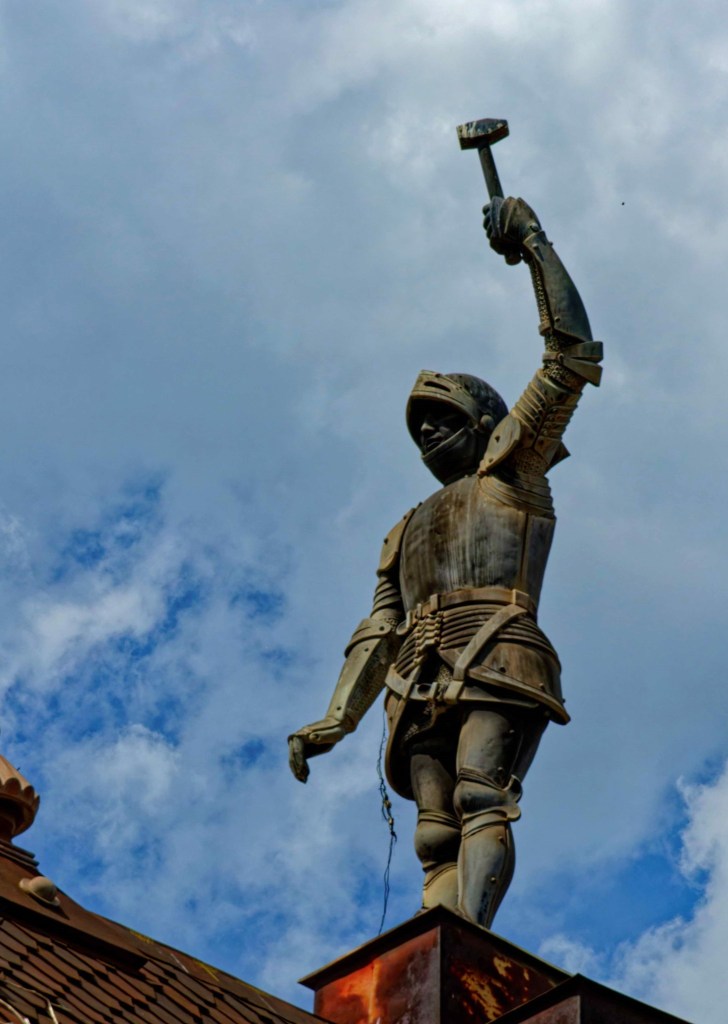
Unhindered by any outside intervention, the tinkering thinker turned his tool to his own head. And hammered out all the remaining doubts his mind was still harboring.
Voi folosi conceptul introdus de Maslow pentru a încerca să intuiesc la ce ‘etaj’ se află România. Ca dezvoltare socială…
Avem niște nevoi. Pe care le știe toata lumea. N-are nici un rost să le înșir aici.
Avem o ‘organizare socială’. Populație, antreprenori și politicieni. Care interacționează într-un spațiu politic definit de legi democratice și își asigură subzistența pe o piață liberă care funcționează pe principii capitaliste.
Conform fișei postului, politicienii sunt aceia care ar trebui sa identifice și ierarhizeze prioritățile. Problemele care trebuie rezolvate. Apoi să propună societății diverse căi de urmat. Fiecare grupare politică în funcție de interesele pe care le reprezintă și de ideologia cu ajutorul căreia judecă lucrurile. Restul populației este chemată – la date fixe precum și ocazional, să aleaga prin vot între variantele propuse de diversele grupări politice.
În afară de alegerile la nivel național, regional și local, democrația mai presupune și niște alegeri ‘interne’. Adică în interiorul partidelor. În timpul campaniilor electorale ‘interne’, partidele au ocazia să-și (re)definească și caracterul, nu doar să-și aleagă liderii.
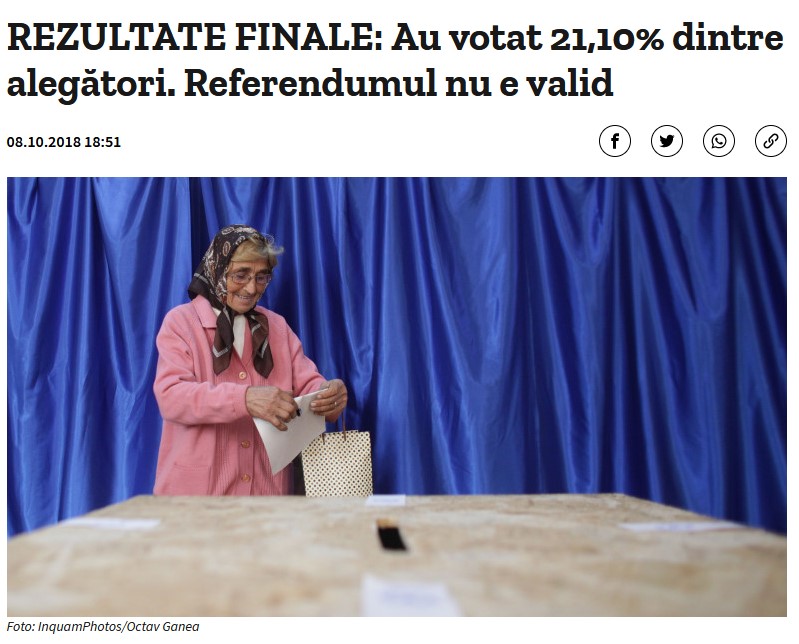
Discutând această poziționare, unii se întreabă ‘Ce-o fi în capul lui Orban’? Având în vedere că acum 3 ani doar 21% din alegătorii de pe listele electorale au ieșit să voteze….
Înainte de a intra ‘pe fond’, aș vrea să mai adaug o imagine.
Ce înțeleg eu din toată chestia asta?
Că piramida nevoilor s-a transformat într-un aisberg.
La bază, avem nevoile Romaniei. Ca țară. Deasupra lor, avem nevoile politicienilor. Nevoile indivizilor intrați în politică și nevoile partidelor, ca organizații.
Aceste două niveluri se află ‘sub apă’. Toată lumea știe că sunt acolo. Pentru că fiecare dintre noi vede vârful aisbergului! Dar nimeni nu știe cu adevărat până unde se întinde fiecare dintre aceste două straturi. Ce forma are fiecare dintre ele… Asta pentru că nimeni dintre cei care ar trebui să o facă nu discută – „cinstit și lăutarește”, pe aceste teme. În afară de niște ONG-uri – care se străduie dar nu sunt băgate în seamă.
Se vede, în schimb, ce se întâmplă la suprafață. Pe scena politică, pe ecranul televizoarelor si pe monitoarele device-urilor multi-media… Se vede cum acționeaza politicienii noștri. Ce fac și ce spun. Cum votează atunci când au ocazia și ce spun în diverse ocazii…
Cum am spus la început, treaba noastră – adică datoria civică – este să evaluăm prestația si propunerile politicienilor. Să determinăm cu ce se ocupă aceștia.
Cu rezolvarea problemelor obștii sau cu rezolvarea problemelor lor?
Și mai e o chestie. Din modul cum acționează politicienii putem determina și ce părere au despre noi. Mai bine spus, ce cred ei că vom face noi.
Să revenim puțin la cel mai precis sondaj de opinie făcut vreodată în România. Referendumul pentru Familia Tradițională…
Optimiștii s-au bucurat că n-a trecut. Pesimiștii s-au întristat că România alunecă pe o panta periculoasă. Iar eu sunt încă îngrozit de-a dreptul!
21.10% la suta dintre cei înscriși pe liste au ieșit la vot, iar 91.56% dintre ei au votat DA! Referendumul a fost anulat pentru ca prezența la vot a fost mai mică de 30%.
Cu alte cuvinte, avem în țară trei milioane și jumătate de votanți extrem de disciplinați. Cărora li s-a spus să facă ceva iar ei au dus sarcina la îndeplinire. Ce s-ar fi întâmplat dacă cei care au organizat referendumul ar fi ‘periat’ listele electorale? N-au făcut-o pentru că nu era în interesul lor?
Nu era în interesul lor ATUNCI…
Având în vedere noile poziționări ale unora dintre politicieni și modul în care se fac și se desfac alianțele de facto dintre taberele politice…
UDMR nu este de acord cu alegerea primarilor în două tururi de scrutin. PNL voteaza o moțiune introdusă de tabăra social democrată din Parlamentul European pentru a face în ciudă USR-Plus iar PSD se abține de la acel vot.
Aproape 1 000 000 de romani au făcut cerere de rezidență în UK. Or mai fi încă trei milioane în restul UE.
Dacă pe listele electorale ar fi fost doar 14 milioane – in loc 18, acei trei milioane și jumătate de ‘disciplinați’ ar fi fost suficienți pentru a modifica Constituția. Și să nu uităm că Senatul – în calitate de cameră decizională, a adoptat propunerea de modificare a Constituției cu 107 voturi pentru (PSD, ALDE si PNL), 13 împotrivă și 7 abțineri.
Vom trăi și vom vedea ce se va întâmpla în continuare. Se vor apuca politicienii să rezolve problemele noastre, ale tuturor? Sau vor continua să le rezolve pe ale lor, profitând de ‘bezmeticeala’ noastră? Și de ‘disponibilitatea’ manifestată de 21% dintre noi?
Iar întrebarea de 1000 de puncte este:
Politicienii ca politicienii. Ce facem noi? Noi aștia care ne dăm rotunzi… Care credem că le știm pe toate… Dăm vina pe ‘disciplinați’? Pe politicieni?
Sau ne trezim și noi odată? Încercăm să înțelegem ce se întâmplă în sufletele ‘disciplinaților’? Ce-i face să fie o pradă ușoară în față politicienilor fără scrupule?
Dacă reușim să le luăm ‘apa de la moară’, toți ‘fățarnicii’ se ‘usucă’ repede… Nici unul nu e ‘de cursă lungă’. La noi e robinetul… Noi suntem cei care trebuie să ne hotărâm odată!
“How absurd to imagine that something we can make could actually deliver us from problems we could not free ourselves from!” Dr. Allen Ross, Dead Idols or the Living God
According to Abraham Maslow, people’s lives are ‘staged’. During the first four, each individual ‘must’ – ‘inside’ whatever circumstances Mother Luck had granted them, provide for their ‘needs’. Only after they had reached the fifth stage, individuals have the opportunity – but no ‘obligation’ other than that each of them impose upon themselves, to ‘reinvent’ their own personae. Maslow had used ‘self-actualization’ to describe the process.
In religious terms, the whole thing is known as ‘coming to peace with oneself’.
No more ‘absurdity’ here! There’s so much each of us can do in order to move ‘forward’…
‘And where is this famous ‘forward’?!? How are we, individually and/or collectively, to determine which is the ‘good’ direction?!?’
Is our ‘imagination’ good enough to come up with a solution for the “problems we could not free ourselves from”?
Is ‘induction’ a comprehensive enough solution? Or ‘too much of a good thing’ will never fail to become ‘bad for you’?
Confused?
Let me put it another way.
‘One size fits all’. How many times have you been really satisfied by such a ‘solution’? Do you really think an ‘idol’ fashioned by a carpenter – by the most talented carpenter, even, will ever satisfy the needs of at least one blacksmith?
‘But how about the idols fashioned by Plato’s king-priests?’
To answer this question – this excellent question, if I may say so myself, we must turn back to Dr. Allen Ross’ Dead Idols. To the difference between the Dead Idols and the Living God, to be more precise.
‘Criterion for what?’
If you pay close enough attention to what’s written above, you’ll notice that not passing the falsifiability test doesn’t mean than an assertion is false! Far from it, actually! Not passing the falsifiability test – ‘if a claim is compatible with all and any states of affairs’, only means that that claim is both ‘true’ and unscientific! Simultaneously true and not scientific!
‘And what has any of these to do with God?!? With the Living God or with any of the Dead Idols humankind has built for itself? And later discarded?’
I’m afraid you’ll have to come back for the answers. Or, to put it differently, I’ll gladly welcome you back!
For subjects to become free, they must first remain alive. As soon as individuals die, whatever freedom they might have enjoyed vanishes.
Individual liberty is a matter of degree. No matter what any of us might do, none of us – well, almost, will ever escape gravity. We are all pulled towards the center of the Earth and this is how things should be. Otherwise… can you really imagine us drifting freely through the Universe and still being alive? There are some constraints we might escape for a while. While gravity stays with us forever, we need to breathe only once every second or so. If needed, some of us can go without air for almost five minutes. Most of us can go without water for days and without food for a couple of weeks. Without friends… is more complicated. My real point being that individuals will start considering freedom, in earnest, only after reaching Maslow’s self-actualization stage. Until then we remain subjects. Subjected to our needs.
Liberty, as a function, is a social matter. According to Berger and Luckmann, ‘reality’ is a social construct. Going one step further, we realize that freedom – like money, is also a social construct. Something we all contribute to. Help building it. Or tear it apart by negligence/carelessness. Help building it by encouraging others to become free. As in helping them to lead a decent enough life. For freedom to happen, the society – as a whole, must remain functional enough for each of its members to have the opportunity to reach the self-actualization stage.
We must constantly remember that each time somebody puts our lives in danger that somebody attempts to hurt our freedom. Every action which ultimately reduces the opportunities for each of us to reach the self-actualization stage – or to remain there, is hurting the liberty of our entire society.
We’ve arrived at a very interesting point in our evolution as a cultural species.
Having more or less solved our existential problems – food, shelter, companionship, we’re hard at work towards building ‘self esteem’.
Putting it in Abraham Maslow’s terms, a good portion of the humankind – most of those active on the internet, the netizens, have reached the ‘self-actualization’ stage.
The problem being that we’re so preoccupied with ‘expressing our true selves’ that almost nobody listens anymore. Truly listens…
The kind of listening needed when we try to learn something. To understand what’s going on.
As opposed to the listening used when educating somebody.
When attempting to learn, we listen opening our minds. We let information in and structure it afterwards. When educating people, our listening is focused. We take information in with the sole goal of detecting dissent – in order to stifle it, and openings to exploit in our quest to implant our opinion about the world in the minds of our ‘targets’.
Take a breath. And exhale carefully not to inflate another bubble. There are already a lot of them waiting to burst.
“To over simplify the matter somewhat it is as if Freud supplied to us the sick half of psychology and we must now fill it out with the healthy half. Perhaps this health psychology will give us more possibility for controlling and improving our lives and for making ourselves better people. Perhaps this will be more fruitful than asking “how to get unsick”. (A. Maslow,Toward a Psychology of Being,)
In a sense Maslow follows in the footsteps of J.J. Rousseau.
Both consider that society presents its members with almost endless opportunities for self em-betterment, both wonder how come so few make good use of those opportunities and both have been accused of things they have never done.
Unfortunately it is rather obvious that while Maslow has successfully detailed what it takes for an individual to ‘ripen’ into the situation of being able to ‘reconsider its own self’, he failed to reach as far as Rousseau was able to. While the latter deplored the fact that ‘the abuses of his new condition often degrade him below that which he left’ the first blindly entertained the notion that self-actualization is necessarily a positive process.
I’ll use only two examples to illustrate my theory, even if by doing so I’m presenting myself as a target for the ‘science-nazi’.
First take a glance at those who founded/were involved in running LTCM. All of them had very respectable careers behind them at that moment. Why did they feel the need to get involved in such a risky business? For those of you unfamiliar with the financial world LTCM was a hedge fund which had to be bailed out in 1998 after losing $4.6 billion, a huge amount of money for those times.
Then tell me what drove Bernard Madoff, an already very successful ‘operator’ in the financial market to transform the wealth management branch of his company into a huge Ponzi scheme that eventually lost some $18 billion of actual money ($65 billion if the fabricated gains are added to the total)? Not to mention the fact that he involved his family into the daily operation of his company, leading to his brother being sentenced to 10 years in prison and one of his sons committing suicide… – the other one died of lymphoma a few years after Madoff had been incarcerated.
Could it be that this ‘self-actualization’ business depends on two things, the character of the individual involved and the kind of interaction that exists between him and the community of which he is a member? Meaning that if the ties are weak the character of the individual becomes the dominant factor?
I’ll end up saying that it’s not the governments that have a ‘recurring problem’ but the peoples themselves. By definition governments come and go, it’s the peoples that stay behind and must suffer the consequences of ‘self-actualizations’ went wrong.





 nicichiarasa