Archives for posts with tag: capitalism.

Au trecut 5 luni de când explozia cursului de schimb leu-franc a scos, încă o dată, la iveală faptul că sistemul bancar a lansat pe piaţă un produs toxic din dorinţa de a acumula profit maxim de pe urma cetăţenilor, în ciuda riscurilor pe care acest produs le presupunea. Deşi riscurile au fost cunoscute de către instituţiile bancare şi BNR, deşi sunt vinovate de dezinformarea în masă a clienţilor, băncile sunt în continuare protejate de asumarea oricărei responsabilităţi, timp în care client, îi suportă toate costurile lăcomiei sistemului bancar: dobânzi majorate, rate dublate de evoluţia agresivă a cursului valutar, comisioane abuzive de risc valutar sau de administrare’, notează organizatorii protestului, într-un comunicat de presă.

Chestia asta seamăna foarte bine cu ‘eu sunt mic, nu știu nimic, tata-n pod belește oaia!’

Organizatorii protestului vor să ne convingă de „inocența” celor care s-au „aruncat” la oferta, aparent irezistibilă, făcută de bănci – cărora li se reproșează „dezinformarea în masă a clienților”.

În realitate problema e ușor mai nuanțată.

În primul rând Isărescu a repetat până la saturație „luați credite în moneda în care aveți veniturile!”
Unii clienți au ales să le ia în franci elvețieni.

Aceștia pot fi împărțiți în două categorii.
Unii știau bine ce fac. Creditele în CHF erau oferite la o dobândă mult mai mică decât cele în Eur. Dacă respectivul client negocia un comision suficient de mic pentru restituirea anticipată și avea grijă să nu plătească comisioane enorme de administrare și de acordare a creditului afacerea ar fi putut fi una benefică pentru ambele părți.
A doua categorie a fost reprezentată mai ales de clienți relativ naivi și/sau lacomi. Voiau să ia un credit mai mare decât le-ar fi permite veniturile – ratele ieșeau prea mari dacă creditul ar fi fost exprimat în Eur iar dobânzile la lei erau enorme – așă că au acceptat ofertele făcute băncile care nu s-au gândit ce se vor face dacă rata de schimb va crește atât de mult în defavoarea clienților încât aceștia nu vor mai putea să plătească.
Și pentru că tot i-au prins la cotitură și au văzut cât de „disperați” erau clienții lor să-și cumpere „casele visurilor lor” atunci i-au împovărat și cu o droaie de comisioane enorme. Din nou, fără să se gândească deloc la „nu omorî găina cu oua de aur”!

Ce nu prea iau în calcul „analiștii” fenomenului – sau cel puțin nu prea vorbesc despre asta – este ce se întâmplă dacă cineva are un credit cu garanție imobiliară și nu mai poate plăti.
În America banca îți ia casa, o vinde, își oprește câți bani are de luat de la tine, îți dă restul – dacă mai rămâne ceva, și „la revedere”. Iar dacă între timp valoarea caselor a scăzut foarte mult și banca nu-și poate acoperi paguba… ghinion. Clientul nu mai are nici o treabă cu chestia asta.
La noi situația e alta. Dacă banca nu își acoperă ce are de luat prin executarea garanției atunci se întoarce înapoi la client și continua să îi ceară restul de bani.
Exact această situație a indus în conducătorii băncilor sentimentul de siguranță că lor nu li se poate întâmpla nimic. O dată semnat contractul clientul nu mai are scăpare. Acesta este și motivul pentru care băncilor le este groază de ideea introducerii conceptului de faliment personal.

Pe de altă parte și solicitările celor care nu mai pot efectiv răsufla de sub povara ratelor sunt cel puțin excesive. Dorința lor ca statul să legifereze conversia forțată la un curs ales de legiuitor – în favoarea clienților, bineînțeles – este contrară celor mai elementare precepte ale pieței libere… Dacă nu te-ai gândit bine înainte de a intra într-un contract n-ai decât să tragi consecințele…

OK, și atunci?

În orice piață funcțională există regula negocierii. Când apare o problemă care pune în pericol continuarea colaborării părțile caută să renegocieze clauzele înțelegerii iar arbitrul pieței, de obicei statul, are grijă ca situația să nu intre în blocaj.
În momentul de față este clar ca o mare parte dintre clienți sunt de-a dreptul disperați și că mare parte dintre bănci încă nu au înțeles gravitatea fenomenului. Sau că nu le pasă.

Și ce ar putea face statul? Mai ales după ce am sugerat ca a legifera conversia forțată este contrar preceptelor pieței libere.

Ei bine, ar putea legifera altceva.
Orice contract de bun simț presupune împărțirea atât a riscurilor cât și a beneficiilor. Dacă acest lucru nu se întâmplă atunci putem bănui partea care se bucură doar de beneficii fără a-și fi asumat și o parte din riscuri că a făcut abuz de puterea sa sau că a avut parte de „informații privilegiate”. Ori exact asta este treaba statului, să se asigure că cei puternici nu abuzează de forța lor în detrimentul oamenilor de pe stradă. Așa se justifică, de altfel, și intervenția justiției în cazul comisioanelor considerate a fi fost abuzive.
Făcand analiza risc/beneficii constatăm că clienții și-au asumat, implicit sau explicit, volatilitatea cursului valutar, a ratelor dobânzilor cât și volatilitatea prețurilor de pe piața imobiliară în timp ce băncile doar pe primele două.
Cu toate că băncile își trimit experții evaluatori înainte de a acorda orice credit cu garanții imobiliare și apoi aplică niște corecții zdravene asupra „valorii de piață” înainte de a accepta un imobil ca garanție pentru un credit ele nu își asumă nici o responsabilitate în această privință. Clientul n-are decât să plătească cât s-a angajat cu toate că obiectul în sine n-ar mai merita să fie scos de sub gaj pe când banca nu-și asumă în nici un fel posibilitatea ca obiectul acceptat ca garanție să fi suferit o depreciere în timp.

Ei bine exact aici ar putea interveni legiuitorul.
Ideea falimentului personal e bună dar s-ar putea să fie prea devreme pentru România zilelor noastre.
În schimb ar putea fi introdusă regula că băncile nu mai pot urmări debitorii pentru sumele rămase restante după executarea și valorificarea garanțiilor imobiliare.

Să vezi atunci flexibilitate din partea băncilor în privința renegocierii condițiilor creditului dar și grija lor atunci când vine vorba despre valorificarea cât mai buna a imobilelor preluate de la datornici.

Government officials throwing self serving smoke screens.
Everything here is true except for the last sentence.
As long as CEO’s, the rich and the corporations don’t understand this simple economic principle no amount of legislation will achieve much, except for further de-balancing the economy.
In fact minimum wage encourages employers to pay as low as possible instead of letting them pay so low as to see their working force disappearing in the dark.
The fact is that by setting this minimum wage the government suggests to the employers that: ‘it’s OK for you to try to pay as low as possible but you cannot over do it and we’ll tell you where to stop.’ That’s why the employers no longer compete among themselves to get the best available workforce – which, if well managed, produces excellent long term results. The competition on the labor market has been ‘degraded’ to ‘who is able to have the lowest labor costs’ only this policy sometimes generates good enough results on the short term but never fails to lead to disastrous results on longer term. The work force is demoralized, no longer cares to improve its qualifications and aggregate consumption goes down for  lack of solvable demand.

This concentration on costs instead on overall efficiency is malignant. Offering employees  a living wage and decent working conditions vastly improves efficiency and, ultimately, bottom line results. Henry Ford had understood that more than 100 years ago. How come we have already forgotten?

The Story of Henry Ford’s $5 a Day Wages: It’s Not What You Think:

http://www.forbes.com/sites/timworstall/2012/03/04/the-story-of-henry-fords-5-a-day-wages-its-not-what-you-think/

I started to comment on “The reason the economy crashed and has been slow to rebound is because of government intervention, not the market mechanism” by Nick Sorrentino and got carried away. So I transformed the comment into a post of my own.

I fully agree with your conclusion “I prefer an open sourced economy to one which is manipulated by programmers writing in a language which is full of bugs and which brings the system down periodically.” but I find your initial assumption to be too vague.
The current situation was indeed heavily influenced by government decisions. And yes, they were completely out of touch with reality – central planning never works.
But here is where our ways depart.
The solution for the current situation is not at all ‘less’ government. Or, god forbid, ‘no government’!.
Free market is the most efficient way of running an economy only it has two limitations. It is populated by people and the total amount of trade-able goods is limited. Hence the market is never really free. We do need a free market only the natural evolution of any limited system is to gradually loose it’s freedom. So it is us who have to guard the freedom of the market.
And this is what ‘government’ business should really be. Not to tell us what to do – to plan for all of us – but to make sure that nobody becomes so powerful as to be able to dictate to others what to do.

Some of you might wonder “Why should we not accept any monopoly if it has been ‘lifted to power by the free market'”?
I mentioned earlier that there is no such thing as a really free market.
OK, you might disagree with that, after all we both advocate freedom and I’ll use a reason we both agree upon: “central planning doesn’t work“. Ever! So why do you think that a private monopoly would be able to function any better than a public one? Just because it’s private? I assure you that Lenin saw the entire Russia as his back yard and that didn’t stop him from messing that country so big that it’s still reeling under the consequences. King George saw the American colonies as his private possessions and that didn’t make the early Americans any happier.
So what we have to implement is a completely different kind of government, not a weaker one. Blaming ‘the (notion of) government’ instead of specific government decisions only induces the impression that ‘government’ as a whole is useless/despicable and that drives people away from (the concept of) government.

What we really need, that different kind of government I was speaking about, is a government that is closely watched by the people and who jealously defends both the political and economic freedom of the individuals, not either notion of ‘central planning’ or ‘vested interests’ – which, in the end, are uncannily similar.

http://www.againstcronycapitalism.org/2015/01/the-reason-the-economy-crashed-and-has-been-slow-to-rebound-is-because-of-government-intervention-not-the-market-mechanism/

‘We already know that, why are you bothering us?’

“labour-power can appear upon the market as a commodity, only if, and so far as, its possessor, the individual whose labour-power it is, offers it for sale, or sells it, as a commodity”

“labour is not a commodity”

OK, reconcile these two declarations… The first belongs to Marx himself while the second is an integral part of the 1944 Philadelphia Declaration made by the International Labor Organization… And if any of you has any doubts about the ILO thinking not being heavily tainted by Marxism please check this out: “the war against want requires to be carried on with unrelenting vigour within each nation, and by continuous and concerted international effort in which the representatives of workers and employers, enjoying equal status with those of governments, join with them in free discussion and democratic decision with a view to the promotion of the common welfare.” Not exactly the Communist Manifesto itself but too close to it for my comfort.

So is it or is it not?

No it isn’t. Not even Marx ever thought it was.

When Marx speaks of labor power as a commodity he only wants to demonstrate the need for the worker to be free in order for the system to function. For him this is the difference between feudalism – when the peasant (the worker of those times) was heavily dependent on the land owner – and capitalism – where the possesor of the labour power is free to sell ‘his commodity’ to the higher bider – is the existence of the free market where commodities – including ‘labour power’, which is traded as if it was a commodity – are exchanged. And the fact that the market is free also determines individual freedom of both the worker and the capitalist, seller and buyer of the labour power.

But this trading of labour power as if it was a commodity doesn’t transform it into a real commodity.

In fact labour is more a form of communication than anything else.
By labouring the worker transforms something into something else, usually in a way that is not so easily reproduced, not even for low skilled jobs. Had it been possible to automate the working process we would have used exclusively robots or morons. Do you really think a robot or a moron could flip burghers at McDonald’s? Are you sure you’d like that to happen?

Confused?
It’s not that complicated. Marx had an insight – that human history is nothing but the story of the individual man enjoing more and more autonomy – and then blew it. He took it upon himself not only to speed up the history of the mankind but also to lead us (even against our will) where he thought that we should finally arrive (communism). Rather arrogant, don’t you thing?
In time that arrogance seems to have mellowed somewhat (or became more conceited?) but it is still very much alive: ‘the war against want requires to be carried…to the promotion of the common welfare’….

What is that ‘the common welfare’? Can something like that ever be determined? Even in a ‘democratic’ way?!?

Had Marx refrained himself at studying the effects of increased individual autonomy on the workings of the human society he would have been considered the undisputed thinker of the second millennium and we’d have been sparred from witnessing (or experiencing) the horrors of communism…  I know, I know, counter-factual history is not acceptable… just saying…

Scriind comentariul precedent despre evolutia de la stadiul de tara ‘bananiera’, care se bazeaza in principal pe exploatarea resurselor naturale,  la cel de economie industrializata care isi valorifica cat mai bine potentialul uman, mi-am adus aminte de ‘nu ne vindem tara’.

Lasa ca in loc sa o vindem am lasat sa fie pradata…din pacate semnificatia ‘strigaturii’ e chiar mai adanca!
Poate ca initiatorii ei, ‘raspandaci’ care aveau ca misiune crearea unui etos care sa permita ramanerea la putere a ‘esalonului 2’, erau ‘sinceri’ in sensul ca le era intr-adevar frica ca daca ar fi venit niste investitori seriosi ar fi cerut instaurarea unei ordini firesti…cam asa cum cere acum Dacia sa fie construita autostrada Pitesti-Sibiu…

Problema este insa ca zicala a prins la public ori asta inseamna ca publicul respectiv nu trecuse inca de etapa de dezvoltare a organismului social in care identitatea proprietarului este mai importanta decat efectul folosirii proprietatii. Bineinteles ca acestea doua sunt strans legate numai ca orice exagerare, in oricare dintre directii, duce la izbirea oistei de gard sau chiar mai rau.

Pai daca societatea romaneasca, populatie + guvernanti, ar fi reusit sa gaseasca o cale de a conduce eficient economia pe vremea cand toate erau ‘proprietatea intregului popor’ s-ar mai fi prabusit vreodata comunismul? Si atunci de ce am insistat sa lasam friele in mana acelorasi oameni care le tinusera si pana atunci? De ce ne-a fost frica de venirea unora care sa ne invete un nou model?

Bine, asta nu inseamna adoptarea necritica de comportamente doar pentru ca acestea provin ‘din afara’, acest lucru ar fi cel putin la fel de daunator ca refuzul aprioric de a intra macar in contact cu ele, din simpla frica de contaminare. Intotdeauna oamenii sunt cei chemati sa fie masura tuturor lucrurilor precum si motorul evolutiilor sociale.

Atunci nu ne-am ridicat la inaltimea provocarilor. Acum insa se pare ca avem parte de un nou start.

Dacia a depasit SNP Petrom si are acum cea mai mare cifra de afaceri dintre companiile din Romania.

In ciuda scrasnelilor din dinti ale unora dintre jucatorii de pe bursa de la Bucuresti – SNP se tranzactioneaza, evident, in usoara scadere, in timp ce Dacia a fost retrasa de mult de pe piata – cat si a unei ‘parti a presei’ – de multe ori se subliniaza mai ales scaderea Petrom si nu atat cresterea remarcabila a Dacia – repozitionarea semnaleaza o transformare calitativa a statutului economic al Romaniei.

Aceasta da semne ca vrea sa depaseasca stadiul de ‘granar al Europei’ si de tara care isi exploateaza la sange resursele naturale – gaze, petrol, paduri, pamant arabil, mine de aur – si incepe sa isi puna in valoare imensul potential uman.

Acest potential este arhicunoscut, romana fiind cea de a doua limba din campusul Microsoft iar medicii romani extrem de apreciati in vestul Europei. Iata ca acum acest potential incepe sa fie dezvoltat si aici, la el acasa. Pentru inceput de o firma straina.

Daca ne dadeam seama mai devreme ca ‘Nu ne vindem tara’ a fost o prostie imensa poate nu treceam prin acesti 20 de ani in care cuvantul de ordine a fost: ‘Romania, o tara deosebita, pacat ca este locuita’.

Felicitari inca o data tuturor celor care au facut ca acest lucru sa fie posibil. Atat celor care au avut incredere in Romania, de ambele parti ale granitei, cat si celor a caror munca a stat la baza acestor realizari.

Image

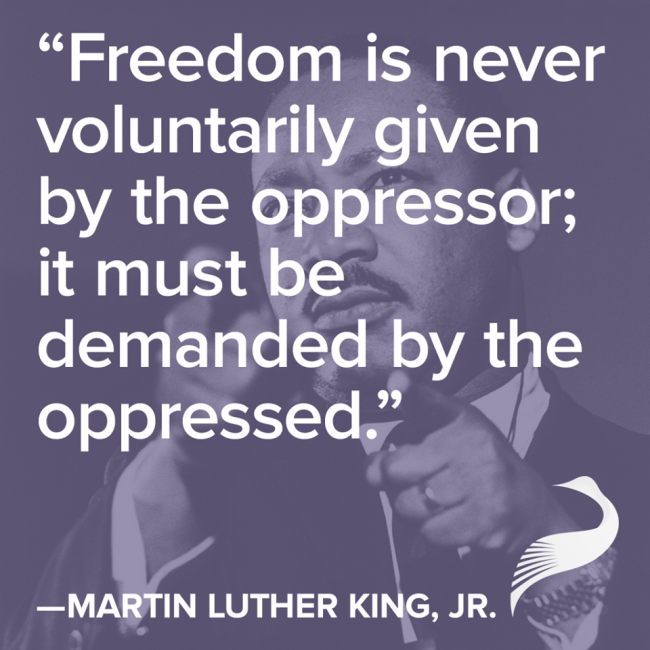
First of all freedom is a state of mind and only subsequently may become translated (or not) into social reality.
Whenever an oppressor/oppressed relationship exists neither of them is really free, not even the oppressor: he is permanently bound to take care, of sorts, for the oppressed. Otherwise the oppressed would wither away, either literally or by gaining their liberty.
This doesn’t mean Martin Luther King Jr. wasn’t right, it still is the duty of whoever feels oppressed to start fighting for liberty, it just puts the onus on both sides of the relationship.
In fact time and time again human history has produced ample proof that as entire societies became freer their individual members fared better and better.
Wealth and technology can only help but cannot replace (perceived) individual liberty.

Image


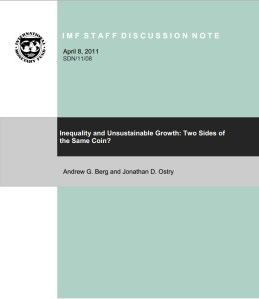
A rather heated debate is currently going on between ‘specialists’ about how ‘economic fairness’ is influencing growth:

inequality=unsustainable growth


The problem is that most of these ‘specialists’, usually economists or politicians, while sometimes finding interesting facts, rarely stick their heads out of their narrow fields of expertise high enough to notice that too much economic inequality is counterproductive precisely because it creates a relationship of dependency between the haves and the  have nots.

Taking care of your dependents uses precious resources that could be better spent concentrating on further development.
This is exactly what Henry Ford had understood and motivated him to double the wages of his employees. This is the sole explanation for why the American economy took off after WWII. More and more individuals were able to stand on their own two feet because the economic climate was good, business thrived AND the wages were decent – without the government or the unions having much to say about this.

Today business people care almost exclusively about the bottom line and the next quarterly report – thus favoring short term results versus sustainable growth, the governments regulate more and more, arrogantly believing  that they know better than the (no longer) free market and the union leaders concentrate on gathering more and more clout instead of taking care of the long term interests of their union members.
This byzantine maze does nothing but creates a highly oppressive medium in which everybody is oppressed by everybody else.

And human society, if it is to work properly, needs free cooperation, not generalized oppression.


“SIF Moldova renunta la intentia de a imparti cu SIF Banat-Crisana controlul la Muntenia Invest”

“Partile au convenit incetarea contractului de cesiune de drepturi si obligatii incheiat la data de 23.08.2013 (…) Partile declara ca acest contract nu a produs si nu produce efectele juridice avute in vedere de parti la incheierea contractului si convin in mod expres ca acesta se desfiinteaza cu efect retroactiv, fiind considerat ca nu a fost incheiat niciodata”, se arata intr-un comunicat transmis, miercuri, de SIF Moldova (SIF2) Bursei de Valori Bucuresti (BVB).

SIF Moldova arata ca decizia a fost luata dupa ce ASF a stabilit ca preluarea pachetului de actiuni Muntenia Invest “poate fi solutionata doar ulterior eliminarii prevederilor art. 14 alin. (1) din actul constitutiv al SIF Moldova”. Articolul prevede ca societatea, membrii Consiliului de Administratie si directorii nu pot detine actiuni la alte societati de administrare a investitiilor, iar pentru modificarea statutului este necesara intrunirea unei adunari generale extraordinare a actionarilor, care necesita un cvorum ridicat, de minim 50% din actiuni.”

Traducere: SIF2 a vrut sa cumpere ceva, avea nevoie de aprobare pentru a face acest lucru, s-a dus sa ceara acea aprobare si autoritatea de supraveghere i-a explicat ca in statutul sau, adica in statutul care defineste modul de functionare a SIF2, exista o prevedere expresa care ii interzice fondului exact genul de investitie pe care dorea sa il faca. Mai mult, administratorii fondului nu cred ca pot mobiliza suficient de multi investitori incat sa poata schimba acea prevedere, de care oricum uitasera, asa ca renunta de tot.

?!?

Cand eram eu mic – istorie antica, nici comunismul nu cazuse inca – umbla un banc printre ‘intelectualii’ vremii:

Doi tipi se ciocnesc din neatentie pe trotuar. Inainte de a incepe sa se injure se uita fiecare la celalalt, sa-si dea seama fiecare cu cine are de-a face. Amandoi aratau destul de prosper, proaspat barbieriti dar fara taieturi – semn ca aveau acces la lame bune, mirosind a after-shave, imbracati in alain-deloin-e (haina lunga din blana intoarsa de oaie, la mare moda in anii 1980), pantofi de piele de la Clujana…
– Nelule, tu iesti?
– Bai Vasile, mai sa nu te recunosc!
– Pai de, se mai schimba omul… De cand nu ne-am mai vazut?
– De cinspe ani, de cand am terminat a 8-a.
– Da, ma, ce-a mai trecut timpul… Tu ce mai faci?
– Pai ce sa fac ma, ia, sunt macelar, lucrez in Hala la Obor, m-am insurat cu o vanzatoare la aprozar – iti dai seama ca n-avem nici o problema cu mancarea, ne-am luat casa, masina, avem doi copii la scoala…bine, nu pot sa ma plang. Da’ tu cum esti?
– Pai tot cam asa. Eu is frizer, nevasta la alimentara, in rest ca tine – casa, masina, doi copii…

– Ba, da de Mihai ce mai stii?
– Nu-i chiar asa bine, Stii ca el s-a dus mai departe la liceu…
– Da, si?
– Pai nu numai la liceu, dupa aia a intrat si la facultate!
– Pe bune ma?
– Da, da’ stai sa vezi ce a patit dupa aia… Stii ca in generala era el in limba dupa una Veronica, de era ta-su gestionar la o crisma?
– Da!
– Pai cand a vazut ta-su lu’ Veronica ca Mihai a intrat la facultate n-a mai facut gat ca e coate goale – stii ca Mihai era orfan si maica-sa era cam saracuta, si i-a lasat sa se casatoreasca.
– Si ce, asta e rau?
– Stai sa vezi. Veronica a terminat si ea liceul si a bagat-o ta-su dactilografa la directia comerciala. Cind Mihai a terminat facultatea – el intrase la istorie, stii ca aia ii placea lui, socru-su i-a spus: “Da-o dracu’ de facultate si vino la mine la carciuma. In doi ani te fac sef de sala si dupa aia ramai in locul meu ca eu in 5-6 ani ies la pensie!” Da’ Mihai nu. Luase repartitie dubla, invatase bine, si dupa doi ani la tara avea post la facultate, ca asistent. N-a vrut sa renunte. Asa ca a facut naveta. Veronica a ramas aici, el la cucuietii din deal…se vedeau sambata seara si duminica dimineata…Ea si-a gasit pe cineva si intr-o sambata seara cand Mihai a venit acasa – stateau amandoi la parintii ei – Veronica i-a spus ca i-a mutat lucrurile inapoi la ma-sa acasa… Asa ca Mihai s-a apucat de baut, aia la facultate nu l-au mai primit… sta cu ma-sa la treizeci de ani… face naveta la dracii chiori…
– De ma, asa-i trebuie…cine l-a pus sa-i placa cartea…

Fast forward catre zilele noastre.
Intre timp ne-am desteptat si ne-am luat viata in mainile proprii: nu mai asteptam slujbe de la stat ci ne mutam noi acolo unde ne e mai bine:

Un profesor de matematica, observand ca are probleme cu chiuveta din bucatarie, a fost nevoit sa cheme un instalator.
A doua zi, instalatorul a venit, a strans cateva suruburi, a infiletat cateva chestii, apoi totul a functionat ca inainte. Profesorul a fost multumit.  Totusi, cand instalatorul i-a dat nota de plata, profesorul a fost socat:
– Asta inseamna o treime din salariul meu lunar!!! A platit pana la urma iar instalatorul i-a zis:
– Va inteleg, sa stiti. De ce nu veniti la firma noastra, sa depuneti dosarul pentru o slujba de instalator? Veti castiga de trei ori mai mult decat o faceti acum. Dar nu uitati, cand depuneti dosarul, sa le spuneti ca ati terminat doar 7 clase. Nu le plac oamenii educati.
Prin urmare, profesorul nostru si-a luat o slujba de instalator, iar viata lui a devenit mai usoara din punct de vedere financiar. Tot ce trebuia sa faca era sa stranga un surub-doua.
Intr-o zi, seful companiei a hotarat ca trebuie ca fiecare angajat sa se duca la seral, pentru a-si termina si clasa a 8-a.
Profesorul nostru a trebuit sa mearga, evident. S-a intamplat ca primul curs sa fie de matematica.
Profesorul clasei, vrand sa vada nivelul de cunoastere al studentilor, i-a intrebat care e aria cercului si l-a scos la tabla chiar pe profesorul nostru. Ajungand la tabla acesta si-a dat seama ca a uitat formula asa ca a inceput sa o deduca. A umplut tablele cu integrale, diferentiale etc.
La sfarsit, rezultatul pe care-l avea era “minus pi r patrat”.
Neconvenindu-i acel minus, s-a apucat iarasi de calcule, de la inceput.
Nimic nu s-a schimbat, tot acelasi rezultat a obtinut. De fiecare data a obtinut aceeasi chestie.
S-a uitat putin spre clasa, speriat, moment in care a observat ca toti instalatorii ii sopteau:
“Schimba limitele de integrare! Schimba limitele de integrare !”

Image

Please read first Mr. Binswanger’s article by clicking on the picture and only then proceed to my humble comments.

Even though I’ve been disappointed by Obama I don’t think yours is the right way out the current mess.
While you are right when claiming that the regulatory/welfare state is part of the problem I strongly oppose your solution: wholesale dismantlement.
The point of contention between us is the Sherman Antitrust Act of 1890.
You are right when you say that ultimately the free market will take care of everything – eventually even the ‘too big to fail’ will ‘eat the dust’, no matter what – my only problem is why allow them to grow so big as to put all of us in jeopardy when they fail/fall?
So how about putting the Sherman Antitrust Law to its intended use, to protect the freedom of the market from any entity, public or private, gaining any degree of control over the economic agents? (Here is a lot to be discussed, what I mean is that the state should only be able to restrict economic agents from acts that would harm the others – including from getting control over a market – and not to tell any of them what to do)
How about putting the entire state back to its intended use, a regulatory tool for making sure that the table stays level?
Right now it is anything but that but, I repeat, dismantling it altogether would not bring in freedom. It will bring very shortly a long period of dictatorship punctured by brief but very intense episodes of anarchy. Some like to call them revolutions …
In fact there is no difference between a state run monopoly and a private one, both fail eventually. And this is what Sherman had in mind, back in 1890.