Archives for posts with tag: man as the measure for all things

For Mark Twain, things which didn’t make sense were ‘strange’.

For Tom Clancy, a mere hundred years later, they were only ‘different’.

Wanna make some sense out of this?

Do you believe that truth is stranger than fiction?
“Truth must of necessity be stranger than fiction,” said Basil, placidly.
“For fiction is the creation of the human mind, and therefore is congenial to it.”

G.K. Chesterton, 1905

The difference between ‘strange’ and ‘different’ isn’t ‘menial’. Nor harmless.

Currently, we’re still allowed to frown upon things which are ‘strange’ but are insistently taught that ‘different’ is good.

Beyond ‘acceptable’. Actually good!

I’m different.
Noticeably different.
Different enough to know, first hand, how it feels to be frowned upon.
Also, different enough to figure out the difference between ‘acceptable’ and ‘good’.

More than two millennia ago, Protagoras opened up our eyes. Told us it was our job, and responsibility, to ‘measure accurately’.
More than a hundred years ago, Twain warned us. Told us to be careful of ‘well spun fictions’. Of stories too good to be true. Of the fact that in our quest for consistency we are prone to actually discard the uncomfortable truth.

Are we going in the right direction?

In a sense, there isn’t much difference between Mark Twain’s and Tom Clancy’s words.
On the other hand, there is a huge difference between ‘strange’ and ‘different’.

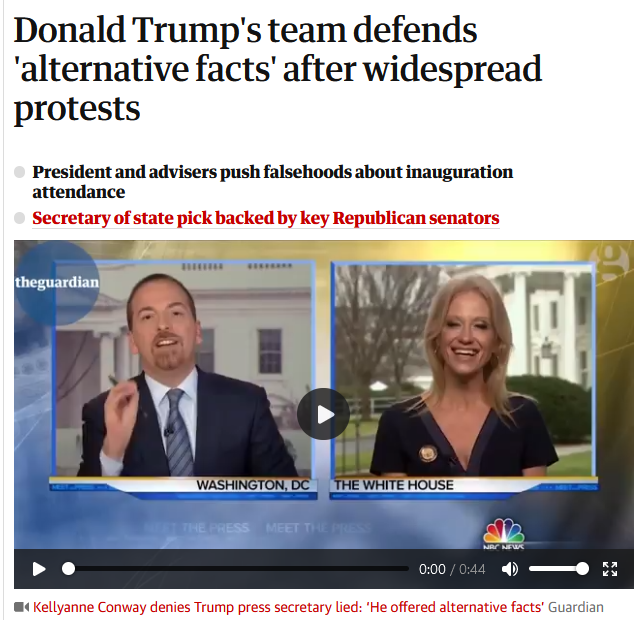
Exactly the same difference which can be found between actual facts and alternative facts.
Exactly the same difference we pretend to not notice when we accept alternative facts as being true.
Well… not necessarily true… only comfortable enough to become acceptable…

Way more comfortable, a.k.a. ‘sensible’ – for us, than the naked truth.
Even if only for the shorter and shorter time frames…
“Yes you can! No people to feel/live/see it, no spring.”

Remember Protagoras? “Man is the measure of all things”?

Without man, there’s no meaning?

Yes, our world becomes meaningless.
The moment we no longer care enough about it.
The moment we stop paying attention.

The other day I had a riveting conversation with my son.
With my 21 years old son.

I asked him to comment on my previous post.
The one about too many people allowing sentiment to cloud their judgement.
The one about even reputable news agencies using click-bait titles to entice readers. Hence reinforcing the habit of sentiment being allowed to cloud reason.

‘Life was never better for so many of us’, explained my son. ‘Since WWII most of us had enjoyed peace. Since the Spanish Flu, we hadn’t experienced a pandemic. Since Salk, we’ve led ourselves to believe we were safe from disease. Since the fall of communism, even the ideological divides have paled down. And now we have enough technology to feed the entire planet, comfortably. The point being that we have no idea how to deal in this situation. What to do. How to behave.
Simply because we have no relevant prior experience.
Until recently, historically speaking, we have successfully dealt with wars, famines and pestilence.
But it’s the first time that we experience such abundance.
We need to adapt to the new reality.
To transform it into an opportunity. Into an opportunity to go forward.
We have to avoid, at all costs, the pitfall of allowing this abundance to bog us down.’

Heartening, isn’t it?
That a person so young can find such deep meaning.
If I may say such things about my own son…

According to Protagoras, we are here for but one reason. To determine whether anything which happens around us makes any sense.
Mind you, we are not supposed to knit fancy stories and to skillfully include in them everything we perceive! A.k.a ‘narratives’.
Just ‘measure’ things and call them out for what we think they are.

I’m going to enumerate a series of facts and let you figure them out.

“A well regulated Militia, being necessary to the security of a free State, the right of the people to keep and bear Arms, shall not be infringed.”

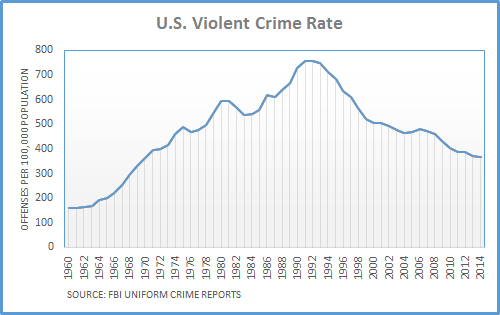
Violent-Crime-Rate-Chart1

Murder-Rate-Chart


guns in circulation per household

So, if people are less likely to be killed, in any manner, why a shrinking number of them buy an increasing number of guns?

3% gun owners

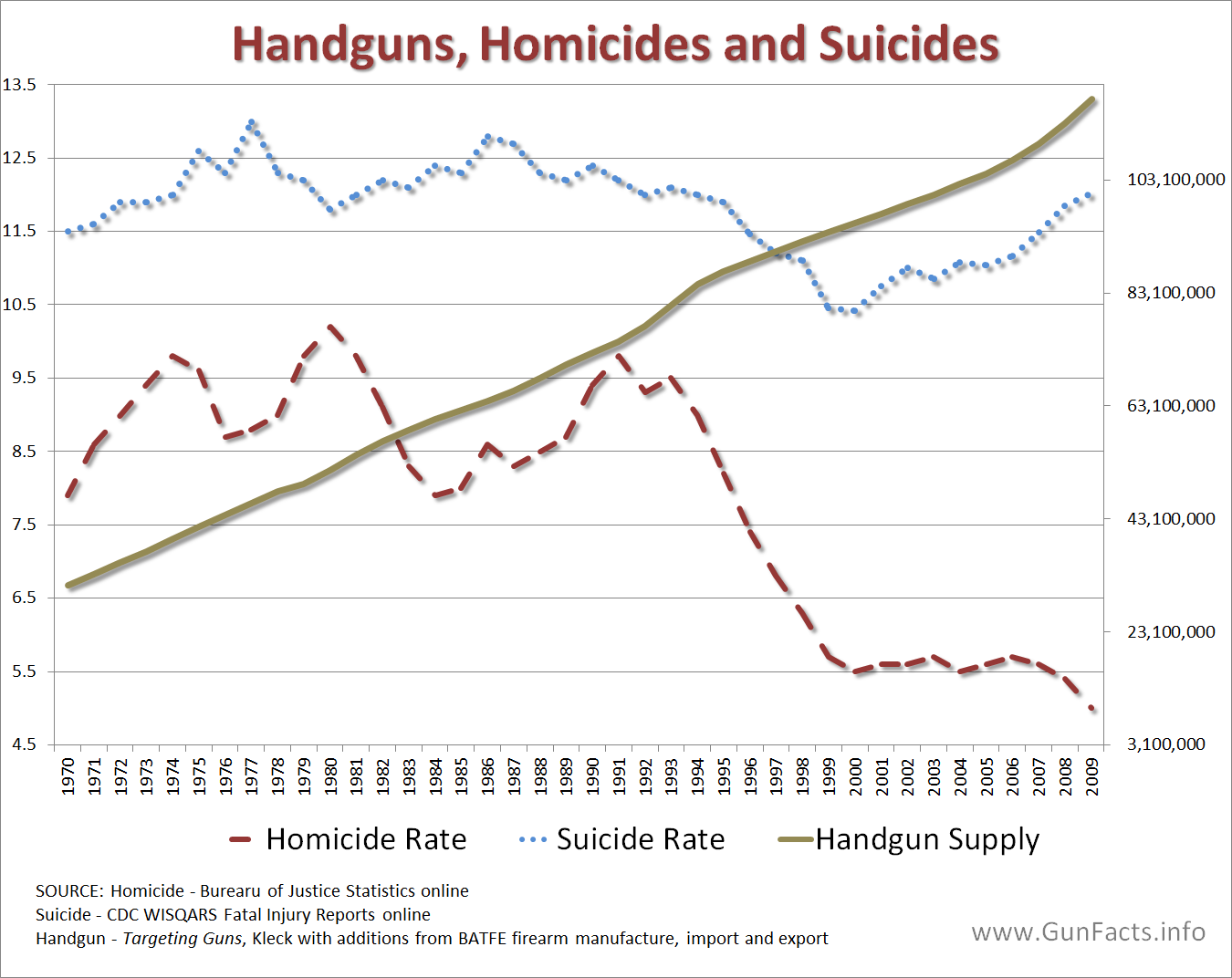
AVAILABILITY-OF-GUNS-Handgun-Supply-and-Homicies-Suicide-Rates

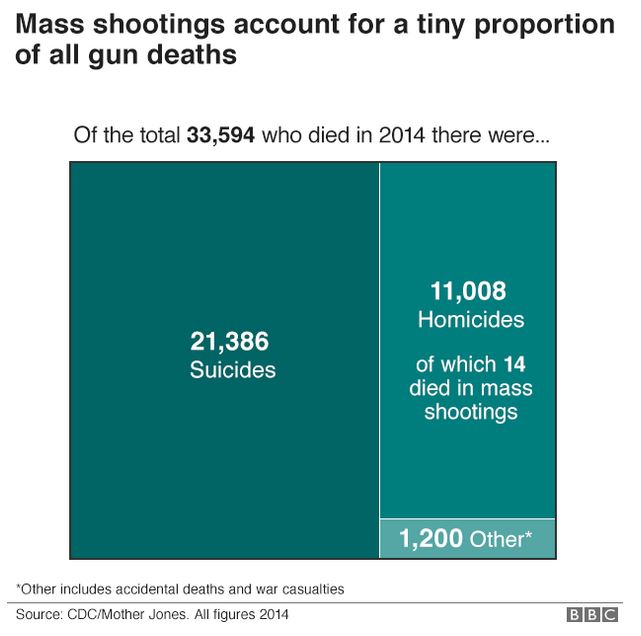
suicide versus mass shootings


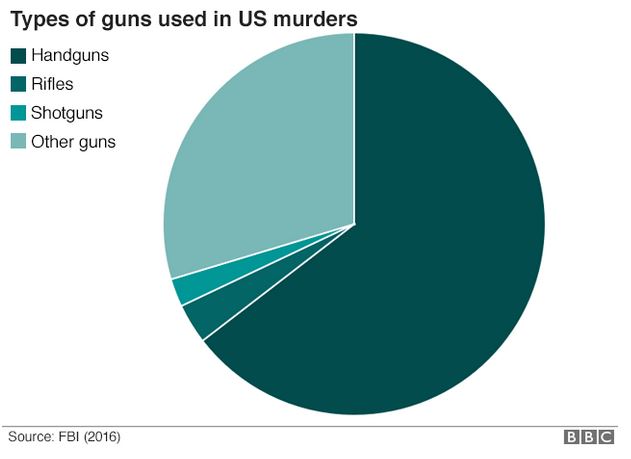
murders by type of gun

Then why are people so focused on ‘assault rifles’? Only because they tend to be used in mass murders? Is this a good enough reason to try to remove them from the eco-system?
And why is there so little fuss about the huge number of suicides?
Bzw, can ‘mass murders’ be considered a form of suicide? After all, very few of the perpetrators ever managed to leave the scene… And even fewer have never been identified.

number_of_nfa_firearms_processed_by_fy

According to the ATF, people in the USA buy an ever increasing number of guns each year yet since 2012 (Sandy Hook) Cerberus Capital Management has not been able to find a buyer for Remington Outdoor – the weapons manufacturer who produces, among other ‘things’, “the most popular version of the “modern sporting rifle” sold in the US.
People in the US are interested to invest in weapons per se but not in weapons manufacturers?

Considering that, according to Bloomberg, Cerberus Capital had eventually handed over Remington Outdoor to “Wall Street Creditors”…

Blackstone Group, which offers asset management services, has been reducing its weapons exposure for years. This weekend, it verified that no gun investments remained in its portfolios, according to the Wall Street Journal. The investment giant BlackRock Inc. said it, too, was exploring ways to cull gun companies from the portfolios of clients who no longer wish to invest in them.