Archives for category: Money as goal

“The world’s 400 richest people lost a combined $70 billion on Monday as equity markets around the globe were hammered on fears about Greece and declines in China fueled by leveraged investors exiting the market.”

So. Just because a smallish country failed to pay a mere 1.6 billion euros and because China finally joined the rest of the globe – both moves being obvious for some time now for all who wanted to see – the 400 richest people lost a total of $70 billion.

Does any of this make any sense?

Why didn’t some of those guys get together and used their absolutely huge resources to do something to avoid their losses – saving the planet as a by product? And what’s the use of them being so ‘resourceful’ if they weren’t able to do this?

Things are even stranger because these guys can act without having to look over their shoulders. Political leaders depend on their constituents, the CEO’s of the big international corporations depend on their boards… the 400 depend on absolutely nobody but their own judgement.

Or maybe this is the real problem? That too many resources are concentrated in too few hands?

‘Too big to fail’?!?

Shouldn’t Warren Buffett and the company step on it about the Giving Pledge while there still is something left to give?

Not to mention the fact that we, the people, should hold our elected governments responsible for their shenanigans,,,

By the way. Taxing our way out of this huge imbalance wouldn’t work. It would just move concentrated decision power from one set of hands into another. The cause of what is going now is that power has become too concentrated for our own good, not who exerts it. Just take a peek back in history. Every imperium has crumbled under its own weight very soon after decision has become centralized. From the Roman Empire to the Soviet Union who tried to run a centrally planned economy. And the same is valid for economic ventures, monopolies end up badly.

PS I’ve just read an article by Hans-Werner Sinn, a Professor of Economics and Public Finance at the University of Munich, and President of the Ifo Institute for Economic Research who serves on the German economy ministry’s Advisory Council.
He analyzes the current developments as a ‘game’ between the Tsipras/Varufakis team – who are supposedly using the good cop/bad cop tactic and the ‘naive’ ECB who doesn’t make up its mind to start acting responsibly towards the profligate Greeks.

Maybe this is exactly the problem. Some of the top decision makers have forgotten that the ordinary people, those who bear the brunt of the decisions taken at the highest levels, are human beings. Not numbers to be interpreted using the ‘game theory’… or masses (herds) to be managed (manipulated) according to the latest ‘political science’ theories…

‘Varufakis’s Great Game’.

Further reading:

How we got here:
“Greek Debt Crisis:
How Goldman Sachs Helped Greece to Mask its True Debt”
“Why Greece is in trouble (again)”

How some of the international financial institutions envision that the economies of the EU new entrants should be run:

“These public institutions, funded by taxpayers and owned by governments, have explicit mandates to increase local development in the countries where they spend their money.”
“Lidl has received almost $1bn in public development funding”

Time and time again history has taught us that systems where decisions are taken in a centralized manner eventually fail. The Soviet Union had a centrally planned economy and even privately owned monopolies end up in failure. United Fruit is only one of the many examples that we have at our disposal.

Going back to Greece we have two sides that have promised so much that they cannot back down without personal damage.
The Greek political establishment has promised eternal bliss for those linked with the state – and used borrowed money to fund their promises. Now, that the entire system needs a thorough reform no one is daring even to speak about this subject. Things there are compounded by the fact that the Greek bona fide entrepreneurs, those that keep the economy going, are used to dodge taxes – a somewhat understandable position, who would pay willingly knowing that the money would be squandered?
The European decision makers, those who have turned a blind eye to the Greek shenanigans and later bailed out the banks who have lavished money into those shenanigans, now have to explain to their constituents how come so much money has been sunk into this mess and why so much of it will never be recouped – Greece cannot ever repay the whole amount and survive as a working economy.

Quite a complicated mess that cannot be solved until all the cards are thrown on the table.
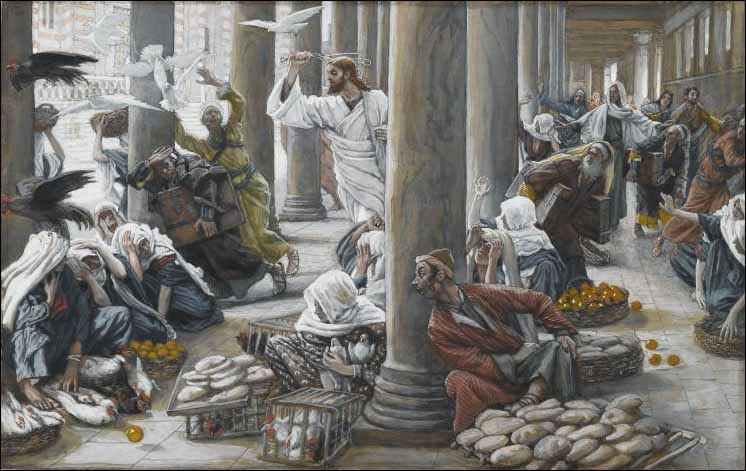
Otherwise known as ‘Gresham’s Law’…

By the way, do you know why coins are ‘knurled’ and why were so many money changers in the Temple?

In those times coins were minted by almost everyone who had enough suitable materials and tools so their value was determined by weighing them rather than by their ‘nominal value’. I’m speaking here about the coins made of gold and silver, not about the copper ones. No matter how diligent the minter coins were seldom absolutely equal in size because of the crude technology.

Things were further complicated by the fact that they were minted out of almost pure gold – very easy to process but also prone to wear and tear. On top of this, callous ‘operators’ used to file some of the precious metal from each coin that fell on their hands. That’s why it was very reasonable to hoard the newly minted (good) coins and to let go the used (bad) ones, specially if you were in a position of authority and those who were at the receiving end could not protest your shenanigans.

Altogether a clump of very rational decisions, right? It would have been foolish not to file some gold out of the coins that passed through your hands if you had the opportunity – everybody else did it so why be the only one not to?, it would have been foolish not to keep for yourself the good ones and pass on the bad and it would have been foolish to argue with the power figures.

Only the end result was what Jesus had seen when he entered the Temple.

Technologically the problem was solved by the ‘close’ minting process where the coin is pressed inside a die instead of between a ‘hammer’ and an anvil as before. This way the coins became consistent (weight-wise) and precise (round). Also, after the ‘knurls’ were added any attempt to file them became obvious so people started to trust their face value.

But human greed has no limit so those who used to control the minting process, by now in the hands of kings and such, started to lower the gold content…

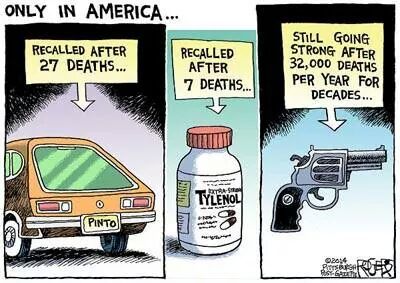
50 meters to the beach, eh?
50 meters to the beach

And how many more if you want to reach the surf?

52 meters to the beach

Also, don’t forget the return trip!

51 meters to the beach

There is a small difference between the first two and the last one.
The car and the pills where supposed to be safe while the guns have been purposefully designed to be deadly.
Just as ‘beauty is in the eye of the beholder’, guns are dangerous only if used inappropriately while a badly designed car or some tainted pills are dangerous no matter what!

După cum nici unii dintre cei care încearcă să te scoată de acolo nu se gândesc neapărat la binele tău…

Pentru cei care nu cunosc fabula:

Cică o vrabie cade, aproape înghețată, în mijlocul drumului.
Peste ceva timp trece pe acolo o vacă. Voit sau din întâmplare, nu avem de unde să știm chestia asta, vaca face o balegă exact peste vrabie.
Readusă la viață de căldura balegii, aceasta începe să miște.
Un uliu care căuta și el ceva de mâncare pentru puii săi o vede și o ia de acolo.

Mi-am adus aminte de chestia asta ieri, din cauza zaverei stârnite pe seama ‘pensiilor nesimțite pe care și le-au votat parlamentarii’.

Să-ncepem cu începutul.

Până în 1911 cei care erau aleși în Camera Comunelor de la Londra nu primeau nici un fel de salariu din partea statului. Marea majoritate aveau „venituri independente” iar cei câțiva deputați laburiști care intraseră în parlament fuseseră „subvenționați” de către sindicate până în 1909, atunci când o decizie a Camerei Lorzilor a stabilit că această practică era ilegală.
În felul acesta s-a ajuns la situația în care cetățenii britanici care nu aveau suficient de mulți bani ‘de-acasă’ nu mai puteau intra în politică iar publicul nu mai putea alege în mod liber. (Ewing, Keith, The Cost of Democracy...2007, pg. 30). Începând cu 1911 membrii Camerei Comunelor au primit o suma de bani despre care Llyod George spunea ca „nu este remunerație, nu este recompensă și nu este nici măcar salariu. Pur și simplu este doar o alocație care ne permite să deschidem larg ușa tuturor celor care doresc să își servească cu cinste țara.”

Tocmai aceasta alocație a permis ca în anii ’50 40% dintre deputații laburiști din Camera Comunelor să provină din ‘clasa muncitoare’. Din păcate acest lucru nu mai este valabil: „Încă de pe vremea când Harold Wilson (ultimul lider laburist care a mai avut legături strânse cu clasa mijlocie) se retrăgea de pe scenă, 1976, politica făcuse un mare pas înapoi. Erau din ce în ce mai puțini mineri sau muncitori manuali în rândurile deputaților laburiști. Din ce în ce mai mult partidul se transformase într-o ‘organizație’ care proteja administrația publică și care pierduse legătura cu cei din clasa muncitoare – pe care încă pretindeau că-i reprezintă.”

Parcă ar fi vorba despre România zilelor noastre și nu despre Anglia de acum 50 de ani… Se pare că din punctul ăsta de vedere am reușit deja să ne sincronizăm cu cea mai veche tradiție democratică din Europa…
Și dacă luăm în considerare scandalul „cheltuielilor parlamentare” din 2009 în urma căruia Parlamentul Britanic a fost gratulat cu apelativul de „putred” paralela este deja bine conturată.
Bine, acolo scandalul a dus la o reformă consistentă a modului în care sunt gestionate fondurile Parlamentului…

Pe de altă parte publicul britanic are, în mod tradițional, o destul de mare încredere în Parlamentul său iar măsurile de reformă, luate la presiunea ‘societății civile’, au reușit să dreagă într-o oarecare măsură situația. Nu de tot, dacă e să judecăm după modul în care a fost primită de către public încercarea de indexare a veniturilor parlamentarilor dar situația nu pare a fi atât de grava cum este pe malurile Dâmboviței, unde 73% dintre respondenți cred că România are nevoie de o nouă clasă politică.

Și uite-așa am ajuns și noi la „cestiune”.

Experiența britanică ne spune că nu e suficient să aloci fonduri mai mari pentru salarii și gata, dau năvală o grămadă de oameni super-capabili care ard de nerăbdare să se jertfească pentru țară…

Atenție!
„Nu este suficient”!

Bineînțeles că nu e suficient. Orice om cu scaun la cap știe că ‘frica păzește bostănăria’. Oricât de cinstit și de binevoitor ar fi cineva totuși ‘oamenii sunt sus-puși greșelilor’ și de aceea ei trebuie să fie atent supravegheați. Pentru asta avem opinie publică, societate civila, alegeri periodice, procuratură… nu?

Pe de alta parte este absolut necesar ca acești oameni să poată trai decent, pentru nivelul lor, și să nu fie foarte preocupați de ziua de poimâine – adică de cum or să trăiască atunci când vor ieși la pensie.

În realitate este iluzoriu să ne dorim ca Parlamentul să devină o oglindă fidelă a populației: atâția țărani, atâția muncitori, atâția ingineri, atâția economiști… Oricum o dai în politica de vârf vor accede mai degrabă oameni cu o oarecare ‘cuprindere financiara’ și dintre cei cu experiență în administrația publică – locala sau centrala. Iar acest lucru nu este rău de loc. Cei care au fost în stare sa construiască averi au dat deja dovada ca se pricep la ceva și bănuiesc că nu este nevoie sa explic de ce este nevoie de experiența celor care au lucrat deja în administrație.
Problema e ce ne facem cu restul?
Cum convingem niște oameni din zona ‘medie superioară’ să-și abandoneze slujbele lor relativ bune – adică acelea care le-au permis să-și cumpere, în rate, un apartament un pic mai mult decât decent (sau chiar o ‘casa pe pământ’) și o mașină mai scumpă de 15 000 de euro?

Nu prea e rezonabil să credem că persoane aflate în situația asta vor pleca în necunoscut pentru un salariu puțin mai mic decât cel pe care îl au acum și pentru perspectiva de a mai ciupi ceva din banii pentru biroul de parlamentar din teritoriu sau din diurna pentru cazare, mai ales dacă luăm în considerare că la expirarea mandatului sunt slabe șanse să se mai poată întoarce la vechea slujba.
‘Da, dar o să-și facă relații in timpul ala!’
Pai pentru asta ii trimitem în Parlament? Ca să-și facă relații? Și acceptăm chestia asta, chiar de la bun început?

Poate că înainte să ne dorim schimbarea clasei politice avem nevoie sa ne schimbam noi modul de raportare la viața politica în sine…

De aici și titlul postării mele de astăzi…

Nu mai merge cu ‘sărac și cinstit’ ca Iliescu și nici cu ‘imoral dar nu ilegal’ ca Băsescu.

Iar chestiile astea nu pot fi rezolvate doar prin masuri legislative. Pentru asta este nevoie de o presiune constanta din partea publicului și de o noua atitudine fața de ce înseamnă politica.
Daca vom continua sa repetam ‘(toți)parlamentarii sunt corupți și își voteaza pensii nesimțite’ vom avea surpriza ca la urmatoarele alegeri să avem exact aceiași candidați ca cei de acum și atunci de unde să mai vina schimbarea aia pe care ne-o dorim atâta?

http://www.economist.com/blogs/blighty/2013/12/members-parliament

11 Decembrie 2023.
Între timp pensiile parlamentarilor au ajuns ‘nesimțite’. Și au fost desființate. Pentru viitor.
Pensiile – actuale și viitoare – ale parlamentarilor “care au exercitat cel puțin un mandat parlamentar complet până la intrarea în vigoare a Legii 192/2023” rămân ‘așa cum am stabilit’.
Și, tot între timp, au fost înființate suficient de multe ‘pensii speciale’ încât bugetul asigurărilor sociale e aproape pe butuci.
Păi ce-ați făcut mă?!?

Deutsche Bank is sitting on more than $75 Trillion in derivatives bets — an amount that is twenty times greater than German GDP.
Both the next 3D printer and Deutsche Bank derivatives portfolio were designed by us, the human people.
When are we going to get our act together?

“We research and develop groundbreaking, cost-effective robotic technology with which we can 3D-print beautiful, functional objects in almost any form,” wrote MX3D on the project Web page. “The ultimate test? Printing an intricate, ornate metal bridge for a special location to show what our robots and software, engineers, craftsmen and designers can do.”

And why do we need the pope to remind us that the Earth is the only home we’ve got?


“Scientists weary after years of often vicious opposition by doubters of their climate-change findings see this year as crucial to the planet’s future because of a religious document expected from Pope Francis on Thursday. The rare encyclical, or teaching letter, expected to promote climate action as a moral imperative could do more to slow global warming than international negotiations this year to limit greenhouse gas emissions, scientists say.”

Oh, I forgot. Right now we are still under ‘the spell’, we have somehow convinced ourselves that having money, loads of it, trumps every thing else.

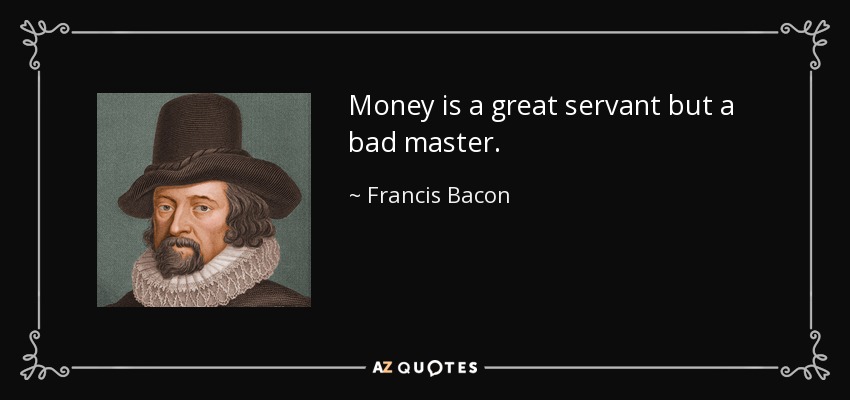
We’ll get over it, sooner or later. Francis Bacon has already warned us, all we need is to remember.

Or, even better, we can ask ourselves:

What is money, instrument or goal?

Efficient Market Hypothesis, eh?
The proponents of this hypothesis posit that all participants to the market are perfectly rational and that they all have enough pertinent information about what is going on as to be able to reach reasonable business decisions.
Now consider this: ‘ten percent of the egg producers being wiped out results in a up to 85% hike in retail prices’.
Quite reasonably, don’t you think?
As for efficiency… maybe for the owners of the surviving ‘egg producers’…

Government officials throwing self serving smoke screens.
Everything here is true except for the last sentence.
As long as CEO’s, the rich and the corporations don’t understand this simple economic principle no amount of legislation will achieve much, except for further de-balancing the economy.
In fact minimum wage encourages employers to pay as low as possible instead of letting them pay so low as to see their working force disappearing in the dark.
The fact is that by setting this minimum wage the government suggests to the employers that: ‘it’s OK for you to try to pay as low as possible but you cannot over do it and we’ll tell you where to stop.’ That’s why the employers no longer compete among themselves to get the best available workforce – which, if well managed, produces excellent long term results. The competition on the labor market has been ‘degraded’ to ‘who is able to have the lowest labor costs’ only this policy sometimes generates good enough results on the short term but never fails to lead to disastrous results on longer term. The work force is demoralized, no longer cares to improve its qualifications and aggregate consumption goes down for  lack of solvable demand.

This concentration on costs instead on overall efficiency is malignant. Offering employees  a living wage and decent working conditions vastly improves efficiency and, ultimately, bottom line results. Henry Ford had understood that more than 100 years ago. How come we have already forgotten?

The Story of Henry Ford’s $5 a Day Wages: It’s Not What You Think:

http://www.forbes.com/sites/timworstall/2012/03/04/the-story-of-henry-fords-5-a-day-wages-its-not-what-you-think/

So what’s new…

Not so fast. There is more to it than the classic complaints – that high taxes discourage the working people while government hand-outs, made possible by those taxes, encourage the lazy to stay home.
If taxes are collected evenly – from all those that should pay them – and distributed sparingly – only to those who really need those hand-outs – nobody feels cheated so no disincentive is felt.

There is a more malignant phenomenon at work here. If taxes are really high – as a percentage – then being able to not pay them becomes a huge competitive advantage.

Not paying becomes attractive only after you are due a certain amount of money – you have to hire a tax consultant, pay some fees and commissions, etc. – but once you belong in that league not paying becomes a huge advantage over your competition. For instance over your competitors that are smaller and who won’t gain as much, or anything at all, by doing the same thing as you do.

And this is why the market becomes so polarized, why some of the really big brass do not push, in earnest, towards fiscal discipline and how the middle class gets squeezed out.

I don’t think the American Dream is in anyway toxic.
The real problem arises from what those who have fulfilled their dreams choose to do afterwards…
It’s one thing that if from some point on the ‘winners’ start helping others to fulfill their dreams and quite another if they keep fulfilling (gorging on) they own dream long past the ‘waking hour’…

Most probably Michael Clark is right, things started to go South from the moment the American Dream had been corrupted from ‘I dream to make it out’ to ‘I’ll stop at nothing in my quest to the top and nothing else matters’.

And no, I’m no fan of Big government.
If the urge to help doesn’t come from within it doesn’t help any if an outside agent keeps pestering you. It doesn’t matter who is ‘number one’, private or government, it’s the very fact that we, as a species, still have the obsession to reach that position that’s dragging us down.

Clark, Michael, “Is the American Dream toxic?“: http://seekingalpha.com/instablog/428250-michael-clark/882441-is-the-american-dream-toxic
Dolmanian Sarchis, “Why keep wasting money on toothless constitutional monarchies?“: https://nicichiarasa.wordpress.com/2015/02/25/why-keep-wasting-money-on-toothless-constitutional-monarchies/