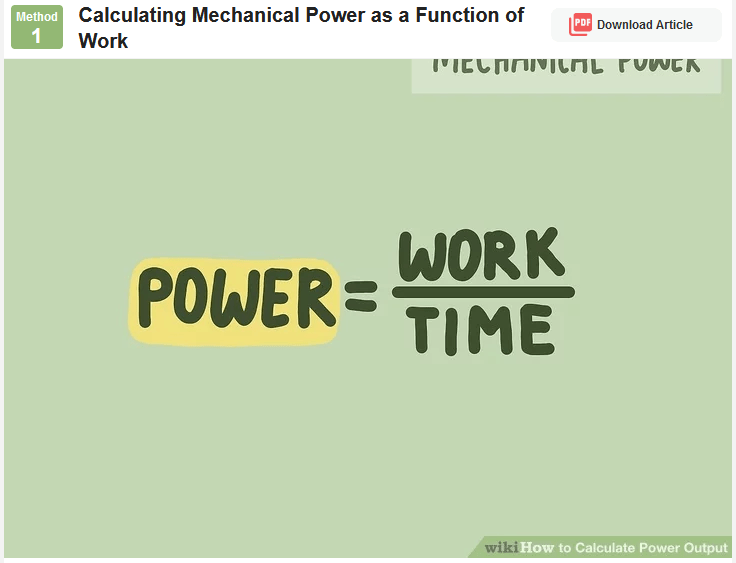
An amount of interaction expressed in the considered amount of time.
Where ever there is power, there is also resistance.
Michel Foucault in the footsteps of Isaac Newton
Michel Foucault used to be a post-Marxist philosopher and sociologist.
As the rest of the Marxists, two of his main subjects were Power and the individual’s (philosopher) duty to put their own convictions into practice. To make a difference, preferably ‘against’ the establishment.
From a Darwinian point of view, Foucault’s insistence that we shouldn’t restrict ourselves to the ‘straight and narrow’ makes perfect sense. The ability to change along with the changes in the environment is paramount to survival. Furthermore, the ability to induce change is paramount to what we call ‘progress’.
On the other hand, life itself demands that we, successive generations of individuals belonging to different evolving species, need to retain a certain congruence.
Succeeding generations share the genetic information needed to preserve the nature of the species.
Species living together evolve in such a manner as to maintain the viability of ‘their’ ecosystem. Or else…
The ‘law of the jungle’ is nothing more than something we believe to have noticed. And then convinced ourselves that we were right when we have formulated our observation in the current form. “The law of the jungle…“
“Power” is but a word.
And words have the nasty habit of cloaking more than one meanings. Well, most of them…
“Power” means many.
From a ‘certain amount of work divided by the time in which that work had been performed’ to ‘the influence somebody has over the people happening to live in the vicinity.
And also something very pervasive yet seldom noticed.
Something which ‘permeates everything and “makes us what we are”‘.
Contradictory?
A tool, teleologically yielded by agents, or a fixture of the ‘environment’?
Both a the same time!
Imagine a group of people cavorting in a pool. Each of them using water to splash the others.
Or two ‘teams’ of angry men fighting near a river and using stones retrieved from the riverbed to crack each-others’ skulls.
‘A fixture of the environment’ identified as such and used by agents as a tool with which to further their goals.
Knowledge is power and power creates knowledge...
Both Bacon/Hobbes and Foucault have been right.
By identifying new and increasingly powerful instruments people have transformed knowledge into power while by putting power to work, the powerful have generated new meaning and driven things towards where they wanted them to be.
Having been able to draw from more accrued knowledge (a.k.a. culture) than Hobbes. Foucault is marginally ‘even more right’ than his predecessors.
“People know what they do;
frequently they know why they do what they do;
but what they don’t know is what what they do does.”
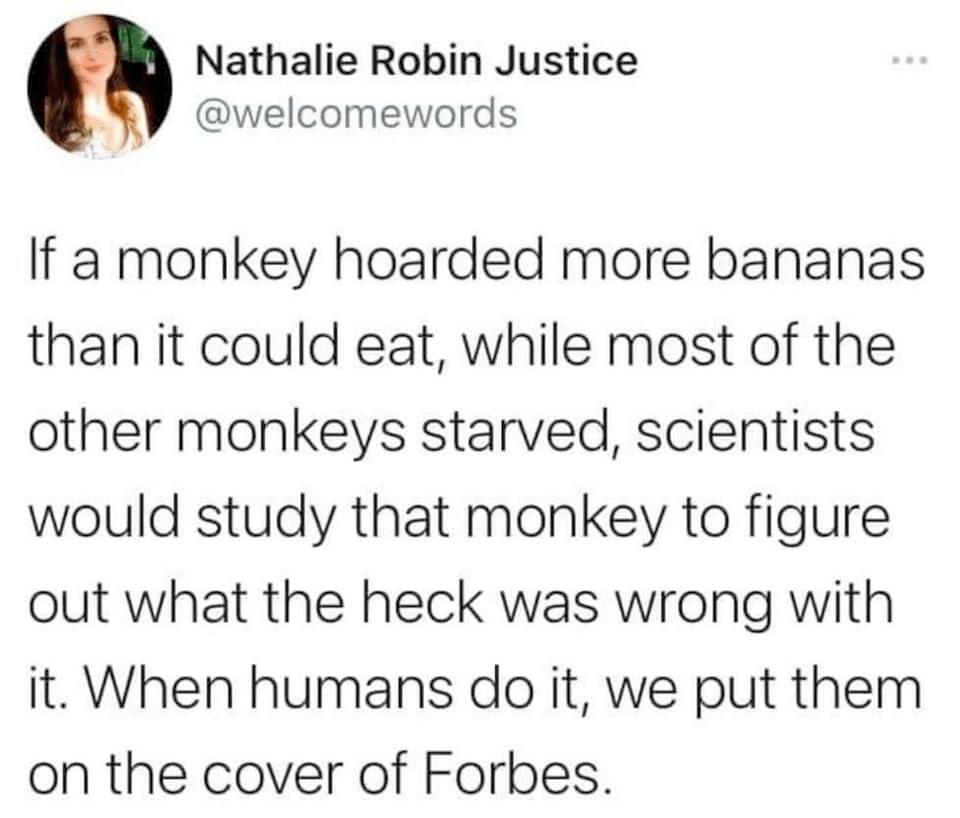
This being the explanation for all ‘social arrangements’ where power has been concentrated in a too small number of hands/heads having eventually failed.
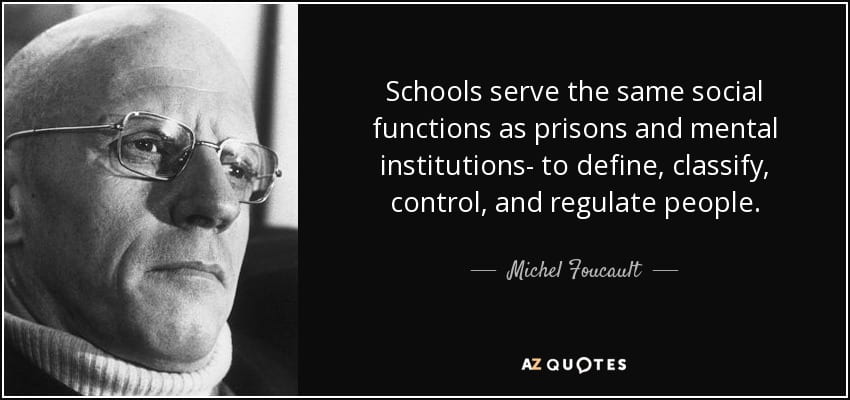
A society where schools and prisons are hard to tell apart – or perceived as such by those who have to spend time in any of them – is sooner rather than later going to reconsider it’s ‘knowledge’ regarding ‘power’. Or else…


 nicichiarasa