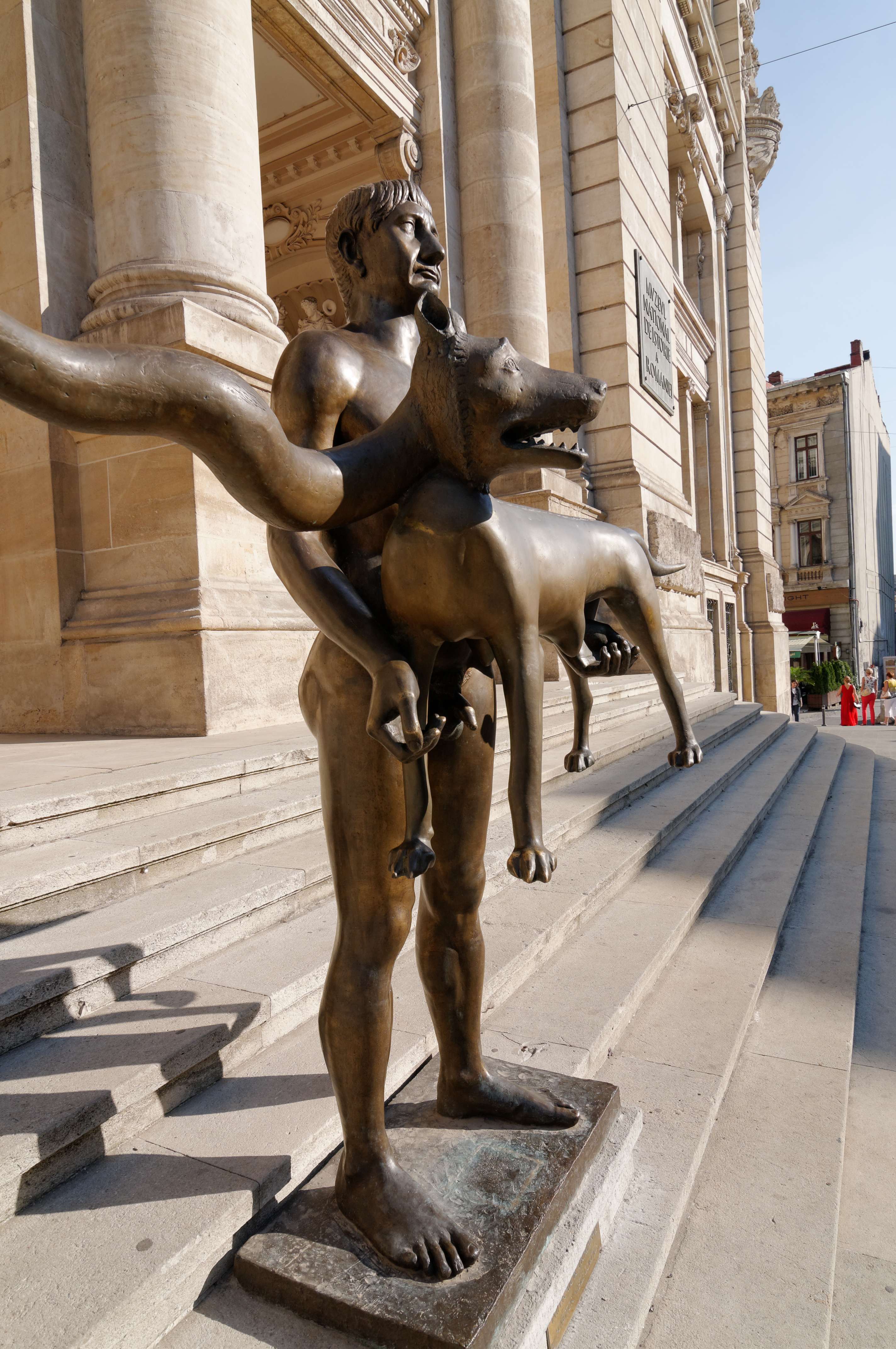
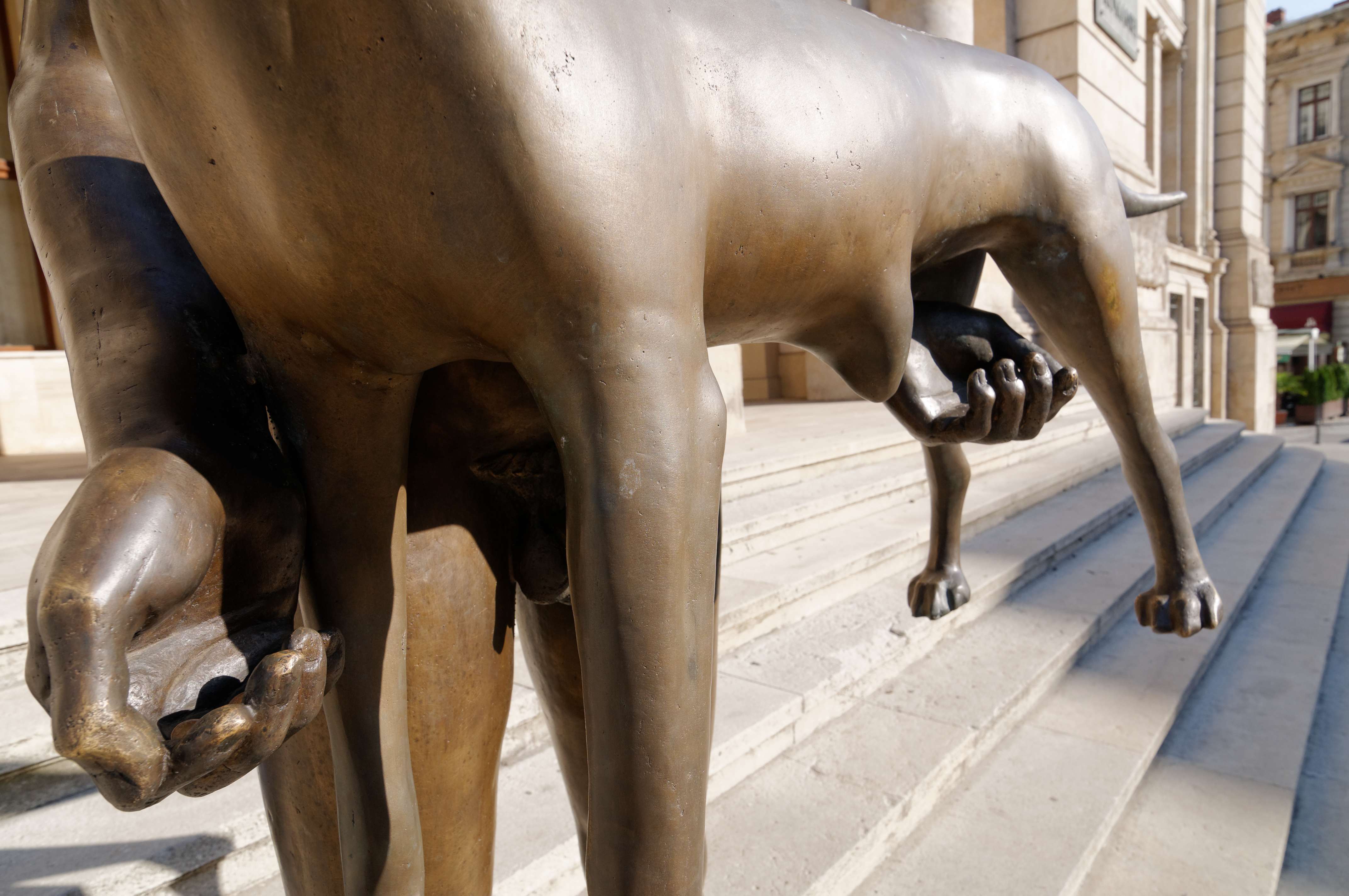
What on Earth is this?

This guy has never carried a dog before?
Or the dog was affixed to him as some-kind of a strange punishment?

Image

Image

Image

In anii de dupa ’89 am lucrat pentru o firma de shipping asa ca Portul Constanta devenise o a doua casa.
Am invatat foarte multe acolo si nu doar despre transporturile navale.
Printre altele acolo am auzit de cuvantul ‘caplama’.

Ca sa intelegeti ce vreu sa spun cu treaba asta o s-o iau mai pe departe un pic.
Navele comerciale produc profit doar cand se misca asa ca timpul petrecut in port este vazut, mai ales de armatori, ca un timp mort. Ca atare manevrele de incarcare si descarcare se fac cat mai repede posibil iar reparatiile se programeaza cu cat mai multa grija. Iar daca o defectiune apare chiar inainte de plecarea navei, cind totul parea in regula, situatia este vazuta aproape ca o catastrofa.
Am asistat la urmatoarea intamplare. Chiar inainte de controlul de plecare, la un vapor sub pavilion strain, echipajul a constatat ca o teava pierdea lichid. Nu puteau pleca asa si sa o repare la urmatoarea escala asa ca au chemat o echipa de reparatii. Armatorul era ingrozit. Era vineri seara asa ca tipul se astepta ca echipa de reparatii fie sa refuze sa vina la lucru pana luni fie sa ceara o caciula de bani ca sa lucreze in week end.(Teava era destul de groasa si gaura pozitionata in asa fel incat segmentul respectiv ar fi trebuit demontat inainte de aplicarea unui petic) Cind au venit cei doi sudorii s-au uitat la teava, apoi unul la altul si in final la reprezentantul armatorului si la comandant:
– Ce fel de reparatie vreti sa facem, sa va tina toata viata dar dureaza ceva sau sa puteti merge pana in primul port si dureaza o ora?
Comandantul, care se si vedea intr-un restaurant la tarm, cu un pahar in mana si o ‘hostess’ alaturi, a optat pentru reparatia ‘temeinica’. Agentul trimis de armator, care stia ca urmatoarea escala era programata sa dureze o saptamana, timp suficient si pentru o a doua reparatie mai mult decat temeinica, a optat pentru varianta mai expeditiva. Asa ca sudorii au pus mana pe ‘faclia’ cu acetilena, au taiat o mare fereastra pe partea accesibila a tevii, prin acea fereastra au ‘astupat’ spartura buclucasa si apoi au sudat la loc ce taiasera. Totul a durat mai putin de o ora. Iar eu am ramas de atunci cu impresia ca termenul de ‘caplama’, folosit atat de sudori cat si de asistenta, inseamna ‘petic’ precum si cu admiratie netarmurita pentru ingeniozitatea celor doi. Bine, in timp acea admiratie mi-a mai scazut dupa ce am aflat ca manevra este destul de bine cunoscuta in bransa instalatorilor… In orice caz in vinerea aia am fost si eu fericit pentru ca am putut veni acasa in loc sa mai stau pe coclauri inca o noapte.

Bine, dar de-am povestit toate astea?

Atunci a fost prima oara cand am facut cu adevarat cunostinta cu ideea de ‘merge si asa’! Si nu ma refer aici la compromisul ieftin sau la lene, la incercarea de fuserleala. Nu! A fost vorba de calcule reci, eficiente. Fiecare si-a vazut interesul sau.
Comandantul a incercat sa mai stea o noapte pe uscat pentru ca oricum contractul sau se apropia de sfarsit si el de pensie.
Reprezentantul armatorului avea in cap ‘bottom line-ul’ si atat timp cat treaba asta nu a reprezentat un risc semnificativ pentru siguranta navei a ales varianta cea mai profitabila.
Sudorii, care nici ei nu prea voiau sa vina sambata la servici sau sa stea toata noaptea pe acolo – firma nu era a lor si patronul nu prea se inghesuia cu primele – au preferat si ei varianta ‘scurta’ mai ales ca armatorul si-a manifestat recunostinta in mod palpabil…

Asa ca nu prea ma mai mira cand vad cum de multe ori oamenii vad o aceiasi situatie in moduri foarte diferite, in functie de interesele lor de moment. Dar ma mir atunci cand aceasta diferenta de opinii merge pana acolo incat intreaga situatie este denaturata. In examplul meu nava a plecat totusi in siguranta!

In povestea urmatoare in schimb viziunile sunt atat de diferite incat trebuie sa fii foarte atent pentru a mai intelege ceva.

Cineva a trasat o sosea pe undeva pe unde s-a nimerit sa fie si un stalp. 

Image

Bineinteles ca prilejul nu putea fi lasat nefolosit.
CEZ Oltenia a cerut 1 800 000 (in cifre un milion opt sute de mii) de lei  ca sa mute stalpul in conditiile in care “Valoarea lucrărilor pentru acest prim tronson, între Cârcea şi Pieleşti este de circa 43,2 milioane de lei”
Unii ziaristi au sarit sa faca misto de cine au apucat. De guvern, de constructor…Deh, nevoia de rating te invata…
Altii s-au apucat sa faca studii de caz despre cum e cu manipularea prin presa!
Niste comentatori, poate singurii care au inteles ceva din chestia asta, s-au apucat sa scrie pe Facebook ca “Indiferent ce vreti sa demonstrati, cu manipularea media, sa faci fundatia si sa torni un strat de asfalt cu stalpul respectiv, si fundatia lui, pe pozitie nu este corect tehnic.”

Eu m-am apucat sa fac consideratii pe marginea ‘mentalitatii de caplamagiu’…iar cu ocazia asta am aflat ca termenul nu se refera de fapt la ‘petice’ ci la un “Mod de prindere a scandurilor care formeaza un perete, de obicei la baraci si cabane, la care scandurile, asezate cu latura lunga orizontal, incaleca cea superioara peste cea inferioara, cu circa 2 cm, pentru ca apa care se scurge pe peretele astfel format sa nu patrunda pe la imbinari.”

Problema reala e ca stalpul e tot acolo, sau cel putin era tot acolo pe 24 noiembrie

Oare cand o sa ne dam seama ca daca vrem ‘sa traim bine’ trebuie sa invatam sa conlucram, nu sa ne ‘jupuim’ unul pe celalalt?

Am crescut in Giulestiul anilor ’60 – ’70 asa ca am vazut, si baut, multe.

Am primit repartitie la Filipestii de Padure, intre Campina si Moreni, in anii cei mai nasoi ai comunismului, ’86-’89.
Mancam la cantina fabricii si daca ratam o masa singura sansa mai era circiuma din sat. La alimentara se mai gaseau doar carlige si rafturi metalice. Sa nu va inchipuiti ca la carciuma aveau mancare – snitzelul de parizer era considerat delicatesa dar se gasea foarte rar. Cateva conserve cu tocana de legume, rar de fasole si din cand in cand se milostivea carciumarul de noi: improviza o tocana de cartofi cu slanina adusa de acasa de la el. Deh, eram clienti importanti…ingineri…

Pana fierbeau cartofii gustam si noi, cateodata la insistentele celorlalti musterii care se simteau datori sa ne ‘cinsteasca’, din ce se afla prin rafturile ‘barului’: RDD (rachiu de drojdie), RDV (rachiu de vin) sau, daca eram in bani, INOX. Adica vodca. I se spunea asa pentru ca era ‘curata’ ca inoxul si nu manjita cu tot felul de coloranti ca restul trascaurilor. Iar atunci cand nici una dintre acestea nu erau disponibile, nici macar bautura nu se gasea tot timpul, ne multumeam cu matrafox. Adica alcool etilic de contrabanda amestecat cu apa si cu sirop de mure. De unde provenea alcoolul…nu interesa pe nimeni pentru ca era ieftin. Stiam ca era sigur pentru ca bea si circiumarul. De ce era amestecat tocmai cu sirop de mure? Probabil ca n-o sa stiu niciodata!

Ce mi-a venit sa povestesc toate astea? Simplu. Matrafoxul ala era destul de dulce ca sa nu-i simti taria si baietii se imbatau crita. Cum noi ajungeam mai tarziu – ei veneau direct de la fabrica, noi treceam intai pe la camin sa ne spalam un pic, pentru noi era in drum, pe ei nu-i mai lasau nevestele – ei aveau doua-trei pahare avans. Si gura deja sloboda. Uite asa am aflat tot felul de chestii, care mai de care mai confidentiale dar care ne interesa … de loc. Mi s-a reconfirmat totusi ca bautura poate fi un bun prilej pentru a mai afla ceva.

Si iata ca la 25 de ani dupa acele intamplari matrafoxul isi face o intrare triumfala pe scena politica romaneasca, adus acolo chiar de purtatorul de cuvant al guvernului. Altii ar spune ca ‘baut de presedinte’…Ma rog…

Ce semnificatie sa aibe toata aceasta intamplare?

Conspirationistii vor spune ca Mirel Palada, sociolog de meserie si – sub pseudonimul Turambar – scriitor de talent face parte din corul de denigratori ai presedintelui.
Fetele mari vor sustine ca nu se cade ca un purtator de cuvant al guvernului sa se refere in felul acesta la ‘seful statului’ (?!?, nu exista asa ceva in Constitutia Romaniei!).
Obsedatii de amanunte vor spune ca Palada a asociat matrafoxul cu presedintele doar pe Facebook, nu ‘in public’ si nici ‘la o ora de maxima audienta’ si ca abia ‘presa’ a facut mare caz din toata aceasta tarasenie…probabil ca mai degraba in cautare de rating decat de dragul de a aduce informatii pertinente in fata publicului…

Eu prefer sa vad fenomenul in ansamblul sau. Traim intr-o tara in care:
– cel putin o parte din public se amuza si este de acord atunci cand despre presedinte se spune ca ‘era matrafoxat’;
– in care purtatorul de cuvant al guvernului este atat de disperat/scarbit de ce se intampla in jurul lui – iar noi putem doar sa banuim cam care or fi acele lucruri – incat rabufneste in felul acesta;
– sau, ipoteza contrara, in care purtatorul de cuvant al guvernului se preteaza sa faca un joc atat de murdar…(nu cred ca aceasta ipoteza ar avea vreo sansa de confirmare, am enumerat-o doar de dragul demonstratiei)
– iar cealalta parte a publicului a dat un al doilea mandat si a votat impotriva demiterii unui presedinte care… completati voi, n-are rost sa continui.

Acum intelegeti de ce mi-e mie frica?
In atmosfera asta de suspiciune dusa la extrem si de lipsa totala de consideratie pentru ‘celalalt’ nu se poate construi nimic. Iar daca nu ne apucam odata de treaba ne va prinde ‘iarna vrajbei noastre’ fara acoperis deasupra capului!

2023
Pentru cei care nu tin minte ce s-a intamplat atunci, recomand Google.
Basescu, matrafox, Palada. Si veti afla!
Ca de atunci si pana acum nu s-a schimbat nimic. Nimic in bine…

Tipul nu-mi place.
Am o memorie lunga si inca tin minte indignarea cu care s-a repezit sa condamne faptul ca apa contine prea mult hidrogen.
Totusi intrebarea pe care o pune acum este extrem de legitima:

“Atunci când domnul Ernst Strasser a fost condamnat, aproape întreaga presă românească (scrisă și electronică) a răspândit știrea ca pe un exemplu de justiție eficientă care ar trebui urmat și de justiția română în cazul meu. Aceasta fără să se observe că, în cele patru cazuri aduse în discuție de The Sunday Times, faptele, ca și legile aplicabile, erau diferite. (Spre exemplu, ceilalți trei europarlamentari -€“ din care doar austriacul a fost trimis în judecată – se pare că se implicaseră în procesul legislativ, contra cost sau nu, în timp ce eu nu mă implicasem, nici cu bani nici fără.) Acum, când “hotărârea exemplară” a fost anulată, presa română ignoră știrea cu desăvârșire, păstrând o tăcere suspectă. Fapt care nu a împiedicat-o, totuși, să profite de împrejurarea că în aceeași zi a fost primul termen al procesului meu, spre a relua acuzațiile nefondate ce mi s-au adus pornind de la o simplă înscenare. Oare de ce?

http://soros.ro/?q=blog/adrian-mutu-și-democrația-locală

Modern day feminism baffles my wife the same way it baffles me: “I don’t want to be your equal! I just want us both to be considerate of each-other and to do our respective ‘bests’ towards our common goal: for our entire family to be as happy as possible, as long as possible!”

Image

To me ‘equality’ is indeed important but I never forget it is nothing but an idea that needs people to put it into practice and I always remember that the results of its implementation rely heavily on the individuals involved in the process.
On the other hand ‘justice’ has a very powerful practical side. “Fiat justitia ruat caelum” is supposed to mean “let justice be done though the heavens fall”. I strongly disagree with this interpretation. Romans were extremely practical people and I’m sure they meant “let justice be done OR the heavens will fall”.

Back to feminism. My first real problem with it arose when I kept the door open for a lady (?!?) in New York and she hissed at me: ‘Move or I’ll scratch your eye-balls, you misogynistic perv!’ (Please note that I am a Romanian living in Bucharest and even if communism has done a lot to improve the status of women relative to that of men – while lowering both – we didn’t give up common courtesy).
So are women equal to men? Some say yes – I somewhat tend to agree, at least with their intentions – while others deny it vehemently citing, among others, differences in size, stamina, etc…and sometimes even differences in how our brains work or how we respond to what is happening to us. I find this arguments to be very flimsy. If anything women should be considered superior to men because they need only a small amount of sperm to give life to another human being while all we man can do about this, after donating the sperm, is to help them in raising the offspring. So yes, we work a lot better in tandem but if push comes to shove a single woman is able to fend for herself (and for her children) a lot better than a single man would be.

The hard reality is that we function differently and we do this for a very good, if overlooked, reason: we are wired differently. Having different sexes means a lot more than being programed for different reproductive roles, it means that we transmit differently genetic information to the next generation and I’m not speaking exclusively about the genes that determine the sex of the child.
There are chances that you have already heard about ‘mitochondrial DNA’  (If not this is about some genetic information that regulates not only the way the human cells generate energy by oxidizing glucose but also other important processes).  Now the funny thing about this is that even if we men believe ourselves to be the ‘more energetic gender’ we inherit the ‘software’ that determines how we generate and use energy exclusively from our mothers. Weird, heh? So men, contrary to the widespread belief that they contribute with half the genes of their offspring, have in reality nothing to do with an essential part of the metabolism of their children while women pass along this kind of information to both genders alike.
But wait, there is some more. Some people would jump to say there is a similar situation with the Y chromosome, the one that differentiates man from woman and which comes directly from the man, right? Well… not so fast. Having a Y chromosome helps but does not guarantee maleness while having two X chromosomes does not always insure feminity. It seems that each and everyone of us are not only wired differently but also our fate is heavily in debt to the particular environmental conditions that surrounded our development.

Now that we reached the subject of the ‘environment’ lets see how it has evolved in the last 100 000 years or so.
No, don’t worry, I’m not going to ramble about the global warming, this is about the social environment. You see, by the time we are born there are about 1.06 boys for each girl, when we get near to the 20 years mark the numbers are roughly equal while as we get older the sex ratio is skewed in the favor of women. And the fact that “the percentage of men aged 65 and up grew faster than the percentage of women aged 65 and up, according to the 2010 census” suggests that there is nothing wrong, biologically, with men only they tended to live more riskier than the women.
So humankind evolved while the norm was for two generations – parents and children – to be present at the dinner table at one particular time while a third generation, the grandparents, was a rare exception and it was not uncommon for a widow to raise its offspring, maybe with some help from the relatives or from the older children. The proportion of single women rising children tended to rise shortly after major wars.
And these things are not without consequences. Social change is, in general, slow but increases its pace after great wars. Yes, probably the driving force behind the change may have been people’s dissatisfaction with what had just happened but i’m convinced that the change was facilitated by the fact that the single mother who had to provide for her family had less time to interact with its children so she had less time to pass over to them the ‘values’ and customs valid for those times. And so it was easier for the young generation to effect change because they were less imprinted with the ‘good old ways’. Another thing. Who were the most conservative sections of the society? The better off-s? Surely because the status quo was beneficial for them! Yes, probably this was the driving force but the fact that wealthy people had a tendency to live long enough to meet their nephews was also helpful: the grand parents contributed to the imprinting of the younger generation.

So what am I driving at? That women should stay at home and raise the kids in the shadows of their almighty husbands? Not at all, no way Jose. Restricting half the population to domestic chores only cripples a society, it is a waste to stifle the creative capacity of so many people.
I just propose for us to understand that even if we are able to survive, to a degree, separately it would be better to work as a team. Also we should accept that our innate abilities are different, even if they overlap considerably, and therefore we should not insist as much on ‘equality’ but rather on mutual respect and cooperation.
Also that we should teach our children to use their heads for thinking autonomously instead of memorizing like a parrot our already ‘old’ ideas. It is better for them to be able to discern what worked and why than to try to remember which is the pertinent ‘tradition’ for every problem they encounter. This way revolutions that happened because the society became stuck will eventually give way to peaceful and continuous fine tuning  – evolution that is.
And one other, and last – at least for now, thing. We should never stop defending our freedom. Subordination has nothing to do with cooperation. (I am speaking now about the cooperation between genders, sometimes subordination works in other areas of human interaction)

http://www.money.ro/bancile-europene-au-cheltuit-77-miliarde-de-dolari-pe-avocaprc-c8prc-9bi_1255950.html

Something nagged me back to school some five or six years ago so I took up sociology at the Bucharest University.
When faced with the hard decision ‘you need to write a thesis as part of your final exam, what will it be about?’ I had no problem in coming up with ‘the fate of a system is shaped by the way pertinent information is passed between the successive generations of decision makers relevant for that system’ (unfortunately this version is in Romanian but I’m currently working on a revamped one in English).

It seems that I was up to something.
Ghost Whisperer, a television drama about how unfinished businesses between successive generations might influence the destinies of the survivors.
Merlin season 5,  episode 3, “The Death Song of Uther Pendragon” a passionate exchange about what ‘preserving the legacy’ means.
The roiling discussion about home schooling and about what higher education means today.
The renewed interest in ‘values’ that need to be passed over to the next generation.

And so on.

I can’t make up my mind.
Should I be proud that I belong to a species that is able to produce such technological marvels? And I don’t mean just the trucks themselves. High speed miniature cameras, the Internet, etc., etc….
Should I be sad because we go to such (unnecessary?) great lengths just to prove our prowess?

Why am I so confused about all this? Just because there is a woman involved in this stunt?

PS. Please notice that guy’s credentials: “Precision driver”.