Archives for category: yes but

Cand eram eu mic – istorie antica, nici comunismul nu cazuse inca – umbla un banc printre ‘intelectualii’ vremii:

Doi tipi se ciocnesc din neatentie pe trotuar. Inainte de a incepe sa se injure se uita fiecare la celalalt, sa-si dea seama fiecare cu cine are de-a face. Amandoi aratau destul de prosper, proaspat barbieriti dar fara taieturi – semn ca aveau acces la lame bune, mirosind a after-shave, imbracati in alain-deloin-e (haina lunga din blana intoarsa de oaie, la mare moda in anii 1980), pantofi de piele de la Clujana…
– Nelule, tu iesti?
– Bai Vasile, mai sa nu te recunosc!
– Pai de, se mai schimba omul… De cand nu ne-am mai vazut?
– De cinspe ani, de cand am terminat a 8-a.
– Da, ma, ce-a mai trecut timpul… Tu ce mai faci?
– Pai ce sa fac ma, ia, sunt macelar, lucrez in Hala la Obor, m-am insurat cu o vanzatoare la aprozar – iti dai seama ca n-avem nici o problema cu mancarea, ne-am luat casa, masina, avem doi copii la scoala…bine, nu pot sa ma plang. Da’ tu cum esti?
– Pai tot cam asa. Eu is frizer, nevasta la alimentara, in rest ca tine – casa, masina, doi copii…

– Ba, da de Mihai ce mai stii?
– Nu-i chiar asa bine, Stii ca el s-a dus mai departe la liceu…
– Da, si?
– Pai nu numai la liceu, dupa aia a intrat si la facultate!
– Pe bune ma?
– Da, da’ stai sa vezi ce a patit dupa aia… Stii ca in generala era el in limba dupa una Veronica, de era ta-su gestionar la o crisma?
– Da!
– Pai cand a vazut ta-su lu’ Veronica ca Mihai a intrat la facultate n-a mai facut gat ca e coate goale – stii ca Mihai era orfan si maica-sa era cam saracuta, si i-a lasat sa se casatoreasca.
– Si ce, asta e rau?
– Stai sa vezi. Veronica a terminat si ea liceul si a bagat-o ta-su dactilografa la directia comerciala. Cind Mihai a terminat facultatea – el intrase la istorie, stii ca aia ii placea lui, socru-su i-a spus: “Da-o dracu’ de facultate si vino la mine la carciuma. In doi ani te fac sef de sala si dupa aia ramai in locul meu ca eu in 5-6 ani ies la pensie!” Da’ Mihai nu. Luase repartitie dubla, invatase bine, si dupa doi ani la tara avea post la facultate, ca asistent. N-a vrut sa renunte. Asa ca a facut naveta. Veronica a ramas aici, el la cucuietii din deal…se vedeau sambata seara si duminica dimineata…Ea si-a gasit pe cineva si intr-o sambata seara cand Mihai a venit acasa – stateau amandoi la parintii ei – Veronica i-a spus ca i-a mutat lucrurile inapoi la ma-sa acasa… Asa ca Mihai s-a apucat de baut, aia la facultate nu l-au mai primit… sta cu ma-sa la treizeci de ani… face naveta la dracii chiori…
– De ma, asa-i trebuie…cine l-a pus sa-i placa cartea…

Fast forward catre zilele noastre.
Intre timp ne-am desteptat si ne-am luat viata in mainile proprii: nu mai asteptam slujbe de la stat ci ne mutam noi acolo unde ne e mai bine:

Un profesor de matematica, observand ca are probleme cu chiuveta din bucatarie, a fost nevoit sa cheme un instalator.
A doua zi, instalatorul a venit, a strans cateva suruburi, a infiletat cateva chestii, apoi totul a functionat ca inainte. Profesorul a fost multumit.  Totusi, cand instalatorul i-a dat nota de plata, profesorul a fost socat:
– Asta inseamna o treime din salariul meu lunar!!! A platit pana la urma iar instalatorul i-a zis:
– Va inteleg, sa stiti. De ce nu veniti la firma noastra, sa depuneti dosarul pentru o slujba de instalator? Veti castiga de trei ori mai mult decat o faceti acum. Dar nu uitati, cand depuneti dosarul, sa le spuneti ca ati terminat doar 7 clase. Nu le plac oamenii educati.
Prin urmare, profesorul nostru si-a luat o slujba de instalator, iar viata lui a devenit mai usoara din punct de vedere financiar. Tot ce trebuia sa faca era sa stranga un surub-doua.
Intr-o zi, seful companiei a hotarat ca trebuie ca fiecare angajat sa se duca la seral, pentru a-si termina si clasa a 8-a.
Profesorul nostru a trebuit sa mearga, evident. S-a intamplat ca primul curs sa fie de matematica.
Profesorul clasei, vrand sa vada nivelul de cunoastere al studentilor, i-a intrebat care e aria cercului si l-a scos la tabla chiar pe profesorul nostru. Ajungand la tabla acesta si-a dat seama ca a uitat formula asa ca a inceput sa o deduca. A umplut tablele cu integrale, diferentiale etc.
La sfarsit, rezultatul pe care-l avea era “minus pi r patrat”.
Neconvenindu-i acel minus, s-a apucat iarasi de calcule, de la inceput.
Nimic nu s-a schimbat, tot acelasi rezultat a obtinut. De fiecare data a obtinut aceeasi chestie.
S-a uitat putin spre clasa, speriat, moment in care a observat ca toti instalatorii ii sopteau:
“Schimba limitele de integrare! Schimba limitele de integrare !”

‘Choke-points’ have evolved considerable since the concept was first ‘developed’ by the ancient Greeks defending Thermopylae.

Here’s the ‘English’ version of the story.
150 years ago the British Empire occupied a string of strategic positions around the globe, mainly on shipping straits: Gibraltar, Hong Kong, Singapore, Capetown, Ceylon, the Falklands, Australia, Newfoundland, Jamaica, etc…

50 years ago it joined a partnership led by the USA to eavesdrop on the rest of the world.

Now this: “British government drops Huawei devices amid security concerns.”

“Este sigur ca se va pierde asamblarea de la Pitesti, la uzinele Dacia, pentru ca deja la Tanger sunt capacitati de preluare existente. S-a trecut la faza a doua de extindere a capacitatii uzinei Dacia din Maroc. Acolo pui masina direct in vapor, este portul la cativa kilometri de fabrica, nu ca in Romania, unde Guvernul poate gandi sa dea prioritatea la Bucuresti-Alexandria decat la Pitesti-Sibiu”, a mai spus Traian Basescu.”

Ca sa fie treaba oabla de la inceput parerea mea despre Basescu este ca: “Să pleci de la Cotroceni cu apăsarea unei afaceri de pe urma căreia ai putea fi anchetat că ţi-ai folosit funcţia, ca să devii agricultor, şi să te rogi la Dumnezeul procurorilor numiţi de tine să nu uite cui îşi datorează postul, asta e mai rău decît rezultatul referendumului după care ar fi trebuit să-ţi dai demisia. Te bagă la categoria politicienilor hulpavi care-şi închipuie că legile îi încurcă, fiindcă nu prevăd excepţii pentru ei şi te trimit, în cartea de istorie, în rîndul găinarilor care au avut o şansă, dar nu şi-au putut depăşi condiţia.” Sincer sa fiu n-as avea incredere in ‘presedintele nostru’ nici macar sa il intreb cat este ceasul.

Dar daca se intampla sa fie sub ceasul de la Universitate si sa strige in gura mare ca ora este exact atata cat arata ceasul ala n-am alta varianta decat sa il cred. Ca am tot dreptul sa ma intreb dupa aceea ‘dar ce interes are sa spuna asta tocmai acum’… asta e firesc. Dupa cum tot firesc este ca Basescu sa arate cu degetul orice greseala facuta de adversarii sai politici, mai ales atunci cand aceasta e flagranta.

Pe lumea asta increderea de care ne bucuram fiecare dintre noi este extrem de importanta. Se castiga greu si se pierde extrem de usor. Numai ca pentru doua categorii dintre noi increderea este mult mai importanta decat pentru restul. Daca un bucatar arde o oala de mancare se poate reabilita foarte repede. Face doua fripturi bune si gata. Un medic sau un avocat la fel. Chiar si inginerii sau constructorii care o dau in bara isi pot recapata macar o parte din renumele pierdut in urma unei greseli. Dar daca un politician sau un ziarist isi pierde increderea publicului sau…
Aici apare totusi si o problema de perceptie. In cazul ‘meseriasilor’ greselile sunt de natura practica. Sar in ochi, sunt usor de depistat si poate tocmai de aceea exista si posibilitatea de a fi remediate, de la inceput sau chiar si mai tarziu. In cazul ziaristilor si a politicienilor greselile devin aparente abia prin efectele lor, adica abia atunci cand greseala s-a ‘consumat’. Cei care asista la ‘comiterea’ lor sunt in general ‘orbiti ideologic’, Toate actiunile politicienilor si spusele ziaristilor par la inceput corecte votantilor si cititorilor care apartin aceluiasi curent de opinie cu cel ce savarseste greseala. ‘Bine i-a facut ca si el cand a fost pe val tot asa facea!’ Abia dupa ce efectele greselii se fac simtite incepe si publicul sa isi dea seama de ce s-a intamplat…

Sa revenim la Basescu. A spus-o. Si?

Pentru Ponta aceste afirmatii “reprezinta o “inconstienta sinistra, o tampenie” ” si a adaugat “ca a fost asigurat chiar de seful grupului Renault de continuarea investitiei”.

Ce avem aici?

Aparent doi politicieni aflati in tabere opuse care se incontreaza.
Nici nu mai contreaza motivul. Cel mai experimentat, mai ‘curvit’ in ale politicii si cel care a dovedit pana acum ca nu are nici un scrupul il provoaca pe cel mai tanar iar acesta “isi da drumul la gura”. (Unii ar putea spune chiar ca Ponta e indreptatit sa faca acest lucru avand in vedere cate a spus si Basescu despre el, nu am rabdare acum sa caut).

In realitate avem doua probleme majore.
1. Lupta politica nu se duce pe argumente de natura faptica ci pe ‘lovituri de imagine’. Basescu nu a spus ca Renault se retrage cu totul ci ‘doar’ ca pierdem “asamblarea de la Pitesti” – adica exact ce ii intereseaza pe oamenii ‘de rand’ care muncesc acolo – iar Ponta nu a promis ca acest lucru nu se va intampla ci doar ca ‘investitiile Renault vor continua in Romania’. Aha!
2. ‘Cainele de paza al democratiei’ face audienta bagand paie pe foc, fiecare trust de presa incercand sa traga spuza de partea sa, in loc sa ne ‘traduca’ ce spun unii si altii. Ca d-aia invita tot felul de analisti, nu?

Nu stiu de ce am asa o senzatie de ‘sfarsit de oranduire sociala’… tot mai multi oameni sunt extrem de scarbiti de clasa politica si de ‘spectacolul media’… oare cand isi vor da seama politicienii si ziaristii nostri ca asa nu se mai poate?
Nu spune nimeni ca actorii politici ar trebui sa se aibe ca fratii dar chiar sa se faca tampiti unii pe altii? Nu spune nimeni ca ziaristii ar trebui sa fie profesori de bune maniere dar parca ar putea sa le bata putin obrazul atunci cand sar calul…

Sau poate ca tocmai noi suntem de vina? Pana la urma chiar noi ii alegem pe politicieni – si ii alegem dintre noi, nu i-am importat de nicaieri – si tot noi ne uitam la emisiunile in care toti acesti politicieni se porcaiesc unii pe altii.

“If you want to understand someone, you have to look at their world from their point of view.”

“Or walk a mile in their shoes…”

Well…it might help but it doesn’t get you even halfway there.

Understanding somebody’s action takes two steps.

The easy part is assembling the data base from where that somebody has started to make the decision/action you are trying to understand. And you can indeed do that by following the advice above.

And here comes the tricky part.
You might try to interpret that database as yourself. “What would I do if I were in his place?” is a very interesting question but by answering it you only widen whatever understanding you have about YOURSELF.
If you want to really understand somebody else you need to understand his way of thinking, it’s not enough to find the ‘motives’ that have prodded him into action.

Of course it’s practically impossible to ever get an accurate estimation but the simple exercise of honestly trying to think AS somebody else and not merely ‘in his shoes’ will help tremendously.

Some more advice on the subject: http://www.scotthyoung.com/blog/2007/08/28/the-critical-7-rules-to-understand-people/

Image

” “Fiat justitia ruat caelum” is a Latin legal phrase which means “let justice be done though the heavens fall.” It signifies the belief that justice must be realized regardless of the consequences.”

Really?
Since when (rational) human beings do something (willingly and knowingly) without being interested in the outcome of their actions?

Let’s find a better interpretation!

I’ll start with Humboldt’s observation that the inner workings of a language are in strong connection with the way the native users of that language relate themselves to the world at large, observation that was later developed into the Sapir-Whorf hypothesis. I find this important because it perfectly explains the fact that a translation will hardly ever be as explicit as the original, precisely because the interpreter needs to translate both the meaning of the text and the frame-mind of the writer.

Back to the Latin phrase.
The Romans were warriors, not literates, so they favored direct talk even if it was sometimes so direct as to become a puzzle. After all they were familiar with their own way of talking!
Take for instance ‘Ubi bene, ibi patria!’
Apparently it’s an immigrant’s motto: “Where there is good (prosperity), there is my fatherland (country), Wherever I prosper, there is my fatherland.”
Now what if there is a lot more to it?
Let’s remember first that the Romans, like the early Americans, were not immigrants but colonists. Quite a difference between these two notions, isn’t it?
So what if ‘Ubi bene, ibi patria’ has a slighter different meaning than the generally accepted one, like ‘if we arrived this far let’s make this place our home’? As in ‘if we’re stuck here at least let’s make this place comfortable’!

I think you already have a fair idea about what I’m trying to suggest but I’d like to explore the concept of ‘justice’ before going any further.
The English term “Justice” is related to two Latin words:
– “Jus” = 1. Law; 2. Right
 “Justitia”= 1. Equity, 2. Justice
In these conditions it is safe to say that ‘justice’ is not only about the rule of law but also about the congruence between the behavior of an individual and his social status. Simply by having said that I got a lot nearer to ‘why on Earth do we care so much about justice?’.

Without justice the social fabric, the spider’s net that keeps us from wandering aimlessly through time, would simply disappear. Direct interactions between (no longer human) individuals would be governed exclusively by brute force and indirect relations would no longer exist.

And this was common knowledge since the dawn of time. Shortly after learning how to speak people have started to teach their children: “Don’t do unto others what you don’t want others to do unto you”. And one of the reasons people invented writing was for them to be able to pass that rule over and over across generations.

About the same time justice started to be ‘administered’. People no longer relied solely on their muscles to defend themselves, if they felt they had been mistreated they could raise the problem before the common gathering of the tribe or before the ruler of the place. And both of these instances would take swift action since none of them had any interest in things escalating any further, friends or relatives of those involved to take sides and the situation to degenerate into open conflict between sections of the community.

In order for a ‘sentence’ to be effective it has to be both just (according to the rules) and pertinent (according to the reality).
In practical terms before punishing somebody for stealing you need to have in place a rule stating clearly what constitutes an ‘act of stealing’, the penalty for purporting such an act, to have sufficient proof that the act has been committed and by whom; otherwise the whole enterprise would defeat its purpose since it would be perceived as arbitrary: a proof that the rule of law no longer operates, the new rule is ‘free for all’ and that individuals are no longer members of a society but hapless constituents of a mob.

I find it extremely significant that some of the most democratic nations had, for long periods of time and quite a few of them still have it, something called ‘judgement by peers’. This way not only the accused doesn’t find himself at the mercy of the ruler of the land, or one of its ‘henchmen’, but also the general public is assured that no monkey business is taking place during the final stage of the judicial process. (NB, judges might have had their powers ‘vested in them by God’ but they were, and still are, vetted by those in power at a given moment).

But the main difference between a jury trial and a bench trial is that while jurors receive strict orders from the judge that they have to be convinced ‘beyond any reasonable doubt’ before passing a ‘guilty’ decision, it is in the very nature of a judge’s job to interpret the law. And it is here where ‘fiat justitia, ruat caelum’ comes into play.
The classic ‘translation’ of this is that “justice must be realized regardless of the consequences” and this interpretation may ‘help’ a judge to pass a verdict one way or another just because he, personally, is ‘satisfied’ with the evidence presented to him and he feels that he has reached the just decision.
Maybe a more useful interpretation would be ‘be careful when dispensing justice otherwise the heavens will fall upon your head’.
Not in the mundane sense that you, personally, would have to suffer the consequences of your decisions but that you, the judge, have contributed – by twisting the due course of justice – to the weakening of the entire society. And by doing so you have brought great danger upon us all.

PS.

Here is another thing about ‘justice’ that is not exactly as conventional wisdom has it.
The blindfold that sometimes adorns the representations of Lady Justice is not so much a symbol of its impartiality and more a sign that she is going to (or at least should) ignore the ‘bribes’ being offered to her.

I, personally, prefer a ‘justice’ that is fully aware of what is going around her so that she might have as much pertinent information as possible at her disposal when reaching a decision.

Image

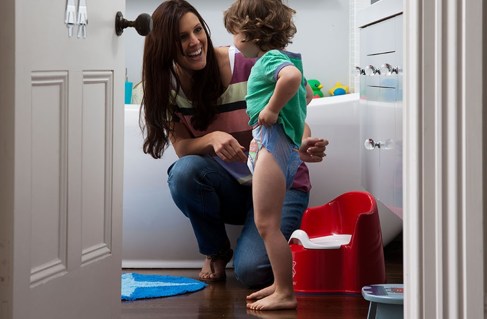
“Vezi fa ca ala micu iar s-a cacat pe el. Ce facem, il schimbam odata sau facem altul?”

Cam asa si cu clasa politica, ne tot plingem de ea, ‘din toate pozitiile’ spectrului politic, dar nu facem nimic concret pentru primenirea ei.

Ca in bancul de  mai sus, aparent avem doua variante, schimbam ‘scutecele’ celor deja acolo – constienti fiind de faptul ca nici un ‘bebelus’ nu invata din prima sa se tina curat dar ca o data si o data tot va trebui ‘pus pe olita’ – sau ii schimbam cu o garnitura complet noua?

In realitate, tot ca in bancul de mai sus, nu prea avem de ales: ‘Si cu asta (astia de acum) ce facem?’
In cazul copilului e evident, in cazul politicienilor poate mai putin: ‘ce ma intereseaza pe mine ce se intampla cu ei, au facut deja destule belele si oricum s-au infruptat pe saturate!’

De fapt lucrurile nu stau chiar atat de simplu. Asa cum nici un copil nu se invata ‘curat’ din prima si de unul singur tot asa nici politicienii nu au actionat de unii singuri. In termenii lui Basescu “Let’s drop the hypocrisy. A state on its own cannot be either uncompetitive or corrupt, because the state always has a partner, which is the private sector.”

Toata chestia e ca trebuie sa intelegem o data ce a vrut Gresham sa spuna cu “banii ‘rai’ ii gonesc de pe piata pe cei ‘buni’ “ Povestea a inceput atunci cand au inceput sa fie folosite monezile de metal aur sau argint. Valoarea unei monezi consta in cantitatea de metal pretios continuta. Cum aurul este cu atat mai usor de prelucrat cu cat este mai curat, primele monezi au fost batute din aur aproape pur. Aurul pur este insa foarte putin rezistent asa ca cei care faceau monezi (si bijuterii) au inceput sa experimenteze diverse aliaje. In acelasi timp cei care aveau de a face cu multe monezi – marii comercianti si ‘zarafii’, cei care schimbau banii dintr-o moneda intr-alta – incepusera sa pileasca cate un pic de aur din fiecare moneda care le trecea prin mana.
In situatia asta cei care utilizau monezile aveau in fata doua incertitudini: cat aur intra in realitate in compozitia aliajului din care a fost batura o anumita moneda si cat din cantitatea initiala de aliaj se mai afla in moneda atunci cand ea era oferita la schimb – pentru marfa sau pentru alte monede.
Prima problema a fost rezolvata de Arhimede – asta descoperise el de fapt atunci cand a luat-o la fuga dezbracat pe strada strigand Eureka, o metoda sa masoare simplu densitatea unui aliaj, si deci procentajul de aur din acel aliaj – iar a doua prin introducerea monedelor zimtate – din cauza zimtilor orice tentativa de a pili o moneda iese foarte repede in evidenta.
Numai ca pana la rezolvarea lor circulatia banilor nu fusese pe atat de simpla pe cat ar fi trebuit sa fie. Orice noua emisiune monetara era tratata cu neincredere pana cand nu se afla ‘in piata’ cu certitudine titlul (continutul in aur) aliajului din care fusese batuta si apoi fiecare moneda era cantarita cu grija la zaraf. Iar monezile noi si fara zgarieturi din seriile ‘bune’ erau tezaurizate cu grija, ceea ce provoca o criza de bani pe piata, adica deflatie.
Pe de alta parte, din punct de vedere individual, in conditiile in care pe piata circulau si bani ‘prosti’ (adica ‘piliti’, pentru indivizi era practic imposibil sa bata ei moneda dintr-un aliaj mai prost) ar fi fost de-a dreptul o prostie sa nu incerce si ei sa pileasca cate putin din monezile care le treceau prin mana sau cel putin sa le cantareasca pe cele care li se ofereau inaite de a le primi ca plata.

Numai ca toate astea distorsionau piata in asa masura si presiunea pentru ca problemele sa fie rezovate a fost atat de mare incat cei din ‘fruntea  bucatelor’ au fost fortati sa implementeze masurile care se impuneau: emiterea de monezi cu continut fix de metal pretios si care aveau zimti de siguranta.
Aici trebuie facuta remarca ca cei care au avut cel mai mult de castigat din masluirea aliajului si din pilirea banilor erau cei care bateau moneda (suveranii locurilor, de cate ori trebuiau sa isi plateasca creditorii sau armatele mai bateau o cantitate noua de moneda in care puneau atat aur pe cat aveau sau pe cat credeau ca vor accepta creditorii) cat si marii comercianti ai momentului (cei care aveau oportunitatea sa pileasca cat mai multe monezi). Totusi si acestia au inteles pana la urma ca le va fi si lor mai bine daca instrumentele de plata vor functiona corect si intreaga economie va fi deblocata.

Cam acelasi lucru ar trebui sa se intample si in politica actuala. Nu e nevoie de cine stie ce filozofie. In momentul in care cei aflati ‘la butoane’, atat cei de la putere cat si cei din opozitie, vor intelege ca daca mai continua asa li se va prabusi sandramau in cap sa vedeti ce repede vor incepe sa faca ce trebuie.
Numai ca oamenii acestia, ca noi toti de altfel, au nevoie sa fie trasi tot timpul de maneca. Ce sa intelega ei daca noi, cei de rand, atunci cand avem o problema ‘sarim la cap cu cate o spaga’? Ca li se cuvine, nu? Iar atunci cand ne vine randul sa spunem ce parere avem despre ei nici macar nu mergem la vot.

“Pai degeaba merg la vot, ca nu am pe cine sa votez. Toti sunt la fel!” Poate ca or fi ei atat de asemanatori incat e greu sa-i deosebesti dar daca nu mergem de loc la vot semnalul pe care il trimitem este ca nu ne pasa, ca ei pot face ce vor si ca noi nu vom reactiona. Asa ca daca suntem atat de scarbiti incat nu ne vine sa votam cu nici unul dintre candidati ar trebui sa le spunem clar chestia asta si sa punem doua trei stampile pe buletinul de vot ca semnalul sa fie atat de puternic incat sa il auda si ei: “ne pasa de ce faceti voi acolo, aveti grija!”

Asa ca mai usor cu spaga si mai mergeti pe la cabina de vot.

Apropo, cati dintre voi stiu cine ii reprezinta in parlament sau in consiliile locale?

Dar cati dintre voi s-a gandit pe vremea lui Boc ca in loc sa fie taiate lefurile ar fi mai eficient sa fie stavilita ‘risipa’ resurselor statului si ca in loc sa fie marit TVA-ul ar fi fost mai bine sa fi fost imbunatatita colectarea lui? Cele 30-40% din economie care raman nefiscalizate sunt populate tot cu oameni din tara asta, nu?

Extrapoland citatul din Basescu rezulta ca ‘nici un smecher de pe lumea asta nu poate face nimic de unul singur’. Ar fi timpul ca toti, atat smecherii cat si cei care ii ajuta, sa inteleaga ca nu mai tine.
Mai e un pic si chiar ne cade sandramaua in cap.

Image

Please read first Mr. Binswanger’s article by clicking on the picture and only then proceed to my humble comments.

Even though I’ve been disappointed by Obama I don’t think yours is the right way out the current mess.
While you are right when claiming that the regulatory/welfare state is part of the problem I strongly oppose your solution: wholesale dismantlement.
The point of contention between us is the Sherman Antitrust Act of 1890.
You are right when you say that ultimately the free market will take care of everything – eventually even the ‘too big to fail’ will ‘eat the dust’, no matter what – my only problem is why allow them to grow so big as to put all of us in jeopardy when they fail/fall?
So how about putting the Sherman Antitrust Law to its intended use, to protect the freedom of the market from any entity, public or private, gaining any degree of control over the economic agents? (Here is a lot to be discussed, what I mean is that the state should only be able to restrict economic agents from acts that would harm the others – including from getting control over a market – and not to tell any of them what to do)
How about putting the entire state back to its intended use, a regulatory tool for making sure that the table stays level?
Right now it is anything but that but, I repeat, dismantling it altogether would not bring in freedom. It will bring very shortly a long period of dictatorship punctured by brief but very intense episodes of anarchy. Some like to call them revolutions …
In fact there is no difference between a state run monopoly and a private one, both fail eventually. And this is what Sherman had in mind, back in 1890.

I found the following joke in my inbox:

“A guy, just after making love to a woman, jumps up from the bed, grabs a small notebook and jots something in it.
– Why are you acting like a dick? You could have waited until I had left before adding me to your trophy list!
– I’m not adding you up on any list, I’m striking you out!”

Now this has left me thinking: He struck her out because he didn’t want to see her again in his life or because she was topping the ’10 things I want to do before I die’ list?

Broadly speaking all humans are intellectuals since all of them are conscious so, at least sometimes, they ponder upon things before deciding one way or another.

Nowadays, since we live in the era of the ‘peer reviews’, the concept is defined a lot stricter: one is an intellectual only if at least one ‘certified gatekeeper’ affixes him with an approval stamp…

OK, let me get serious.

Some people use their brains a lot more than others. Does this simple fact turn them into intellectuals?
Not so long ago, when books were not yet written directly on laptops, publishers used to hire people to do this job. Practically to copy a ‘manuscript’, usually typed (?!?), on a computer. Now, is that kind of a person an intellectual or not? After all he is working mostly with his brain, right? And in general people who work as clerks, or in a call center, are they intellectuals just because of their daytime jobs also?

No? Because their honest and respectable work, otherwise very useful, doesn’t result in anything new or original?
I concur.

So we might say that an intellectual is a person that uses his brain in such a manner that the end result of his activity is a new idea or concept, one that either fixes a problem that has become apparent, broadens the human knowledge or contributes to the artistic treasure of the mankind.
If we take this definition to be true then the limitation described when talking about peer reviewing looks rather stupid. Asking highly original people to evaluate the work of other highly original people would seem to be both a waste of their time and a subtle form of pressuring those whose work is being evaluated to conform to the established norms and customs of the ‘discipline’.
And this would be at loggerheads with the need for originality, wouldn’t it?
On the other hand in the modern days of very specialized science and technology it would be preposterous to accept every new ‘contribution’ as valid without previously checking it in some way or another…

And here we get to the really interesting part. The professionalism of the intellectuals.

What?!?

It’s simple actually. A professional is by definition a person who not only has the command of whatever skills he needs to perform his job but also such a high degree of self esteem that he always strives to do his best. In short a professional is a person who sees/describes himself as somebody who is able to perform a certain job above a certain level.

And exactly as we have doctors who save lives and quacks, writers and pen-pushers, cooks and people who waste good food, we also have people who love to think in searching for a solution or for the next new thing and people who think mainly about how to advance their ‘intellectual’ careers…

I’m not trying to convince any of you that bona-fide ‘intellectuals’ should volunteer their life and energy,  live on stale bread and dress miserably. I’m only suggesting that when a passionate one meets a ‘career’ man things will probably not work smoothly between them and if the career guy gets the upper hand it is the rest of us who are the real losers. The same thing happens if the society at large is not wise enough to make sure that the ‘professional’ ones have ‘enough to eat’ but this is a rather different problem.

Have you considered ‘being friends with your neighbors to such a degree that you may count on their help’ as being part of an adequate preparation for what ever we may have to confront in the future?