Archives for posts with tag: Collective identity


Image


“Numeroşi comentatori, scriitori, eseişti, intelectuali şi alte voci, în Europa dar şi pe teritoriul Hexagonului sunt tentaţi sǎ spunǎ cǎ scorul obţinut de Frontul Naţional (la Europarlamentarele din 2014) nu este compatibil cu o anumitǎ imagine a Franţei. Cum aşa, Franţa, ţarǎ care a fondat construcţia europeanǎ împreunǎ cu Germania, ţara care s-a dorit întotdeauna vizionarǎ, generoasǎ, deschisǎ, umanistǎ, un veritabil laborator de idei şi de iniţiativǎ, în aceastǎ ţarǎ deci 25 la sutǎ din electorat voteazǎ cu un partid xenofob, care doreşte ieşirea din zona euro şi dezmembrarea actualei Uniuni Europene?

Iatǎ sentimentul pe care îl provoacǎ rezultatul acestor alegeri, şi suscitǎ în consecinţǎ imediat întrebarea: oare cît mai “cîntǎreşte” astǎzi Franţa, în noile condiţii, în sfera deciziei europene? Cotidianul Le Monde nu ezitǎ sǎ afirme, într-un editorial apǎrut imediat dupǎ alegeri, cǎ Franţa, care era deja consideratǎ “o verigǎ slabǎ” a Europei, riscǎ sǎ devinǎ acum “oaia neagrǎ” a Uniunii Europene. Iar influenţa preşedintelui François Hollande riscǎ sǎ fie mai redusǎ, ceea ce editorialistului i se pare drept o “calamitate”.”

Am ajuns sa ma intreb din ce in ce mai des pe ce lume traim.
Oameni politici trecuti prin multe care nu stiu (sau nu le mai pasa?!?) ca vorbele care le ies pe gura ii caracterizeaza mai intai pe ei si abia apoi pe cei despre care vorbesc…
Comentatori si analisti politici interesati mai degraba de ‘deteriorarea imaginii’ decat de semnificatia reala a faptelor… Asta conteaza acum, ‘cat mai cantareste Franta’ sau ‘care sunt nemultumirile oamenilor, ce ii face sa se uite cu nemultumire/dezamagire catre Bruxelles’?!?

Sa fie toate astea un simptom ca prea multi dintre politicienii de astazi nu mai au ca scop rezolvarea problemelor cetatii ci acapararea puterii si apoi mentinerea ei cu orice pret?
Ca o prea mare parte a presei a renuntat la rolul de gardian al democratiei/oglinda a societatii si s-a transformat in aparat de propaganda?
Ca prea multi dintre cei descrisi mai sus sunt de fapt incapabili?

My son, three years away from voting age, is nevertheless aware of what’s going on.

Yesterday he recounted me an exchange he had witnessed on Ask.fm:

– Hey dude, are you going to vote? (“Dude” has just turned 18, the first in their gang to be able to vote)

– No! The way I see it nowadays going to vote is like being asked to choose what kind of shit you’ll be served for dinner. Why bother?

– I think understand what you mean. You compare a country with a bunch of guys having to eat at the same cafeteria who finally have an opportunity to choose between chefs/menus but only to  discover that the available candidates are unpalatable. Rather pertinent comparison, specially after finally understanding that ‘negative voting’ (voting for the challenger only as a punishment for the incumbent, knowing from the beginning that both are equivalent) is not really a punishment for the incumbent but a carte blanche for the next incumbent and a shot in his own foot for the voter.

– That’s exactly what I feel. Finally someone who understands me…

– Well, I might understand you but I’d still go to the polling station. Mainly because I don’t agree with you about all candidates being worthless – even if you don’t get to vote for the winner nor for the second best by choosing someone in earnest your vote conveys a clear message, ‘this is exactly what I  want’.
Even if I didn’t like anyone I’d still go there and strike out everybody on the ballot box, just to send everyone of them a stiff warning: ‘I don’t trust anyone of you but since I care strongly about my fate I’m going to watch closely whatever you’ll do from now on!’
Going back to your example with the cafeteria forfeiting the chance to express your opinion is beyond letting others to decide what kind of shit you’re going to enjoy.
After all not voting is a cross between a ‘blanket approval’ for what ever is going to happen and admitting that ‘I don’t care enough to move my butt to the polling station’. And in this case you shouldn’t be asking yourself anymore ‘what happened to these politicians that made them so callous?’

Image

I’ve been using cinnamon sticks for rice pilaf or curries/stews for some 5  or 6 years now.

My son, 15 years old, who had been raised on a mixture of Northern Transylvanian (my wife is a native of Dej) and Romanian/Armenian food (I’m a half breed myself), (his parents take turns at the cooking stove), is used with ever changing recipes. That doesn’t means he accepts everything…in fact he is rather choosy, always having an alternative develops a certain habit of asking for the better of whatever is available at one moment!

Anyway, today – for the first time, he asked for the cinnamon stick and not only picked every grain of rice from it and sucked on it as if it was a lolly-pop but he also made a picture of it and posted it on his FB wall.

So learning new habits is not that hard, it only takes an open heart on the side of the student and a lot of patience from the teacher…not to mention the fact that the teacher’s main goal has to be the student’s best interest, otherwise the whole exercise is doomed to eventual failure!

PS

I must thank Jhumpa Lahiri (“The Namesake”) for introducing me to the joys of using cinnamon sticks.

Image

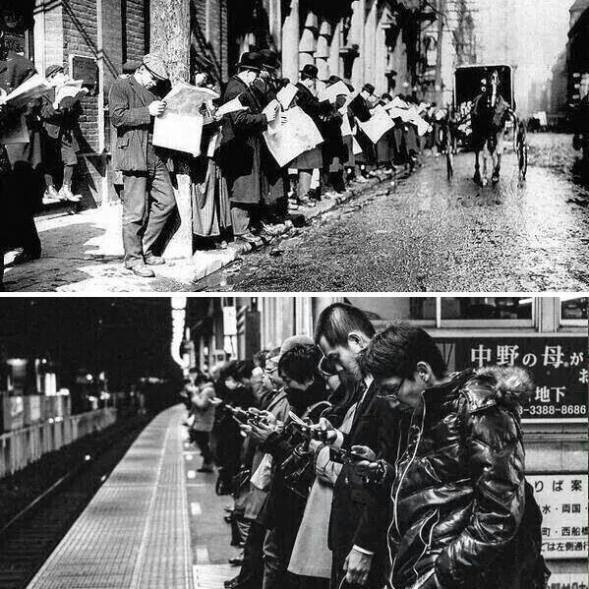
Found this picture on FB.
A very strong reminder that we really need to start thinking with our own heads.
‘Newspapers’ are just as technological as smartphones are!!!

It’s how WE chose to use the available technology that makes all the difference in the world!

Image


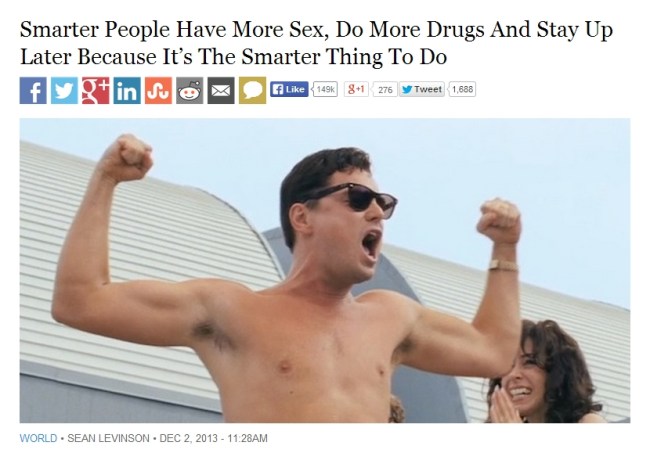
Well…yeah …probably…. but I’m not sure about ‘do more drugs’ though!
While smarter people are indeed more curious and more inclined to experiment than the rest of us they also understand faster that one cannot remain smarter for long after ‘doing drugs’ on a regular basis.
So ‘try more drugs’… maybe… ‘do more drugs’… not if they are really smart!

Image


Humans do that too and equally on their own.
The fact that tardigrades do it based on their resilience while humans are able to do it because of their ingenuity and willingness to cooperate doesn’t obliterate the fact that both ‘have it in them’, neither need any outside assistance.


Image     Image


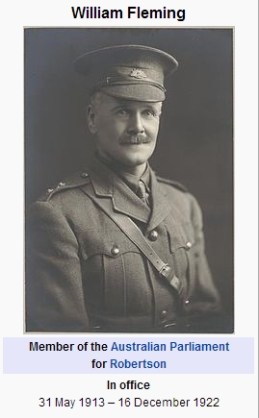
“Fleming moved to Federal parliament in 1913 as the member for the Division of Robertson, initially as a representative of the Commonwealth Liberal Party, then the Nationalist Party and later the Country Party.

While a member of Federal parliament, Fleming joined the Australian Infantry Forces on 6 October 1916 and served as a Driver in the Army Service Corps until his discharge in England on 27 December 1918. He returned to parliament and served until his retirement from politics in 1922. Fleming became an orchardist in Terrigal, New South Wales, where he died in 1961.”

So 100 years ago at least one member of a Parliament volunteered for active duty then retired from politics and took up a real job.

Nowadays we tend to equate involvement in politics with being a member of organised crime…

Don’t tell me the politicians should bear all the blame. After all this is our world too!

Avantajul fundamental al democratiei fata de celelalte metode de gestionare a spatiului public este caracterul ei participativ.

Prin exercitarea votului cetateanul isi exprima mult mai mult decat opinia cu privire la problemele aflate in discutie – si legitimeaza astfel una sau alta dintre optiunile supuse aprobarii populare. El isi probeaza astfel, direct si de netagaduit, interesul fata de viata cetatii si fata de viitorul sau. In plus, chiar daca varianta aleasa de el nu s-a bucurat de increderea a suficient de multi dintre ceilalti, simplul fapt ca toate variantele au fost examinate denota ca mecanismul democratic din societatea respectiva este in stare de functionare si ca suficient de multi dintre cetatenii acesteia se simt confortabil in interiorul ‘cetatii’, reprezentati legitim de catre conducatorii sai vremelnici si, daca nu chiar multumiti cu directia generala in care se indreapta societatea respectiva, atunci macar nu sunt disperati cu privire la acea directie.

Dar toate astea sunt valabile doar daca votul este exprimat. Indiferent cum.

In momentul in care votul nu este exprimat de loc, adica cetateanul prefera sa stea acasa in loc sa isi exprime parerea, repet INDIFERENT CUM DAR IN INTERIORUL CABINEI DE VOT, gestul sau devine extrem de ambiguu si deschis oricarei interpretari.

– Cei multumiti cu directia in care se indreapta societatea vor spune: ‘uite, daca nu a venit la vot inseamna ca si el este multumit cu ce se intampla, altfel ar fi facut ceva, NU?!?’
– Cei nemultumiti cu privire la rezultatul votului vor spune: ‘uite, daca lor nu le era lene poate ca reuseam sa schimbam ceva!’

In momentul in care absenteismul la vot capata dimensiuni de masa lucrurile se complica si mai tare:
– Cei care incearca sa manipuleaze rezultatul alegerilor, prin orice metoda, devin din ce in ce mai eficienti. In principiu ‘costul’ unui vot ‘a la carte’ este constant, nu depinde de prezenta la vot. In conditiile unei prezente slabe la vot s-ar putea sa fie suficient sa ‘controlezi’ 4-5 % pentru a obtine rezultatul dorit. In cazul unei prezente masive s-ar putea sa nu se mai stie…
– Cei care sunt multumiti cu situatia se simt incurajati sa continue – ‘astora’ nu le pasa – in timp ce aceia care doresc o schimbare devin din ce in ce mai defetisti – cu ‘astia’ nu se poate face nimic.
– De la un moment dat incolo ‘interesele straine’ incep si ele sa ‘adulmece’: ‘astia’ sunt atat de blegi/se cearta atat de tare intre ei incat in tara aia putem sa facem aproape tot ce ne trece prin cap.

Da, stiu ca foarte multi dintre voi sunt extrem de dezamagiti de ce s-a intamplat pana acum.
Din prea multa ‘nebagare de seama si iuteala de mana’  l-am lasat pe Iliescu sa se cocoate in fruntea bucatelor dupa ce se bagase singur, dar cu ‘voia dumneavoastra’, pe lista FSN-ului.
Dupa ce ne-am lamurit, in incercarea de a scapa de Ilici, l-am luat in brate pe Constantinescu dar am uitat ca nu ajunge sa il votezi, orice om politic are nevoie de sprijinul constant al alegatorilor sai pentru a face cu adevarat ceva.
Apoi am inceput sa votam la misto si uite asa a ajuns Vadim in turul doi, tot cu Iliescu. Si mare desteptaciune mare, iar l-am pus pe Iliescu ‘sef al statului’. Si tot nu ne-am invatat minte ca votul negativ nu rezolva nimic ci functioneaza ca o imputernicire in alb pentru cel care a fost ales ca fiind raul cel mai mic. Dar tot rau.
Si, ca sa nu iasa Nastase, l-am ales pe Basescu.

Stiu, e frustrant sa nu ai pe cine alege. Dar pentru cei capabili e si mai frustrant sa vada cum alegatorii dorm in cizme si voteaza ‘negativ’ sau de loc.
Iar celor care sunt alesi, asa cum sunt alesi, li se pare ca l-au prins pe dumnezeu de un picior. Simt ca nu le va cere nimeni socoteala niciodata si au impresia ca daca se vor certa suficient de convingator intre ei vor face rocada la putere pana la sfarsitul veacurilor.

Ce-ar fi sa iesim la vot si sa le transmitem: ‘aveti grija ce faceti, de-acum incolo suntem cu ochii pe voi!!!’? 
Cum? 
Foarte simplu. Pentru cei care nu au incredere in nici un partid sau candidat independent exista varianta anularii votului. Mai multe stampile si gata. Gata cu votul negativ. E suficient gestul de a merge pana acolo si de a anula votul. “Imi pasa de ce se intampla in tara asta, nici unul dintre voi nu mi se pare demn de incredere dar asta nu inseamna ca am de gand sa va las sa faceti ce vreti voi!”

Acum cei mai pesimisti dintre voi imi vor aduce aminte de vorbele lui Stalin: “nu conteaza cine voteaza, conteaza doar cine numara voturile!” Nu e chiar asa. Nu suntem in aceiasi situatie. Cei din comisiile electorale de circumscriptie si cei din ‘activul local de partid’ sunt si ei oameni. Una e sa modifici rezultatul unui vot cu cateva procente incolo-incoace sau sa mai umbli un pic la prezenta si alta e sa te confrunti cu 20% voturi anulate in semn de protest. Cam cat al doilea partid din sondaje.

Cum ar fi sa faca chestia asta vreo doua treimi dintre cei care nu vin de obicei la vot?

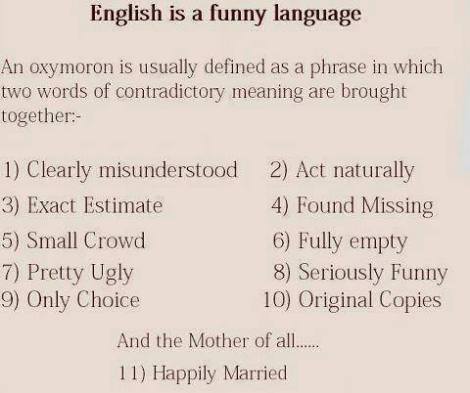
Most of you are probably aware that French was THE Lingua Franca until some 60 or 70 years ago, long after Britain had displaced France as the dominant world power.

Why? Because English is a lot more flexible than French and, as such, a lot more suitable as a medium for negotiation.
Why had we, as a species, waited for so long? Because until then international exchanges were, basically, more of an imperial nature than anything else. Only when people started to engage in meaningful negotiation medium became important. Orders can be given in any language, sooner or later the subordinate will figure out the message if the imperator is insistent enough but for meaningful negotiation to be possible the medium needs to be simultaneously expressive enough for the participants to be able to make themselves understood yet imprecise enough to leave room for ‘diplomatic’ manoeuvres.

Image


See what I mean?
The last entry is indeed the pinnacle of ambiguity, it is extremely descriptive and it can be simultaneously an oxymoron and a pleonasm, depending on which half of the couple is using it!

Here are some more examples from the FB wall where I found the picture:

Benjamin Adams: “In greek oxy means sharp. In English moron means dull. Oxymoron is an oxymoron.”

Matt Mailand: “civil war”

Reece Matthew Van Gameren “Clearly confused”

Travis Fox “Jumbo shrimp.”

Once upon a time, for if it hadn’t taken place people wouldn’t be still mentioning it, things were so similar as to be indistinguishable.

There was no male nor female, no black nor white, no pointed nor flat… everything was so bland as if there was nothing at all.

Until one day. One day when somebody named something for the first time and by doing so brought that something to life while leaving all the rest behind. As if on cue somebody else named something else and then again and again until everything in sight bore a name.

Then people started to speak about what they had seen and about what they were going to do and by doing so they created new realities out of the old, unique, one.
And very seldom these new realities, spoken by various people, resembled one another even if they started from the same point and the speakers themselves were using the same language and belonged to the same ‘species’.