Archives for posts with tag: choices

Consequences.
We are the consequences of the decisions we take.
Of the choices we make.
As biological organisms, our fate, both individually and as a species, depends on whether circumstances remain habitable. Whether we can continue to live.

As rational humans, our individual destinies depend on luck, genes and on our ability to make good decisions.

‘Good’ decisions!
The tricky part being that nobody knows in advance the consequences of our decisions… whether a decision we consider to be good – when we take it – will remain so after its consequences will have been evaluated. After enough time will have passed for the full gamut of consequences to unfold…

To make things easier, humanity has developed ‘culture’.
Layered information which has morphed into ‘Weltanshauung’. Experience distilled into knowledge and accrued in time. Advice we no longer need to ask, only to remember.
When in a hurry, we do as we always used to. Back to the tried and tested.

But there’s a small problem here.
The cultural norms might have been ‘tried and tested’, hence ‘right’, but are we applying the appropriate norm in the given circumstances? Have we interpreted whatever information we have in the right way?

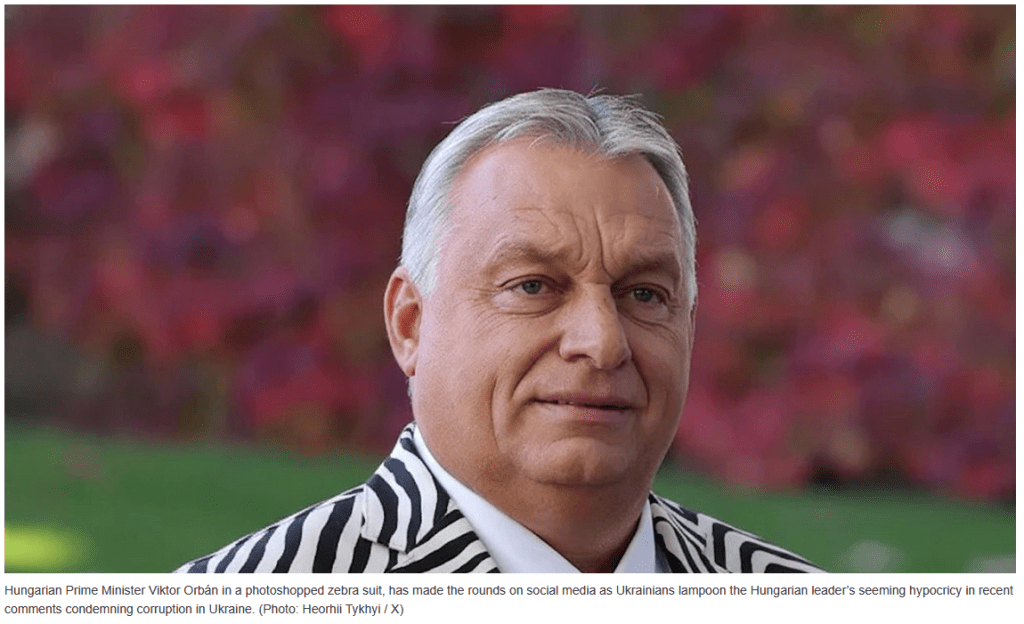
Ukraine is at war. Resisting aggression against all odds. Despite some of those in power attempting to access ‘undeserved rewards’. Unfortunately, war profiteering and corruption are as old as civilization…

Earlier this week, NABU (National Anti-Corruption Bureau of Ukraine) and SAPO (Specialized Anti-Corruption Prosecutor’s Office) said top company officials demanded illicit commissions of 10-15% from contractors.
The corruption allegations center on contracts linked to Energoatom, which provides most of Ukraine’s electricity.
According to investigators, an organized criminal group laundered the funds through an office in central Kyiv linked to the family of former lawmaker and suspected traitor Andriy Derkach. Among those named in the case was then-Energy Minister and later Justice Minister Herman Halushchenko.

https://www.kyivpost.com/post/64185

How do we choose to evaluate the current development?

As yet another step in the right direction? A country at war cleaning up its act?

Or…

Further more, what will we choose to DO?… after we will have chosen an interpretation to fit our ‘general disposition’… ’cause, unfortunately again, this is how we tend to evaluate things! Specially when we’re not diligent enough. Allow our ‘general disposition’ to take over and permit our reason to cowardly back off …

Help Ukraine to defend itself? And the rest of Europe? Freedom in general!
Or give up? On Ukraine, on cultural norms which seemed set in stone until not so long ago…

You cannot learn
what you think you know.

Epictetus

How many times have you been hit by something you didn’t see coming?

Not very often… for the simple reason that these encounters use to end up badly!
Bent fenders, broken bones…
Hence we pay attention. Or get killed… end of story!

But how many times have you experienced bad consequences, really bad consequences, after misjudging a situation?
After a ‘doesn’t matter’ uttered nonchalantly?

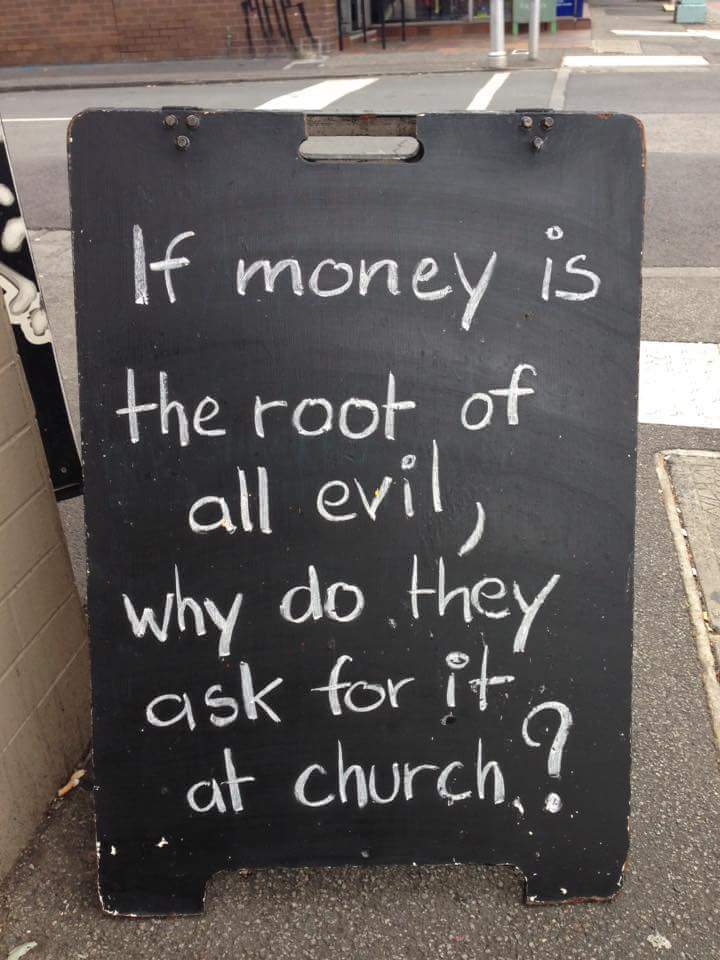
Then Jesus entered the temple and drove out all who were selling and buying in the temple, and he overturned the tables of the money changers and the seats of those who sold doves. He said to them,

“It is written,

‘My house shall be called a house of prayer’,

but you are making it a den of robbers. ”

Ideology is but one of the many tinted glasses which shape what we feel into actual, and actionable, perceptions.

Ideology stands out because it’s the only one chosen by us.

We may grow up steeped in ‘tradition’ – in any tradition, but the ideas we become into become our ideology only after we assume them.
We, each of us, become mature agents only after knowingly and self-awaringly chose our ways in life. Our own ways!

ideology, a form of social or political philosophy in which practical elements are as prominent as theoretical ones. It is a system of ideas that aspires both to explain the world and to change it.”

As you already know, choosing something is very much like entering a door.
It’s not like the other doors suddenly close!
By entering a door, all other previously apparent doors only disappear from your immediate perception. Your recollectible memories tell you they were still there when you last looked and your imagination helps you visualize them. If you care to remember…
But you cannot actually see them. And they slowly fade away…

Here’s a glass.
Is it half empty? Half full?

I’m not going to spell out the obvious! This is the sensible way to pour a glass of wine…
I’m only going to point out that it’s not such a bright idea to full a glass up to the brim. You might easily pour too much and then it will be practically impossible to raise. And to drink from it…

Then why have we transformed a ‘fully functional glass’ into such a big topic?
Because we like to split hairs?

Since I have no idea about what’s going on in other people’s heads/minds I’m going to point your attention to something else.
To the dangers of waddling into murky waters.

Are you happy with the half full glass? You might end up with less than you might have gotten.
Are you disappointed with the half empty glass? So disappointed that you’re going to give it up as being inadequate?

You’ve just wasted a perfectly ‘workable’ glass!
Both of you.

When given a half full glass you don’t just enjoy what’s in it! And walk away…
When given a half empty glass you you don’t just refuse it! And throw it away…

Before stepping into a room, no matter how much personally inclined to do it, check out the other open doors which happen to be around you. And even pry some of the closed ones…

Don’t allow others to fool you into seeing the world as they want you to!
Don’t allow yourself to be entangled into other people’s problems.

And, even more importantly, don’t accept – indiscriminately, their methods of solving the problems they have invented for you!