
It doesn’t really fit here but it’s rather funny so… enjoy it: http://www.youtube.com/watch?v=QpP7gMPzC78#t=218
And since we are already here…why not: http://www.youtube.com/watch?v=QpP7gMPzC78#t=218
Cata dreptate are omul asta:
“Sa traim cat suntem in viata” !
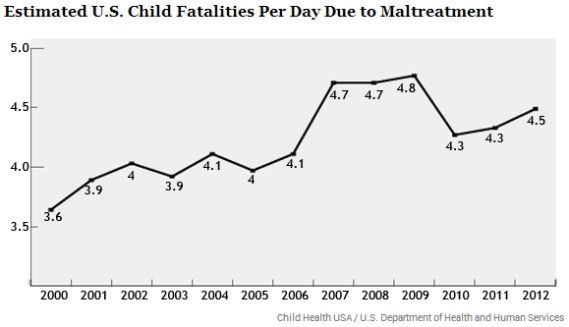
Emile Durkheim, a French sociologist, amply demonstrated that the act of committing suicide is not only a manifestation of one’s free will but also a reliable indicator of what kind of society/community that person belongs to.
What are we to understand from the graph above, beside the fact that 2006 to 2010 was indeed the pinnacle of the socio-economic crises that is still haunting us?
That we are killing our future/children with our own hands and we do it with ever increasing intensity even after the brunt of the crises has passed?
Or that 2006 to 2010 was just a spike of another, still festering and deeper than meets the eye, kind of crises?

I found this question on FB and I believe it’s worth an answer:
“Why?” as to “how come?” or “why” as to “for what purpose?”
By pure chance and it is up to us to set our goals but we must always take good care not to thread on Mother Nature’s toes or it’s curtains for all of us and for our petty goals.
Maturizarea asta e o treaba destul de complicata.
Copiii mici reactioneaza emotional la ceea ce li se intampla.
Pe masura ce invata sa vorbeasca parintii lor le impun tot felul de reguli si respectarea acestora ii transforma in fiinte din ce in ce mai rationale.
La inceputul adolescentei, adica exact atunci cand li se pare ca au inteles tot si ca nu mai au nimic de invatat, se comporta ca niste mici robotei. Asa se explica atat ‘cruzimea’ cat si inflexibilitatea lor.
Abia mai tarziu, cand isi dau seama ca cele mai multe dintre regulile facute de oameni sunt relative – spre deosebire de cele naturale, care sunt absolute – incepe cu adevarat procesul de maturizare.
Abia atunci cand incep sa inteleaga ca nu e bine sa te lasi prada impulsurilor de moment dar ca nici ratiunea golita de orice sentiment nu este suficienta pentru a naviga printre stancile destinului.
Si de fapt niciodata nu ne maturizam pe deplin, niciodata nu reusim cu adevarat sa mentinem un cat de cat echilibru intre emotiile care ne trag dintr-o parte intr-alta si ratiunea care ne spune tot timpul ca nu avem destule date pentru a lua o hotarire definitiva.


Una din marile disfunctionalitati ale societatii de azi este incapacitatea crescânda a indivizilor de a lega si de a intretine relatii conjugale durabile. Teoria mea abordeaza problema din unghiul profund psihologic al “programului capitalist/consumerist” pe baza caruia functionam. Pentru a o ilustra cat mai bine voi face o paralela.
Avem pe de o parte o companie care produce sa zicem pasta de dinti. Compania vrea ca produsul sa fie cumparat de catre indivizi, astfel ca ii va face publicitate si o va “impacheta” in asa fel incat cumparatorul sa adere la poveste si sa scoata banii din buzunar. Odata produsul cumparat, incepe experienta personala si subiectiva a individului cu acesta. Sa presupunem ca individul constata ca din perspectiva lui “Pasta de dinti X” face maxim 60% din ce promite in reclama ca face. Atunci individul se va orienta catre gasirea unui alt produs care sa-i satisfca nevoile intr-o proportie mult…
View original post 514 more words

