Archives for category: Psychology

I found the following joke in my inbox:

“A guy, just after making love to a woman, jumps up from the bed, grabs a small notebook and jots something in it.
– Why are you acting like a dick? You could have waited until I had left before adding me to your trophy list!
– I’m not adding you up on any list, I’m striking you out!”

Now this has left me thinking: He struck her out because he didn’t want to see her again in his life or because she was topping the ’10 things I want to do before I die’ list?

Pe vremuri erau foarte multe bancuri cu Bula.

Unul dintre ele suna cam asa:

‘Diriginta lui Bula afla ca saptamana viitoare va avea inspectie de la regionala de partid asa ca ii pregateste pe copii.- ….. Si probabil ca la un moment dat o sa va intrebe si ce meserii au tatii vostri. Hai sa vedem ce veti raspunde voi. Spune tu Ionescule.
– Tata e strungar la 23 August.
– Acum Popescu.
– Tatal meu este frezor la Timpuri Noi.
– Hai Bula, spune si tu ca vad ca esti tare nerabdator!
– Tata este clopotar la Patriarhie.
– Bula, nu cred ca ‘tovarasii’ se vor bucura sa auda asta…
– Atunci am sa spun ca e disk-jockey la Mystic-Club!’

Avand in vedere ca eu am asa o teorie cum ca starea psihica a unei comunitati poate fi ‘masurata’, cel putin calitativ, prin studierea bancurilor ‘colportate’ in interiorul ei am fost foarte atent cand am aflat de o varianta moderna a acestui banc:

‘….Popescu
– Tata e pompier si salveaza vieti.
– Ionescu
– Tata e medic si salveaza vieti.
– Bula
– Tata este dansator intr-un club gay, danseaza la bara, clientii ii baga bani la chiloti, si daca platesc bine tata si-o pune cu ei in boschetii de la intrare.
Miscata de situatia lui Bula diriginta il opreste dupa ore:
– Imi extrem de rau, daca as fi stiut nu te intrebam in fata intregii clase.
– Dumneavoastra sa ma iertati-ma doamna diriginta, zice Bula cu ochii in lacrimi, v-am mintit, tata se ocupa cu politica da’ mi-a fost rusine sa spun.’

Image

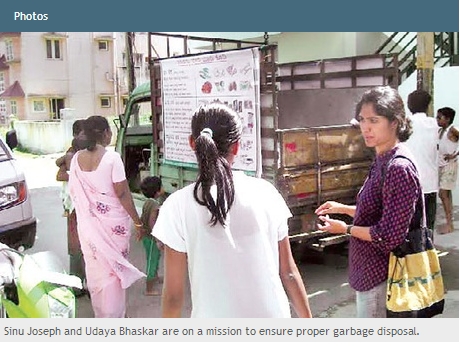
http://www.newindianexpress.com/cities/bangalore/Chasing-the-Evasive-Muck/2013/12/24/article1961626.ece

This is the most effective way to introduce something new to people.
Preaching isn’t enough, there are a lot of small hurdles that need to be removed before change will actually be implemented.
Enlisting the help of those involved insures that the new thing is OK with them – otherwise you wouldn’t be able to convince them – and that they understand what it’s going on!

Image

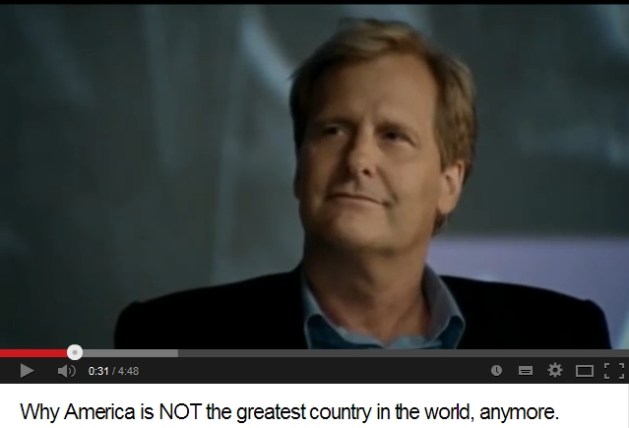
This is the second time I came across with this video.
While some of the arguments presented ‘inside’ are valid I beg to disagree with its conclusion.

Here are some valid arguments for rejecting that conclusion but I’m afraid they don’t get the gist of it.

America is number one, and has been for quite a while, because she is able not only to weather such soul searching controversy as depicted in this video without falling apart as a nation but also to draw a lot of energy from it.

For self centered foreigners and also for disgruntled Americans such bickering might seem a sign of divisiveness and frailty, but in reality this is how America keeps herself on her toes in absence of credible menace from outside. Well, sometimes she was so successful in scaring herself up that she started such hapless wars as the ones against drugs and poverty but this is another topic.

But when push comes to shove she is able to pull herself together. Hitler, the communist leaders of the USSR and bin-Laden are only a few of those who have mistaken lack of unanimity with lack of strength. They are all history now and haven’t arrived there using the recommended venue…

Being able to adapt to whatever comes to cross your path demands being able to think with your own head and original thinkers are renown for sometimes acting boisterously but that doesn’t mean they cannot team up to cross that treacherous mountain!

Image

M-a intrebat cineva ce cred despre articolul asta:

“Nouă personalităţi răspund pe ce se întemeiază credinţa lor: De ce cred în Dumnezeu”

Dupa ce am citit (doar) “Omul fara rost” am raspuns repezit:

“Icoana de pe peretele clasei nu este un indemn catre narcomanie sau orice altceva (din ‘clasa’ celor evocate de Dan C. Mihailescu) ci este unul catre conformism.

Si exact asta este motivul pentru care am intrat, cu totii, in criza in care suntem de vreo 50-60 de ani: am ascultat prea tare de altii si am imprumutat prea disciplinati modelele care ne-au fost propuse.
E adevarat ca dezvoltarea la care a ajuns spatiul cultural din care facem parte (cel ‘vest european’) are foarte mult de a face cu faptul ca am fost crestini numai ca noi oamenii am dat nastere crestinismului nu invers.
Cu alte cuvinte noi am dezvoltat crestinismul, noi l-am creat pe Dumnezeu (tocmai pentru ca avem credinta – “Nu M-ai cauta daca nu M-ai fi gasit!”) si nu invers.
Distanta care a aparut acum intre oameni si Dumnezeu nu se datoreaza faptului ca Dumnezeu ar fi facut ceva rau (nici nu poate, el este insasi ‘firea’ – tot ce exista – asa ca daca ar face ceva rau ar fi ca si cum si-ar trage un glont in picior.) Se datoreaza faptului ca unii smecheri incearca sa profite de credinta oamenilor. Prea mult preoti catolici isi bat joc de copii. Ortodocsii construiesc prea multe biserici monumentale si prea putine azile de batrani. Prea multi protestanti se straduie sa invete pe unii cum sa-i urasca pe altii (legile anti-homosexuali din Uganda se pare ca sunt opera unor evanghelisti americani) in loc sa-i indemne sa depaseasca diferentele dintre ei. Prea multe ulemale indeamna la varianta exterioara, violenta a jihadului.
In realitate oamenii nu se indeparteaza de Dumnezeu. Se indeparteaza de chipul pe care i l-au cioplit smecherii astia si ii cauta adevarata fata, cea care se arata fiecaruia dintre noi in particular si nu atunci cand batem matanii in fata bisericii ca Iliescu sau ca Bush dupa ce s-a ‘nascut a doua oara’. Sau ca sa ma intorc la Mihailescu oamenii merg “prin păduri, pe vârfuri de munte, prin livezi, podgorii, fâneţe, ori în largul mării” tocmai pentru ca acolo gasesc o fata a lui Dumnezeu mult mai sincera decat cele zugravite prin unele ‘altare’ sau zbierate prin difuzoare de unii predicatori!”
Abia dupa aceea am citit si restul articolului. Merita. Pe mine m-au interesat mai ales cele spuse de Radu Gologan. Pe urma am mai citit odata si predica parintelui Galeriu.

“Man is hungry.
He steal bread to feed family.
Get home, find all family have gone Siberia!
“More bread for me,” man think.
But bread have worm.”

If somebody really wants to understand this “Latvian Jokes” he needs to remember that the only period of independence enjoyed by the Latvian people in its entire history until 1991 was 1918-1939 and even that short period was spent under a dictatorship.

That somebody also has to remember that jokes describe how the people who keep telling them over and over feel about a certain situation and are not necessarily an ‘accurate’ description of that situation. These jokes were ‘kept alive’ in spite of “Latvia was one of the most economically well-off and industrialized parts of the Soviet Union” exactly because the Latvian people felt oppressed by foreign rule. (Besides that the Baltic republics  were better of than the rest of the USSR in spite of the communist rule, not because of it.)

Ca tot ‘sarbatorim’ trezirea din 1989…

In postarea trecuta am adus vorba despre Sven Hassel.
Cei mai tineri dintre noi s-ar putea sa nici nu fi auzit despre el. A fost un soldat din armata germana care a reusit sa supravietuiasca razboiului – si l-a facut pe tot, din ’39 pana in ’45 – iar apoi a povestit ce i s-a intamplat.

In ’40 a dezertat. A fost condamnat la puscarie iar dupa cateva luni a fost transferat intr-un regiment disciplinar. Ca atare a mai facut un stagiu de instructie. Numai ca de data asta ‘instructia’ avea mai degraba de a face cu ‘reeducarea’ (vezi ‘Fenomenul Pitesti’) decat cu antrenamentul specific militar. Intr-una din cartile lui povesteste ca ‘instructia’ asta cuprindea si momente in care trebuiau sa se prezinte la o ‘inspectie de front’ (unde pentru o pata de noroi pe uniforma primeau pedepse crunte) la o jumatate de ora dupa ce se intorsesera din cite un mars de doua zile prin noroaie. Singura solutie era sa intre sub dus cu uniforma si tot echipamentul pe ei si sa spele tot acolo, pe loc. E de presupus ca apa de la dus era daca nu calda atunci macar incropita, altfel nu ar fi avut nici o sansa…

Ei bine, in primele 3 sau 4 saptamani de armata acolo unde si cand am fost eu incorporat nu a curs apa aproape de loc. Nici rece si cu atat mai putin cea calda. Si mi-am “satisfacut stagiul militar” in mijlocul unui municipiu – Focsani – din Romania anului 1981 si nu undeva in Germania anului 1940…

Pana la urma asta a fost motivul pentru care au cazut regimurile comuniste. Nu comunismul nu ‘a cazut’ inca, mai sunt nostalnici care mai cred ca utopia asta ar fi putut fi pusa in practica, dar despre asta mai tarziu!

Regimurile comuniste au cazut pentru ca asa ceva nu putea functiona!

It’s the economy, stupid!

Ce a fost.
Ce ar fi putut sa fie.
Ce a iesit.
Ce va sa fie.

Voi incepe cu sfarsitul.

Vom repeta aceleasi greseli de cate ori va fi nevoie pana cand vom intelege ca greseala este inevitabila si ca daca tot am facut-o ar fi mai bine sa invatam ceva din ea.
 A te intoarce din drum pina inainte de greseala si a porni din nou cu gandul de a nu o (mai) repeta nu face decat sa te aduca, din nou si de cate ori este nevoie, in fata aceleiasi lectii: decat sa te ridici pentru a cadea din nou mai bine mergi in patru labe pana se termina gheata!

Ce ar fi putut sa fie? Greu de spus. Ar fi putut sa fie mai bine dar in acelasi timp ar fi putut sa fie mult mai rau. Sa ne bucuram ca a fost.

Ce a iesit? Din cate se pare nu ‘a iesit’ inca. Ne ‘pregatim’ cu naivitate sa urcam, precum Sisif, acelasi deal la capatul caruia in realitate se afla o raspantie numai ca pana acum noi am vazut doar varianta ‘din nou si de la capat’.

Ce a fost? Eu m-as intreba mai degraba ‘a cata oara a fost?’…

Nu, nu ma refer doar la caderea comunismului sau la criza financiara!
In realitate atunci nu a cazut comunismul ci doar prea putine dintre regimurile comuniste, am sa  dezvolt subiectul asta mai tarziu.
Ma refer la faptul ca nu am inteles nimic!
Pe ce ma bazez cand spun asta?
Simplu. Pe faptul ca peste nici 20 de ani ni s-a intamplat acelasi lucru si atunci iarasi am fost luati prin surprindere precum si pe faptul ca ne straduim de zor pentru a reface seturile de conditii care au condus la cele doua miscari tectonice.

Ca sa fie clar ce am in cap am sa o spun pe sleau: atat prabusirea regimurilor comuniste cat si criza economica din 2007-2008 au avut aceiasi cauza si din pacate lucrurile au reinceput sa curga in aceiasi directie: autoritarismul/centralismul politic revine in forta – chiar daca sub alte forme – iar modul de functionare al economiei mondiale revine incet la obiceiurile de dinainte de 2007.

Toate necazurile astea provin din faptul ca ne credem mai destepti decat suntem cu adevarat.
Asta duce pe de o parte la aroganta – unii dintre noi cred ca stiu ei mai bine ce este potrivit pentru toti ceilalti – iar pe de alta la ‘autocastrare’ – prea mare parte dintre acesti ‘ceilalti’ accepta cu resemnare concluzia ‘logica si rationala’ la care au ajuns: aceea ca ‘nu ma pot descurca de unul singur’, ‘El este acela’ asa ca se aseaza disciplinati si ascultatori in spatele ‘lui’, ii indeplinesc fara sa cracneasca ordinele si apoi isi justifica ‘rational’ faptele in fata propriei constiinte.
“In conditiile acelea nu se putea altfel!”
Daca am avea mai putina credinta oarba in rationalitatea noastra si mai multa modestie poate ca am fi in stare sa intelegem mai multe din ceea ce ni se intampla.

Aproape nimic din ceea ce veti citi in continuare nu este nou. Eu nu sunt un tip caruia sa ii vina ‘idei’! In schimb imi place foarte mult ca atunci cand ma intalnesc cu una sa o intorc pe toate fetele si sa incerc sa vad ce legaturi exista intre ea si celelalte idei cu care m-am intalnit pana atunci.

Ceea ce urmeaza poate fi asemuit cu un ‘carnet de bal’. Este ‘lista’ ideilor cu care m-am intalnit. Am schimbat pe ici pe colo ordinea, unele intalniri nu au fost chiar atat de intamplatoare ca altele dar nimic nu a fost atat de premeditat precum este faptul ca am inceput, in sfarsit, aceasta impartasanie.

De prin anii 90 ai secolului trecut am inceput sa am impresia ca ‘bancurile’ sunt in realitate mult mai mult decat niste simple glume si ca reusesc foarte bine sa infatiseze perceptia publicului cu privire la ce se intampla in spatiul cultural in care circula.

Si nu-i asa  ca pusa sub forma asta idea mea pare aproape banala?

Mi-am adus aminte de chestia asta citind:

“Sa presupunem că… Guvernul acordă fiecăruia dintre noi cam 100.000 de lei.
Dacă cheltuim aceşti bani prin hypermarketuri, ei vor ajunge în China.
Dacă cumpărăm benzină, vor ajunge la arabi.
Dacă cumpărăm calculatoare, vor ajunge în India şi Hong Kong.
Dacă cumpărăm fructe şi legume, vor ajunge în Turcia, Spania, Italia, Egipt.
Dacă cumpărăm autoturisme mici şi economice, vor ajunge în Japonia sau Germania.
Dacă cumpărăm unul din multele gadgeturi electronice, vor ajunge în Taiwan.
Şi nu vor ajuta cu NIMIC economia românească.
Singura posibilitate de a păstra aceşti bani acasă, în România, este de a-i cheltui pe curve, pe gustosul vin românesc sau pe ţuică, deoarece acestea sunt garantat produse autohtone!
Eu aşa încerc să fac!
Dar e cam greu să-mi conving nevasta că fac aceste lucruri numai din patriotism.”

O dovada extrem de convingatoare ca ipoteza formulata de mine mai sus este corecta.

‘Intelepciunea populara’, cea care face ca bancurile sa circule, a sesizat cercul vicios in care ne aflam.
Daca procuparile noastre majore sunt betivaneala si curvasaritul intr-o atmosfera de inselatorie generalizata cum sa mai fim in stare sa ‘producem’ ceva de calitate?

I must clarify from the start that ‘yes we can’ sounds indeed more compelling but this is so only because ‘marketing’ has conditioned us to fall for ‘positive’ messages. ‘Yes we can!’ feels good because it implies that it is enough for us to set a goal and that goal will become accessible just because we declared it so. Very ‘American’ but also rather arrogant.

Besides that, how come that we are so sure that all things we have elevated to the rank of goal are worth pursuing?

On the other side of the barricade are the people who say there is no such thing as ‘progress’, that the advent of science and technology has done zilch to improve the human nature who has remained as sinful as ever.

Yes and no.

Science and technology are indeed nothing but innate tools, they cannot change anything by themselves. Human nature can change, for better or for worse, only under its own steam. It is the individual human being who is the ultimate decision maker about how those tools are going to be used.

There is another thing that needs clarifying. The sinful nature of the human being. In fact this notion is a purposefully distorted interpretation of a certain passage in the Bible:
 And the Lord God said, “The man has now become like one of us, knowing good and evil. He must not be allowed to reach out his hand and take also from the tree of life and eat, and live forever.””

As it becomes perfectly clear after reading that passage with an open mind, Adam and Eve were not banished from Eden because they disobeyed orders but because ‘they had learned to tell right from wrong’. This was not becoming sinful; it just means that from then on they had the ability to choose to behave badly. Or not. Having the ability to understated what is a sin does not necessarily mean that that sin will be committed.

So why banish them from the Paradise? First of all this is metaphor. The banishment was virtual, not real. Adam and Eve didn’t go anywhere, they only started doubting themselves and their judgments. Enough to loose one’s peace of mind. And rightfully so. As everybody knows people who have an exaggerated confidence in their own prowess are more inclined to making disastrous mistakes than people who are able to exercise a healthy dose of self control. And exactly this is the very reason for why God ‘expelled’ Adam and Eve from Eden (planted the seed of doubt into their soul): so that they’ll never have the opportunity to ‘eat from the tree of eternal life.’
Could you imagine what would happen if wrong choices would be able to last forever?

But how do people learn to behave? Through daily interactions with other people, of course. And the results of those interactions are ‘stored’ both in the individual memories of those directly involved but also in what is called ‘the collective memory’ of a group. Sociologists call that ‘culture’ and it influences individual behavior quite a lot. And that culture is also heavily influenced by the conditions in which individual interactions, those that accrue to eventually form cultural habits, take place.

Let me give you a practical example. I got my driver’s license quite late in life, I was 28 or 29 at that time, right after the fall of communism in Romania. (I had found a good job and I needed one in order to perform it properly so I took the exam and passed it). In those times the cars were rather few so the roads were relatively empty. This, correlated with the fact that policemen were treated with disrespect – they were still seen badly because in the previous regime they were used to suppress dissidence – and that after the so called ‘revolution’ had appeared quite a lot of rather aggressive ‘hot shots’ the manner of driving was chaotic to say the least. Nobody made any concession, no politeness, no nothing. But, I repeat, because the roads  were rather empty, accidents were relatively rare and bottlenecks practically inexistent.

A year or so after getting my license I had to drive to Istanbul. All my friends started to warn me ‘watch out, those Turks drive like madmen, you have to take care, etc., etc.’ I wasn’t exactly scared, in that year I had driven some 40 000 km (approx. 25 000 miles) so I wasn’t a novice anymore but still, I arrived there with more than a little apprehension.

Imagine my surprise when I realized that the Turkish drivers treat themselves with extreme consideration and foreigners with even more. OK, things were happening a lot more rapidly there but they were above all polite, something you almost couldn’t find on the Romanian roads at that time.

And it took me almost two days to understand that had they acted like the Romanian drivers acted at that time traffic would had halted in five minutes and the entire Istanbul would had become a huge bottleneck.

And you know what? Now, twenty years past, traffic in Bucharest has started to resemble the one in Istanbul at that time (I don’t know how it is now, I haven’t been there since, unfortunately). The not so surprisingly thing, for me at least, is that Romanian drivers have cleaned up their act considerably, at least inside the cities. And for good reason. Otherwise it would have been impossible to drive through the narrow and extremely busy streets we have to navigate. Things are not perfect – the Germans or the New Yorkers for instance are driving a lot nicer – but there is a huge improvement.

The point of this story is that most individuals will choose to make the right choice if and when they understands that it’s better to live and let live than to be a constant bully: sooner or later you’ll end up in very unpleasant situations.

And no, heavy handed policing isn’t enough, if the ‘guy in the street’ hasn’t reached ‘that’ level of understanding, if good behavior hasn’t become a cultural habit, people will have the tendency of misbehaving the very instant the policeman turns his head in the other direction. (Not to mention the fact that policemen come from the same community and share the same mentality)

So things can become better, progress is possible exactly because human nature is not inherently bad. Good individual choices coupled with strong interaction and a healthy dose of mutual respect can perform wonders.