Archives for category: Culture

History repeats itself. Really?

Image

The passage of time has divided people in two broad categories. Some, noticing that history seems to be repeating itself, became despondent, at least apparently:  “We learn from history that we do not learn from history”, while others, confronted with the same thing, reached a rather different conclusion: “Those that fail to learn from history, are doomed to repeat it.”

In fact the two are not that far apart: It is “us” that don’t learn much from history and, similarly, it is people from amongst ourselves that ‘are doomed to repeat the lessons of history, precisely because they failed to make much sense of them in the first place’…

So, is there anything that can be understood from all this?

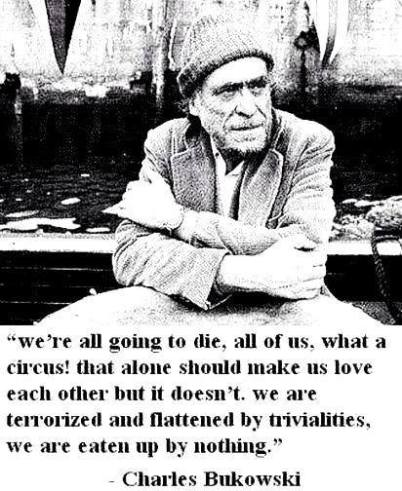
First of all that ‘no, history doesn’t repeat itself’. It’s us who play it again and again, until enough of us make enough sense of what has happened to be able to push the whole circus a little further down the road. And sometimes even that is not enough, a whole chapter becomes forgotten and we have to play it one more time….

Secondly we should never forget that more things can be learned during a single lesson. So even if something seems to be safely tucked away during the passage of time we should never forget it had taken place. Who knows when it will yield a fresh meaning? But we cannot extract that meaning unless we remain aware that that thing had happened…

So, going back to where we started, people actually learn from experience, only not always the proper things and certainly not all the useful things at once… and that’s why ‘history repeats itself’: we really need to learn the distinction between the useful, the annoying and the truly dangerous!
Image

I remember that John F. Kennedy once said something similar

” “In the final analysis,” …. “our most basic common link is that we all inhabit this small planet. We all breathe the same air. We all cherish our children’s future. And we are all mortal.” “

Yet now, fifty years later, we still act as if the planet was infinite, we had found a cure for death and we had given up about the fate of our children…

” “Hallel” means “praise” in Hebrew. You might know it from the first part of the word “hallelujah” which means “praise the Lord”. It’s also the name of a prayer that we say on festivals (like Passover), consisting mostly of psalms. But on the last day of Passover, which begins tonight, we don’t say a full Hallel; we shorten the prayer. Why? Because this is the day when Pharaoh’s army drowned in the Red Sea, and, though we want to rejoice in our victory, we don’t want to rejoice in the death of our enemies.

I think this is an important principle: we have a right to defend ourselves, but we shouldn’t demonize our enemies – the opposite: we should remember that our enemies are human too. More than that: we don’t *need* to demonize our enemies in order to defend ourselves; the right to self-defense is absolute.” (David Boxenhorn).

” So God created mankind in his own image, in the image of God he created them; male and female he created them.
 God blessed them and said to them, “Be fruitful and increase in number; fill the earth and subdue it. Rule over the fish in the sea and the birds in the sky and over every living creature that moves on the ground.” (Genesis 1, 27:28)

For some it’s not easy to understand how come the Jews have managed to survive. as a nation, for so long.

Reading the explanation about why the ‘hallel’ said in the last day of the Passover is shorter than usual did the trick for me.

I’m not a religious person, not in the general accepted meaning of the word anyway, but this doesn’t prevent me from finding wisdom in religious texts.
Reading the quote from the Genesis where God tells to his ‘made in his own image’ children “…fill the earth and subdue it. Rule over the…” things start to become apparent:

– The most important is ‘survival’. Nothing can be accomplished after death, not ‘on this side of the grave’ anyway.
– ‘Survival’ is not something that can be done individually. It’s ‘…fill the earth and subdue it.”, not ‘conquer the earth and vanquish the others’.
– Take care of what’s going on around you. ‘Rule over the…’ means bearing the responsibility of whatever happens under your stewardship.

My explanation about how come the Jews, and other ‘very experienced’ people, have managed to survive for so long is that they were able to maintain the fragile equilibrium between the need to preserve their identity and the wisdom to respect the identity of ‘others’. After all it’s a lot easier to survive together with as many as possible than against everybody else.

Anne Thériault's avatarThe Belle Jar

If there is one thing that drives me absolutely bananas, it’s people spreading misinformation via social media under the guise of “educating”. I’ve seen this happen in several ways – through infographics that twist data in ways that support a conclusion that is ultimately false, or else through “meaningful” quotes falsely attributed to various celebrities, or by cobbling together a few actual facts with statements that are patently untrue to create something that seems plausible on the surface but is, in fact, full of crap.

Yesterday, the official Facebook page of (noted misogynistandeugenicsenthusiast) Richard Dawkins’ Foundation for Reason and Science shared the following image to their 637,000 fans:

Neither Reasonable Nor Scientific Neither Reasonable Nor Scientific

Naturally, their fans lapped this shit up; after all, this is the kind of thing they absolutely live for. Religious people! Being hypocritical! And crazy! And wrong! The 2,000+ comments were…

View original post 2,060 more words

“”There are people who do things for fear of the lash.

There are people who do things for fear they will lose their families or their lives. There are people bought and sold. Are they not slaves?”

“They are slaves to their passion. Their fear rules them. What power do you have over me if I am not afraid of your lash? Am I your slave, if I am not afraid to lose my family? I obey you, faithfully, completely, because I choose to; am I your slave? And when you come to hate me for my freedom, which is greater than yours, and you command me to do what I will not do, then I stand before you in disobedience. Punish me, then; I choose to be punished. And if the punishment is more than I am willing to accept, then I will use such force as is necessary to stop the punishment, and no more. But never, for a moment, have I done anything but what I choose to do.”

“Then no one is as strong as you.”

“Not so. I’ve given my obedience to God, and use my best judgment to carry out his purpose, when I have some understanding of it. But those who have chosen to give their obedience to their passion, or to their memory, they freely choose to obey. The glutton freely overfills his belly, the pederast feeds on innocence, and the fearful man obeys his fear-freely.”

“You make it sound as if our desires were separate from ourselves.”

“They are. And if you don’t know that, then you might well become Unwyrm’s slave after all.”

“I know something of the doctrine of the Vigilants.”

“I am not talking about a school of doctrine. I’m talking about the answer I gave Heffiji. The reason Unwyrm calls to me.””


This excerpt is from “Wyrms” by, of course, Orson Scott Card and the reason for which Unwyrm, the bad character, ‘called’ every individual with some  real understanding of the world was that Unwyrm was trying to institute the ultimate dictatorship upon the planet Imakulata: Imagine a place run by a species whose members share a common consciousness and know all that has been discovered about that place.

Pe timp si pe experienta lucrului facut asa cum trebuie:


“Surowiecki ne spune că un sistem fiscal eficient se bazează în primul rând pe încrederea contribuabililor: în primul rând în Guvern că foloseşte banii judicios şi, în al doilea rând, în faptul că toată lumea respectă regulile jocului şi nu încearcă să trişeze. Dacă această încredere este erodată, atunci întreg sistemul se clatină şi merge către colaps”, punctează Gabriel Sincu.”

http://www.money.ro/aletra-72prc–dintre-antreprenori-considera-ca-mediul-fiscal-s-a-deteriorat_1257701.html

Istoria se repeta, chiar daca actorii isi mai schimba rolurile intre ei… si asta se intampla pana cand intreaga ‘sala’: distributie, spectatori si ‘tehnicieni’, inteleg cu adevarat ce s-a intamplat acolo.
Cu doua sute si ceva de ani in urma s-a rasculat un popor care se simtea oprimat de regele sau si care nu se putea exprima la adevarata sa valoare pentru ca era incorsetat intr-un set rigid de reguli. Pentru ca cei care conduceau statele din jurul acelui popor au incercat sa profite de situatia creata acel popor s-a asezat disciplinat in spatele celui mai competent conducator pe care l-a gasit, Napoleon Bonaparte, si a inceput ‘sa-si faca dreptate’.
Undeva pe parcurs lucrurile au degenerat fara ca nimeni sa isi dea seama, din ‘razboi de eliberare’ toata operatiunea s-a transformat intr-o enorma manifestare de vointa, cea a lui Napoleon I.
Pentru era un excelent tactician acesta a reusit, cel putin la inceput, sa profite de disensiunile celor pe care ii avea in fata si sa-i invinga unul cate unul. Totusi, pe masura ce Napoleon deranja pe din ce in ce mai multi, acestia au inteles la un moment dat ca ‘unirea face puterea’ si au pus disensiunile la o parte. Abia incepand cu acel moment coalitia anti-Napoleon a putut folosi la adevarata sa valoare ajutorul oferit de o putere oarecum exterioara Europei din acel moment si anume Anglia.
Restul poate fi citit in cartile de istorie.
Nu cred ca este nevoie sa transpun distributia si in cheie contemporana mai ales ca este a treia oara cand se joaca piesa asta.
Data trecuta in rolul lui Napoleon a fost Hitler.

Politica a fost o arta si ar trebui sa revina la acea stare.
Din pacate materialitatea vietii cotidiene a pervertit atat conceptul de arta cat si pe cel de politica.
Arta a inceput sa fie inteleasa ca o activitate umana generatoare de frumos iar politica ca pe o actiunea de a reusi intr-un fel sau altul sa ajungi in capul bucatelor pentru a le imparti dupa bunul tau plac.
Daca ne uitam cu mai multa atentie observam totusi ca adevaratii artisti sunt cei care reusesc sa aduca in spatiul public idei sau interpretari noi, care reusesc sa depaseasca obisnuitul pentru a gasi ceva diferit de ceea ce stiam pana atunci. Cu alte cuvinte arta consta in a a gasi o metoda acceptabila pentru a sparge limite considerate pana atunci a fi inexpugnabile.
Tot asa adevarata politica este arta de a pastra impreuna pe membrii unei comunitati, a asigura unui polis cadrul social in care acesta sa poata supravietui. De fapt treaba politicianului consta in a face in asa fel incat sa-i convinga pe locuitorii unui polis sau pe cetatenii unei tari ca le este mai bine daca se ajuta unul pe celalalt decat daca se lupta unul cu celalalt.
O alta formulare ar fi ca misiunea politicianului este sa puna la dispozitia locuitorilor unui polis/cetatenilor unei tari un spatiu social in care acestora sa le fie mai bine atunci cand colaboreaza decat atunci cand incearca sa se insele intre ei.
Iar latura artistica a politicii consta tocmai in faptul ca politicianul de adevarat succes este acela care lasa spatiul respectiv sa se organizeze singur, politicianul intervenind doar pentru a extrage/neutraliza pe cei care rup urzeala firii firii si abtinandu-se de fiecare data cand este tentat de a spune cuiva ce sa faca.

Sau cel putin asa interpretez eu citatul acesta din Lao-tzu :

“As restrictions and prohibitions are multiplied in the Empire, the people grow poorer and poorer. When the people are subjected to overmuch government, the land is thrown into confusion. When the people are skilled in many cunning arts, strange are the objects of luxury that appear.

The greater the number of laws and enactments, the more thieves and robbers there will be. Therefore the Sage says: “So long as I do nothing, the people will work out their own reformation. So long as I love calm, the people will right themselves. If only I keep from meddling, the people will grow rich. If only I am free from desire, the people will come naturally back to simplicity.”

If the government is sluggish and tolerant, the people will be honest and free from guile. If the government is prying and meddling, there will be constant infraction of the law. Is the government corrupt? Then uprightness becomes rare, and goodness becomes strange. Verily, mankind have been under delusion for many a day!”

Not only that it has been replaced by the omnipotent ‘procedure’ but we have already been conditioned to accept this as being OK.

“Government sends cheque for 1 cent to soldier’s mother in ‘fragile state’ after son committed suicide.”

Image

OK, we are all humans and mistakes happen all the time. But as individuals we have an obligation to ourselves to act humanely and not like soulless automata. Not one of the two guys who signed the check was curious enough to find out why the government was sending 1 (one) cent to somebody… I wonder if any of them had actually understood what was going on or they signed it just because somebody told them ‘the whole matter was being dealt with in full compliance with the relevant regulations’?

“School forces half-naked, sopping wet student to stand outside, frostbite results”


school frost bite

Can you figure out how things could get this far?

“A Minnesota public high school was so committed to obeying its fire drill policy to the exact letter of the law that it forced a female student–dressed only in a swimsuit, and sopping wet–to stand outside in the freezing cold for ten minutes. As a result, she suffered frostbite.

It was 5 degrees below zero in St. Paul that day. With the windchill, it was 25 degrees below zero.
Hagen-Tietz asked to wait inside an employee’s car, or at the elementary school across the street. But administrators believed that this would violate official policy, and could get the school in trouble, so they opted to simply let the girl freeze.
Her fellow classmates, at least, huddled around her to try to keep her warm. And one teacher did eventually lend her a coat.”

But wait to see her mother’s reaction:

“Eva Tietz told National Review that the school was wrong to put a wet, unclothed kid out in the cold.
“Immediately, when they had seen that, they should have had some kind of protocol,” she said in a statement.
Tietz also noted that she would have been arrested for doing such a thing to her child.
“If I had a fire and brought my children out in that condition, you know, I’m sure I would be charged in some way or another if I didn’t instantly bring them into a neighbor’s house or someplace else,” she said, according to WCCO”

She even proposed a remedy:

“Tietz wants the school to issue an apology and reexamine its fire policies.”

And the school district promptly “issued a statement saying only that it routinely reviews such policies.”

Please notice that what had started as an article about a child being forced to stay outside practically naked in freezing temperatures by a bunch of inept teachers has ended as a dispute about ‘protocols’ and ‘policies’.

What happened to common sense? Do we need ‘protocols’ for absolutely everything now?
What happened to the rest of the people present there, beside the ‘stickler’ who was ‘in charge’ and who needed 10 (ten) full minutes to grasp the situation?

What could have happened to a mother whose child has been left out to freeze to make her ask for ‘better policies’ instead of her yelling at the top of her lungs: ‘Act sensibly, for God’s sake!’

Daca reusesti sa calci suficient de multi oameni pe batatura pana la urma se va gasi cineva sa te puna la locul tau.

Zilele astea am gasit in biblioteca “Ultimele 6 minute” de Alistair Maclean, aparuta in 1976 in colectia Enigma. Tineam minte ca am citit-o, aveam cam 15 ani pe vremea aia,
Intriga e relativ simpla, o gasca de infractori internationali doboara un avion incarcat cu aur si pietre pretioase deasupra Golfului Mexic si apoi incearca sa recupereze prada. Socotelile lor sunt incurcate de fratele pilotului care isi pierduse intreaga familie atunci cand avionul s-a prabusit.

Numai ca sub aparenta simplitate se ascunde o realitate pe care putini dintre noi o realizam, cu toate ca avem nenumarate ocazii de a intelege cum stau lucrurile. De cand suntem mici bunicii nostri ne povestesc basme cu Fat –Frumos care reuseste ‘cu regularitate’ sa-l infranga pe balaur pentru ca acesta este ‘rau’, si de aceea singur, in timp ce Fat – Frumos se intovaraseste intotdeauna cu victimele balaurului. Dupa aceea crestem mari, ajungem la scoala si invatam despre reguli, legi si ce este aceea morala.
Pricepem ceva? De obicei nu, ne dam seama ca am facut ceva rau abia cand cei din jurul nostru reactioneaza la faptele noastre si ne pedepsesc atunci cand ii deranjam. Din momentul acela alegem calea minimei rezistente adica adoptam un comportament de evitare a pedepselor in loc sa incercam sa intelegem care e treaba cu adevarat si sa actionam in cunostinta de cauza.

Daca am fi mai atenti in frageda noastra copilarie ne-am da seama ca Fat-Frumos isi construieste victoria tocmai avand grija sa se alieze cu cei din jurul sau. El nu evita nimic, cu atat mai putin confruntarile, dar are intotdeauna grija sa fie de partea fireasca a baricadei. Am evitat in mod intentionat sa spun ‘partea buna a baricadei’ pentru ca ce este bun pentru unul poate fi rau pentru altul in timp ce ‘firescul’, ‘naturalul’ sunt mult mai usor de recunoscut.

Am recitit cartea cu placere. Singurul lucru pe care mi-l mai aminteam era ca se termina cu bine asa ca a fost ca si cum as fi citit-o pentru prima oara. Aproape toate cartile politiste se termina cu bine , nu?
La sfarsit – povestea are happy-end doar in sensul ca personajele negative isi primesc pedeapsa, ‘eroul’ in schimb ramane fara insasi ratiunea de a trai si se afla in fata unui nou inceput dar cărând dupa el toate cicatricile si vanataile vietei de pana atunci – am recunoscut sentimentul pe care l-am trait cu 40 de ani in urma.

Uluirea ca  exista atat de multi indivizi pe lumea asta care nu pot intelege, nici in ruptul capului, ca ‘daca reusesti sa calci suficient de multi oameni pe batatura pana la urma se va gasi cineva care sa te puna la locul tau’, precum si mirarea ca oamenii obisnuiti rabda foarte mult ca degetele sa le fie strivite inainte de a face ceva cu adevarat semnificativ pe chestia asta.