Archives for posts with tag: Democracy

Avantajul fundamental al democratiei fata de celelalte metode de gestionare a spatiului public este caracterul ei participativ.

Prin exercitarea votului cetateanul isi exprima mult mai mult decat opinia cu privire la problemele aflate in discutie – si legitimeaza astfel una sau alta dintre optiunile supuse aprobarii populare. El isi probeaza astfel, direct si de netagaduit, interesul fata de viata cetatii si fata de viitorul sau. In plus, chiar daca varianta aleasa de el nu s-a bucurat de increderea a suficient de multi dintre ceilalti, simplul fapt ca toate variantele au fost examinate denota ca mecanismul democratic din societatea respectiva este in stare de functionare si ca suficient de multi dintre cetatenii acesteia se simt confortabil in interiorul ‘cetatii’, reprezentati legitim de catre conducatorii sai vremelnici si, daca nu chiar multumiti cu directia generala in care se indreapta societatea respectiva, atunci macar nu sunt disperati cu privire la acea directie.

Dar toate astea sunt valabile doar daca votul este exprimat. Indiferent cum.

In momentul in care votul nu este exprimat de loc, adica cetateanul prefera sa stea acasa in loc sa isi exprime parerea, repet INDIFERENT CUM DAR IN INTERIORUL CABINEI DE VOT, gestul sau devine extrem de ambiguu si deschis oricarei interpretari.

– Cei multumiti cu directia in care se indreapta societatea vor spune: ‘uite, daca nu a venit la vot inseamna ca si el este multumit cu ce se intampla, altfel ar fi facut ceva, NU?!?’
– Cei nemultumiti cu privire la rezultatul votului vor spune: ‘uite, daca lor nu le era lene poate ca reuseam sa schimbam ceva!’

In momentul in care absenteismul la vot capata dimensiuni de masa lucrurile se complica si mai tare:
– Cei care incearca sa manipuleaze rezultatul alegerilor, prin orice metoda, devin din ce in ce mai eficienti. In principiu ‘costul’ unui vot ‘a la carte’ este constant, nu depinde de prezenta la vot. In conditiile unei prezente slabe la vot s-ar putea sa fie suficient sa ‘controlezi’ 4-5 % pentru a obtine rezultatul dorit. In cazul unei prezente masive s-ar putea sa nu se mai stie…
– Cei care sunt multumiti cu situatia se simt incurajati sa continue – ‘astora’ nu le pasa – in timp ce aceia care doresc o schimbare devin din ce in ce mai defetisti – cu ‘astia’ nu se poate face nimic.
– De la un moment dat incolo ‘interesele straine’ incep si ele sa ‘adulmece’: ‘astia’ sunt atat de blegi/se cearta atat de tare intre ei incat in tara aia putem sa facem aproape tot ce ne trece prin cap.

Da, stiu ca foarte multi dintre voi sunt extrem de dezamagiti de ce s-a intamplat pana acum.
Din prea multa ‘nebagare de seama si iuteala de mana’  l-am lasat pe Iliescu sa se cocoate in fruntea bucatelor dupa ce se bagase singur, dar cu ‘voia dumneavoastra’, pe lista FSN-ului.
Dupa ce ne-am lamurit, in incercarea de a scapa de Ilici, l-am luat in brate pe Constantinescu dar am uitat ca nu ajunge sa il votezi, orice om politic are nevoie de sprijinul constant al alegatorilor sai pentru a face cu adevarat ceva.
Apoi am inceput sa votam la misto si uite asa a ajuns Vadim in turul doi, tot cu Iliescu. Si mare desteptaciune mare, iar l-am pus pe Iliescu ‘sef al statului’. Si tot nu ne-am invatat minte ca votul negativ nu rezolva nimic ci functioneaza ca o imputernicire in alb pentru cel care a fost ales ca fiind raul cel mai mic. Dar tot rau.
Si, ca sa nu iasa Nastase, l-am ales pe Basescu.

Stiu, e frustrant sa nu ai pe cine alege. Dar pentru cei capabili e si mai frustrant sa vada cum alegatorii dorm in cizme si voteaza ‘negativ’ sau de loc.
Iar celor care sunt alesi, asa cum sunt alesi, li se pare ca l-au prins pe dumnezeu de un picior. Simt ca nu le va cere nimeni socoteala niciodata si au impresia ca daca se vor certa suficient de convingator intre ei vor face rocada la putere pana la sfarsitul veacurilor.

Ce-ar fi sa iesim la vot si sa le transmitem: ‘aveti grija ce faceti, de-acum incolo suntem cu ochii pe voi!!!’? 
Cum? 
Foarte simplu. Pentru cei care nu au incredere in nici un partid sau candidat independent exista varianta anularii votului. Mai multe stampile si gata. Gata cu votul negativ. E suficient gestul de a merge pana acolo si de a anula votul. “Imi pasa de ce se intampla in tara asta, nici unul dintre voi nu mi se pare demn de incredere dar asta nu inseamna ca am de gand sa va las sa faceti ce vreti voi!”

Acum cei mai pesimisti dintre voi imi vor aduce aminte de vorbele lui Stalin: “nu conteaza cine voteaza, conteaza doar cine numara voturile!” Nu e chiar asa. Nu suntem in aceiasi situatie. Cei din comisiile electorale de circumscriptie si cei din ‘activul local de partid’ sunt si ei oameni. Una e sa modifici rezultatul unui vot cu cateva procente incolo-incoace sau sa mai umbli un pic la prezenta si alta e sa te confrunti cu 20% voturi anulate in semn de protest. Cam cat al doilea partid din sondaje.

Cum ar fi sa faca chestia asta vreo doua treimi dintre cei care nu vin de obicei la vot?

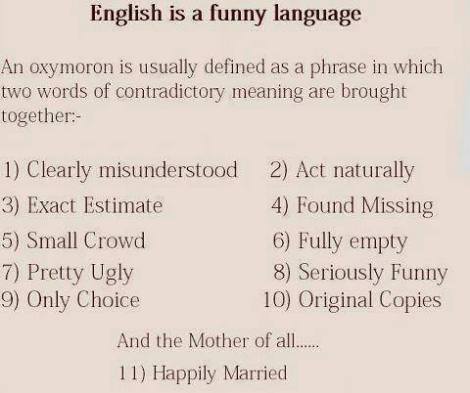
Most of you are probably aware that French was THE Lingua Franca until some 60 or 70 years ago, long after Britain had displaced France as the dominant world power.

Why? Because English is a lot more flexible than French and, as such, a lot more suitable as a medium for negotiation.
Why had we, as a species, waited for so long? Because until then international exchanges were, basically, more of an imperial nature than anything else. Only when people started to engage in meaningful negotiation medium became important. Orders can be given in any language, sooner or later the subordinate will figure out the message if the imperator is insistent enough but for meaningful negotiation to be possible the medium needs to be simultaneously expressive enough for the participants to be able to make themselves understood yet imprecise enough to leave room for ‘diplomatic’ manoeuvres.

Image


See what I mean?
The last entry is indeed the pinnacle of ambiguity, it is extremely descriptive and it can be simultaneously an oxymoron and a pleonasm, depending on which half of the couple is using it!

Here are some more examples from the FB wall where I found the picture:

Benjamin Adams: “In greek oxy means sharp. In English moron means dull. Oxymoron is an oxymoron.”

Matt Mailand: “civil war”

Reece Matthew Van Gameren “Clearly confused”

Travis Fox “Jumbo shrimp.”

Image

Our admiration for Plato speaks volumes about who we are and about where we are on the historical ladder.

Toward the end of the astonishing period of Athenian creativity that furnished Western civilization with the greater part of its intellectual, artistic, and political wealth, Plato wrote The Republic, his discussion of the nature and meaning of justice and of the ideal state and its ruler.”

What had happened, back then, was that Athens had invented a certain kind of democracy (based on ample opportunities and relative abundance) and, using that political system, had build a very successful society.

In time, the system became perverted – mainly because pampered people loose their edge – and its future demise started to become apparent for the open minded thinkers. Among them, Socrates was one of the most vocal critics and had payed dearly for not keeping his mouth shut.

We should remember now, if we are to believe Plato’s words, that ‘the Republic’ is nothing but the faithful reproduction of an actual conversation. Socrates own thinking, in spirit and in words.

Let me take a break at this moment and remind you two things:

1. Rome, which had also started as a democracy, at some point had conquered the entire Greece – including Athens, discovered the works of Plato, admired them and, a little later, its political system also degenerated into authoritarianism and eventually failed miserably.

2. Western Europe had forgotten about Plato for more than a millennium and rediscovered him because the Arabs had preserved his work. Moreover until recently  only specialized scholars had any idea about who Plato was…

Back to the ruling process…

I’ll assume the translation was faithful and Plato really meant ‘rule’ as opposed to ‘govern’, ‘impose your own will upon the community’ instead of ‘putting in practice the will of the people’…

Now let me remind you that no matter how wise a ruler and how proficient a builder Pericles was, his reign ended the epoch of grandeur for Athens. After that, the great city had experienced a 2000 years decline…And here are some other interesting thoughts about that era: “There is no little irony in the fact that one of the things we most admire in the ancient Greeks is their love of freedom – and yet one of the chief manifestations of that love was their constant striving to control in some way the futures of their neighbors.” (Robin Waterfield, Athens, a History…)

So what was Plato really trying to say?

“The heaviest penalty for declining to rule is to be ruled by someone inferior to yourself.”

Well, I have no way of knowing exactly what went through his head when he was writing this but I can infer a thing or two from his words:

– He was speaking about an epoch were bona fide democracy was no longer the prevailing political system. Not only that he used ‘rule’ instead of ‘govern’ but, according to the written texts which have survived, the public offices were up for grabs and the ‘important’ person itself was the one to decide whether to ‘rule’ or to govern.

– People were rather arrogant at that time… who’s job was to decide who was ‘above’ and who was ‘below’? How come am “I” so sure that “I” am the most qualified (superior) to rule and that everybody else is/should be considered my inferior?

Then what made Athens, and then Rome, fall from the pinnacles where they had managed to climb while they governed themselves as democracies?

As for Plato maintaining that all he did was to ‘faithfully’ record Socrates’ words… allow me to have some doubts.

Socrates was asked to kill himself because of his teachings – ‘you should learn to think with your own head’ – were perceived, by the powerful-s of the day, as being dangerous for the younger generations.

Was it be possible that the same thinker might have uttered, as Plato pretended:

[Socrates]Then, I said, the business of us who are the founders of the State will be to compel the best minds to attain that knowledge which we have already shown to be the greatest of all-they must continue to ascend until they arrive at the good; but when they have ascended and seen enough we must not allow them to do as they do now.

[Glaucon] What do you mean?

[Socrates] I mean that they remain in the upper world: but this must not be allowed; they must be made to descend again among the prisoners in the cave, and partake of their labors and honors, whether they are worth having or not.

[Glaucon] But is not this unjust? he said; ought we to give them a worse life, when they might have a better?

[Socrates] You have again forgotten, my friend, I said, the intention of the legislator, who did not aim at making any one class in the State happy above the rest; the happiness was to be in the whole State, and he held the citizens together by persuasion and necessity, making them benefactors of the State, and therefore benefactors of one another; to this end he created them, not to please themselves, but to be his instruments in binding up the State.

There is absolutely no difference between this line of thinking and that which was taught by Marx to his followers:

The Communists, therefore, are on the one hand, practically, the most advanced and resolute section of the working-class parties of every country, that section which pushes forward all others; on the other hand, theoretically, they have over the great mass of the proletariat the advantage of clearly understanding the line of march, the conditions, and the ultimate general results of the proletarian movement.

The immediate aim of the Communists is the same as that of all other proletarian parties: formation of the proletariat into a class, overthrow of the bourgeois supremacy, conquest of political power by the proletariat.

The theoretical conclusions of the Communists are in no way based on ideas or principles that have been invented, or discovered, by this or that would-be universal reformer.

They merely express, in general terms, actual relations springing from an existing class struggle, from a historical movement going on under our very eyes. The abolition of existing property relations is not at all a distinctive feature of communism.

What we have here is nothing but two examples of extreme arrogance.

Both posit that ‘I (disguised as ‘the thinkers’/’communists’) know better than all of you so you’d better obey me. Or else.’

For both the State is instrument of oppression, not the expression of the free will of its inhabitants.

I refuse to accept that Socrates actually thought like that.

On the other hand Plato wrote his Republic during Pericles’ reign and Aristotle, Plato’s favorite pupil, was the teacher of Alexander the Great.
And no matter how many exploits Alexander had ‘committed’, we shouldn’t forget that he was nothing but yet another ruthless dictator. More successful than most but still a dictator. Same thing for Pericles. He was indeed a great builder and administrator but his reign marked the end of the Athenian democracy. Very soon after him the entire Greece had lost her independence and political significance.

All that was left was the Greek culture. The habit of thinking with one’s own head. Socrates’ legacy, not Plato’s.

PS.

Now what if Plato had written his dialogs as a warning rather than as a set of guidelines? ‘This will happen’ – historical facts were already clear enough, ‘if you do such and such things’.

It’s up to us, his readers, to choose what we consider to be the proper interpretation!

Which reminds me of the diehard Marxists who still believe ‘the bearded one’ was right and that his ideas had been badly put in practice by the likes of Lenin, Stalin, Pol Pot, Ceausescu…

Image

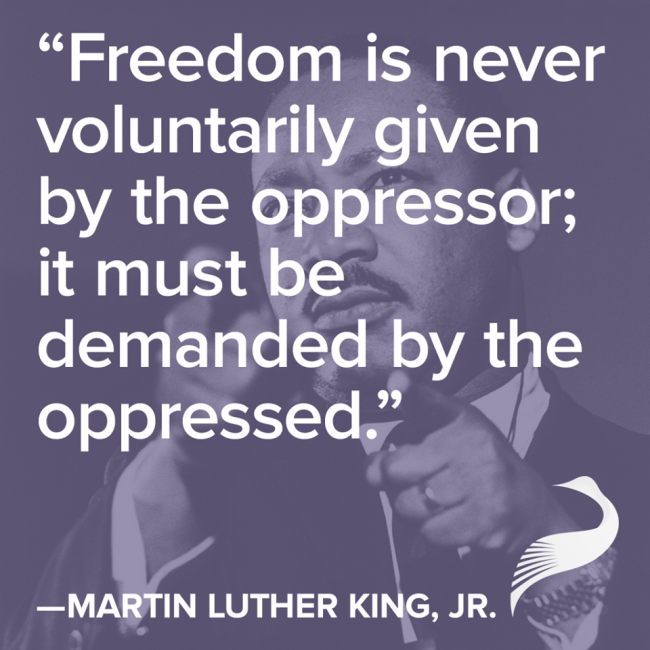
First of all freedom is a state of mind and only subsequently may become translated (or not) into social reality.
Whenever an oppressor/oppressed relationship exists neither of them is really free, not even the oppressor: he is permanently bound to take care, of sorts, for the oppressed. Otherwise the oppressed would wither away, either literally or by gaining their liberty.
This doesn’t mean Martin Luther King Jr. wasn’t right, it still is the duty of whoever feels oppressed to start fighting for liberty, it just puts the onus on both sides of the relationship.
In fact time and time again human history has produced ample proof that as entire societies became freer their individual members fared better and better.
Wealth and technology can only help but cannot replace (perceived) individual liberty.

Image


A rather heated debate is currently going on between ‘specialists’ about how ‘economic fairness’ is influencing growth:

inequality=unsustainable growth


The problem is that most of these ‘specialists’, usually economists or politicians, while sometimes finding interesting facts, rarely stick their heads out of their narrow fields of expertise high enough to notice that too much economic inequality is counterproductive precisely because it creates a relationship of dependency between the haves and the  have nots.

Taking care of your dependents uses precious resources that could be better spent concentrating on further development.
This is exactly what Henry Ford had understood and motivated him to double the wages of his employees. This is the sole explanation for why the American economy took off after WWII. More and more individuals were able to stand on their own two feet because the economic climate was good, business thrived AND the wages were decent – without the government or the unions having much to say about this.

Today business people care almost exclusively about the bottom line and the next quarterly report – thus favoring short term results versus sustainable growth, the governments regulate more and more, arrogantly believing  that they know better than the (no longer) free market and the union leaders concentrate on gathering more and more clout instead of taking care of the long term interests of their union members.
This byzantine maze does nothing but creates a highly oppressive medium in which everybody is oppressed by everybody else.

And human society, if it is to work properly, needs free cooperation, not generalized oppression.


Cineva mi-a trimis urmatoarea intrebare:

“PITAGORA a zis:
Nu năzui la himera unei democraţii pure; egalitatea perfectă există numai la morţi. 
++++++
Si cred ca are mare dreptate. Voi ce credeti ????”
Dupa care mi-a trimis si unul dintre raspunsurile primite de el:”Orice apreciere temporala e marcata de relativitate, pentru ca ignora perspectiva eternitatii.”

Moise, Noe, David si altii au trait inaintea lui Pitagora.
Notiunea de viata eterna in preajma lui Dumnezeu nu a fost o idee doar a crestinismului.
David in Ps. 15:1 spune: “Doamne cine va locui in cortul Tau?” cortul Domnului fiind etern.
Egiptenii credeau mult mai profund in viata eterna inainte de Pitagora.
Hindusi au notiunea si credinta in Nirvana ca viata de apoi.
Islamicii lafel viseaza, ca daca mor ca martiri vor avea 72 de virgine in viata de apoi.

Ateii adica a-teii care prin auto-denumile se vor fara de Dumnezeu (Teo) printr-o incapatanare perversa, cum spunea Cioran, considera ca aici e raiul, aici e iadul, asa ca dece nu si-ar trai viata fara a se teme de vreo consecinta.
Poporului rus considerat pravo-slavnic, adica adevarat aducator de slava lui Dumnezeu i s-a inoculat aceasta idee perversa pt a putea ucide la comanda partidului fara teama consecintelor eterne, chiar daca consecintele imediate erau exercitate asupra lor de proprii lor tovarasi de lupta.

Problema care se pune e aceea ca dela niste oameni cu adevarat inteligenti ar trebui sa te astepti la mai mult decat la teoreme asupra unor lucruri existente. “Suma patratului catetelor este egala cu patratul ipotenuzei” nu e o inventie ci o constatare.”

Ce am vrut sa spun este ca asa cum a fost imaginata democratia initial parea sa conduca la o oranduire ce tindea asimptotic spre perfectiune, numai ca conditiile sociale si caracterul omului impiedica realizarea perfectiunii dealungul timpului, fapt pt care devine relativ modul in care se aplica orice principiu.
Acum cunoscand modul de gandire limitat al lui Pitagora in comparatie cu alti filosofi din vremea lui, mi-am dat seama de lipsa lui de perspectiva din cele ce le vei citi mai jos.

Traieste-ti viata;
nu exista nimic inainte si nimic dupa ea. Sa-ti placa sa traiesti si sa traiesti bine. Cel ce priveste viata cu dezgust, fie ca are spiritul bolnav, fie inima putrezita. ”


N-as fi citat atat de extensiv daca textele de mai sus nu mi s-ar fi parut extrem de descriptive pentru ceea ce cred destul de multi dintre contemporanii nostri si anume ca democratia este o inventie, similar cu dictaturile. Ori exact de aici apar problemele. Fiecare dictatura este unica, fiind rezultatul actului de vointa a celui aflat la putere in momentul respectiv.

Spre deosebire de dictaturi democratia nu a fost inventata, asa cum au fost, sa spunem, chibriturile – a stat cineva cu picioarele in apa rece si s-a gandit pana a ajuns la solutia ‘optima’. (Si care oricum au mai fost imbunatatite de nu stiu cate ori de atunci)

Democratia a fost inventata in comun, de catre grupuri intregi de oameni care au constatat (prin simpla supravietuire) ca daca se inteleg intre ei le merge mai bine (tuturor) decat grupurilor/comunitatilor care urmeaza orbeste pe cel care s-a nimerit sa fie in fruntea lor…
Esential in toata treaba asta este ca membrii comunitatii respective sa fie ‘echivalenti’. Nu trebuie sa fie egali, asta e o prostie, este destul ca fiecare dintre ei sa fie autonom, adica sa nu depinda in mod josnic de cei din jurul lui – asa cum depinde sclavul de stapanul sau, iobagul de posesorul mosiei, cel care beneficiaza de asistenta sociala de bunavointa politicienilor/birocratilor…
Si aici ajungem la rana purulenta care este realitatea cotidiana. Adevarul asta rostit de Pitagora a fost intors pe toate fetele. Exact asa cum legea lui despre catete nu este o inventie ci o constatare, la fel spusele lui despre democratie sunt tot o constatare. Si asa cum legile geometriei pot fi folosite atunci cand proiectezi o casa sau un pod dar si atunci cand vrei sa construiesti un abator/lagar de concentrare la fel si constatarile despre democratie pot fi intoarse pe toate fetele.
Intotdeauna se vor gasi cate unii care sa incerce distorsionarea procesului democratic astfel incat sa le fie bine doar lor. Chiar si Hitler s-a folosit de procedee democratice pentru a ajunge la putere. Tarile comuniste erau cunoscute sub denumirea de ‘democratii populare’…
In realitate soarta grupului social/tarii depinde, in ultima instanta, de raspunsul pe care comunitatea respectiva reuseste sa il dea acestor incercari. de fapt continue, de monopolizare a procesului de decizie, de transformare a lui dintr-unul de natura colectiva intr-o dictatura.
Chestia e ca sunt foarte multe argumente de natura teoretica (constatari) pe marginea acestui fenomen si care incearca sa explice de ce democratiile ar fi mai bune decat dictaturile dupa cum sunt aproape la fel de multe argumente in sens contrar. Un exemplu, recent, ar fi succesul economic al Chinei explicat, pertinent, prin faptul ca in China autoritariana ar fi mai usor de facut afaceri – mai ales pentru investitorii straini – decat in India democratica.
Ce mi se pare mie foarte surprinzator este ca toti analistii astia uita ceva extrem de evident. Este adevarat ca multe dintre democratiile care s-au perindat de-a lungul istoriei s-au degradat in timp dar este la fel de adevarat ca toate dictaturile s-au prabusit, mai devreme sau mai tarziu. Iar fenomenul asta este din ce in ce mai accelerat. Indiferent de constatarile teoretice si de incercarile de manipulare facute plecand de la aceste constatari, democratiile se deterioreaza din ce in ce mai incet iar dictaturile se prabusesc din ce in ce mai repede.
Si aici incepe nedumerirea mea. De ce se mai chinuie manipulatorii? Sunt atat de inteligenti incat sa inteleaga mecanismele dar in acelasi timp atat de orbi incat nu vad directia generala sau atat de aroganti incat cred ca pot intoarce mersul istoriei? Chiar mai poate cineva crede ca ‘de data asta e altfel’?
La final voi reveni la raspunsul primit de prietenul meu si dupa ce veti citi aceasta ‘anexa’ incercati sa faceti o paralela intre ce spune Pitagora si invataturile lui Lao-tzi. Nu cred ca s-au cunoscut, n-ar fi fost nevoie. Exact asa cum triunghiurile sunt la fel peste tot si natura umana are generalitatile ei.
Faptul ca nicaieri democratia nu e perfecta dar ca peste tot este mai buna decat dictatura este una dintre ele. O alta ar fi ca nici o interventie umana nu poate intoarce cursul natural al istoriei, acesta poate fi incetinit temporar dar niciodata abatut din drum…
“Legi ale moralei si ale politicii – Pitagora:
Viata cumpatata, in slujba binelui si a dreptatii, trebuie sa stea si la baza alcatuirii politice a unui stat.Nu incerca sa vindeci un popor mare si corupt: cangrena nu se poate vindeca.

Nu incerca sa schimbi oranduirea unei mari natiuni. Un popor numeros e ca o dihanie hada; e ceva impotriva firii. Dintre toate soiurile de dobitoace cea mai rea e speta umana ce se cheama “popor”.

Nu raspanditi vestea unei fapte rele! Faceti in asa fel incat sa-i dispara cat mai curand si cele mai mici urme. Lasati raul sa moara!

Sa-i crezi doar pe jumatate, pe cei ce vin sa parasca fapte rele.

Nu nazui la himera unei democratii pure; egalitatea perfecta exista numai la morti.

Legiuitorule!
Nu le lasa oamenilor de stat timpul sa se deprinda cu puterea si onorurile!

Legiuitorule!
Nu uni credinta, cu morala. Roadele acestei legaturi nepotrivite nu pot fi decat niste monstri.

Legiuitorule, baga de seama sa nu te inseli!
Drepturile omului nu sunt la fel cu ale popoarelor, din cauza ca oamenii deveniti “popor”, inceteaza a mai fi oameni.

Un Senat de 100 de capete e mult prea mult! Putini legiuitori, dar
intelepti! Putini razboinici, dar viteji! Putin “popor”, dar multi cetateni!

Da legi poporului-taur si boabe poporului-bou.

Supune-te legilor, chiar daca sunt proaste! Nu te supune oamenilor, daca nu sunt mai buni ca tine.

Taie-i unghiile poporului, dar nu-i spala capul cu propria-i urina;
pedepseste-l, fara sa il injosesti.

Nu chemati in magistraturi decat barbati ce sunt in saptamana mare a vietii lor.

Magistrati!
Fiti precum in Sparta! La intrarea in tribunale ridicati un altar al
Fricii; frica de a fi pedepsit inspaimanta poporul si copiii.

Magistratule!
Legea iti e sotie legitima; desparte-te de ea, mai bine decat sa o faci sa devina o femeie trandava si care se invoieste cu orice.

Magistrati ai poporului!
Nu urmati pilda pescarilor de pe Nil, care arunca cu noroi in ochii
crocodilului, ca sa-l poata stapani.

Sa nu fii legiuitorul ori magistratul unui popor care se lauda cu mintea sa luminata.

Urmand pilda locuitorilor din Creta, la fiecare 9 ani, legile sa fie citite
si indreptate de un intelept.

Cand magistratul vorbeste, preotul sa taca!

Scutiti-va magistratii de juramant, atunci cand intra in functie, dar nu-i
scutiti sa dea socoteala, cand o parasesc.

Poporule !
Cantareste-ti legile! Numara-ti magistratii!

Poporule!
Daca iti doresti o buna randuiala in ceea ce priveste politica, fereste-te de o organizatie fara vlaga, o administratie fara putere si de luxul
ospetelor. Acestea trei dau intotdeauna nastere vrajbei in viata civila si in gospodarii si au ca urmare, naruirea statului si a familiei.

Nu tulbura o apa statatoare, ori un popor in sclavie.

Fugi de poporul caruia ii place esafodul.

Nu te astepta sa ti se multumeasca, atunci cand ii faci un bine poporului: dintre toate dobitoacele, el este cel mai nerecunoscator.

Lucrul cel mai rusinos al unei stapaniri este pandirea si iscodirea
oamenilor.

Nu urma pilda omizii: nu primi sa te tarasti la picioarele printului sau in
fata poporului, pentru ca, intr-o zi, sa porti aripi.

Toti suntem egali! Sa nu credeti insa ca neghiobul este egalul inteleptului.

In fiecare an sa aveti o zi de sarbatoare numita pacea familiei. In aceasta zi, sotul si sotia, la pranz, in mijlocul familiei, isi vor da mana si isi vor ierta unul altuia greselile facute de-a lungul anului.

Invata sa vezi mai departe decat pot ajunge privirile tale.

Lebada tace toata viata, ca sa poata canta desavarsit, o singura data.
Omule de geniu! Ramai in umbra si pastreaza tacerea, pana in clipa in care vei putea sa apari cu toata stralucirea unei faime pe care nimeni nu o mai poate tagadui.

Nu admira nimic! Zeii s-au nascut din admiratia oamenilor.

Sa nu ai alt Zeu in afara de propria ta constiinta.

Fii cetatean al lumii intregi, pana cand vei intalni un popor intelept si
cu legi drepte.

Traieste-ti viata;
nu exista nimic inainte si nimic dupa ea. Sa-ti placa sa traiesti si sa traiesti bine. Cel ce priveste viata cu dezgust, fie ca are spiritul bolnav, fie inima putrezita.”

As almost everything else on this world this also can be looked at from two different vantage points.

The disgruntled citizen says: I know I’m stating/asking the obvious here, but with all the Big Corp. favoritism, what’s the point in the people voting? Big money talks louder than the peons. Fire every one of them- here and elsewhere.”

Yeah, OK, I get your point…but what if those already ‘at the wheel’ understand/interpret the act of non voting as approval of the current state of things/people being discouraged about the possibility of any change being made so they take it as a carte blanche?

So unless more of us actually going to the voting booths and manifesting our will the simple wish that: I only HOPE that this next election, people will wake the fuck up and quit ALLOWING this to continue.” won’t mean much…
Alternatively, our mere ‘presence’ – even if unhappy about about everybody on the ballot we cancel out vote – means ‘hey, this guys have waken up, maybe we should clean up our act’!

Image

Prin primavara lui ’89 cineva la o petrecere, mai spre dimineata:
‘Bai, de ceva timp incoace pluteste in aer asa o atmosfera de schimbare sociala…’
Eram suficient de ametiti incat sa nu-l bagam in seama. Dupa AIA ne-am adus aminte mai multi de faza si l-am intrebat ce-l apucase.
‘Ati uitat deja…Poate e mai bine asa…Desi toate pareau la locul lor in realitate nu mai puteai fi sigur de nimic. Totul depindea doar de hachitele sefilor!’

Spring of ’89. Party, small hours. Out of the blue somebody says: ‘For sometimes know I feel the wind of change is picking up!’

We were too drunk to pay much attention at that time but after Ceausescu fell with a bang some of us remembered and asked him about the whole thing:
‘You’ve already forgotten… Maybe it’s better this way…Even if all things seemed perfectly settled the hard reality was that you could not be sure of anything. All was decided at the whim of those powerful enough to make a decision, nothing else mattered but their ‘inspiration’/ambition…’

This is one way to put it but different people might see it differently, depending on the side of the barricade where each of them finds itself at one moment.
The ‘meek’ demand from the government protection against the abuses of the perceived powerful while the ‘people of substance’ expect from the government to protect their life and property from predation. The funniest thing is that each part see the other one as being the more powerful, the ‘meek’ consider the government as nothing but another tool used by the rich to extract more wealth from the people while some of the rich consider that the government cater too much for the poor plainly because the poor have more electoral power by simply being more numerous.
This is why I prefer the notion of ‘shared interests’ instead of ‘common good’ and I think we should reconsider the whole concept of public administration.
‘Government’ comes from ‘governing a ship’ = ‘determining its course’.
The ‘point’ is that a ship is different from a society/country.
Both have a specific role, carrying goods/providing a living medium for its people, and are different in the sense that each voyage has a port of origin and a destination so ‘governing’ simply means finding the shortest/safest/cheapest route between those two while a country has only ‘history’, its future being perpetually under construction.
In these circumstances governing a country presumes somehow knowing where that country needs to go even before choosing a course to that future.
The problem is confounded by the democratic process.
In the old times of the “l’etat c’est moi” (“imperium” in Latin) a country was indeed governed like a ship, the ruler/’emperor’ acted as a captain/owner who charted the course depending solely on his interests, wasting no breath about what the crew felt or wished. As a consequence the crew mutinied from time to time or more precisely each time the living conditions became unbearable.
Tired of those already periodic mutinies, the whole crew, the ‘officers’ included, decided to ‘change tack’ and that from that point on the captain would be elected democratically. Unfortunately this development solved only one side of the problem. The captain can no longer act despotically and disregard completely the wishes of the crew but no one feels compelled to seriously think about the destination anymore. The would be successive captains think their term would have passed by then while the crew is confident that the current captain is taking care of the problem.
All goes well as long as the ship stays in deep waters, the weather is fine – with an occasional shower so that enough drinking water can be saved – and the ‘fishing’ yields enough food for everybody to be reasonably well fed – differences are not felt until their sizes interfere with the smooth sailing of the ship – but when the ship runs aground, as it so often happens, all hell breaks loose, everybody goes nuts, blames the captain and then tries to save his own hide.
It takes a while until enough of them realize that ‘common good’ is an utopia and all they have to agree about is the shared interest of keeping the boat afloat.
And that all of them need to work together as a crew cos’ it’s a lot easier/safer together aboard a big ship than each of them manning a puny raft.

From time to time I enjoy an odd episode of “JAG”.

The one I’m gong to tell you about now presented Harm Rabb and those around him with the classic dilemma of which comes first, the very ‘palpable’ individual member of the community or the distantly hazy but “extremely important” ‘common good’.
In the end even the self important CIA ‘common good-er’ rallied to the more mundane task of saving a child’s life at the expense of a longer range operation and this apparent change of attitude from the ‘CIA’ somehow raised my hopes that maybe ‘they’ are starting to get it:

– First of all that sacrificing yourself for the common good is heroic but sacrificing somebody else for something that you, or even an impressive crowd, consider to be of any importance is callous. Even more so if the sacrificed is innocent or the sacrifice is made against his wish. Does anyone remember of Baal, the hungry god in whose mouth young children were thrown to be engulfed by flames in the hope that the satiated Baal  will stop tormenting his worshipers?

– Secondly this kind of operations usually backfire, even if for the moment ending in apparent success. Regular Joe, while not always as quick as it should be, figures out eventually that in these cases there always are two kind of people, who do not mingle. The ones who select those who get sacrificed and those who get the ax. And that he, Regular Joe, is always among the latter.

Do I need to remember you what happened in the end to the priests who fed Baal? I forgot that this legend isn’t so widespread… Maybe because the priests were eventually fed themselves to the ‘hungry statue’ and the commoners chose to forget the whole story, somewhat embarrassed for being fooled for so long?

Excellent post.
Obama failed to fulfill, by far, both the promises he made when he run for president AND the hopes/illusions nurtured by those who voted for him but holding him accountant for all the misery that befell on the regular Joe is a little too much.
This kind of mistakes is very costly. Those who forget that the daily actions of each and everyone of us aggregate into our common destiny tend to believe that we might change our fortune simply by changing the leader.
History has proven, time and again, that we’ll keep making the same mistake until we’ll eventually understand what went wrong. And start doing ourselves what needs to be done instead of looking up to somebody above us to direct our actions.