
Cica din ce in ce mai multi se muta de la oras la sat.
O fi de bine, o fi de rau…
Sau poate ca motivul pentru care acest lucru are loc este mai important decat directia in care are loc ‘curgerea’?
Cica din ce in ce mai multi se muta de la oras la sat.
O fi de bine, o fi de rau…
Sau poate ca motivul pentru care acest lucru are loc este mai important decat directia in care are loc ‘curgerea’?

I found this picture on Bob Colgan’s FB page accompanied by the following caption:
“THE LONGER You stare at this…….the more you realize how wrong the Industrial Age has been“
I don’t want to sound apologetic but isn’t it that the ‘Industrial Age’ is nothing but a set of circumstances that lays at our discretion the technical/social means for us to complain about the shortcomings of the very ‘Industrial Age’ itself?
What if it is US that are responsible for the way WE (mis)use the means at OUR disposal?

Pur si simplu ne impuscam singuri in picior cu chestia asta.
Avem nevoie de gaze si gata. Tehnologia asta, frackingul, ca toate tehnologiile din lume, e intr-adevar potential periculoasa.
Solutia este sa o aplicam corect, acolo unde se poate aplica cu costuri minime si sa ii despagubim pe cei care sufera efectele unor eventuale accidente.
Daca nu o aplicam de loc singurii castigatori vor fi rusii.
Pe de alta parte nu ne impiedica nimeni sa negociem conditii comerciale civilizate cu alde Chevron si altii ca ei.
Avem si politicieni corupti care ne-ar vinde pe la spate? Hai sa-i schimbam, asta nu e motiv sa nu exploatam gazele de sist. Daca astora le e a fura, o sa fure cu orice prilej, nu rezolvam nimic alungandu-i pe cei cu gazele de sist.
Treziti-va ba!
Sa nu-mi veniti acuma cu argumentul ca melodia asta a fost folosita in campania electorala a lui Basescu. Asta nu schimba cu nimic faptul ca Morometii au pus degetul pe rana:
“Se vede ca dormim cu totii si visam sperante
In vreme ce altii ne iau banii si ne dau chitante
Daca toate astea le vad eu le vedeti si voi
Deci ce mai asteptati acum, viata de apoi?”
Morometii ne-au spus doar sa ne trezim, ce-am facut noi dupa ce ne-am trezit e responsabilitatea noastra, nu a lor.
Scriind comentariul precedent despre evolutia de la stadiul de tara ‘bananiera’, care se bazeaza in principal pe exploatarea resurselor naturale, la cel de economie industrializata care isi valorifica cat mai bine potentialul uman, mi-am adus aminte de ‘nu ne vindem tara’.
Lasa ca in loc sa o vindem am lasat sa fie pradata…din pacate semnificatia ‘strigaturii’ e chiar mai adanca!
Poate ca initiatorii ei, ‘raspandaci’ care aveau ca misiune crearea unui etos care sa permita ramanerea la putere a ‘esalonului 2’, erau ‘sinceri’ in sensul ca le era intr-adevar frica ca daca ar fi venit niste investitori seriosi ar fi cerut instaurarea unei ordini firesti…cam asa cum cere acum Dacia sa fie construita autostrada Pitesti-Sibiu…
Problema este insa ca zicala a prins la public ori asta inseamna ca publicul respectiv nu trecuse inca de etapa de dezvoltare a organismului social in care identitatea proprietarului este mai importanta decat efectul folosirii proprietatii. Bineinteles ca acestea doua sunt strans legate numai ca orice exagerare, in oricare dintre directii, duce la izbirea oistei de gard sau chiar mai rau.
Pai daca societatea romaneasca, populatie + guvernanti, ar fi reusit sa gaseasca o cale de a conduce eficient economia pe vremea cand toate erau ‘proprietatea intregului popor’ s-ar mai fi prabusit vreodata comunismul? Si atunci de ce am insistat sa lasam friele in mana acelorasi oameni care le tinusera si pana atunci? De ce ne-a fost frica de venirea unora care sa ne invete un nou model?
Bine, asta nu inseamna adoptarea necritica de comportamente doar pentru ca acestea provin ‘din afara’, acest lucru ar fi cel putin la fel de daunator ca refuzul aprioric de a intra macar in contact cu ele, din simpla frica de contaminare. Intotdeauna oamenii sunt cei chemati sa fie masura tuturor lucrurilor precum si motorul evolutiilor sociale.
Atunci nu ne-am ridicat la inaltimea provocarilor. Acum insa se pare ca avem parte de un nou start.
Dacia a depasit SNP Petrom si are acum cea mai mare cifra de afaceri dintre companiile din Romania.
In ciuda scrasnelilor din dinti ale unora dintre jucatorii de pe bursa de la Bucuresti – SNP se tranzactioneaza, evident, in usoara scadere, in timp ce Dacia a fost retrasa de mult de pe piata – cat si a unei ‘parti a presei’ – de multe ori se subliniaza mai ales scaderea Petrom si nu atat cresterea remarcabila a Dacia – repozitionarea semnaleaza o transformare calitativa a statutului economic al Romaniei.
Aceasta da semne ca vrea sa depaseasca stadiul de ‘granar al Europei’ si de tara care isi exploateaza la sange resursele naturale – gaze, petrol, paduri, pamant arabil, mine de aur – si incepe sa isi puna in valoare imensul potential uman.
Acest potential este arhicunoscut, romana fiind cea de a doua limba din campusul Microsoft iar medicii romani extrem de apreciati in vestul Europei. Iata ca acum acest potential incepe sa fie dezvoltat si aici, la el acasa. Pentru inceput de o firma straina.
Daca ne dadeam seama mai devreme ca ‘Nu ne vindem tara’ a fost o prostie imensa poate nu treceam prin acesti 20 de ani in care cuvantul de ordine a fost: ‘Romania, o tara deosebita, pacat ca este locuita’.
Felicitari inca o data tuturor celor care au facut ca acest lucru sa fie posibil. Atat celor care au avut incredere in Romania, de ambele parti ale granitei, cat si celor a caror munca a stat la baza acestor realizari.

I share his concern about the huge social and economic effects produced by extreme wealth polarization but I don’t think that beating anybody may solve anything.
On the contrary, starting a fight instead of a dialog only compounds the problem and worsens the perspectives.
As to why the Icelanders where successful in what they did…this is indeed very simple.
They focused on the wrong doers, not on the 1%.
Belonging to the 1% is not a sin.
Trying to get/remain there by wrongful means is the place where problems are generated and it is here where we should concentrate our attention.
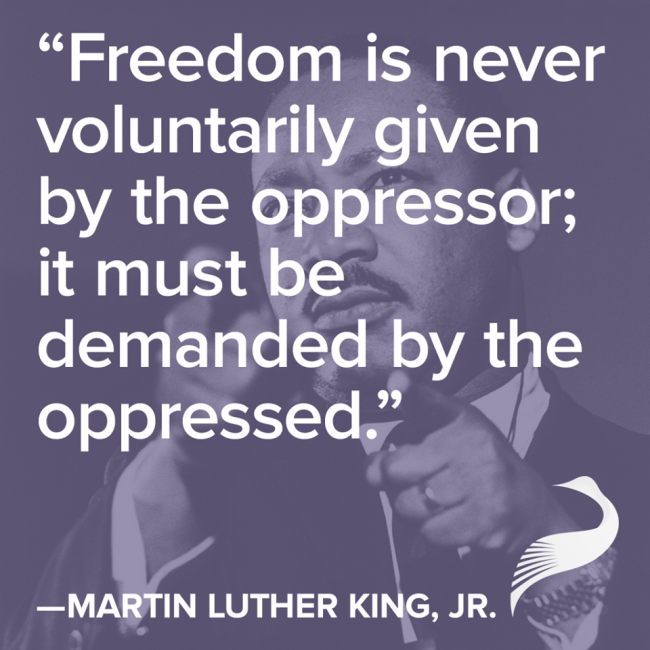
First of all freedom is a state of mind and only subsequently may become translated (or not) into social reality.
Whenever an oppressor/oppressed relationship exists neither of them is really free, not even the oppressor: he is permanently bound to take care, of sorts, for the oppressed. Otherwise the oppressed would wither away, either literally or by gaining their liberty.
This doesn’t mean Martin Luther King Jr. wasn’t right, it still is the duty of whoever feels oppressed to start fighting for liberty, it just puts the onus on both sides of the relationship.
In fact time and time again human history has produced ample proof that as entire societies became freer their individual members fared better and better.
Wealth and technology can only help but cannot replace (perceived) individual liberty.

A rather heated debate is currently going on between ‘specialists’ about how ‘economic fairness’ is influencing growth:
The problem is that most of these ‘specialists’, usually economists or politicians, while sometimes finding interesting facts, rarely stick their heads out of their narrow fields of expertise high enough to notice that too much economic inequality is counterproductive precisely because it creates a relationship of dependency between the haves and the have nots.
Taking care of your dependents uses precious resources that could be better spent concentrating on further development.
This is exactly what Henry Ford had understood and motivated him to double the wages of his employees. This is the sole explanation for why the American economy took off after WWII. More and more individuals were able to stand on their own two feet because the economic climate was good, business thrived AND the wages were decent – without the government or the unions having much to say about this.
Today business people care almost exclusively about the bottom line and the next quarterly report – thus favoring short term results versus sustainable growth, the governments regulate more and more, arrogantly believing that they know better than the (no longer) free market and the union leaders concentrate on gathering more and more clout instead of taking care of the long term interests of their union members.
This byzantine maze does nothing but creates a highly oppressive medium in which everybody is oppressed by everybody else.
And human society, if it is to work properly, needs free cooperation, not generalized oppression.

“Si mai vorbim despre “globalizare”…”
“And we are still speaking about “globalization”…”
“- What’s your opinion about the food shortages in the rest of the world?
– What does ‘food’ mean?
– What’s that a ‘shortage’?
– What’s that ‘the rest of the world’?
– What’s that an ‘oppinion’?”
“- Ce parere aveti despre lipsa de alimente din restul lumii?
– Ce sunt alea ‘alimente’?
– Ce inseamna ‘restul lumii’?
– Ce este aceea ‘lipsa’?
– Ce este aceea ‘opinie’?”
Pai da, vorbim!
Si pe drept cuvant.
Din pacate ‘globalizare’-a asta inseamna deocamdata ca toti alergam ca disperatii dupa bani. In loc sa actionam firesc, sa reactionam la imprejurarile in care ne aflam, incercam, in disperare, sa folosim aceste imprejurari pentru a ne umfla conturile din banci.
Si dupa aceea ne miram de ce a iesit…
Yes we do!
And rightfully so!
Because, until now at least, ‘globalization’ only meant a planet wide treasure hunt. Instead of acting naturally – reacting to the circumstances in which any of us happens to find himself – we desperately/obsessively try to use those circumstances with the sole goal of inflating our bank accounts…
And then we are flabbergasted by the outcome…
Bine, inteleg ca pentru asta ar trebui sa intelegem odata (?) ca bogatia este doar o unealta, ca telul suprem ar trebui sa fie doar ‘supravietuirea’/capacitatea de a evolua si ca astea doua nu sunt chiar identice … dar oare de cate argumente in acest sens mai avem nevoie?
OK, I understand we’d need to understand, once and for all (?) that wealth is nothing but a tool, that the sole reasonable goal is survival/ability to adapt and that these two are not exactly similar… but how many more proof do we still need?
This morning I watched on BBC a documentary with this title. A young Cambodian gets a helping hand from a Bangladeshi textile entrepreneur on her road to becoming a fashion designer. OK, so what?!? Nothing but a normal occurrence. In fact both are helping each other. Well…yes only five years ago the promising designer was scraping for food at the edges of the Phnom Penh garbage dump, unable to read or write. Scott Neeson was the one who gave her a helping hand and the whole story brought back to my mind an IMF study I’ve read recently: “Inequality and Unsustainable Growth: Two Sides of the Same Coin?” Inside are some interesting ideas about the dynamics between inequality and growth but, a lot more important and almost at the beginning, the reader stumbles upon the explanation for why the considerable efforts that have been spend towards this goal have brought so scarce results: “Over the long run, sustained growth is central to poverty reduction. The rapid growth seen in much of the world over the past few decades—notably, but not only, in China and India—has led to an unprecedented reduction in poverty. And, in general, increases in per capita income tend to translate into proportionate increases in income of the poor. As Dollar and Kraay (2002) memorably put it, ―Growth Is Good for the Poor.‖ All the more reason, then, to place sustainability of growth at the center of any poverty reduction strategy.” The point is that we’ve been chasing a ghost. What is ‘poverty reduction’? In order to do such thing one needs to define poverty, measure it and then come up with a grand strategy about how to solve a problem invented by ourselves. All of them arbitrary activities. Let me make myself perfectly clear. ‘Poverty’ is a problem indeed. Both for the poor themselves and for the society at large. Problems are to be solved but before starting doing so we should identify the real nature of the problem. Nowadays most of us agree that ‘poverty is a problem’ but when it comes to solving it we find ourselves divided into two camps. Some say this is an individual problem and those involved, the poor themselves, are the ones who should do something about it – work more that is. Some others consider that poverty is a social problem and should be solved by others but those directly involved, either by the government or by charitable organisations. In this camp we find quite a lot of people, from the ‘kind hearted’ who consider they have to help their fellow human beings to the ‘economically minded’ who say that by reducing poverty we’ll be able to increase consumption which, in turn, will induce economic growth. Both approaches are fundamentally flawed. How much help are we going to extend to the needy? What (long term) consequences is this all this help going to have? How much consumption is needed? What is the ‘optimum’ economic growth rate? I think we are missing the essential here. The real problem with the existence of poverty is the enormous waste it produces. Yes, waste, and the worst kind of waste. The waste of human potential. Poverty is, and always was, relative. Sreymom Ang, the promising fashion designer, was dirt poor when she lived on the fringes of the Phnom Penh’s garbage dump yet her chances for survival were far better then that of the most Europeans living three hundreds years ago. Her real problem was that she didn’t see any way out of a situation she (and those around her) saw as being desperate while for those Europeans it was ‘business as usual’. This very difference in attitude is crucial. Our forefathers did their best to improve their lot while most of today’s poor are feeling so depressed as to let things happen to them instead of having a more active approach. Right now I have a distinct feeling that the ‘let the poor fend for themselves’ people are polishing the ‘I told you so’ placards… Not so fast! As everybody who has been really depressed knows, it’s hard to ‘get out of it’ on your own and specially so when the deck of cards is set against you. So where I’m driving at? That we should treat this whole business as an efficiency problem instead of a poverty problem. A person with at least some (useful!!!) education is a lot more likely to be able to ‘fend for himself’ than a complete illiterate. Even more important he/she will be able to cooperate with others in order to produce and consume, efficiently, marketable goods and services. A person who knows that he/she will receive some help if in dire need will summon more easily the courage to start something, be it a new business, a new career or anything else. A person who has a reasonable expectation to be treated fairly by those around him/her is a lot more likely to come up into ‘the open’ than one who has a previous experience of being treated as a second (or third…) class citizen. As history teaches us, countries where the creative power of the people could find it easier to manifest itself and where a bigger proportion of the people were really free fared better than countries where the opposite situation prevailed. This is the only argument for which I am convinced that allowing for considerable human potential to go unused, because of crippling poverty but not exclusively, is more than an individual problem and that we’ll all be considerably better off by finding a way for a bigger and bigger proportion of the people living at one time on the face of the Earth to be able to do something meaningful. For them but also for the rest of us.
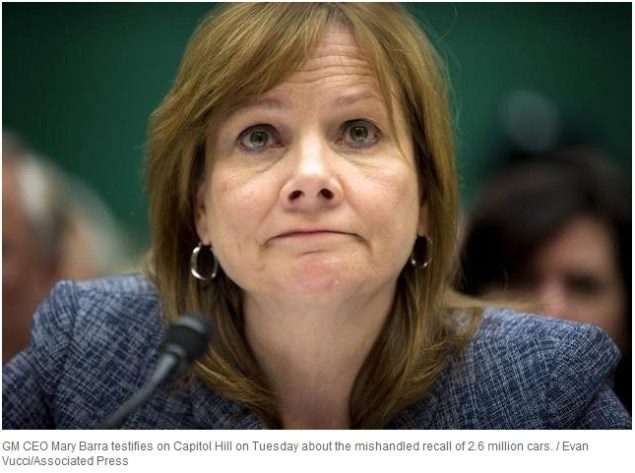
We all know were the ‘cost culture’ has taken the ‘old’ GM: into the ground.
I’ll be blunt on this one. In fact it is not about minimizing the costs. That is not only rational but also natural. The real problems arise from ‘maximizing profits’, sometimes at “all costs”. Non financial costs that is. I.e. lives. Human lives in this case.
And this will keep on happening until we’ll finally understand that profits are good – inexorable even – but only as long they are an indicator for being on the right track towards long time survival (sustainable growth if you want to call it that way).
Allowing for the customers to get killed just for the sake of some pennies shaved from the costs is an extreme but compelling symptom of the present confusion. Short time profits, made at the expense of the customers, can be extremely dangerous.
Eventually they’ll kill the business itself, not just the customers.
PS Click on the highlighted quote, or here, and read the entire Bloomberg article. It’s worth it.
 nicichiarasa