Archives for posts with tag: Cooperation

I have great respect for Fareed Zakaria, I’ve been following him for at least twenty years.
That doesn’t mean that we always see things the same way…
He recently published “America’s educational failings” in the Washington Post. To me at least it represents a very balanced analysis of what ‘s currently going on. And yet!

“…if we really want to reduce inequality, we need to reform the system,….
And here is where we start to disagree!
Trying to ‘reduce inequality’ implies a lot of arrogance: it means we know where the inequality level should be and that we are confident enough that our actions would beneficial. (To whom?)
How about setting a more modest goal, long term survival?
In fact some inequality is good, it motivates people. Too much inequality, on the other hand, induces social fragility – the country actually falls apart.
The symptom that things have started to go south is ‘mass dependency’ – too many individuals cannot fend for themselves and depend on others, government or private charity, for daily survival. The tax payers, those who have to foot the bill, start to rebel while the recipients grow despondent. This has happened time and time again, from Ancient Rome to modern days communist states.
So yes, education is the only way out but we have to be very careful what we teach to the young generations.
Telling them to hunt for equality is one thing, encouraging them to better themselves by offering them a level playing field with low (or even 0) entrance fee and a lot of opportunities is quite another.

Every morning I drive my wife to work, smack in the center of Bucharest.

The streets are narrow and full of potholes, for a couple of days the weather was lousy, the radio was belching horrible news about what’s going on in Ukraine yet for sometime now I found a strong reason for being optimist.

I realized driving habits have changed in a very subtle but extremelly significant way. People have understood that mutual respect works a lot better than sheer aggression: they honk a lot less, let others merge into traffic, do not ‘herd’ into bottlenecks as they used to…

In fewer words people have learned that considerate cooperation gets you farther than mindless competition.

Now I’m watching closely for signs of this new attitude being displayed in other circumstances.


PS I
For my American and Western European readers this must sound like hogwash, being used with the courteous driving practiced in their respective countries. They should take into consideration that this development has come about spontaneously, the police or any other agency having (almost) nothing to do with the process. People simply understood, individually, that in this manner all of us will get sooner to our destination.

PS. II
On second thoughts …  In fact decent competition, the kind that takes place according to rules, is just another form of cooperation. Even war waged according to the Hague convention can be seen as a form of cooperation…

PS. III
Please notice how everybody takes care of those around them. Do they really care about the ‘other guy’? I honestly don’t know and I openly admit that I don’t really care. But the fact remains that they act as if they do and the consequence is that traffic never gets bogged down.

Image

I started life as any average child, trying to learn as much as I could from those around me.

For practical reasons I studied mechanical engineering – law or philosophy were dead ends in communist Romania.
After the fall of the ancient regime I started investing in the stock market and became interested in technical analysis. This is how I found out about Daniel Kahneman and the notion of ‘behavioral economics’.
Trying to deepen my understanding about how society works I went back to school, sociology this time. Here I found out about Herbert Simon – bounded rationality – and Catalin Zamfir – what constant uncertainty does to human mind and why ideologies are so powerful. (Unfortunatly Zamfir hasn’t published much, if anything, in English so I have to settle for this as a sketchy replacement)

A couple of months ago I rediscovered Zen. It had grabbed my attention some 35 years ago – I had found some books in a public library, a donation from L’Institute Francais. Sometimes in my spare moments I look up ‘zen’ on the internet and this is what I came across a few moments ago:

“The Path of Foolish Beings

Who are the foolish beings? According to the Shin tradition of Pure Land Buddhism, we all are. Mark Unno explains that only by becoming aware of our limited self and acknowledging our fundamental foolishness can we realize the oneness of all beings and the limitless flow of compassion.”

Maybe I should have sticked with Zen in the first place…

Image

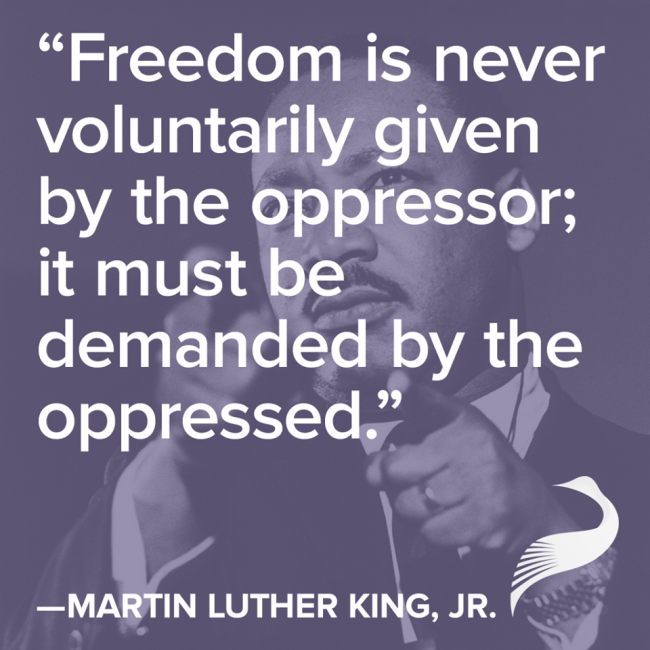
First of all freedom is a state of mind and only subsequently may become translated (or not) into social reality.
Whenever an oppressor/oppressed relationship exists neither of them is really free, not even the oppressor: he is permanently bound to take care, of sorts, for the oppressed. Otherwise the oppressed would wither away, either literally or by gaining their liberty.
This doesn’t mean Martin Luther King Jr. wasn’t right, it still is the duty of whoever feels oppressed to start fighting for liberty, it just puts the onus on both sides of the relationship.
In fact time and time again human history has produced ample proof that as entire societies became freer their individual members fared better and better.
Wealth and technology can only help but cannot replace (perceived) individual liberty.

Image


A rather heated debate is currently going on between ‘specialists’ about how ‘economic fairness’ is influencing growth:

inequality=unsustainable growth


The problem is that most of these ‘specialists’, usually economists or politicians, while sometimes finding interesting facts, rarely stick their heads out of their narrow fields of expertise high enough to notice that too much economic inequality is counterproductive precisely because it creates a relationship of dependency between the haves and the  have nots.

Taking care of your dependents uses precious resources that could be better spent concentrating on further development.
This is exactly what Henry Ford had understood and motivated him to double the wages of his employees. This is the sole explanation for why the American economy took off after WWII. More and more individuals were able to stand on their own two feet because the economic climate was good, business thrived AND the wages were decent – without the government or the unions having much to say about this.

Today business people care almost exclusively about the bottom line and the next quarterly report – thus favoring short term results versus sustainable growth, the governments regulate more and more, arrogantly believing  that they know better than the (no longer) free market and the union leaders concentrate on gathering more and more clout instead of taking care of the long term interests of their union members.
This byzantine maze does nothing but creates a highly oppressive medium in which everybody is oppressed by everybody else.

And human society, if it is to work properly, needs free cooperation, not generalized oppression.


Cineva mi-a trimis urmatoarea intrebare:

“PITAGORA a zis:
Nu năzui la himera unei democraţii pure; egalitatea perfectă există numai la morţi. 
++++++
Si cred ca are mare dreptate. Voi ce credeti ????”
Dupa care mi-a trimis si unul dintre raspunsurile primite de el:”Orice apreciere temporala e marcata de relativitate, pentru ca ignora perspectiva eternitatii.”

Moise, Noe, David si altii au trait inaintea lui Pitagora.
Notiunea de viata eterna in preajma lui Dumnezeu nu a fost o idee doar a crestinismului.
David in Ps. 15:1 spune: “Doamne cine va locui in cortul Tau?” cortul Domnului fiind etern.
Egiptenii credeau mult mai profund in viata eterna inainte de Pitagora.
Hindusi au notiunea si credinta in Nirvana ca viata de apoi.
Islamicii lafel viseaza, ca daca mor ca martiri vor avea 72 de virgine in viata de apoi.

Ateii adica a-teii care prin auto-denumile se vor fara de Dumnezeu (Teo) printr-o incapatanare perversa, cum spunea Cioran, considera ca aici e raiul, aici e iadul, asa ca dece nu si-ar trai viata fara a se teme de vreo consecinta.
Poporului rus considerat pravo-slavnic, adica adevarat aducator de slava lui Dumnezeu i s-a inoculat aceasta idee perversa pt a putea ucide la comanda partidului fara teama consecintelor eterne, chiar daca consecintele imediate erau exercitate asupra lor de proprii lor tovarasi de lupta.

Problema care se pune e aceea ca dela niste oameni cu adevarat inteligenti ar trebui sa te astepti la mai mult decat la teoreme asupra unor lucruri existente. “Suma patratului catetelor este egala cu patratul ipotenuzei” nu e o inventie ci o constatare.”

Ce am vrut sa spun este ca asa cum a fost imaginata democratia initial parea sa conduca la o oranduire ce tindea asimptotic spre perfectiune, numai ca conditiile sociale si caracterul omului impiedica realizarea perfectiunii dealungul timpului, fapt pt care devine relativ modul in care se aplica orice principiu.
Acum cunoscand modul de gandire limitat al lui Pitagora in comparatie cu alti filosofi din vremea lui, mi-am dat seama de lipsa lui de perspectiva din cele ce le vei citi mai jos.

Traieste-ti viata;
nu exista nimic inainte si nimic dupa ea. Sa-ti placa sa traiesti si sa traiesti bine. Cel ce priveste viata cu dezgust, fie ca are spiritul bolnav, fie inima putrezita. ”


N-as fi citat atat de extensiv daca textele de mai sus nu mi s-ar fi parut extrem de descriptive pentru ceea ce cred destul de multi dintre contemporanii nostri si anume ca democratia este o inventie, similar cu dictaturile. Ori exact de aici apar problemele. Fiecare dictatura este unica, fiind rezultatul actului de vointa a celui aflat la putere in momentul respectiv.

Spre deosebire de dictaturi democratia nu a fost inventata, asa cum au fost, sa spunem, chibriturile – a stat cineva cu picioarele in apa rece si s-a gandit pana a ajuns la solutia ‘optima’. (Si care oricum au mai fost imbunatatite de nu stiu cate ori de atunci)

Democratia a fost inventata in comun, de catre grupuri intregi de oameni care au constatat (prin simpla supravietuire) ca daca se inteleg intre ei le merge mai bine (tuturor) decat grupurilor/comunitatilor care urmeaza orbeste pe cel care s-a nimerit sa fie in fruntea lor…
Esential in toata treaba asta este ca membrii comunitatii respective sa fie ‘echivalenti’. Nu trebuie sa fie egali, asta e o prostie, este destul ca fiecare dintre ei sa fie autonom, adica sa nu depinda in mod josnic de cei din jurul lui – asa cum depinde sclavul de stapanul sau, iobagul de posesorul mosiei, cel care beneficiaza de asistenta sociala de bunavointa politicienilor/birocratilor…
Si aici ajungem la rana purulenta care este realitatea cotidiana. Adevarul asta rostit de Pitagora a fost intors pe toate fetele. Exact asa cum legea lui despre catete nu este o inventie ci o constatare, la fel spusele lui despre democratie sunt tot o constatare. Si asa cum legile geometriei pot fi folosite atunci cand proiectezi o casa sau un pod dar si atunci cand vrei sa construiesti un abator/lagar de concentrare la fel si constatarile despre democratie pot fi intoarse pe toate fetele.
Intotdeauna se vor gasi cate unii care sa incerce distorsionarea procesului democratic astfel incat sa le fie bine doar lor. Chiar si Hitler s-a folosit de procedee democratice pentru a ajunge la putere. Tarile comuniste erau cunoscute sub denumirea de ‘democratii populare’…
In realitate soarta grupului social/tarii depinde, in ultima instanta, de raspunsul pe care comunitatea respectiva reuseste sa il dea acestor incercari. de fapt continue, de monopolizare a procesului de decizie, de transformare a lui dintr-unul de natura colectiva intr-o dictatura.
Chestia e ca sunt foarte multe argumente de natura teoretica (constatari) pe marginea acestui fenomen si care incearca sa explice de ce democratiile ar fi mai bune decat dictaturile dupa cum sunt aproape la fel de multe argumente in sens contrar. Un exemplu, recent, ar fi succesul economic al Chinei explicat, pertinent, prin faptul ca in China autoritariana ar fi mai usor de facut afaceri – mai ales pentru investitorii straini – decat in India democratica.
Ce mi se pare mie foarte surprinzator este ca toti analistii astia uita ceva extrem de evident. Este adevarat ca multe dintre democratiile care s-au perindat de-a lungul istoriei s-au degradat in timp dar este la fel de adevarat ca toate dictaturile s-au prabusit, mai devreme sau mai tarziu. Iar fenomenul asta este din ce in ce mai accelerat. Indiferent de constatarile teoretice si de incercarile de manipulare facute plecand de la aceste constatari, democratiile se deterioreaza din ce in ce mai incet iar dictaturile se prabusesc din ce in ce mai repede.
Si aici incepe nedumerirea mea. De ce se mai chinuie manipulatorii? Sunt atat de inteligenti incat sa inteleaga mecanismele dar in acelasi timp atat de orbi incat nu vad directia generala sau atat de aroganti incat cred ca pot intoarce mersul istoriei? Chiar mai poate cineva crede ca ‘de data asta e altfel’?
La final voi reveni la raspunsul primit de prietenul meu si dupa ce veti citi aceasta ‘anexa’ incercati sa faceti o paralela intre ce spune Pitagora si invataturile lui Lao-tzi. Nu cred ca s-au cunoscut, n-ar fi fost nevoie. Exact asa cum triunghiurile sunt la fel peste tot si natura umana are generalitatile ei.
Faptul ca nicaieri democratia nu e perfecta dar ca peste tot este mai buna decat dictatura este una dintre ele. O alta ar fi ca nici o interventie umana nu poate intoarce cursul natural al istoriei, acesta poate fi incetinit temporar dar niciodata abatut din drum…
“Legi ale moralei si ale politicii – Pitagora:
Viata cumpatata, in slujba binelui si a dreptatii, trebuie sa stea si la baza alcatuirii politice a unui stat.Nu incerca sa vindeci un popor mare si corupt: cangrena nu se poate vindeca.

Nu incerca sa schimbi oranduirea unei mari natiuni. Un popor numeros e ca o dihanie hada; e ceva impotriva firii. Dintre toate soiurile de dobitoace cea mai rea e speta umana ce se cheama “popor”.

Nu raspanditi vestea unei fapte rele! Faceti in asa fel incat sa-i dispara cat mai curand si cele mai mici urme. Lasati raul sa moara!

Sa-i crezi doar pe jumatate, pe cei ce vin sa parasca fapte rele.

Nu nazui la himera unei democratii pure; egalitatea perfecta exista numai la morti.

Legiuitorule!
Nu le lasa oamenilor de stat timpul sa se deprinda cu puterea si onorurile!

Legiuitorule!
Nu uni credinta, cu morala. Roadele acestei legaturi nepotrivite nu pot fi decat niste monstri.

Legiuitorule, baga de seama sa nu te inseli!
Drepturile omului nu sunt la fel cu ale popoarelor, din cauza ca oamenii deveniti “popor”, inceteaza a mai fi oameni.

Un Senat de 100 de capete e mult prea mult! Putini legiuitori, dar
intelepti! Putini razboinici, dar viteji! Putin “popor”, dar multi cetateni!

Da legi poporului-taur si boabe poporului-bou.

Supune-te legilor, chiar daca sunt proaste! Nu te supune oamenilor, daca nu sunt mai buni ca tine.

Taie-i unghiile poporului, dar nu-i spala capul cu propria-i urina;
pedepseste-l, fara sa il injosesti.

Nu chemati in magistraturi decat barbati ce sunt in saptamana mare a vietii lor.

Magistrati!
Fiti precum in Sparta! La intrarea in tribunale ridicati un altar al
Fricii; frica de a fi pedepsit inspaimanta poporul si copiii.

Magistratule!
Legea iti e sotie legitima; desparte-te de ea, mai bine decat sa o faci sa devina o femeie trandava si care se invoieste cu orice.

Magistrati ai poporului!
Nu urmati pilda pescarilor de pe Nil, care arunca cu noroi in ochii
crocodilului, ca sa-l poata stapani.

Sa nu fii legiuitorul ori magistratul unui popor care se lauda cu mintea sa luminata.

Urmand pilda locuitorilor din Creta, la fiecare 9 ani, legile sa fie citite
si indreptate de un intelept.

Cand magistratul vorbeste, preotul sa taca!

Scutiti-va magistratii de juramant, atunci cand intra in functie, dar nu-i
scutiti sa dea socoteala, cand o parasesc.

Poporule !
Cantareste-ti legile! Numara-ti magistratii!

Poporule!
Daca iti doresti o buna randuiala in ceea ce priveste politica, fereste-te de o organizatie fara vlaga, o administratie fara putere si de luxul
ospetelor. Acestea trei dau intotdeauna nastere vrajbei in viata civila si in gospodarii si au ca urmare, naruirea statului si a familiei.

Nu tulbura o apa statatoare, ori un popor in sclavie.

Fugi de poporul caruia ii place esafodul.

Nu te astepta sa ti se multumeasca, atunci cand ii faci un bine poporului: dintre toate dobitoacele, el este cel mai nerecunoscator.

Lucrul cel mai rusinos al unei stapaniri este pandirea si iscodirea
oamenilor.

Nu urma pilda omizii: nu primi sa te tarasti la picioarele printului sau in
fata poporului, pentru ca, intr-o zi, sa porti aripi.

Toti suntem egali! Sa nu credeti insa ca neghiobul este egalul inteleptului.

In fiecare an sa aveti o zi de sarbatoare numita pacea familiei. In aceasta zi, sotul si sotia, la pranz, in mijlocul familiei, isi vor da mana si isi vor ierta unul altuia greselile facute de-a lungul anului.

Invata sa vezi mai departe decat pot ajunge privirile tale.

Lebada tace toata viata, ca sa poata canta desavarsit, o singura data.
Omule de geniu! Ramai in umbra si pastreaza tacerea, pana in clipa in care vei putea sa apari cu toata stralucirea unei faime pe care nimeni nu o mai poate tagadui.

Nu admira nimic! Zeii s-au nascut din admiratia oamenilor.

Sa nu ai alt Zeu in afara de propria ta constiinta.

Fii cetatean al lumii intregi, pana cand vei intalni un popor intelept si
cu legi drepte.

Traieste-ti viata;
nu exista nimic inainte si nimic dupa ea. Sa-ti placa sa traiesti si sa traiesti bine. Cel ce priveste viata cu dezgust, fie ca are spiritul bolnav, fie inima putrezita.”

http://en.wikipedia.org/wiki/Tikkun_olam 

any one still wandering about how come the Jews managed to survive for so long, against the so long odds as they had to face?

As almost everything else on this world this also can be looked at from two different vantage points.

The disgruntled citizen says: I know I’m stating/asking the obvious here, but with all the Big Corp. favoritism, what’s the point in the people voting? Big money talks louder than the peons. Fire every one of them- here and elsewhere.”

Yeah, OK, I get your point…but what if those already ‘at the wheel’ understand/interpret the act of non voting as approval of the current state of things/people being discouraged about the possibility of any change being made so they take it as a carte blanche?

So unless more of us actually going to the voting booths and manifesting our will the simple wish that: I only HOPE that this next election, people will wake the fuck up and quit ALLOWING this to continue.” won’t mean much…
Alternatively, our mere ‘presence’ – even if unhappy about about everybody on the ballot we cancel out vote – means ‘hey, this guys have waken up, maybe we should clean up our act’!

Somebody just asked me:

People all over the world are all about themselves these days?”

Unwisely so…
Actually it’s nothing wrong about being ‘about one’s self’!

The real problems start only when crossing the divide between one amongst/with others versus one above/against all others…


Image


Si mai vorbim despre “globalizare”…”
“And we are still speaking about “globalization”…”

“- What’s your opinion about the food shortages in the rest of the world?
– What does ‘food’ mean?
– What’s that a ‘shortage’?
– What’s that ‘the rest of the world’?
– What’s that an ‘oppinion’?”

“- Ce parere aveti despre lipsa de alimente din restul lumii?
– Ce sunt alea ‘alimente’?
– Ce inseamna ‘restul lumii’?
– Ce este aceea ‘lipsa’?
– Ce este aceea ‘opinie’?”

Pai da, vorbim!
Si pe drept cuvant.
Din pacate ‘globalizare’-a asta inseamna deocamdata ca toti alergam ca disperatii dupa bani. In loc sa actionam firesc, sa reactionam la imprejurarile in care ne aflam, incercam, in disperare, sa folosim aceste imprejurari pentru a ne umfla conturile din banci.
Si dupa aceea ne miram de ce a iesit…

Yes we do!
And rightfully so!
Because, until now at least, ‘globalization’ only meant a planet wide treasure hunt. Instead of acting naturally – reacting to the circumstances in which any of us happens to find himself – we desperately/obsessively try to use those circumstances with the sole goal of inflating our bank accounts…
And then we are flabbergasted by the outcome…

Bine, inteleg ca pentru asta ar trebui sa intelegem odata (?) ca bogatia este doar o unealta, ca telul suprem ar trebui sa fie doar ‘supravietuirea’/capacitatea de a evolua si ca astea doua nu sunt chiar identice  … dar oare de cate argumente in acest sens mai avem nevoie?
OK, I understand we’d need to understand, once and for all (?) that wealth is nothing but a tool, that the sole reasonable goal is survival/ability to adapt and that these two are not exactly similar… but how many more proof do we still need?

Image


Sus : William, Ducele de Cambridge (viitorul rege al Angliei) și fratele său, Henry al Țării Galilor
Jos : …
Ambele inundații sunt din 2014

Fratii Windsor n-au functii executive asa ca pot face ce vor, inclusiv ceva folositor.
Ceilalti doi fac parte dintr-un intreg aparat politic astfel incat sunt la intersectia/discretia multor si conflictuale seturi de interese.
Ce ma intriga pe mine este insistenta cu care adversarii lor dau vina exclusiv pe ei, fara sa vorbeasca nici un moment despre faptul ca ei n-ar fi avut pe ce sa se aseze daca nu aducea cineva barcile alea si nici nu s-ar fi vazut la televizor (ca d-aia s-au dus acolo, sa-i vada lumea ca ‘le pasa’) daca televiziunile (atat cele prietene cat si cele dusmane) nu s-ar fi inghesuit si ele in acelasi model de barca…


Poate pentru ca singurul lucru care ii intereseaza pe adversarii lor este sa le ia locul iar pe televiziuni doar sa faca rating? In conditiile astea e normal ca nimeni sa nu vrea sa deschida cu adevarat ochii electoratului ci doar sa-l traga dintr-o parte in alta…

Si atunci cum sa nu te intrebi cum de l-a luat gura pe dinainte pe Basescu: ‘Nici un ministru sau mare mahar din administratia de stat n-ar putea sa-si faca mendrele daca n-ar fi ajutati de o parte din subalternii lor si daca restul nu ar inchide ochii!’?

PS. L-am auzit cu urechile mele la un ‘telejurnal’, cu vreo doi ani in urma.