
And God said…
.
.
And God saw every thing that he had made, and, behold, it was very good.
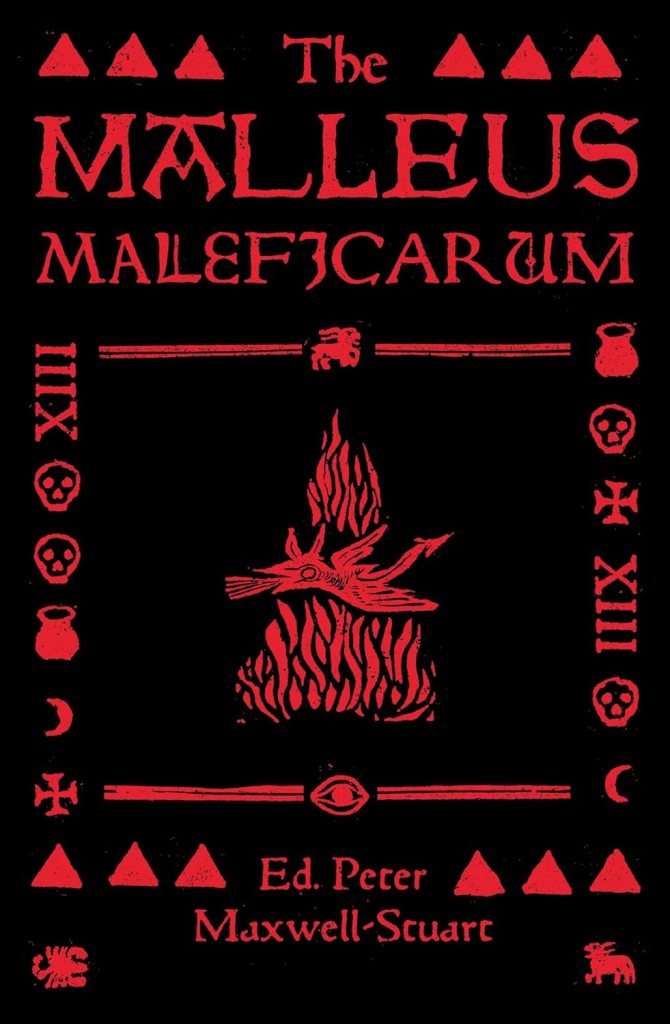
The book led to the burning of numerous heretics and ‘witches’ and had a lasting impact on the popular image of witchcraft.”
So. In the 12th, men were free to engage in an attempt to discover and exploit in their benefit the relation between themselves and the cosmos. To make every effort they could think of to transform ‘base metals’ into precious ones.
“Alchemists believed that, if their mind, body and spirit were pure, they could create the Philosophers’ Stone – a substance that could heal people from illness and turn base metals into gold.“
Meanwhile, witches – predominantly female – were burned at the stake for attempting basically the same thing. Exploit to their benefit the understanding they had about how things worked in the universe.
Basically, both – the alchemists as well as the witches – attempted the same thing. To perform/accomplish tasks which seemed impossible to the lay people.
Witches were burned when caught by the ‘wrong people’ while the alchemists were feted.
Is there any sense to be made out of all this?!?
Well, let me go back. To the ‘genetic’ moment. When all ‘this’ started.
As I’ve already mentioned, in my blog, I’m an agnostic. I don’t need a god as an explanation for anything. But I don’t know, as in ‘I can’t be sure’, whether any of this has been decisively influenced by a ‘deus ex-machina’. Hence my agnosticism. Furthermore, I’m absolutely convinced that the God worshiped by people is real. Made real by their belief!
Now, anyway you look at the whole thing – believer, agnostic or even atheist – there is no denying that the Bible is choke full of information. Of sense!
‘But… but… how can you say something like that!?!
What sense can you find in a book that inspired people to burn other people?’
Spot on, my dear Watson.
That’s exactly the question I’ve been asking myself!
What happened during those fifteen centuries. Between writing the Bible, as a collective work, and Heinrich Kramer writing Malleus Maleficarum. Between Christians building a certain culture and some people, claiming to belong to the same ‘denomination’, starting to burn witches, but not alchemists, at the stake.
Stay tuned.
 nicichiarasa