
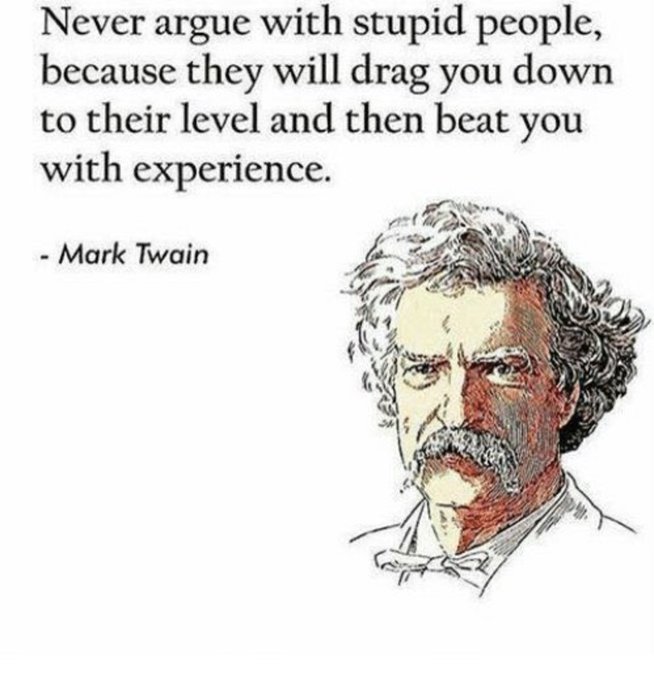

‘Experience’… as in “drag you down to their level and beat you with experience”…
But is this even possible?
For a really stupid individual to survive for so long?!? For long enough to become ‘old and experienced’…
Maybe we need to reconsider the whole thing!
My own experience – ‘Trust me, I’m an engineer!’ and I’m not kidding – strongly suggests that ‘bona fide’ stupidity is far less abundant than currently advertised.
The hard reality we have to deal with is the one described by the Dunning-Kruger effect.
Whenever we don’t understand other people’s actions, or motives, we tend to consider them as being stupid. Actions, motives and even the people themselves.
Specially when we experience the slightest discomfort as a consequence of such actions.
Furthermore, much of what is currently considered to be a consequence of stupidity is rather the result of accrued ‘misguided smartness’.
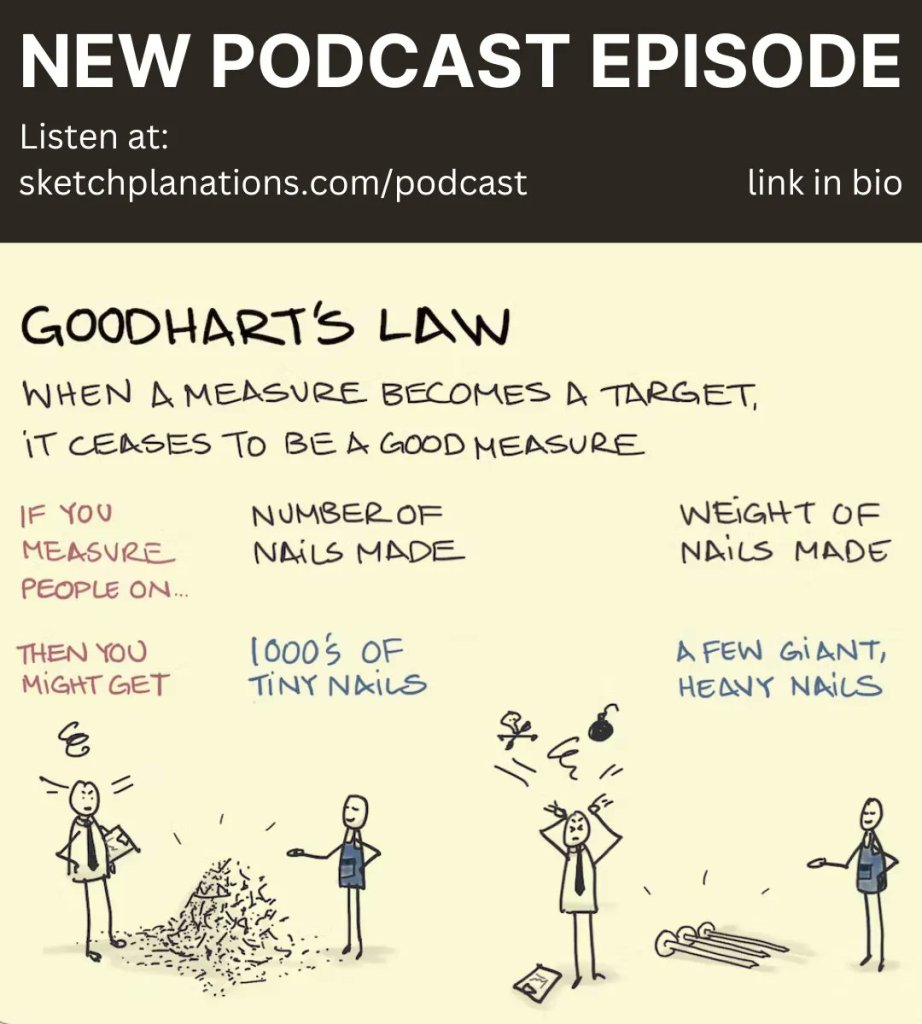
On the other hand, never underestimate what mere happenstance can accomplish!

 nicichiarasa